
Hills and Rocks Art & Wall Art | Fame Art Gallery


Capri Umbrella Cove


Azure Grotto Light

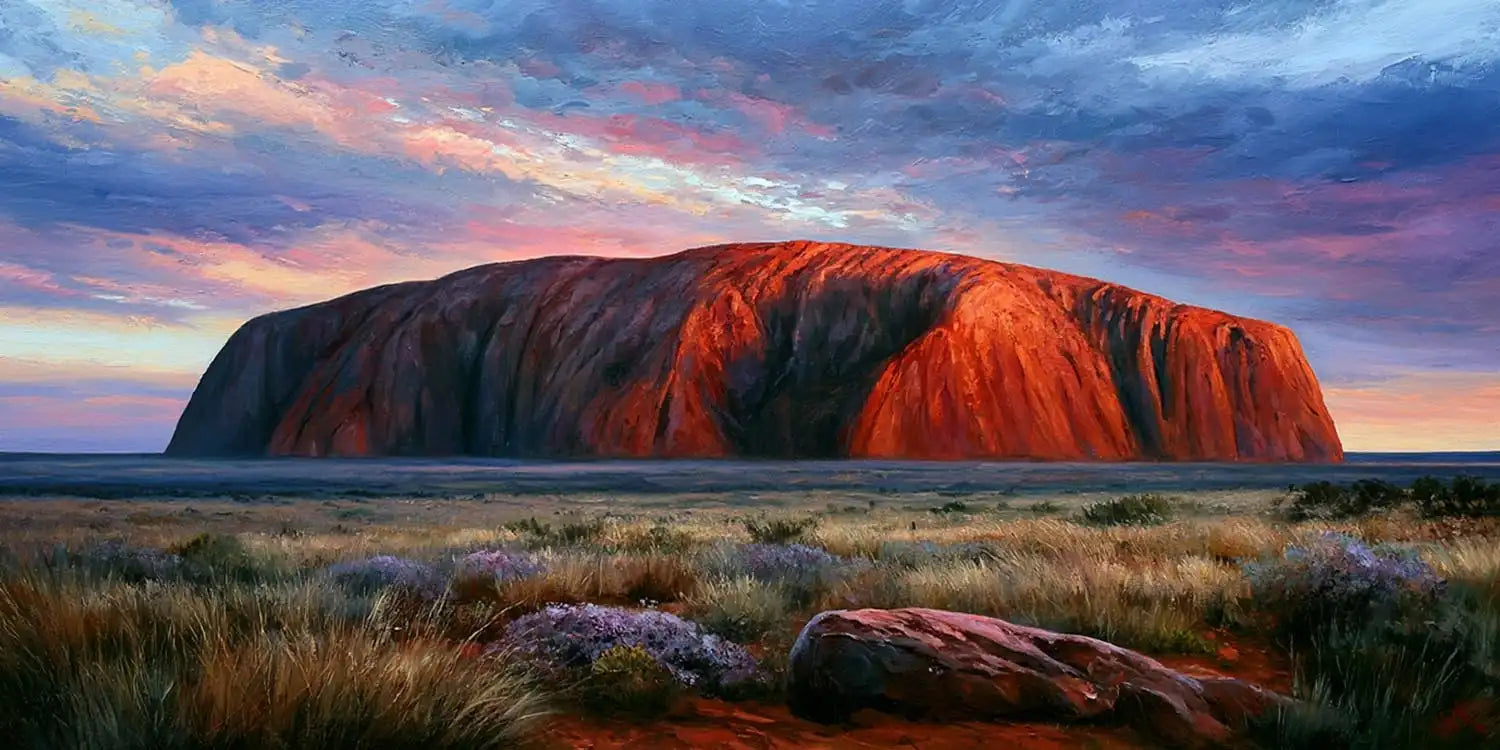
Red Centre Glow Panoramic Canvas Print


Rocky Mountians


Whispering Shores


Houses In Unterach On The Attersee


A. S. Pushkin at the Black Sea coast


View Of The Ayu Dag Crimea


Nocturnal Voyage


French Ships Departing the Black Sea


Rocks Painting

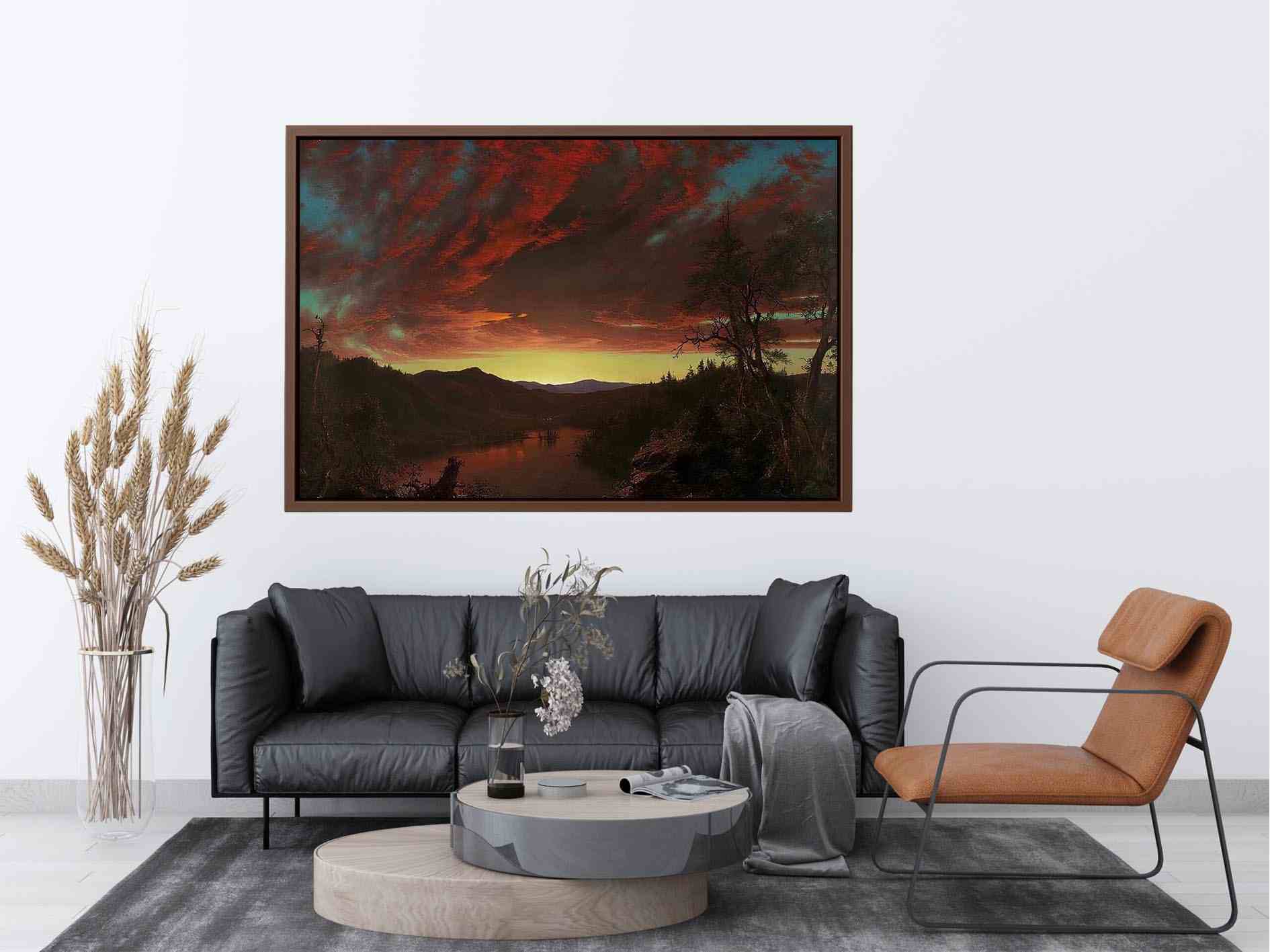
Twilight in the Wilderness by Frederic Edwin Church


Bordighera 1 by Claude Monet


Harvest Painting By Van Gogh
Hills and Rocks Art & Wall Art
Discover Hills and Rocks Art featuring rugged hills, rocky landscapes, stone formations, cliffs, mountain terrain and dramatic natural scenery. This collection brings the structure and texture of the outdoors into your interior through landscape-focused artwork designed for distinctive walls. Whether you prefer peaceful hills, dramatic rock formations, expansive mountain views or expressive contemporary interpretations, these artworks can create a strong focal point while maintaining a connection with nature. Choose a composition according to your room, wall dimensions, color palette, furniture and preferred presentation. Hills and Rocks Wall Art can work particularly well in living rooms, bedrooms, offices, entryways, dining spaces and nature-inspired interiors.
What Is Hills and Rocks Art?
Hills and Rocks Art is artwork centered on hills, rocky terrain, stone formations, cliffs, mountains and other geological features. The subject can be presented as a realistic landscape, classic scenic artwork, modern composition, contemporary interpretation or abstract representation.
Rocks provide strong visual structure through their edges, layers, surfaces and natural irregularities. Hills and mountains add depth and perspective, while skies, trees, vegetation, water and distant landscapes can expand the scene around the geological subject.
This makes Hills and Rocks Wall Art particularly useful when you want landscape artwork with more visual texture and structure than a simple open-field or minimal scenic composition.
Why Choose Hills and Rocks Wall Art?
- Natural visual texture: Rocky surfaces and geological formations introduce texture and organic detail.
- Landscape depth: Layered hills and distant terrain can create perspective and a sense of space.
- Strong focal presence: Dramatic rock formations can anchor a feature wall or furniture arrangement.
- Nature-inspired character: Hills, mountains and stone connect an interior visually with outdoor environments.
- Flexible styling: Rocky landscapes can complement rustic, traditional, modern and contemporary interiors.
- Versatile color: Artwork can range from gray and neutral stone tones to green landscapes, blue skies and dramatic sunset palettes.
Types of Hills and Rocks Art
Rocky Hill Landscapes
Rocky hill artwork emphasizes sloping terrain, exposed stone, ridgelines and natural landscape contours. These compositions can create a grounded, organic appearance while retaining the depth of traditional landscape art.
Mountain and Rock Formations
Mountain scenes can feature layered peaks, rocky slopes, ridges and distant geological formations. When you want artwork with a strong sense of scale and elevation, explore Mountain Art.
Cliff Artwork
Cliff-focused compositions emphasize steep rock faces, rugged edges and dramatic changes in elevation. These scenes can create a stronger architectural quality than softer rolling-hill landscapes.
Rocky Landscapes With Water
Rocks combined with rivers, lakes, waterfalls or coastal water create a contrast between solid geological forms and flowing or reflective surfaces. For broader water-focused artwork, explore Ocean Art.
Hills With Trees and Vegetation
Trees, grasses and other vegetation can soften the visual weight of rocks while creating a more complete natural environment. These compositions work naturally alongside other nature-themed wall art.
Dramatic Hills and Rocks
Strong light, atmospheric skies, shadows and rugged formations can give a rocky landscape a dramatic visual character. These artworks can become statement pieces when displayed at a larger scale.
Hills and Rocks Art vs. Landscape Wall Art
Landscape Wall Art is a broad category that can include forests, fields, mountains, beaches, countryside and other outdoor environments. Hills and Rocks Art has a narrower visual focus, emphasizing geological forms such as rocky hills, cliffs, stone formations and rugged terrain.
If you want the geological subject to be immediately recognizable, Hills and Rocks Art provides a more focused direction within the broader landscape category.
Hills and Rocks Art vs. Mountain Art
Mountain Art specifically emphasizes mountain scenery and mountain environments. Hills and Rocks Art can include mountains, but its defining emphasis is broader: rocky terrain, stone formations, cliffs, hills and geological textures.
The categories naturally overlap when mountains are dominated by exposed rock or rugged terrain.
Hills and Rocks Art vs. Forest Art
Forest Art places trees and wooded environments at the center of the composition. Hills and Rocks Art instead places greater emphasis on stone, elevation, cliffs and geological structure.
For a landscape that combines both subjects, look for artwork where rocky hills and vegetation share the composition.
Popular Styles for Hills and Rocks Wall Art
Realistic Landscape Art
Realistic landscapes emphasize recognizable terrain, natural perspective, atmospheric conditions, rock textures and environmental detail. This approach can make the artwork feel closely connected to an outdoor setting.
Classic Landscape Art
Classic landscape approaches can emphasize balanced composition, depth, atmospheric perspective and traditional scenic arrangements. Explore Classic Art for related traditional visual directions.
Modern Hills and Rocks Art
Modern interpretations may simplify geological forms, emphasize strong shapes or use restrained compositional structures. Modern Art provides additional artwork in this visual direction.
Contemporary Hills and Rocks Art
Contemporary artwork may reinterpret natural terrain through unusual viewpoints, expressive techniques, simplified forms or unexpected color relationships. Explore Contemporary Wall Art for related styles.
Abstract Hills and Rocks Art
Abstract interpretations can reduce mountains and geological formations into lines, shapes, textures, blocks of color and expressive marks. If recognizable scenery is less important than visual composition, explore Abstract Art.
Color Palettes for Hills and Rocks Art
Color can determine whether rocky landscape artwork becomes a subtle complement or a prominent focal point.
- Gray and charcoal: Stone-inspired neutrals can complement modern and minimalist interiors.
- Brown and earth tones: Warm geological colors create a grounded, natural appearance.
- Green: Vegetation and hills can introduce natural color without losing the landscape theme.
- Blue: Blue skies, distant mountains and atmospheric scenery can create a cooler visual character.
- Sunset tones: Gold, orange, pink and red skies can make the artwork more visually dramatic.
- Muted natural palettes: Restrained colors can integrate easily with neutral furniture and understated décor.
Hills and Rocks Art for Different Rooms
Living Room
A substantial rocky landscape can become a focal point above a sofa, console or large open wall. Consider the width of the furniture, available wall area and viewing distance when choosing the artwork size.
For additional inspiration, explore Living Room Wall Art.
Bedroom
Quiet hills, atmospheric mountains and softer rocky landscapes can introduce a natural visual theme into a bedroom. Choose colors and compositions that work comfortably with the existing bedding, furniture and wall color.
See Bedroom Art for more bedroom-focused artwork.
Office
Landscape artwork can introduce natural scenery into an office or study without requiring a highly decorative theme. Structured mountain or rocky compositions can work well with simple furniture and restrained interiors.
Explore Office Wall Art for additional office styling options.
Entryway
A carefully scaled rocky landscape can establish the visual character of an entryway. Smaller artwork can work above a console or within a narrow area, while larger pieces can anchor a wider entry wall.
Dining Room
Hills and rocky landscapes can bring an outdoor element into a dining space. Consider the dining table, wall width, viewing distance and surrounding décor when determining the artwork's scale and placement.
How to Choose Hills and Rocks Wall Art
- Choose the room first: Identify where the artwork will hang and which furniture or architectural feature it should relate to.
- Decide on the mood: Choose between peaceful hills, dramatic cliffs, expansive mountains, rugged terrain or expressive abstract forms.
- Review the color palette: Compare the artwork's dominant colors with your walls, furniture, flooring, rugs and accessories.
- Measure the wall: Record the available width and height before choosing a size.
- Consider viewing distance: Detailed rock textures and layered landscapes need enough viewing distance to remain visually readable.
- Select the presentation: Compare canvas, framed paper and other available formats according to the appearance you want.
- Plan the surrounding wall: Decide whether the artwork should stand alone or become part of a larger arrangement.
Choosing the Right Size
The correct size depends on the wall, surrounding furniture, viewing distance and desired visual impact. Small artwork can function as an accent, while larger landscapes can establish the main focal point of a room.
When displaying artwork above a sofa, bed or console, consider the furniture width as well as the surrounding negative space. On a broad wall, an undersized landscape can lose visual impact, while a smaller wall may benefit from a compact composition.
For practical sizing guidance, explore the Wall Art Size Guide.
Hills and Rocks Wall Art Above a Sofa
Rocky landscapes can work especially well above sofas because the horizontal furniture creates a stable visual base beneath the irregular shapes of hills, cliffs and mountains.
Measure the sofa and available wall area before selecting the artwork. Consider the artwork's width, height, visual density and relationship to nearby furniture rather than choosing solely according to the empty wall dimensions.
For additional placement guidance, see the Wall Art Above Sofa Guide.
Hills and Rocks Art for Large Walls
Large walls can provide an opportunity for expansive mountain scenes, panoramic landscapes and substantial rocky compositions. A single large artwork can establish a clear focal point, while multiple coordinated pieces can create a broader landscape arrangement.
Before choosing oversized wall art, consider ceiling height, furniture placement, viewing distance and the amount of detail within the composition.
Explore Wall Art for Large Walls and Large Wall Art Ideas for more planning guidance.
Hills and Rocks Art for Small Walls
Small walls can still accommodate landscape artwork. Compact rocky landscapes, mountain details and vertically oriented compositions can provide visual interest without overwhelming the available space.
For narrow walls, hallways and smaller areas, consider both the physical dimensions and the visual complexity of the artwork. Explore Small Wall Art Ideas for additional guidance.
Canvas, Framed Prints and Wall Art Formats
The presentation format influences the overall appearance of landscape artwork. Canvas can provide a strong gallery-style presence, while framed paper prints can create a more traditional framed-art appearance.
Explore Canvas Prints for canvas artwork, Framed Prints for framed presentation and Wall Art Prints for a broader selection of print formats.
How to Style Hills and Rocks Wall Art
For a nature-inspired interior, combine rocky landscapes with wood furniture, greenery, natural textures and earth-tone textiles. This can reinforce the connection between the artwork and the surrounding environment.
For modern rooms, consider artwork with simplified geological shapes, controlled colors or strong contrast. Neutral rocky landscapes can blend with understated décor, while dramatic cliffs, mountains or skies can create a stronger focal point.
The objective does not have to be exact color matching. A successful arrangement can use complementary colors, repeated tones or deliberate contrast between artwork and furnishings.
Hills and Rocks Art for Nature-Inspired Interiors
Hills and rocks can form part of a broader nature-inspired decorating scheme. Combine geological landscapes with forests, mountains, water and other scenic subjects while maintaining some consistency in color, presentation or visual style.
For broader landscape inspiration, browse Landscape Wall Art.
Creating a Hills and Rocks Gallery Wall
A rocky landscape can serve as the anchor of a gallery wall built around natural scenery. Pair it with complementary landscape subjects such as mountains, forests or water while keeping the arrangement visually connected.
When combining multiple artworks, consider frame style, artwork dimensions, spacing and color relationships. The Gallery Wall Guide provides additional planning guidance.
Hills and Rocks Art Buying Checklist
- Identify the room and wall where the artwork will be displayed.
- Measure the available wall and nearby furniture.
- Choose the landscape mood you want to create.
- Decide whether you prefer realistic, classic, modern, contemporary or abstract artwork.
- Review the dominant colors and how they relate to your existing décor.
- Choose the presentation format that suits the room.
- Consider viewing distance and the level of detail in the artwork.
- Decide whether the artwork will be displayed alone or as part of a gallery wall.
Hills and Rocks Art FAQs
What is Hills and Rocks Art?
Hills and Rocks Art is landscape artwork focused on rocky hills, stone formations, cliffs, mountains and rugged terrain. It can be created in realistic, classic, modern, contemporary or abstract styles while retaining geological features as an important visual subject.
Where should I hang Hills and Rocks Wall Art?
Hills and Rocks Wall Art can work in living rooms, bedrooms, offices, entryways and dining spaces. The appropriate location depends on wall dimensions, furniture placement, viewing distance and whether you want the artwork to function as a focal point or supporting décor.
Does Hills and Rocks Art work in a modern home?
Yes. Rocky landscapes can complement modern interiors when the composition, color palette and presentation work with clean-lined furniture and contemporary décor. Simplified geological forms, restrained colors and strong compositions can create a particularly modern appearance.
What colors work well with Hills and Rocks Wall Art?
Gray, beige, brown, green, blue and other natural colors can work well with rocky landscapes. Warm sunset colors can create a more dramatic focal point, while muted earth tones and neutral palettes can integrate more subtly with existing décor.
What size Hills and Rocks artwork should I choose?
Choose the size according to the wall, nearby furniture, viewing distance and desired visual impact. Larger walls can accommodate larger landscapes, while compact walls may suit smaller or vertically oriented compositions. Measuring the wall before purchasing helps maintain balanced proportions.
Is Hills and Rocks Art suitable above a sofa?
Yes. Rocky landscapes can create an effective focal point above a sofa. Measure the sofa and wall area first, then choose artwork that relates proportionally to the furniture while leaving appropriate surrounding space.
Can Hills and Rocks Art be used in a bedroom?
Yes. Softer hills, atmospheric mountain scenes and quiet rocky landscapes can complement bedroom interiors. Consider the artwork's color palette, visual intensity and size in relation to the bed, bedding and surrounding walls.
Is Hills and Rocks Art suitable for an office?
Yes. Landscape artwork can add natural scenery to an office or study while maintaining a professional visual environment. Consider balanced compositions and colors that complement the existing furniture rather than competing with the workspace.
How does Hills and Rocks Art differ from Mountain Art?
Mountain Art focuses specifically on mountain scenery, while Hills and Rocks Art has a broader geological emphasis that can include rocky hills, cliffs, stone formations and rugged terrain. The two categories can overlap when mountains feature prominent rock formations.
How does Hills and Rocks Art differ from Landscape Wall Art?
Landscape Wall Art is a broad category covering many outdoor environments, including forests, fields, mountains, beaches and countryside. Hills and Rocks Art is more focused on geological features such as rocky terrain, hills, cliffs and stone formations.
How does Hills and Rocks Art differ from Forest Art?
Forest Art centers on wooded landscapes and trees, whereas Hills and Rocks Art emphasizes rock, stone, elevation and geological structure. Some landscape artworks can combine both subjects, creating a scene where forests grow across rocky hills or mountain terrain.
Can Hills and Rocks Art work in a neutral interior?
Yes. Rocky landscapes often contain natural neutral tones such as gray, beige, brown and muted green. Choosing artwork with a restrained palette can complement neutral walls, furniture and textiles without introducing excessive color.
Can Hills and Rocks Art be used in a gallery wall?
Yes. A rocky landscape can serve as one element in a nature or landscape-themed gallery wall. Coordinate the pieces through size, spacing, framing, color or subject while allowing each artwork to retain its individual character.
Is Hills and Rocks Art only suitable for rustic décor?
No. Rocky landscapes can work with rustic, traditional, modern, contemporary and minimalist interiors. The artwork's composition, palette, scale and presentation all influence how naturally it fits with the room.
How do I choose Hills and Rocks Art for a large wall?
Measure the wall and consider the furniture positioned beneath or beside it. Large landscapes and wide compositions can establish a strong focal point on expansive walls, while multiple coordinated artworks can provide another approach when a single piece does not suit the proportions.
How do I choose Hills and Rocks Art for a small wall?
Measure the available area and consider compact or vertically oriented artwork. Pay attention not only to physical dimensions but also to visual density, subject scale and surrounding negative space so the artwork feels proportionate to the wall.
Can Hills and Rocks Art be combined with other landscape subjects?
Yes. Hills and rocks can be paired with mountains, forests, water and broader landscape artwork. For a cohesive arrangement, maintain some consistency in palette, presentation, scale or visual style while allowing different natural subjects to provide variety.
How should I place Hills and Rocks Wall Art?
Placement should take into account eye level, furniture relationships, wall proportions and viewing distance. Measure before hanging and consider the artwork's center, surrounding negative space and relationship to nearby architectural features. The Wall Art Placement Guide provides additional practical guidance.
Explore Related Art Collections
Continue exploring natural and landscape-focused artwork through Mountain Art, Landscape Wall Art, Forest Art and Ocean Art.
For contemporary styling, explore Modern Wall Art, Contemporary Wall Art and Abstract Art. For presentation options, browse Canvas Prints, Framed Prints and Wall Art Prints.
Helpful Wall Art Guides
Before choosing your artwork, explore the How to Choose Wall Art Guide, Wall Art Size Guide, Wall Art Placement Guide and How to Match Art With Furniture.