Famous Artist of Australia: Complete Guide to Iconic Painters & Modern Masters
Australian art tells a story that spans over 60,000 years. From ancient Indigenous rock paintings to bold contemporary masterpieces, this island continent has produced works that captivate audiences around the world. Australia has a rich artistic heritage that blends ancient Indigenous traditions with global modernist movements.
Whether you’re exploring Australian art history for the first time or searching for the perfect piece to hang in your home, understanding the artists behind these iconic works matters. Images play a crucial role in experiencing and understanding Australian art, as they bring to life the visual storytelling and cultural depth of each piece. This guide walks you through Australia’s most celebrated painters, their cultural significance, and how to connect with their legacy.
Introduction to the Australian Art Scene
The Australian art scene is a vibrant tapestry woven from thousands of years of creative expression, reflecting the country’s unique cultural heritage and breathtaking landscapes. From the ancient traditions of Aboriginal artists to the bold innovations of modern and contemporary Australian painters, art in Australia is a dynamic blend of old and new, shaped by the land, its people, and a spirit of exploration. Australia's art scene blends the world's oldest continuous living culture with innovative modernism, gaining international acclaim.
At the heart of Australian art lies the profound legacy of Aboriginal artists, whose works are among the oldest continuous art traditions in the world. Their paintings, sculpture, and printmaking are not only visually stunning but also deeply connected to country, storytelling, and spiritual life. The National Gallery of Australia houses an extensive collection of Aboriginal art, showcasing the diversity and depth of this tradition and its ongoing influence on the national identity.
Modern art in Australia took root with the emergence of the Heidelberg School in the late 19th century. Artists like Tom Roberts, Arthur Streeton, and Frederick McCubbin captured the beauty of the Australian bush and the play of light across vast landscapes, establishing a distinctly Australian style of painting. Their works, often depicting rural life and iconic street scenes, remain central to major collections in galleries across Sydney, Melbourne, and beyond.
As the 20th century unfolded, Australian artists embraced new forms and ideas. Grace Cossington Smith brought a fresh perspective to still life and urban scenes, while Sidney Nolan’s abstract and impressionist paintings reimagined national folklore. The influence of Australian art has reached far beyond its shores, with works featured in renowned institutions like Tate Modern in London and celebrated in exhibitions around the world. Innovative approaches by Australian artists have encouraged new perspectives in art, both locally and internationally.
Contemporary Australian art continues to push boundaries, with artists exploring sculpture, photography, drawing, and installation. Melbourne’s laneways have become a global destination for street art, while cities like Sydney and Brisbane host major art festivals that attract international attention. The Australian art market is thriving, with collectors and investors seeking out both established masters and emerging talents.
Whether you’re drawn to the luminous landscapes of Arthur Streeton, the modernist still lifes of Grace Cossington Smith, or the powerful abstract works of contemporary Aboriginal artists, the Australian art scene offers something for every taste. With its rich history, diverse styles, and ever-evolving creativity, Australian art invites you to discover the beauty and stories that make this country’s artistic legacy truly unique.
Who Are the Most Famous Australian Artists?
The most famous Australian artists include Sidney Nolan, Arthur Streeton, Brett Whiteley, Emily Kame Kngwarreye, Margaret Preston, and Albert Namatjira.
These six artists shaped how the world sees Australian art. Nolan revolutionized storytelling through his Ned Kelly series. Streeton pioneered the distinctly Australian landscape tradition with the Heidelberg School. Whiteley brought bold contemporary expression to Sydney’s urban scenes.
On the Indigenous side, Kngwarreye and Namatjira bridged ancient Dreamtime traditions with modern art forms, earning recognition at venues like Tate Modern and the Venice Biennale. Preston developed a uniquely Australian modernist vocabulary using native flora.
Together, they represent the dual identity of Australian art—European settler narratives intertwined with ancient Aboriginal spirituality.
How We Chose Australia’s Most Famous Artists
Selecting the top Australian painters required looking beyond personal taste. Here’s what we considered:
Cultural Impact – How much did the artist shape Australian national identity? Nolan’s Ned Kelly, for example, became a symbol of rebellious Aussie spirit.
International Recognition – Exhibition history at major global venues like the Royal Academy in London, Venice Biennale, and Tate Modern.
Artistic Innovation – Did they create something new? Streeton adapted French Impressionism to capture the harsh Australian light in ways never seen before.
Historical Significance – Their role in movements like the Heidelberg School or contemporary Indigenous art revival.
Representation in Major Galleries – Presence in institutions like the National Gallery of Australia, which holds over 155,000 works.
Influence on Future Generations – Namatjira inspired the Hermannsburg School, producing over 1,000 watercolors annually by mid-20th century.
The Role of Australian Painters
Australian painters have been at the heart of the nation’s artistic evolution, shaping not only the visual identity of Australia but also its cultural narrative on the world stage. From the dawn of the 20th century, artists such as Tom Roberts, Grace Cossington Smith, and Sidney Nolan have been instrumental in forging a style that is distinctly Australian—one that captures the country’s unique landscapes, vibrant cities, and rich cultural tapestry.
The Heidelberg School, founded by visionaries like Roberts, Arthur Streeton, and Frederick McCubbin, marked a turning point in Australian art. Their commitment to painting en plein air and their fascination with the interplay of light and landscape gave rise to a new visual language. This movement didn’t just celebrate the beauty of the Australian bush; it established a foundation for future generations of artists to explore themes of place, identity, and belonging.
Equally transformative has been the contribution of Australian Aboriginal artists, whose works delve into themes of culture, identity, and social justice. Contemporary Aboriginal creators, including renowned video artist and photographer Tracey Moffatt, have brought fresh perspectives to the global art scene, using innovative media to tell powerful stories. The National Gallery of Australia has played a pivotal role in championing these voices, curating a collection that spans traditional painting, modern art, and cutting-edge installation.
In recent decades, Australian painters have continued to redefine the boundaries of modern art. The integration of sculpture, photography, and installation has become increasingly prominent, with artists like Fiona Hall and Martin Tjampitjinpa pushing creative limits and reflecting the country’s dynamic, multicultural society. Their works, often showcased in major museums and galleries, highlight the diversity and innovation that characterize contemporary Australian art.
Urban centers have also played a crucial role in nurturing artistic talent. Sydney stands out as a hub of creativity, with landmarks like the Sydney Opera House and the Museum of Contemporary Art Australia providing platforms for both established and emerging artists. Melbourne’s reputation for vibrant street art and its thriving gallery scene have inspired painters such as Jeffrey Smart and Clarice Beckett to capture the city’s unique energy and beauty. Meanwhile, the state of New South Wales has been home to influential figures like Tom Roberts, whose iconic works continue to resonate with audiences today.
Ultimately, Australian painters have not only chronicled the nation’s changing landscapes and societies but have also contributed to a broader conversation about art, identity, and innovation. Their enduring influence is evident in the ongoing evolution of Australian art, inspiring new generations to explore, experiment, and create. As their works continue to be celebrated in collections and exhibitions around the world, the legacy of Australian painters remains a vital force in shaping the country’s cultural identity.
Top 6 Most Famous Australian Artists
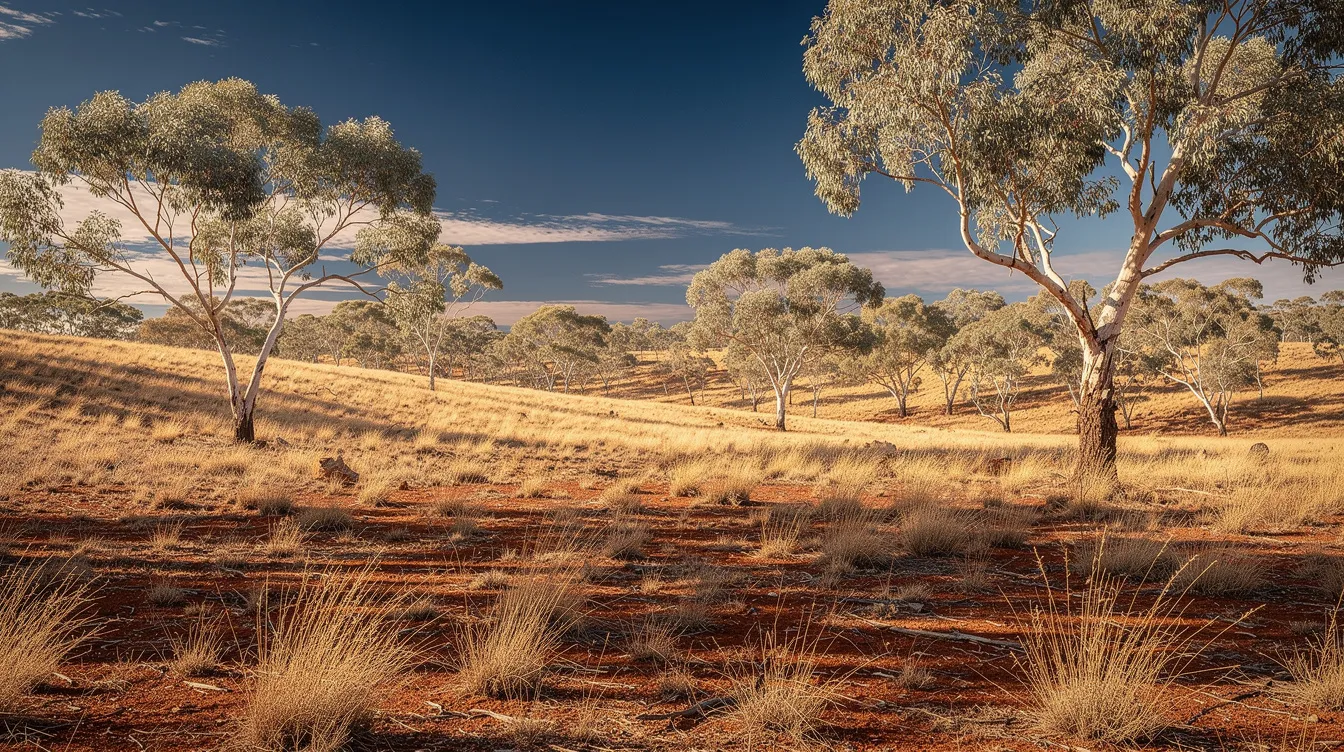
1. Sidney Nolan
Sidney Nolan (1917-1992) remains Australia’s most internationally recognized modern painter. Largely self-taught after brief studies at the National Gallery of Victoria, he drew inspiration from Picasso, Klee, and the Surrealists.
Why It Stands Out: Nolan revolutionized how Australians see their own folklore. His 27-painting Ned Kelly series (1946-1947) transformed a bushranger outlaw into a national icon. Those stark black armor silhouettes against fiery landscapes became instantly recognizable symbols of Australian identity.
Best For: Anyone wanting to understand Australian cultural identity through art. His work captures themes of rebellion, loss, and landscape that define the national psyche.
Key Strengths: Over 500 landscape works, retrospectives at London’s Royal Academy and the Stedelijk Museum in Amsterdam, and paintings in permanent collections worldwide.
Cultural Impact: Nolan made Kelly a cultural figure akin to Robin Hood. His influence on Australian identity and contemporary artists remains profound, though some critics note his romanticization of outlaw violence.
2. Arthur Streeton
Arthur Streeton (1867-1943) co-founded the Heidelberg School alongside Tom Roberts and Frederick McCubbin. This movement established the first distinctly Australian painting style.
Why It Stands Out: Streeton pioneered Australian Impressionism, adapting techniques from Monet and Whistler to capture what he called “the radiant light of Australian summer.” His plein air approach in the bush near Melbourne created a visual vocabulary that didn’t exist before. Streeton was known for his search for compelling scenes that captured the unique light and landscape of Australia, often exploring different locations to find inspiration.
Best For: Appreciating the landscape painting tradition that defines how Australians see their country. His golden paddocks and silvery gum trees remain iconic imagery, with a style rooted in the past, drawing on historical influences while forging a new national identity.
Key Strengths: Works like “Golden Summer, Eaglemont” (1889) and “Fire’s on” (1891) established landscape as Australia’s signature subject. His “The Railway Station, Redfern” fetched a record AUD 7.3 million.
Cultural Impact: Streeton’s vision helped forge national identity during the 1901 federation era. His influence extends to 20% of modern Australian landscapes. However, critics note his Eurocentric perspective overlooking Indigenous connections to land.
3. Brett Whiteley
Brett Whiteley (1939-1992) brought a bold, contemporary voice to Australian painters. His style fused Surrealism, calligraphy, and eroticism into something entirely his own.
Why It Stands Out: Whiteley remains the only artist to win the Archibald, Wynne, and Sulman prizes in a single year (1978). His Sydney Harbour paintings captured urban Australia with sinuous lines and luminous blues that no one had achieved before.
Best For: Understanding modern Australian art and its evolution from traditional landscapes to bold abstraction.
Key Strengths: “The Balcony 2” (1975), “The American Dream” (1968-1969) critiquing Vietnam War imperialism, and his iconic Opera House series. His preserved studio in Surry Hills, Sydney, holds over 500 works.
Cultural Impact: Whiteley bridged traditional landscape painting and contemporary psychedelia. His death at 53 from heroin addiction added a tragic dimension to his mythic status, highlighting both creative brilliance and personal struggle.
4. Emily Kame Kngwarreye
Emily Kame Kngwarreye (c.1910-1996) emerged as a global art star at age 77. This Anmatyerre elder from remote Utopia station in Northern Territory produced over 3,000 paintings in just eight years.
Why It Stands Out: Kngwarreye brought Indigenous Australian art to international prominence. Her dot paintings evolved from batik work into abstract explosions of color representing her Alhalkere country—yam plants, rock holes, and ancestral journeys. Aboriginal artists like Kngwarreye work across a wide range of media, from traditional bark painting to contemporary forms such as photography, video, and installation, using these diverse media to express cultural stories and identity.
Best For: Understanding Aboriginal Dreamtime stories and the contemporary expression of ancient spiritual traditions.
Key Strengths: “Big Yam Dreaming” (1995) sold for AUD 2.3 million, a record for an Indigenous female artist. Posthumous solo exhibitions at the Venice Biennale (1997) and Tate Modern cemented her legacy.
Cultural Impact: Kngwarreye elevated the Utopia women’s art collective to international prominence. Her work demonstrated that Indigenous abstract expression could command respect alongside any contemporary master. The Papunya painting movement, founded in 1971, was a pivotal moment in contemporary Aboriginal art, marking a shift towards community-based art practices.
5. Margaret Preston
Margaret Preston (1875-1963) pioneered Australian modernism with a distinctive focus on native flora. Her work adapted Post-Impressionism and Japanese ukiyo-e woodblock techniques to local subjects.
Why It Stands Out: Preston invented “Australian flower painting.” She rejected European subjects in favor of waratahs, banksias, and bottlebrush rendered in flat patterns and bold color blocks.
Best For: Appreciating how botanical subjects became vehicles for Australian modernist expression.
Key Strengths: Over 200 prints and oils in major collections, including works at the National Gallery of Australia. Renowned as a printmaker, Preston produced influential prints and editions that helped establish printmaking as a respected art form in Australia. Her still life paintings and printmaking techniques influenced generations of women artists through Sydney workshops.
Cultural Impact: Preston forged a distinct visual vocabulary post-WWI. She also advocated for integrating Indigenous motifs into Australian art, though later critics questioned whether this integration achieved genuine cultural reciprocity. Auction records exceed AUD 1.8 million.
6. Albert Namatjira
Albert Namatjira (1902-1959) became the first Aboriginal artist to achieve mainstream success and the first granted Australian citizenship in 1957—at a time when most Indigenous Australians were excluded.
Why It Stands Out: Namatjira blended European watercolor technique learned from painter Rex Battarbee with deep Arrernte knowledge of his country. His ghost gums and ochre gorges of the MacDonnell Ranges brought the outback into Australian homes.
Best For: Understanding how Indigenous and European art traditions can intersect while maintaining cultural integrity.
Key Strengths: Over 2,000 watercolors including commissions for Queen Elizabeth II (1954). Namatjira founded the Hermannsburg School, training 50+ Indigenous painters.
Cultural Impact: Namatjira shattered barriers, inspiring Indigenous agency and art communities across Australia. His tragic citizenship revocation in 1959 after sharing alcohol exposed discriminatory laws, making his story both triumph and tragedy.
Quick Comparison of Australia’s Most Famous Artists
|
Artist |
Best For |
Style |
Key Work |
|---|---|---|---|
|
Sidney Nolan |
Australian folklore and cultural identity |
Modernist/Surrealist |
Ned Kelly series |
|
Arthur Streeton |
Traditional landscape and Impressionism |
Heidelberg School |
Golden Summer, Eaglemont |
|
Brett Whiteley |
Contemporary urban Australian art |
Expressionist/Abstract |
The Balcony 2 |
|
Emily Kame Kngwarreye |
Authentic Indigenous Dreamtime art |
Contemporary Aboriginal |
Big Yam Dreaming |
|
Margaret Preston |
Modernist botanical subjects |
Post-Impressionist |
Native flower paintings |
|
Albert Namatjira |
Cross-cultural artistic bridging |
Watercolor landscapes |
Central Australian landscapes |
🎨 Explore Iconic Art Collections
Discover timeless artworks and premium wall art collections loved by collectors in the USA, Australia, and worldwide.
How to Choose Australian Art for Your Home
Choose Based on Your Style Preference
Traditional landscape lovers should consider Streeton or Namatjira works. Their muted earth tones suit lounges and living spaces beautifully.
Modern art enthusiasts will appreciate Whiteley or Preston pieces. Vibrant abstracts work well in open-plan spaces, while vertical portraits enhance hallways.
Cultural storytelling seekers connect with Nolan’s mythic figures or Kngwarreye’s ancestral narratives—statement pieces that spark conversation.
Choose Based on Room and Space
Large statement canvases (1.5x2m) demand walls over 2 meters and minimal competing decoration. Smaller intimate works suit bedrooms and reading corners.
Match color schemes to your interior—ochres and warm tones complement neutral spaces, while Whiteley’s blues cool down sun-drenched rooms. Landscape orientation typically suits long walls above sofas.
Choose Based on Cultural Connection
Purchasing Indigenous art supports cultural preservation. Look for authenticity certificates verifying provenance from certified art centers.
Consider what connects you to Australian heritage. Investment potential matters, but emotional resonance with a piece matters more for long-term satisfaction.
Which Australian Artist Is Best for You?
-
Choose Sidney Nolan if you want iconic Australian cultural storytelling with modernist edge
-
Choose Arthur Streeton if you prefer classic landscape impressionism and pioneer nostalgia
-
Choose Brett Whiteley if you want bold contemporary expression with erotic flair
-
Choose Emily Kame Kngwarreye if you seek authentic Indigenous spiritual abstraction
-
Choose Margaret Preston if you appreciate precise modernist botanical themes
-
Choose Albert Namatjira if you value cross-cultural harmony and historical significance
Where to See Australian Art
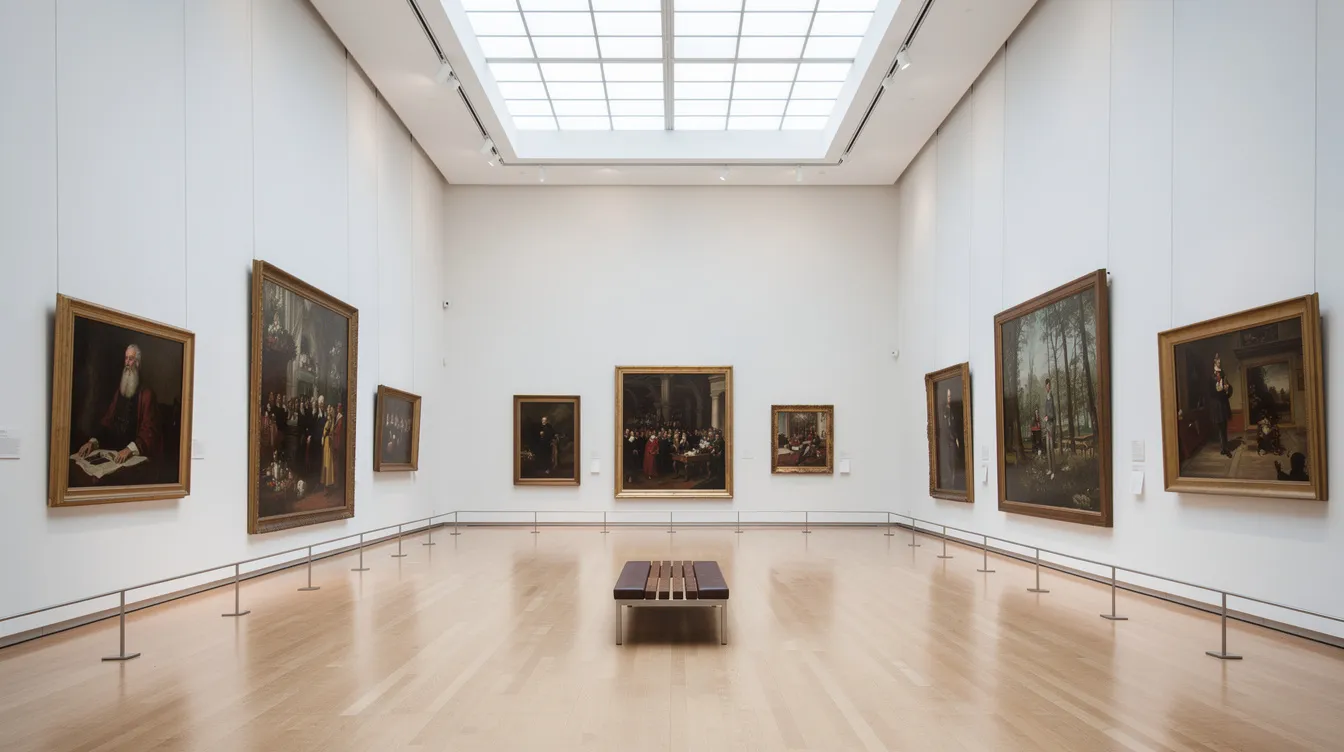
National Gallery of Australia (Canberra) – The most comprehensive collection with over 155,000 works spanning 20th and 21st century developments. Tom Roberts, born in Dorchester, England, is represented here, and his significant painting of the Australian Federal Parliament’s opening ceremony is displayed at Parliament House, Canberra. Essential for any serious art education.
National Gallery of Victoria (Melbourne) – Houses the premier Heidelberg School collection and significant Nolan series. Sidney Nolan, born in Carlton, Victoria, and other historical and contemporary Australian artists are featured in their exhibitions.
Art Gallery of New South Wales (Sydney) – Features the preserved Brett Whiteley Studio and showcases Archibald Prize winners annually. Brett Whiteley, born in Sydney, is among the artists whose works are held here. Strong holdings in contemporary and historical works.
State Galleries – Queensland Art Gallery in Brisbane holds significant Namatjira works. Albert Namatjira, born near Alice Springs, is a key figure represented. Regional galleries across Victoria and South Wales feature local landscapes and community collections.
Simryn Gill, born in Singapore in 1959, is known for her mindful collection of objects and for transforming the mundane into poetic art through sculpture and photography, with her works often featured in major Australian galleries. Jeffrey Smart, born in Adelaide in 1921, is famous for his geometric compositions of modern landscapes, finding beauty in industrialized environments, with notable works like The Cahill Expressway (1962) displayed in leading collections.
Aboriginal Art Centers – For authentic Indigenous artworks, visit community centers like Utopia Women’s Collaborative in Northern Territory, where artists work directly with their country and traditions.
While viewing artworks in person at these galleries offers a unique and immersive experience, images of these works—whether photographs or digital reproductions—play a crucial role in art appreciation and allow a wider audience to engage with the creations of famous artists of Australia.
FAQs About Famous Australian Artists
Who is the most famous Australian artist? Sidney Nolan typically tops lists due to his Ned Kelly series ubiquity and international recognition, though Brett Whiteley leads in Archibald Prize wins.
What is Australian art known for? Landscapes dominate—approximately 80% of pre-1950s output. Indigenous symbolism, bush scenes, and the “tyranny of distance” theme characterize much Australian work.
What makes Indigenous Australian art special? Its 65,000-year continuity makes it the world’s oldest living art tradition. Dreamtime imagery encodes survival knowledge, with only initiated viewers understanding full sacred meanings.
What are the most famous Australian paintings? Nolan’s “Ned Kelly” (1946), Streeton’s “Golden Summer,” Whiteley’s “The Balcony 2,” and Kngwarreye’s “Big Yam Dreaming” represent essential masterworks.
How did the Heidelberg School influence Australian art? Founded 1886-1900 near Melbourne, it established the first uniquely Australian painting style, influencing 20% of modern landscape work and forging national visual identity during federation. Notably, Tom Roberts, a key figure of the Heidelberg School, was born in Dorchester, England, before making significant contributions to Australian art.
What is the Ned Kelly series by Sidney Nolan about? The 27-painting series depicts the Irish-Australian bushranger’s 1878-1880 rebellion against colonial authority, using fragmented modernist views to mythologize Australian folklore.
How do I identify authentic Aboriginal art? Look for authenticity certificates from certified art centers. Check dot consistency and verify provenance through established galleries approved by organizations like the National Association of Visual Artists.
What is Australian Impressionism? An adaptation of French Impressionist loose brushwork to harsh Australian light, pioneered by Streeton and the Heidelberg School using plein air techniques in the bush.
Where can I buy authentic Australian art? Purchase from NGAL-approved dealers, major gallery gift shops, or directly from Aboriginal art centers for Indigenous works.
What should I look for when choosing Australian art? Consider emotional resonance first, then scale relative to your space, UV-protective framing for longevity, and premium gesso canvas for humidity resistance.
How has Australian art influenced global movements? Indigenous bark paintings inspired 1960s Op Art, while contemporary Aboriginal works now sell for AUD 50+ million annually at Basel Art Fair. Many famous artists of Australia traveled to Italy and Paris to study European art movements and gain inspiration, further influencing their style and international reach.
What role does landscape play in Australian art? Central—approximately 70% of motifs reflect what historians call the “tyranny of distance,” the vast isolation that defines Australian geography and psychology.
How do contemporary Australian artists differ from historical ones? Modern artists like video artist Tracey Moffatt use multimedia installations addressing climate change and reconciliation, while historical painters focused primarily on oils and performance art was nonexistent.
What is the significance of dot painting in Aboriginal art? Dots evolved from ceremonial body painting to veil sacred knowledge—layering allows initiated viewers to access deeper meanings while protecting Jukurrpa law from uninitiated eyes.
How do I care for and display Australian artworks? Hang away from direct sunlight, maintain stable humidity, and use UV-protective glass. Clean frames gently, and have valuable works professionally assessed every 5-10 years.
Final Thoughts
Australian art represents one of the world’s most fascinating cultural journeys—from 60,000-year-old rock paintings to bold contemporary multimedia works. The six artists profiled here each offer distinct windows into Australian identity.
The best famous artist of Australia for you depends entirely on what resonates with your personal taste. Whether you’re drawn to Nolan’s rebellious folklore, Streeton’s luminous landscapes, or Kngwarreye’s spiritual Dreamtime visions, there’s an Australian artwork waiting to connect with you.
Visit your nearest national gallery to experience these masterworks firsthand. The digital world can only capture so much—standing before a Whiteley harbour scene or Namatjira ghost gum reveals layers that photographs simply cannot convey.
Australian art continues evolving through new generation artists working in film, photography, installation, and drawing. The story is far from complete, and your discovery journey is just beginning.
Conclusion and Future of the Art Scene
Australian art stands as a testament to the country’s rich cultural tapestry and its ongoing spirit of innovation. From the pioneering days of the Heidelberg School—where Tom Roberts, Arthur Streeton, and Frederick McCubbin captured the unique light and landscapes of Australia—to the vibrant modern art movements that followed, the nation’s artistic journey has been one of constant evolution. These early masters laid the groundwork for a distinctly Australian style, immortalizing rural scenes, bustling street scenes, and the everyday beauty of life down under.
The influence of Australian Aboriginal artists has been transformative, infusing the art world with perspectives deeply rooted in country, tradition, and storytelling. Their works, whether in painting, sculpture, or installation, have enriched the national collection and inspired generations of artists to explore new ways of seeing and creating. Today, the legacy of these renowned creators is celebrated in major institutions like the National Gallery of Australia in Canberra, where visitors can experience the breadth and depth of Australian art—from historical masterpieces to cutting-edge contemporary works.
As the art scene continues to evolve, Australian artists are embracing a diverse array of media, including photography, drawing, video, and performance art. Figures like Grace Cossington Smith, known for her luminous still life and urban scenes, and Sidney Nolan, whose explorations of myth and landscape remain iconic, have paved the way for today’s innovators. Contemporary artists are pushing boundaries with installation and digital media, reflecting the dynamic, multicultural fabric of Australian society. The rise of social media and online platforms has further expanded the reach of Australian art, allowing artists from Sydney, Melbourne, and remote communities alike to share their visions with the world.
Looking ahead, the future of Australian art is bright and full of promise. A new generation of artists is emerging, drawing inspiration from both tradition and contemporary life, and continuing to redefine what it means to create in Australia. Whether through the bold experimentation of modern art, the immersive experiences of performance art, or the enduring power of painting and sculpture, Australian artists are making their mark on the global stage.
With the support of leading galleries, passionate educators, and engaged communities, Australia’s art scene will remain a vibrant force—celebrating beauty, diversity, and the ever-changing story of this remarkable country. As collectors, enthusiasts, and newcomers continue their search for meaning and inspiration, Australian art will undoubtedly offer new perspectives and enduring connections for generations to come.


