Aboriginal Art & Aboriginal Wall Art | Fame Art Gallery
Forest Folk Muse


Folk Flower Vase

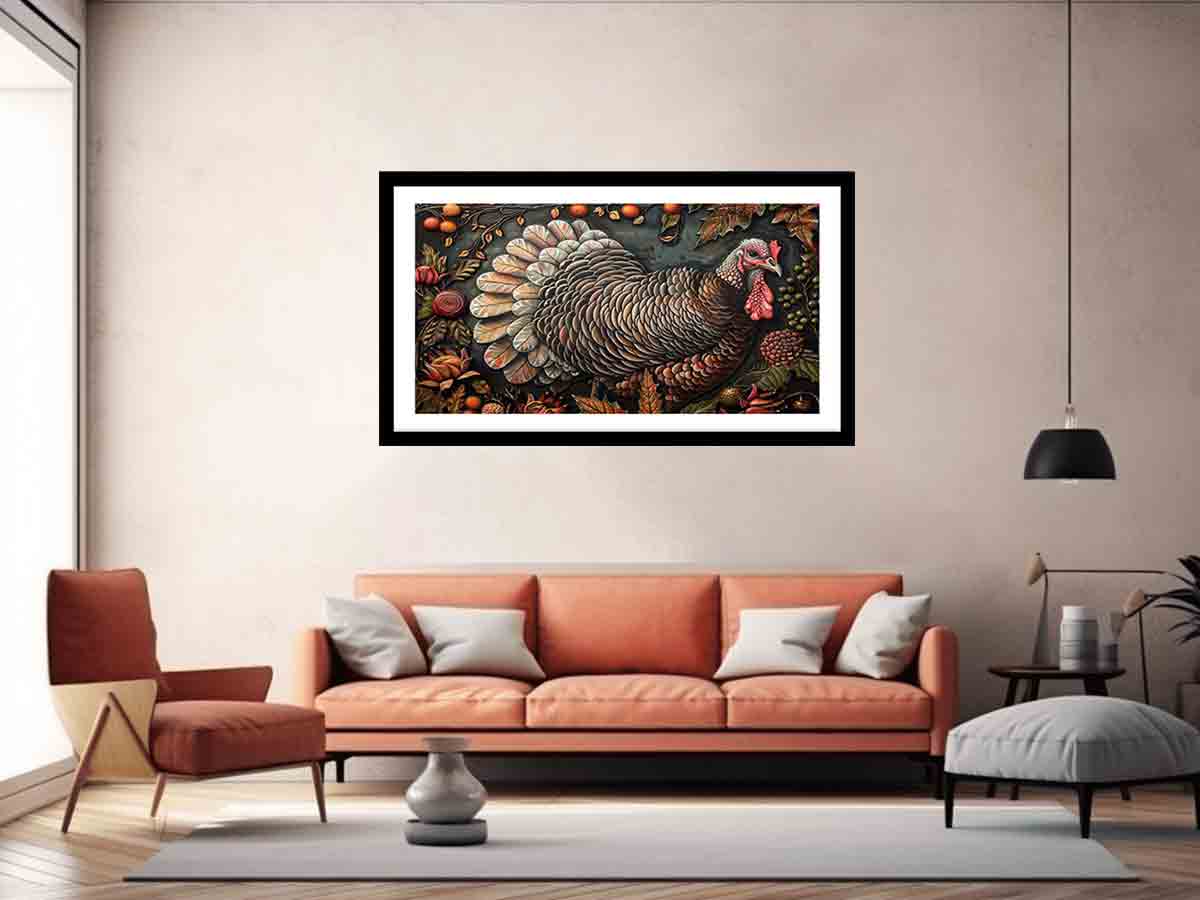
Heritage Turkey


Wonder Village


Royal Folk Sisters


Blue Folk Bloom


Desert Songlines


Radiant Folk Horizon


Woven Forest Spirit

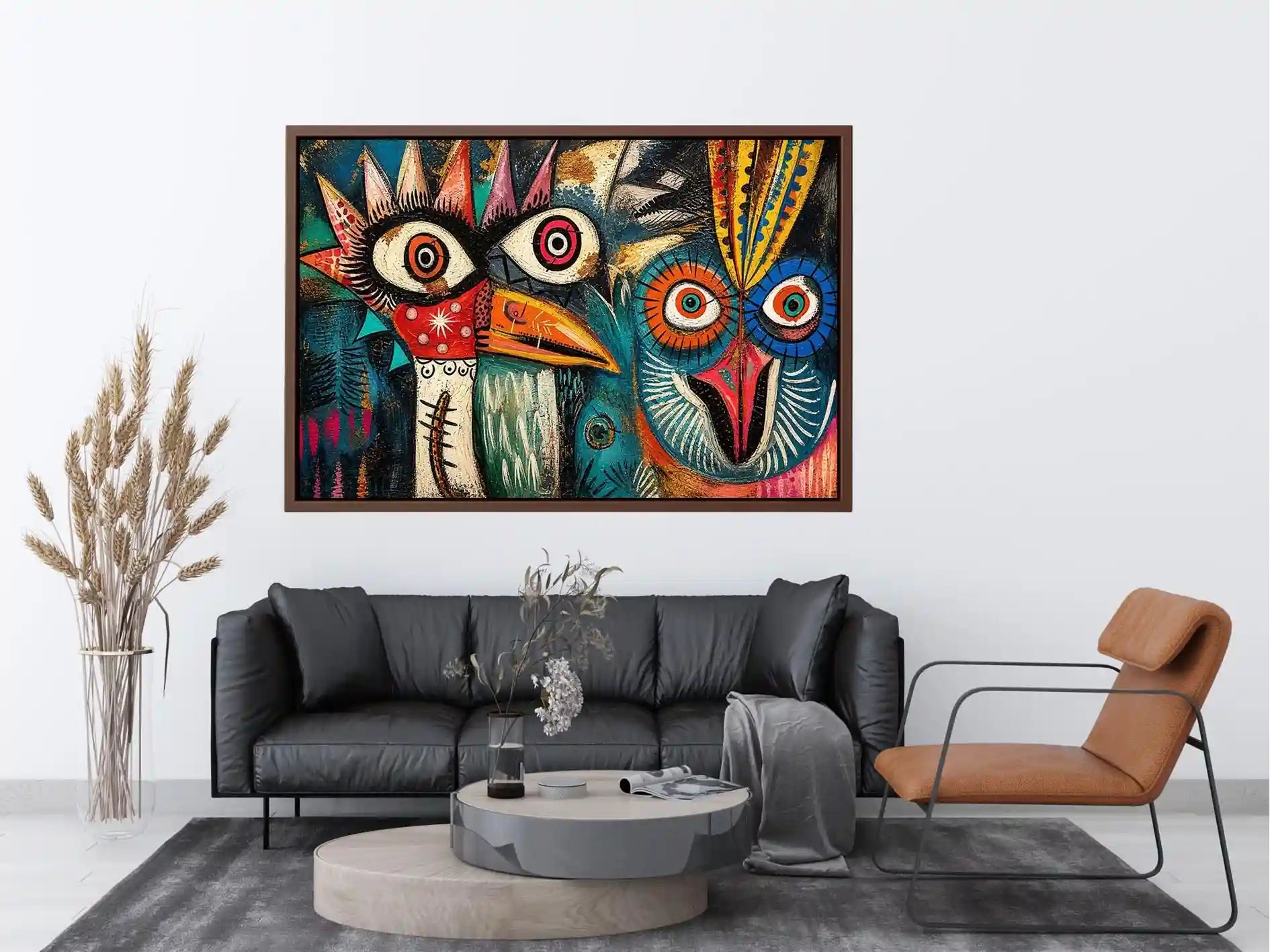
Echoes of Wild Vision

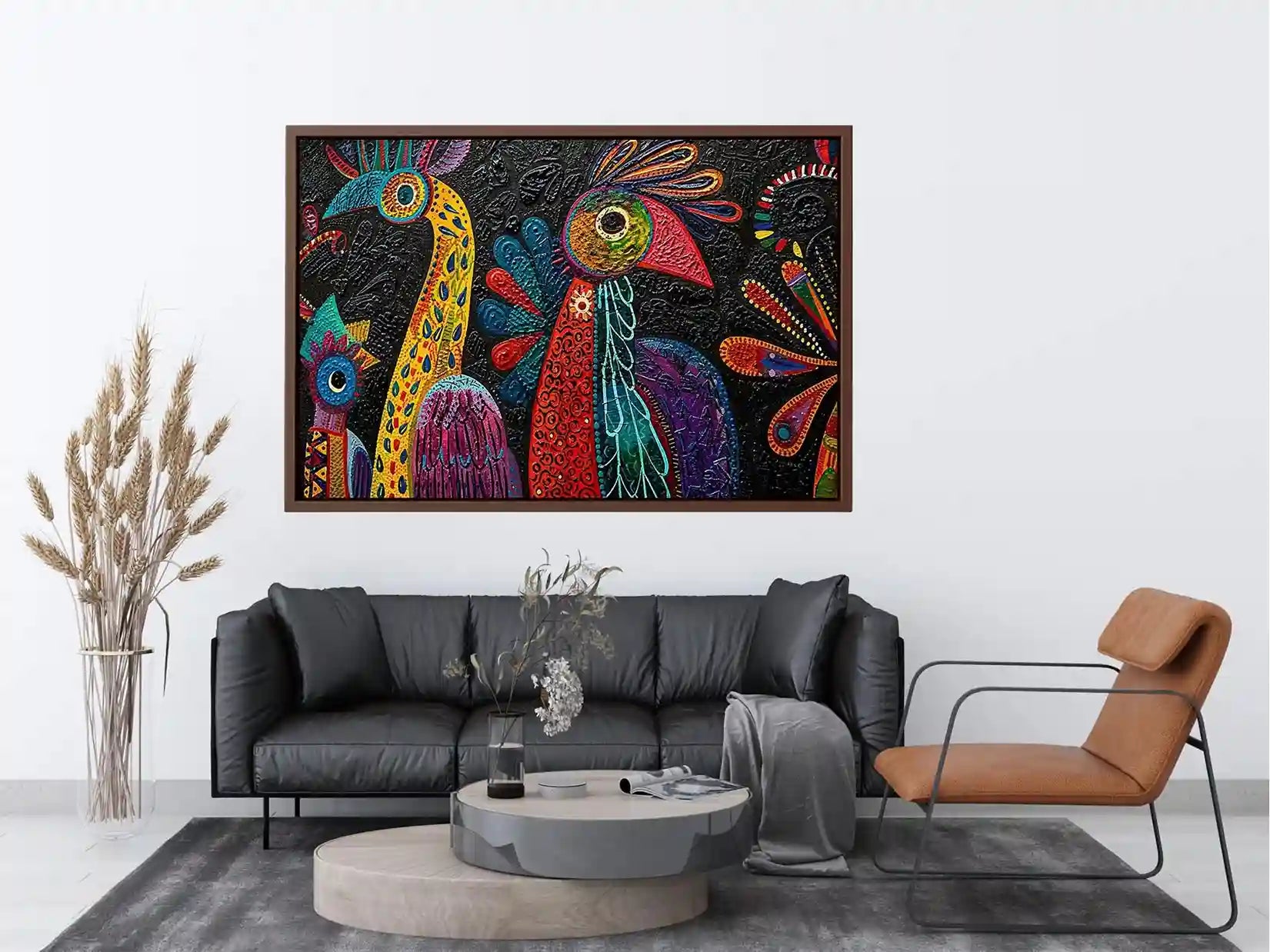
“Tribal Songbirds Symphony”

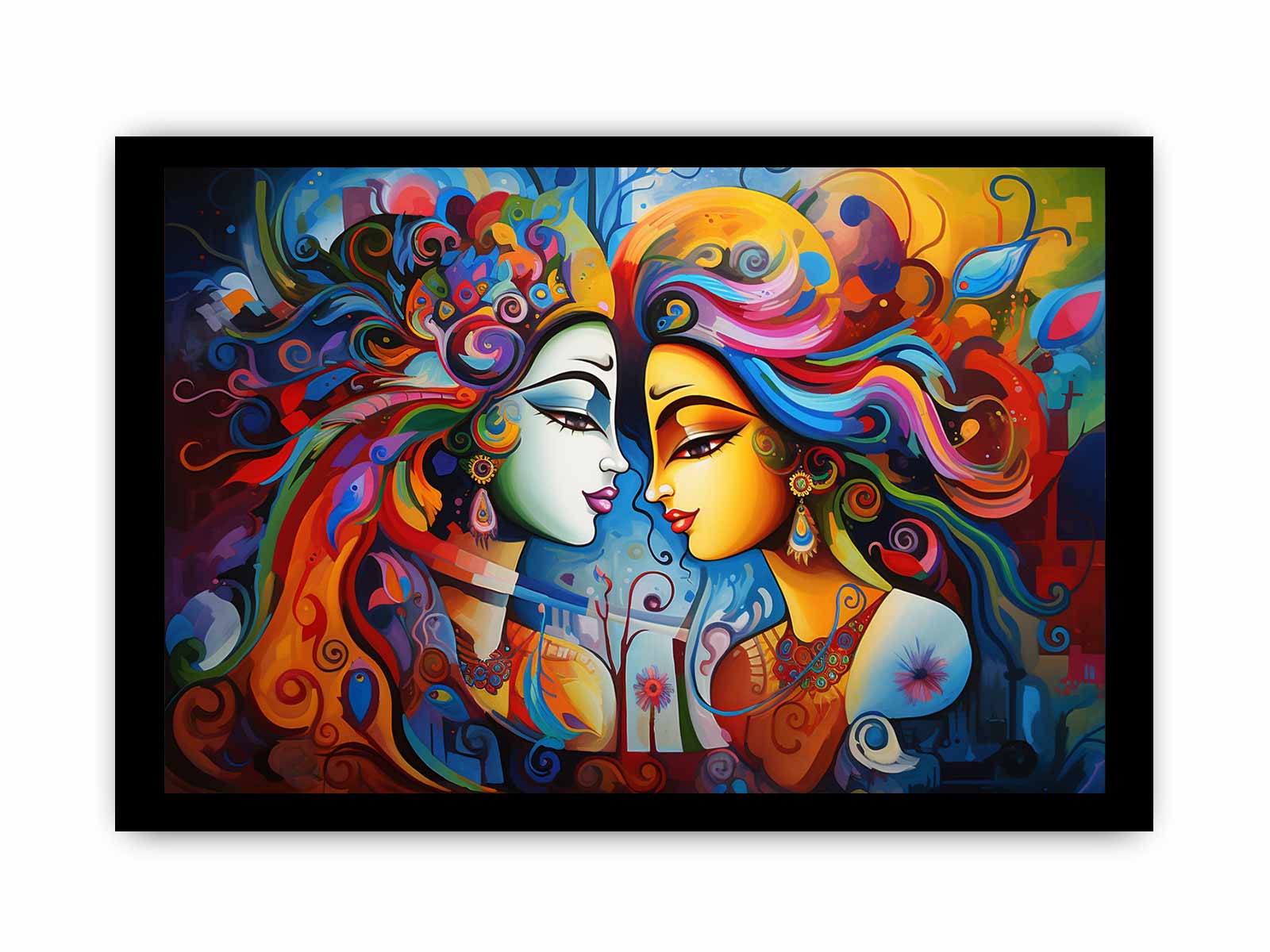
Raag of Love


Radiant Tide


Ocean Pulse


Spirit of the Sacred Dolphin


Celestial Dolphin Dreamscape


Indian Wedding Parade


Dots


Dotted Tree


Dotted Leaves


Seamless Blue

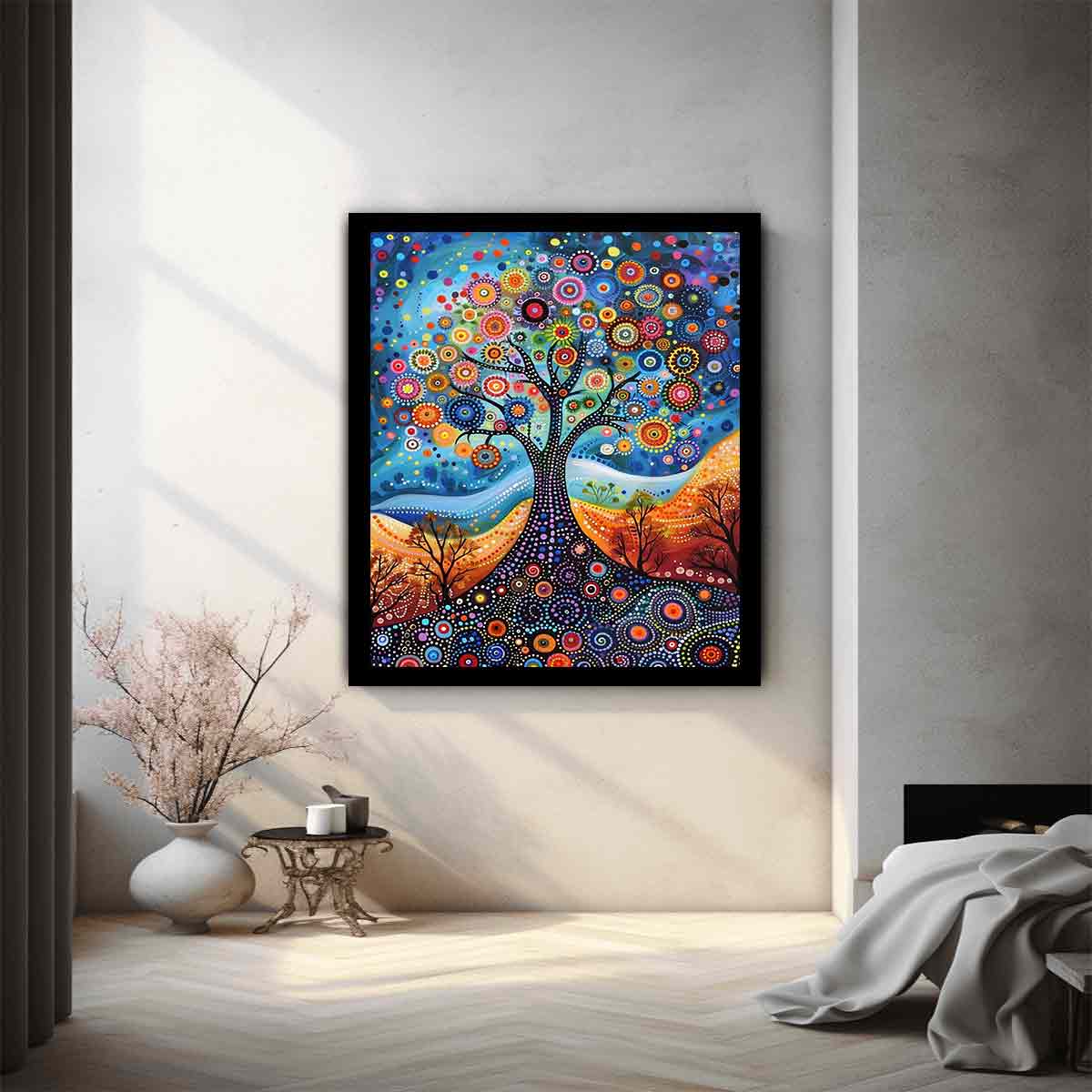
Dot Tree


Dot


Dot Art


Dot Art


Dot Art


Dot Art


Dot Art


Dot Art

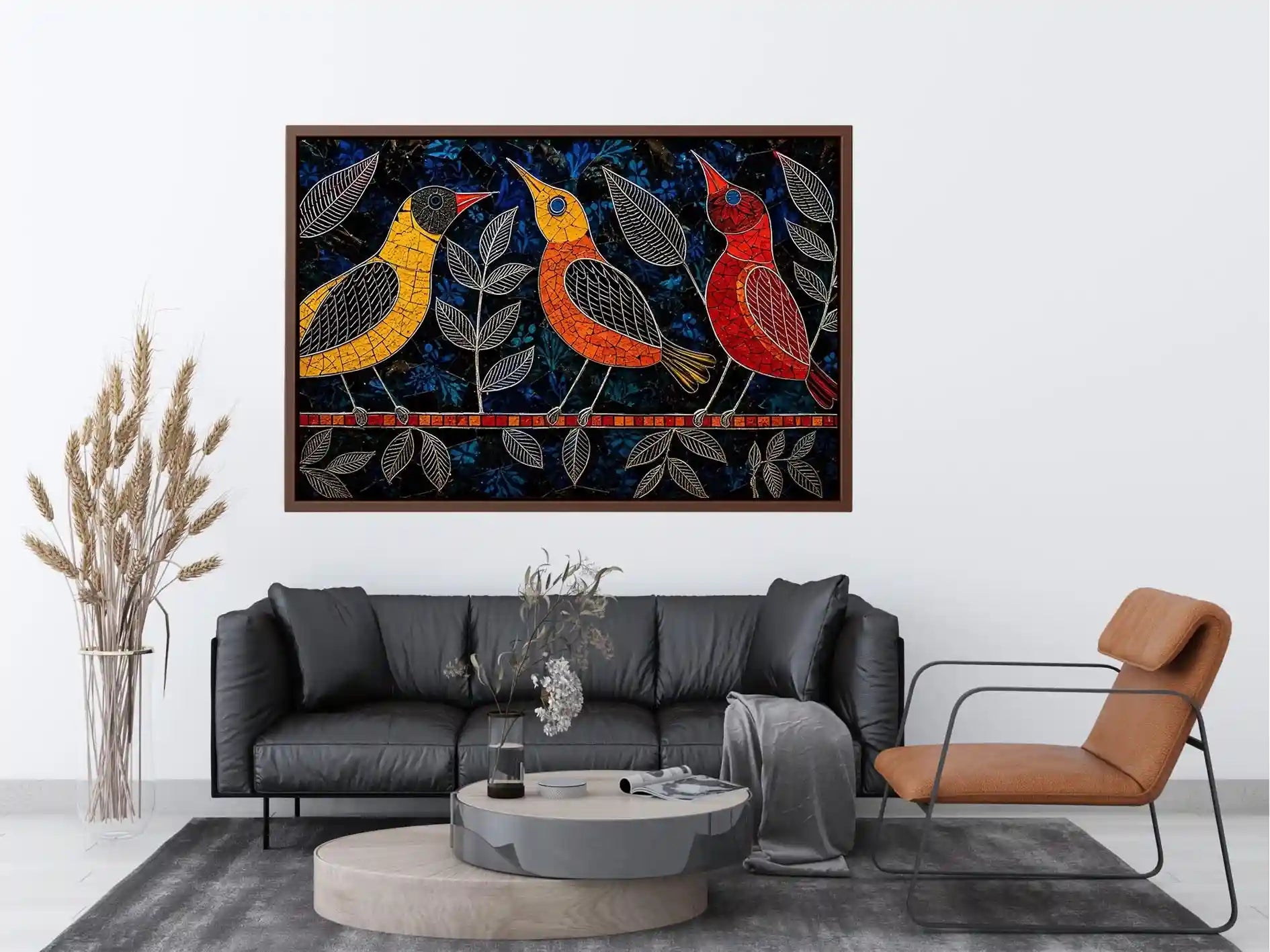
Midnight Mosaic Birds

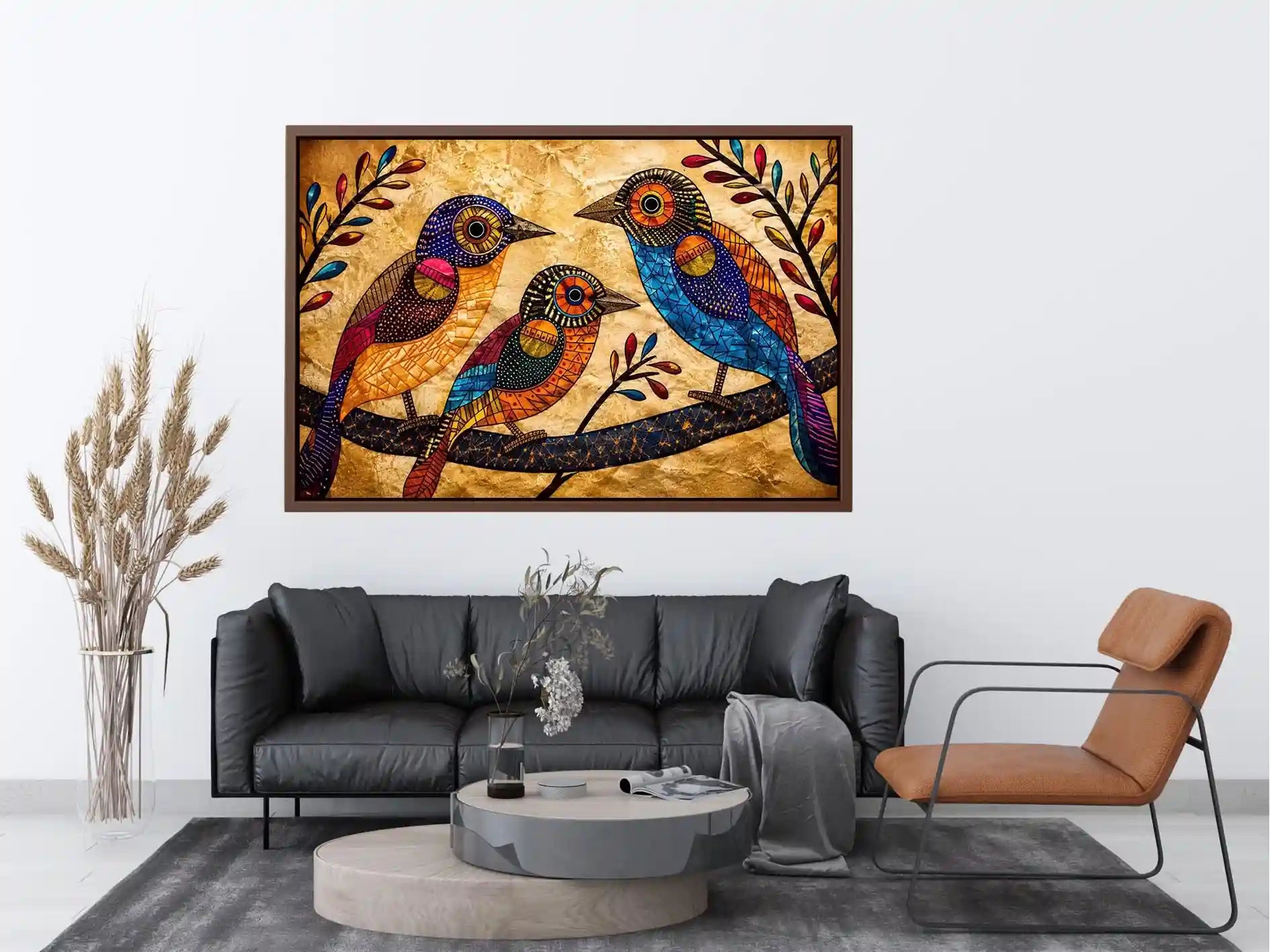
Harmony Birds Mosaic


Folk Birds Grove


Madhubani Garden Muse


Garden Folk Gathering


Echoes of Madhubani
Aboriginal Art & Aboriginal Wall Art
Explore Aboriginal Art and Aboriginal Wall Art at Fame Art Gallery, featuring artwork connected with Australian Aboriginal visual traditions, nature, Country, storytelling, cultural themes and contemporary artistic expression. Aboriginal Australian art encompasses many distinct cultures, communities, histories and artistic practices rather than one single style. Depending on the individual artwork, this category can include expressive patterns, organic forms, animals, landscapes, earthy palettes, contemporary compositions and distinctive decorative designs. Choose Aboriginal wall art for living rooms, bedrooms, offices, dining areas, entryways and other interiors where meaningful artwork can introduce color, pattern, texture and visual character.
What Is Aboriginal Art?
Aboriginal Art refers to the diverse artistic practices created by Aboriginal peoples of Australia. These practices include longstanding cultural traditions as well as contemporary Aboriginal art created using different materials, techniques and visual approaches.
There is no single Aboriginal art style. Aboriginal Australia contains many distinct cultural groups, languages, histories and artistic traditions. Artists work within different regional and cultural contexts, while contemporary Aboriginal artists may maintain cultural traditions while also developing new approaches and working with contemporary materials and ideas.
For this reason, individual Aboriginal artworks should be understood through their specific artist, community, subject, cultural context and available documentation rather than being reduced to one generalized visual style.
What Is Aboriginal Wall Art?
Aboriginal Wall Art describes artwork associated with Aboriginal Australian artists, cultural traditions or documented Aboriginal Australian themes and presented for display on walls.
Depending on the individual artwork, Aboriginal wall art can include natural subjects, animals, landscapes, expressive patterns, abstract compositions, contemporary interpretations and other visual approaches.
For interior design, these works can introduce organic movement, strong pattern, natural color relationships and distinctive visual texture.
Why Choose Aboriginal Wall Art?
- Distinctive visual character: Expressive patterns, organic forms and layered compositions can create a memorable wall feature.
- Connection to nature: Individual artworks may explore animals, landscapes, plants, waterways and relationships with Country.
- Strong pattern: Repeated marks and visual structures can add movement and depth.
- Natural color palettes: Earth-inspired tones can complement timber, stone and neutral interiors.
- Contemporary versatility: Aboriginal artists work across traditional and contemporary artistic approaches.
- Statement potential: Large artwork can become the principal focal point of a room.
- Cultural context: Individual works can provide opportunities to appreciate culture, place, identity and artistic expression.
Aboriginal Australian Art Is Diverse
One of the most important things to understand when exploring Aboriginal Art is that Aboriginal Australian art is not one uniform tradition.
Aboriginal Australia includes many distinct cultural groups, nations, languages and artistic practices. Artists work across different regions and communities, and contemporary Aboriginal art continues to evolve.
This diversity means that a visual characteristic associated with one region, community or artist should not automatically be presented as representative of every Aboriginal community.
Aboriginal Art and Country
Country is an important concept in many Aboriginal Australian cultural contexts. It can encompass relationships with land, waterways, sea, sky, people, family, culture, identity, law and spiritual connections.
Artists may express relationships with Country through landscapes, animals, plants, places, stories and other visual elements. The particular meaning depends on the artist and cultural context of the artwork.
When selecting Aboriginal wall art, consider the specific artwork and its documented context rather than assigning a generalized interpretation.
Aboriginal Art, Storytelling and Culture
Art can be an important way Aboriginal peoples communicate cultural knowledge, relationships, histories, identity and connections to place. Contemporary Aboriginal artists may continue these cultural conversations through painting and other visual media while also addressing contemporary ideas.
The cultural context of an individual artwork can therefore be an important part of understanding it. Visual appearance alone does not necessarily explain an artwork's cultural meaning.
Aboriginal Art Symbols and Meanings
Aboriginal Australian art is sometimes presented online through simplified symbol charts, but there is no universal dictionary in which every Aboriginal symbol has one fixed meaning.
Symbols can have regional, community-specific or personal meanings. The same visual form may have different significance depending on the artist and cultural context.
For accurate product descriptions, avoid assigning a specific cultural meaning unless that interpretation is documented for the particular artwork.
Aboriginal Dot Painting
Dot painting is an important visual approach associated with particular Aboriginal artists and regions, particularly within contemporary Aboriginal painting. However, not all Aboriginal artists use dots, and dot painting should never be treated as a universal Aboriginal art style.
If an artwork contains dots or repeated marks, consider the individual artist and cultural context rather than assuming that every dot carries the same meaning.
Aboriginal Art and Nature
Nature can be an important subject within Aboriginal Australian art. Depending on the artist and cultural context, artwork may engage with animals, plants, waterways, landscapes and other aspects of the natural environment.
Nature-oriented Aboriginal wall art can work particularly well with timber furniture, plants, stone surfaces, woven textiles and neutral interiors.
Aboriginal Art Color Palettes
Some Aboriginal artworks are associated with natural pigments and earthy colors such as ochre, red, brown, cream, black and white. Contemporary Aboriginal artists may also use highly vibrant or unconventional palettes.
There is therefore no single Aboriginal color palette. Select artwork according to its individual colors and how those colors relate to your interior.
Earth-Tone Aboriginal Art
Earth-inspired colors can create a warm, grounded appearance and coordinate naturally with timber, stone, woven materials and neutral furnishings.
Black and White Aboriginal Art
Black-and-white compositions can provide strong graphic contrast and work particularly well with modern, minimalist and monochromatic interiors.
Colorful Aboriginal Art
Vibrant artwork can become an energetic focal point against a neutral wall. Select one or two colors from the artwork to repeat subtly through the surrounding décor.
Aboriginal Art for Living Rooms
Living rooms provide an effective setting for Aboriginal artwork because larger walls allow expressive compositions to become a central decorative feature.
Place a large artwork above a sofa, console or principal seating area, taking the dimensions of the wall and furniture into account.
Explore Living Room Wall Art.
Aboriginal Art for Bedrooms
Aboriginal wall art can introduce organic pattern, natural subjects and visual texture into a bedroom. Choose a composition and color palette that complements bedding, rugs, furniture and the overall atmosphere you want to create.
Explore Bedroom Art.
Aboriginal Art for Dining Rooms
Dining rooms can provide an effective setting for artwork featuring organic patterns, natural subjects and expressive color relationships. Position artwork above a sideboard or on a prominent dining wall while considering the scale of the surrounding furniture.
Explore Dining Room Wall Art.
Aboriginal Art for Offices
Aboriginal wall art can introduce distinctive visual character into a home office. Contemporary compositions, natural subjects and expressive patterns can complement streamlined desks and modern furniture.
Explore Office Wall Art.
Aboriginal Art for Entryways and Hallways
An entryway can be an effective location for distinctive Aboriginal artwork because it contributes to the visual identity of the home as soon as visitors enter. Consider the wall width, viewing distance and nearby console or entry furniture.
Aboriginal Art for Modern Interiors
Modern interiors can provide a strong backdrop for Aboriginal artwork. Organic patterns and expressive compositions can create contrast against clean architectural lines and restrained furniture.
Explore Modern Art.
Aboriginal Art for Contemporary Interiors
Contemporary interiors can combine Aboriginal artwork with modern furniture, natural textures and neutral walls. The contrast between organic visual elements and structured interiors can create a distinctive decorative relationship.
Explore Contemporary Wall Art.
Aboriginal Art for Neutral Interiors
Neutral interiors provide a flexible backdrop for Aboriginal artwork. Earthy, monochromatic and colorful compositions can work against cream, beige, white, gray and natural-toned walls.
Use selected artwork colors as subtle accents elsewhere in the room instead of attempting to reproduce every color in the artwork.
Large Aboriginal Wall Art
Large Aboriginal wall art can become the main focal point across a broad wall. Before purchasing, compare the artwork's complete dimensions with the furniture beneath it and the surrounding wall area.
Large artwork generally benefits from sufficient surrounding space so the composition remains visually clear.
Read Large Wall Art Ideas.
Small Aboriginal Wall Art
Smaller Aboriginal artwork can work well in bedrooms, offices, entryways and compact rooms. It can also become part of a carefully planned gallery wall.
Read Small Wall Art Ideas.
How to Choose Aboriginal Wall Art
- Choose the room: Decide where the artwork will be displayed.
- Measure the wall: Record the available width and height.
- Consider furniture: Compare the artwork with sofas, beds, consoles, desks and sideboards.
- Review the visual character: Consider organic, patterned, natural, abstract or contemporary compositions.
- Review the colors: Decide whether the artwork should blend with or contrast against your interior.
- Consider scale: Select artwork appropriate for the wall and viewing distance.
- Choose presentation: Compare canvas and framed options according to the room.
- Read artwork information: Review the artist, subject and available cultural context rather than assuming meanings.
- Check authenticity claims: If an artwork is represented as authentic Aboriginal art or as created by an Aboriginal artist, look for appropriate artist and provenance information.
Authenticity Matters When Buying Aboriginal Art
Authenticity is particularly important when purchasing artwork represented as Aboriginal Australian art. Aboriginal art is connected to living cultures, and the commercial imitation or misrepresentation of Aboriginal visual traditions can raise important cultural and ethical concerns.
If authenticity or Aboriginal authorship is claimed for a specific artwork, shoppers should look for clear information about the artist, cultural background and provenance where available.
Artwork should not be described as authentic Aboriginal art simply because it contains dots, earthy colors, animals, circles or other characteristics commonly associated with Aboriginal Australian art.
Aboriginal Art vs. Aboriginal-Inspired Art
Aboriginal Art and Aboriginal-inspired art are not necessarily the same thing.
Aboriginal Art may refer to work created by Aboriginal artists within Aboriginal cultural and artistic contexts. Aboriginal-inspired art may be created by someone else while drawing on visual characteristics associated with Aboriginal Australian art.
This distinction matters for accurate product descriptions and responsible purchasing. Visual appearance alone does not establish Aboriginal authorship or cultural authenticity.
How to Buy Aboriginal Art Responsibly
When authenticity is important, look for specific information about the artist and artwork rather than relying solely on visual style. Artist names, community or cultural information, provenance and sourcing details can provide useful context when they are available.
Where an artwork is represented as authentic Aboriginal art, buyers can reasonably look for information identifying the artist and, where applicable, their community or nation, as well as information about sourcing and provenance.
Responsible purchasing also means avoiding generalized assumptions about Aboriginal cultures. Aboriginal Australia includes many distinct communities, so the cultural context of an individual artwork matters.
Canvas Aboriginal Wall Art
Canvas provides a versatile presentation for artwork featuring organic patterns, natural subjects, abstract forms and expressive compositions. It can work across contemporary and modern interiors.
Explore Canvas Prints.
Framed Aboriginal Wall Art
Framing can provide a more structured presentation and coordinate artwork with sophisticated interiors. Consider the frame, wall color and surrounding furniture when choosing the final presentation.
Explore Framed Prints.
How to Style Aboriginal Wall Art
Use Natural Materials
Timber, stone, woven textiles and natural-toned furnishings can complement artwork with organic forms and earthy colors.
Control Competing Patterns
If the artwork contains intricate patterns, use simpler textiles and accessories nearby so the artwork remains the primary visual feature.
Repeat Selected Colors
Choose one or two colors from the artwork and repeat them subtly through cushions, rugs, ceramics or accessories.
Allow Negative Space
Detailed artwork can benefit from sufficient surrounding wall space. Avoid crowding the composition with unrelated decorative pieces.
Match Artwork With Furniture
Consider the relationship between the artwork and furniture beneath it. Read How to Match Art With Furniture for additional guidance.
Aboriginal Art as a Statement Piece
A large Aboriginal artwork can become the central visual feature of a room. When using artwork as a statement piece, allow the composition to lead the room's visual hierarchy instead of surrounding it with excessive competing decoration.
Aboriginal Art in a Gallery Wall
Aboriginal artwork can potentially be incorporated into a gallery wall when surrounding pieces have a compatible relationship in terms of color, scale, subject and presentation.
Read the Gallery Wall Guide.
Aboriginal Art for Interior Designers
For interior design projects, Aboriginal artwork can introduce distinctive pattern, color, organic form and cultural context. Designers should accurately represent the cultural and artistic provenance of individual works rather than applying generalized descriptions.
Consider the artwork's documented artist information, cultural context, scale, lighting and placement before specifying it for a project.
Explore Interior Design With Art.
How to Choose the Right Size Aboriginal Wall Art
- Measure the wall where the artwork will hang.
- Measure the furniture below the artwork.
- Consider the complete artwork dimensions.
- Consider normal viewing distance.
- Allow sufficient surrounding negative space.
- Choose a scale that creates balance without overwhelming the room.
Read the Wall Art Size Guide.
Aboriginal Art Buying Checklist
- Choose the room and wall location.
- Measure the available wall space.
- Compare artwork dimensions with nearby furniture.
- Review the artwork's colors and visual density.
- Choose an appropriate presentation format.
- Read the specific artwork description carefully.
- Do not assume that every Aboriginal artwork uses the same symbols or meanings.
- If authenticity is claimed, look for artist and provenance information.
- Consider ethical sourcing where relevant.
- Choose artwork that genuinely suits the visual character of your room.
Helpful Wall Art Guides
- Ultimate Wall Art Guide
- How to Choose Wall Art
- Types of Wall Art
- Wall Art Size Guide
- Wall Art Placement Guide
- How to Match Art With Furniture
- Interior Design With Art
- Gallery Wall Guide
Related Fame Art Gallery Collections
Explore complementary artwork through Contemporary Wall Art, Modern Art, Abstract Art, Canvas Prints and Framed Prints.
Why Choose Fame Art Gallery?
Fame Art Gallery offers artwork across a broad range of subjects, artistic styles, room applications and presentation formats. Individual product pages provide artwork and presentation details so shoppers can compare pieces before selecting wall art for their space.
Fame Art Gallery offers museum-quality art printed and framed in the USA, premium materials and finishes, free U.S. shipping, artwork support and secure checkout.
Frequently Asked Questions About Aboriginal Art
What is Aboriginal Art?
Aboriginal Art refers to the diverse artistic practices created by Aboriginal peoples of Australia. It includes longstanding cultural traditions as well as contemporary Aboriginal art created across many different media and artistic approaches.
Is Aboriginal Art one single style?
No. Aboriginal Australia includes many distinct cultural groups, languages, histories and artistic traditions. Contemporary Aboriginal artists also work across a wide range of visual styles and media.
What is Aboriginal Wall Art?
Aboriginal Wall Art refers to artwork associated with Aboriginal Australian artists, artistic traditions or documented Aboriginal Australian themes and presented for display on walls. Individual artworks should be understood according to their specific context.
What colors are used in Aboriginal Art?
Some Aboriginal artwork uses earthy colors such as ochre, red, brown, cream, black and white, while contemporary artists may use bright and unconventional colors. There is no universal Aboriginal color palette.
Does all Aboriginal Art use dots?
No. Dot painting is associated with particular Aboriginal artists and regions, but Aboriginal Australian art encompasses many other techniques, subjects and visual approaches.
What do dots mean in Aboriginal Art?
Dots do not have one universal meaning. Their significance can depend on the artist, community, region and cultural context of the artwork.
What is Country in Aboriginal Art?
Country can describe interconnected relationships involving land, sea, sky, people, ancestors, culture, knowledge and responsibilities. Its specific meaning varies across Aboriginal cultures and contexts.
Is Aboriginal Art contemporary?
Yes. Aboriginal artists continue to create contemporary artwork using modern materials, concepts and techniques while also maintaining connections with cultural traditions.
Is Aboriginal Art suitable for modern interiors?
Yes. Organic forms, expressive patterns and distinctive color relationships can create an effective contrast against clean-lined modern furniture and architecture.
Can Aboriginal Art work in a living room?
Yes. Aboriginal wall art can create a focal point above a sofa, console or broad living room wall. Choose dimensions according to the furniture and available wall space.
Can Aboriginal Art work in a bedroom?
Yes. Aboriginal artwork can add organic pattern and visual character to a bedroom. Select colors and visual density that suit the atmosphere you want to create.
Can Aboriginal Art work in an office?
Yes. Aboriginal artwork can provide a distinctive visual feature in a home office. Abstract and nature-oriented compositions can complement streamlined furniture.
How do I choose Aboriginal Wall Art?
Start with wall dimensions, furniture scale and room colors. Then consider the artwork's subject, composition, presentation and available artist or cultural information.
How should I style Aboriginal Wall Art?
Use the artwork as the visual anchor, repeat selected colors elsewhere in the room and avoid excessive competing patterns. Natural materials can complement organic compositions.
Should Aboriginal Art be framed?
Framing is a presentation choice. A frame can create a more structured appearance, while canvas can provide a flexible contemporary presentation. Choose according to the artwork and interior.
Can Aboriginal Art be used in a gallery wall?
Yes. It can be incorporated into a gallery wall when surrounding artwork has compatible colors, scale, subjects and presentation. Give the artwork enough space to remain visually distinct.
How large should Aboriginal Wall Art be?
The appropriate size depends on the wall, furniture and viewing distance. Measure the available area and compare the artwork with the furniture beneath it before selecting a size.
Is all Aboriginal-style art authentic Aboriginal Art?
No. Artwork that resembles Aboriginal Australian visual styles is not necessarily created by an Aboriginal artist. Authenticity and provenance should be verified rather than assumed from appearance.
How can I buy Aboriginal Art responsibly?
Look for clear artist information and provenance where authenticity is claimed. Consider how the artwork was sourced and whether the artist's cultural and intellectual property is being appropriately respected.
Why is authenticity important when buying Aboriginal Art?
Authenticity matters because Aboriginal Australian art is connected to living cultures. Accurate authorship, cultural context and provenance help distinguish genuine cultural production from visual imitation.
Can Aboriginal Art have different meanings?
Yes. Meaning can depend on the artist, community, region and cultural context. A symbol or visual element should not automatically be assigned one universal interpretation.
Is Aboriginal Art only traditional art?
No. Aboriginal artists create both works connected with cultural traditions and contemporary artwork using modern materials, ideas and artistic approaches.
What is the difference between Aboriginal Art and Aboriginal-inspired art?
Aboriginal Art can refer to work created by Aboriginal artists within Aboriginal cultural contexts. Aboriginal-inspired art may be created by others using visual characteristics associated with Aboriginal Australian art and should not automatically be presented as authentic Aboriginal artwork.
Can Aboriginal Art be used as a statement piece?
Yes. A large or visually distinctive Aboriginal artwork can become the central focal point of a room. Allow surrounding wall space and keep competing decoration relatively restrained.
Can Aboriginal Art work with neutral furniture?
Yes. Neutral furniture can provide a restrained backdrop that allows the artwork's patterns, natural forms and colors to become more prominent.
Can Aboriginal Art work with natural interior styles?
Yes. Artwork featuring organic forms and natural color relationships can complement timber, stone, woven textiles, plants and other natural materials.
How should I choose a frame for Aboriginal Wall Art?
Consider the artwork's colors, wall color and surrounding furniture. A restrained frame can allow detailed artwork to remain the focal point, while a stronger frame can create a more defined presentation.
Why is provenance important for Aboriginal Art?
Provenance can help establish information about where an artwork came from, who created it and how it entered the market. When authenticity is claimed, artist and sourcing information can help buyers make more informed and responsible decisions.
Should I assume an Aboriginal symbol has one fixed meaning?
No. Symbols can have regional, personal or community-specific meanings, and some visual elements can carry multiple meanings. The meaning of an individual artwork should be understood from its specific cultural and artistic context.
Is Aboriginal Art still evolving today?
Yes. Aboriginal art is a living and evolving field. Artists continue to maintain cultural knowledge and traditions while developing contemporary artistic practices and responding to current experiences.
Shop Aboriginal Art at Fame Art Gallery
Explore Aboriginal Art and Aboriginal Wall Art at Fame Art Gallery for distinctive artwork featuring expressive patterns, organic forms, natural subjects and contemporary visual character. Compare each artwork by its specific subject, dimensions, presentation and available artist information.
When authenticity or Aboriginal authorship is represented, consider the available provenance and artist information carefully. Aboriginal Australian art encompasses diverse living cultures, so choosing artwork responsibly means appreciating both its visual qualities and the cultural context in which it was created.