
Interior Paintings & Interior Wall Art | Home Decor Art | Fame Art Gallery

Alexander the Great in the Temple of Jerusalem by Sebastiano Conca


A Forester at Home by Ludwig Knaus


Pomegranate


Midnight Peacock Garden


Retro Palms


Summer Umbrella Escape


Surfside Nostalgia


Picnic Scarf Cats


Star Bandana Cats


Lightning Hero Rush


Crimson Summit

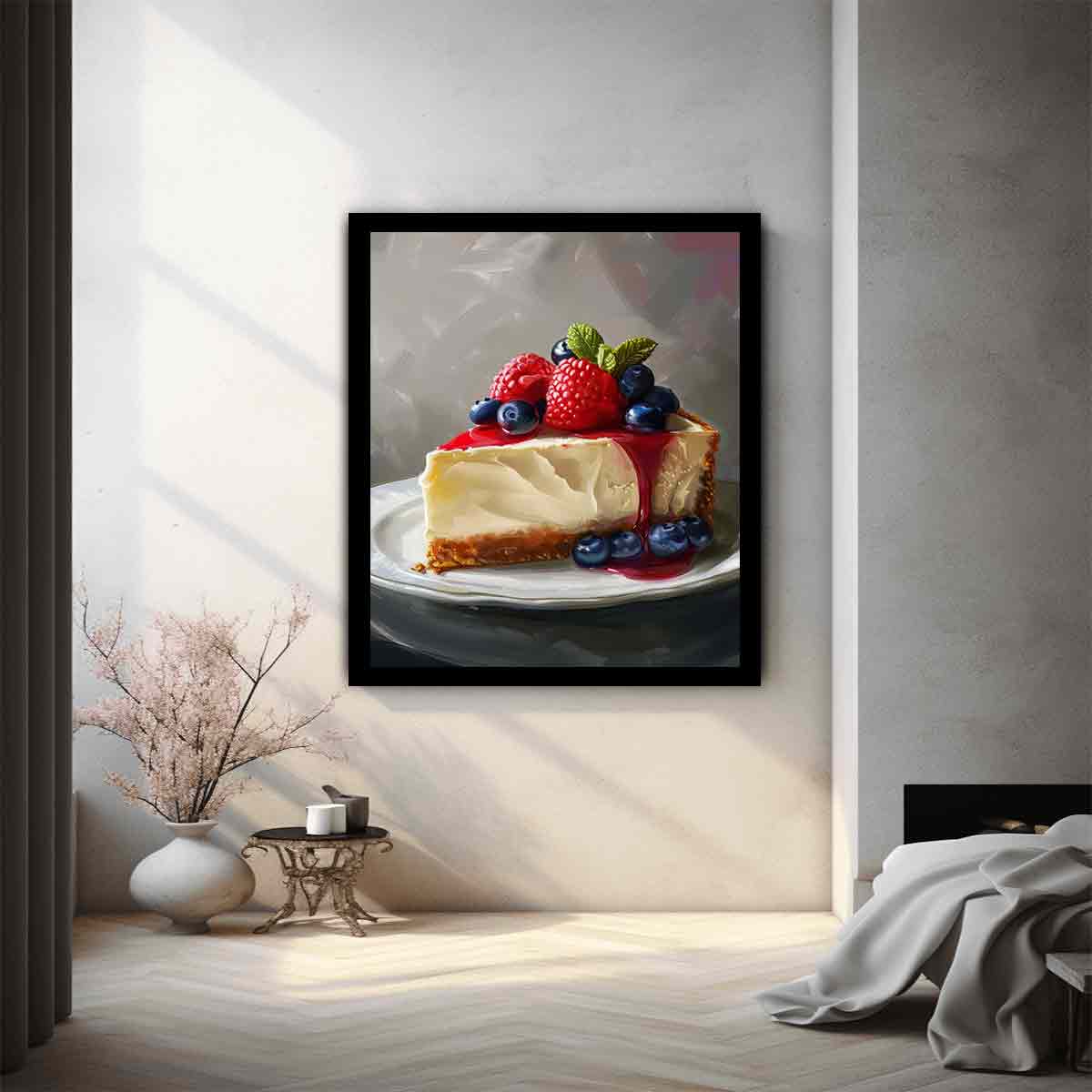
Cream Berry Slice


Garden Daydream


Seaside Garden Path


Hydrangea Shore Cottage


Happy Tails


Curious Quartet


Sweet Ginger Whiskers


Neon Saxophone Night


Golden Kangaroo


Tulip Harmony


Midnight Familiar


Aqua Balance


Coastal Serenity


Soft City Reflections


Structured Blue Drift


Moonlit Cottage


Pastel Winged Grace


Urban Signal


Birch Color Whispers


Ravens in Amber Woods


Harvest Wine Table


Cellar Window Still Life


Sunlit Shore Walk


Gentle Grace


Sacred Embrace


Quiet Stone Reflection


Cherry Moon Palace


Venetian Reflection


Italian Courtyard
Interior Paintings & Interior Wall Art
Transform an empty wall into a considered focal point with Interior Paintings from Fame Art Gallery. This collection brings together artwork selected for its ability to complement residential and decorative interiors, including abstract compositions, landscapes, florals, architectural scenes, portraits and other visually distinctive subjects. Interior Wall Art can add color, texture, atmosphere and personality while helping connect artwork with furniture, lighting, textiles and the overall character of a room. Whether you are furnishing a living room, bedroom, dining area, office, entryway or another interior space, choose artwork according to the room's proportions, existing color palette, furniture style, viewing distance and desired mood. From contemporary statement pieces to classic-inspired compositions and understated neutral artwork, the right painting can help define how a room feels and functions visually.
What Are Interior Paintings?
Interior Paintings are paintings and decorative artworks chosen for display within interior spaces. The category is defined primarily by its decorative and spatial purpose rather than one particular artistic subject or movement.
Interior artwork can include landscapes, abstract art, floral compositions, portraits, architecture, nature scenes, geometric designs and many other subjects. The most suitable piece depends on the room, available wall space, furniture, colors and visual atmosphere you want to create.
Why Choose Interior Wall Art?
- Defines a focal point: A carefully positioned painting can give an otherwise empty wall a clear visual center.
- Adds personality: Artwork provides an opportunity to express taste, interests and decorative character.
- Connects room elements: Colors and forms in artwork can visually relate furniture, rugs, curtains and accessories.
- Creates atmosphere: Subject matter, color and composition can influence the visual mood of a room.
- Works across décor styles: Interior artwork can complement modern, contemporary, classic, minimalist, eclectic and traditional spaces.
- Provides visual balance: The right scale and placement can help balance furniture and architectural features.
Types of Interior Paintings
Abstract Interior Paintings
Abstract artwork uses shapes, lines, colors, textures and compositions rather than relying on straightforward representation. It can be particularly versatile when you want artwork that complements a room without introducing a highly specific narrative subject.
Explore Abstract Art for a broad selection of abstract compositions.
Landscape Interior Paintings
Landscape paintings can introduce mountains, forests, fields, coastlines, oceans and other outdoor environments into an interior. Scenic artwork can create visual depth while connecting a room with nature.
Explore Landscape Wall Art for scenic artwork.
Floral Interior Paintings
Flower and botanical artwork can introduce natural forms and color into living spaces. Floral paintings can range from detailed traditional compositions to contemporary and abstract interpretations.
Explore Floral Wall Art for flower-focused artwork.
Nature-Inspired Interior Art
Nature-inspired artwork can include forests, mountains, flowers, wildlife, trees and other natural subjects. These pieces can help introduce organic imagery into rooms with natural materials and neutral furnishings.
Explore Forest Art and Wildlife Art for related subjects.
Architectural Interior Paintings
Architecture-focused artwork can depict buildings, streets, structures and architectural details. These paintings can work especially well in interiors where clean lines and structural forms are important design elements.
Explore Architecture Wall Art for related artwork.
Portrait Interior Art
Portraits can add a strong human element to an interior. Depending on the composition and artistic style, portrait artwork can create a classic, dramatic, contemporary or expressive focal point.
Explore Portrait Art for broader portraiture.
Geometric Interior Art
Geometric artwork can introduce structured lines, shapes, repetition and symmetry. It can complement interiors with modern architectural details and clean-lined furnishings.
Explore Geometric Art for related compositions.
Interior Paintings by Room
Living Room Interior Paintings
The living room is often one of the most visible areas of a home, making it a natural location for a statement painting. Large landscapes, abstract compositions, florals, portraits and architectural artwork can all create different focal points.
For room-specific inspiration, explore Living Room Wall Art.
Bedroom Interior Paintings
Bedroom artwork can influence the visual atmosphere around the bed and other furnishings. Consider landscapes, florals, abstract compositions and quieter color palettes when you want a more restrained appearance.
Explore Bedroom Art for bedroom-focused artwork.
Dining Room Interior Paintings
Artwork can add visual interest to dining rooms and help define a wall near the dining table, sideboard or other furniture. Floral, still life, landscape and architectural compositions can all work depending on the room's style.
Explore Dining Room Wall Art for additional ideas.
Kitchen Interior Paintings
For kitchens, consider artwork that relates naturally to the room's colors, materials and function. Food, botanical, floral, still life and decorative compositions can provide appropriate visual themes.
Explore Kitchen Wall Art for related artwork.
Office Interior Paintings
Artwork can give an office or study a more distinctive visual character. Abstract, geometric, architectural, landscape and contemporary artwork can work with a range of professional interiors.
Explore Office Wall Art for additional options.
Bathroom Interior Art
Bathrooms can benefit from artwork that works with the room's palette and available wall dimensions. Ocean, beach, botanical, abstract and other visually appropriate subjects can complement bathroom interiors.
Explore Bathroom Wall Art for bathroom-specific artwork.
Interior Paintings by Décor Style
Modern Interior Art
Modern interiors often work well with artwork featuring clean forms, strong composition, controlled palettes and simplified visual structures. Explore Modern Art and Modern Wall Art.
Contemporary Interior Art
Contemporary artwork can introduce expressive compositions, current decorative sensibilities and a wide range of subjects. Explore Contemporary Wall Art.
Minimalist Interior Art
Minimalist interiors can benefit from artwork with restrained colors, simplified forms and sufficient negative space. Explore Minimalist Art for related compositions.
Classic Interior Art
Classic-inspired artwork can complement interiors with traditional furniture, decorative details and established design elements. Explore Classic Art.
Neutral Interior Art
Neutral artwork can provide visual interest without introducing a strong competing color. Soft beige, cream, gray, brown and muted tones can work well when the room already has a restrained palette.
Explore Neutral Abstract Wall Art for understated abstract compositions.
How to Choose Interior Paintings
- Start with the room: Identify where the artwork will be displayed and what furniture surrounds it.
- Define the purpose: Decide whether you want a focal point, accent piece, calming image or decorative statement.
- Choose the subject: Consider abstract, landscape, floral, portrait, architecture, nature or another subject.
- Match the visual style: Select artwork that complements the character of your furniture and interior architecture.
- Review the color palette: Decide whether the artwork should coordinate with existing colors or provide deliberate contrast.
- Measure the wall: Record wall width, height and available space around furniture.
- Consider viewing distance: Detailed artwork may require more viewing distance than simple compositions.
- Select the format: Consider canvas, framed paper or another available presentation based on the desired look.
How to Match Paintings With Interior Colors
Artwork does not need to match every color in a room. Instead, look for relationships between the painting and existing furniture, walls, flooring, rugs, curtains or decorative accents.
A painting with one or two colors repeated elsewhere in the room can create visual continuity. Alternatively, a contrasting artwork can deliberately become the room's focal point.
Consider the overall balance between warm and cool colors as well as the visual intensity of the artwork. A highly colorful painting can dominate a neutral room, while a restrained composition can blend more quietly into a richly decorated space.
Interior Paintings Above a Sofa
The wall above a sofa is one of the most common locations for a statement painting. A horizontal landscape, abstract composition or wide decorative artwork can relate naturally to the horizontal shape of the sofa.
Measure the sofa and available wall space before selecting artwork. Consider the furniture below, ceiling height and surrounding negative space rather than choosing artwork based solely on the empty wall.
Explore the Wall Art Above Sofa Guide for additional placement guidance.
Interior Paintings Above a Bed
Artwork above a bed can act as the visual anchor of a bedroom. Consider the width of the bed, headboard, bedside furniture and available wall space when selecting the artwork.
Landscapes, florals, abstract compositions and other artwork can work depending on the bedroom's decorative style. Choose a visual intensity that complements the atmosphere you want in the room.
Explore the Bedroom Wall Art Ideas guide for additional inspiration.
Choosing Interior Paintings for Large Walls
Large walls require careful attention to scale. An artwork that is too small can appear disconnected from surrounding furniture, while a sufficiently large composition can establish a stronger focal point.
Large landscapes, substantial abstract paintings and expansive decorative compositions can work well on broad walls. Another option is a coordinated gallery wall that distributes visual weight across the available space.
Explore Wall Art for Large Walls and Large Wall Art Ideas for practical guidance.
Interior Paintings for Small Walls
Small walls can work well with compact paintings that have a clear focal point. Avoid selecting artwork purely because it fits physically; consider the surrounding furniture, doors, windows and other architectural features.
Smaller artwork can also be grouped with complementary pieces when a more substantial display is desired.
Explore Small Wall Art Ideas for additional guidance.
Canvas and Framed Interior Paintings
The presentation format contributes to the overall appearance of wall art. Canvas can provide a contemporary gallery-style presence, while framed paper artwork can offer a more traditional finished appearance.
Explore Canvas Prints for canvas artwork and Framed Prints for framed artwork.
For a broader selection of printed artwork, explore Wall Art Prints.
How to Style Interior Wall Art
Start by considering the largest visual elements already present in the room. Furniture, rugs, curtains and lighting can establish the room's dominant style and color relationships. Artwork can then reinforce or deliberately contrast with those elements.
For a contemporary interior, consider modern, abstract, geometric or contemporary artwork. For traditional rooms, classic-inspired landscapes, portraits and decorative compositions may integrate naturally. For neutral rooms, a colorful painting can provide contrast, while neutral artwork can create a quieter visual effect.
Give important artwork sufficient negative space. Crowding a visually complex painting with too many competing decorative objects can reduce its impact.
Interior Paintings and Furniture
Artwork and furniture do not need to be identical in style, but they should have a deliberate visual relationship. Consider proportions, colors, shapes and the amount of visual detail in both the artwork and furniture.
A detailed painting can become a focal point against simpler furniture. Conversely, highly patterned furniture may pair more effectively with artwork using a more controlled composition.
Explore the How to Match Art With Furniture guide for additional ideas.
Creating an Interior Gallery Wall
A gallery wall can combine several paintings to create a larger decorative statement. You can organize the display around a shared subject, color palette, artistic style, frame treatment or room theme.
For example, landscapes can be combined with nature artwork, while abstract and geometric pieces can create a more contemporary arrangement. Consider scale and spacing before finalizing the layout.
Explore the Gallery Wall Guide for planning guidance.
Interior Paintings for Open-Plan Spaces
Open-plan interiors can benefit from artwork that visually defines different zones. A large painting can anchor the living area, while smaller coordinated artwork can help distinguish dining, workspace or transitional areas.
Consider sightlines across the entire space. Artwork visible from several areas should work with the color and style relationships of those adjoining spaces.
Interior Paintings Buying Checklist
- Identify the room and wall where the artwork will be displayed.
- Decide whether you want a focal point or supporting accent.
- Choose a subject that suits the room's purpose and character.
- Consider modern, contemporary, classic, minimalist or other styles.
- Review the artwork's dominant colors.
- Measure the wall and nearby furniture.
- Consider viewing distance and artwork detail.
- Choose the appropriate size and orientation.
- Select canvas, framed or another available presentation.
- Decide whether the artwork will stand alone or form part of a gallery wall.
Interior Paintings FAQs
What are Interior Paintings?
Interior Paintings are artworks selected for display within residential or decorative interior spaces. The category can include abstract art, landscapes, florals, portraits, architecture, nature scenes and many other subjects suitable for interior décor.
What type of painting is best for an interior?
The appropriate painting depends on the room, wall dimensions, furniture, color palette and personal style. Abstract, landscape, floral, portrait, architectural and nature artwork can all work effectively when their scale and visual character suit the space.
Where should I display Interior Wall Art?
Interior Wall Art can be displayed in living rooms, bedrooms, dining rooms, kitchens, offices, entryways and other suitable spaces. Choose the location according to the artwork's size, subject, viewing distance and relationship with surrounding furniture.
What paintings work well in a living room?
Living rooms can accommodate many subjects, including large landscapes, abstract paintings, florals, portraits, architecture and contemporary artwork. Consider the sofa, wall dimensions, room colors and desired focal point when selecting the artwork.
What paintings work well in a bedroom?
Landscapes, florals, abstract compositions and other visually balanced artwork can work well in bedrooms. Consider the artwork's color palette and visual intensity in relation to the bed, headboard, bedding and overall atmosphere of the room.
How do I choose a painting for a modern interior?
Consider modern, geometric, abstract or contemporary compositions with shapes, clean forms or controlled color relationships. The artwork should also relate proportionally to the furniture and wall rather than simply matching the room's style label.
Can colorful paintings work in neutral interiors?
Yes. A colorful painting can provide contrast and become a focal point in a neutral interior. Choose colors that either deliberately contrast with the room or repeat selected tones from existing furniture and accessories.
Can neutral paintings work in colorful rooms?
Yes. Neutral artwork can provide visual breathing space in a room that already contains strong colors or patterns. Consider the artwork's composition, scale and tonal contrast so it remains visible without competing excessively with the rest of the décor.
What size painting should I choose for my wall?
Choose the size according to the wall dimensions, nearby furniture, viewing distance and desired visual impact. Large walls generally require more substantial artwork or a coordinated arrangement, while smaller walls can suit compact compositions.
Can I put a painting above a sofa?
Yes. A painting above a sofa can create a natural focal point. Measure the sofa and wall area first, then consider artwork width, height, viewing distance and the surrounding negative space.
Can I put a painting above a bed?
Yes. Artwork above a bed can act as a visual anchor for the bedroom. Consider the bed width, headboard, wall dimensions and surrounding furniture when choosing the artwork's scale and orientation.
What colors should Interior Wall Art have?
There is no single required color palette. Artwork can coordinate with the room's existing colors or provide deliberate contrast. Consider warm versus cool tones, visual intensity and how the painting relates to furniture, walls and textiles.
Are canvas paintings good for interior décor?
Canvas can provide a strong gallery-style presentation and can work across modern, contemporary, traditional and eclectic interiors. The appropriate format depends on the artwork, room style, desired appearance and available presentation options.
Are framed paintings suitable for interiors?
Yes. Framed artwork can provide a finished, structured appearance and can complement interiors where framing is an important part of the decorative style. Consider the frame's visual relationship with furniture and other room elements.
Can Interior Paintings be used in an office?
Yes. Abstract, geometric, architectural, landscape and contemporary artwork can add visual character to offices and studies. Choose artwork according to the professional atmosphere, wall dimensions and surrounding furniture.
Can Interior Paintings be used in a dining room?
Yes. Floral, still life, landscape, architectural and decorative artwork can complement dining rooms. Consider the dining table, sideboard, wall width and overall color palette when choosing the artwork.
Can Interior Paintings be used in a gallery wall?
Yes. Multiple paintings can be arranged around a shared color palette, subject, artistic style or presentation. Plan the scale and spacing carefully so the collection feels intentional rather than crowded.
How should I match a painting with furniture?
Consider the proportions, colors, shapes and visual detail of both pieces. Artwork can repeat selected furniture colors, introduce contrast or provide a focal point against simpler furnishings. The goal is a deliberate visual relationship rather than an exact match.
What should I consider before buying Interior Wall Art?
Consider the room, wall dimensions, furniture, artwork subject, style, color palette, viewing distance, size, orientation and presentation format. These factors help determine whether the artwork will function effectively as a focal point or supporting decorative element.
Explore Related Art Collections
Explore Wall Art Prints for a broad range of printable artwork, Canvas Prints for canvas presentation and Framed Prints for framed artwork.
For specific artistic styles, explore Abstract Art, Modern Art, Contemporary Wall Art, Classic Art and Minimalist Art.
For subject-focused artwork, explore Landscape Wall Art, Floral Wall Art, Portrait Art, Architecture Wall Art and Geometric Art.
Helpful Interior Wall Art Guides
Before selecting your Interior Paintings, explore the How to Choose Wall Art Guide, Wall Art Size Guide, Wall Art Placement Guide, Interior Design With Art Guide and How to Match Art With Furniture.