
Perspective Paintings & Perspective Wall Art | Fame Art Gallery


Golden Passage


Celestial Horizon


Minimalist watercolor stones

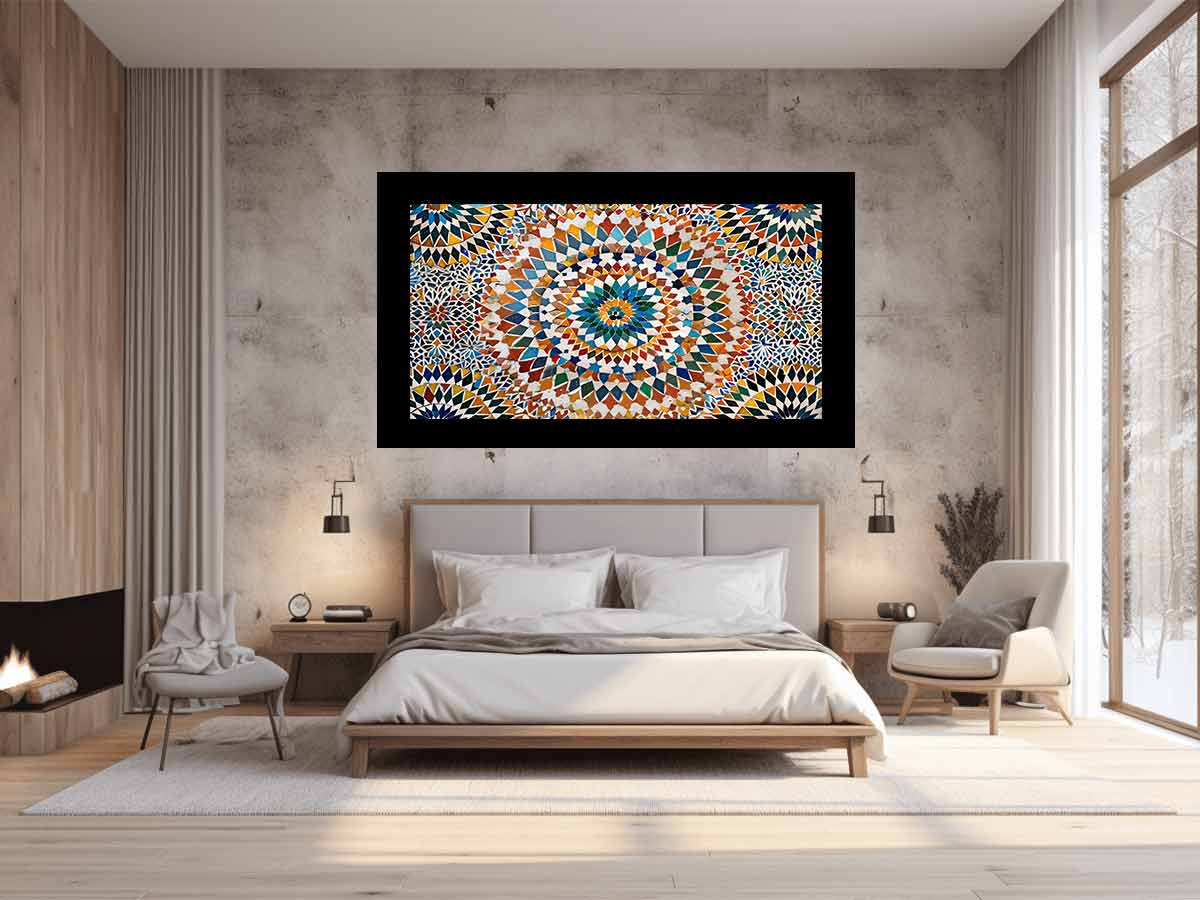
Moroccan Mosaic Bloom


Raised Hands Mural


Hands United


Geometric Stag Grace


Solar Pathways


Geometric Swan


Fragmented Faces


Cubist Harmony


Crimson Urban Motion


Scarlet Geometry


Infinite Contrast


Chromatic Prism Field


Red Orbit Structure


Crimson Grid Form


Orbit Flame Balance


Color Grid Glow


Structured Blue Drift


Spiral Matrix


Endless Passage


Urban Signal


Blue Structure

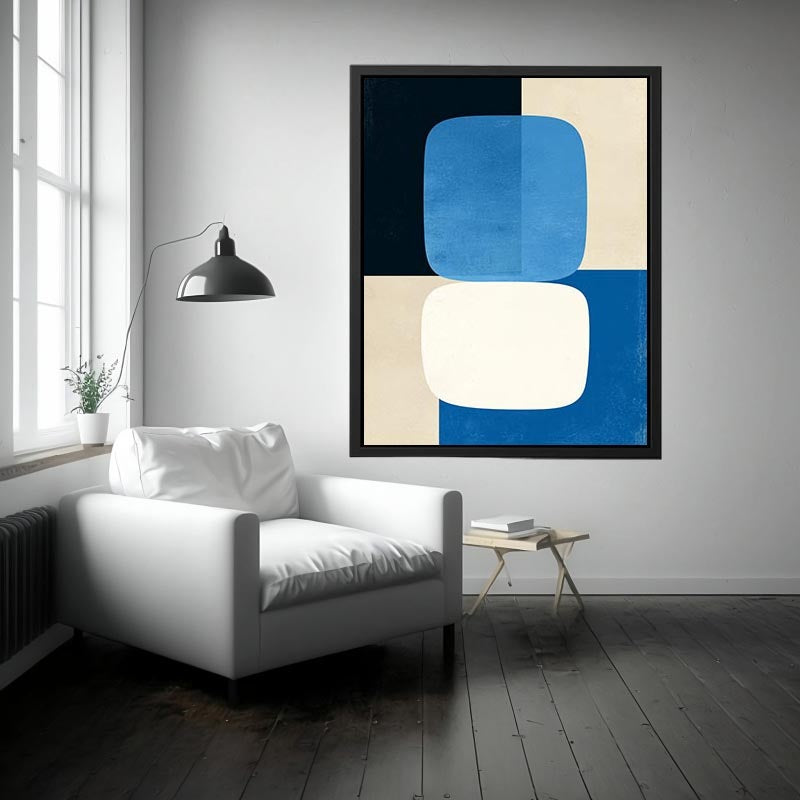
Blue Balance


Chromatic Balance


Blush Harmony

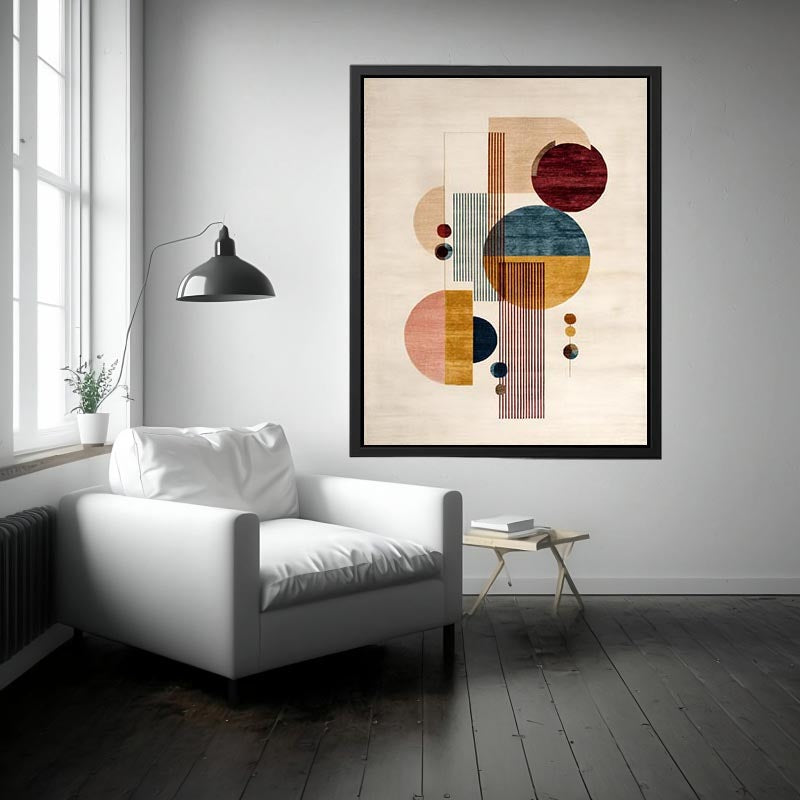
Balanced Forms


Midnight Pixels


Blush Orbit Abstract


Golden Rhythm Abstract


Merlot Circle Study

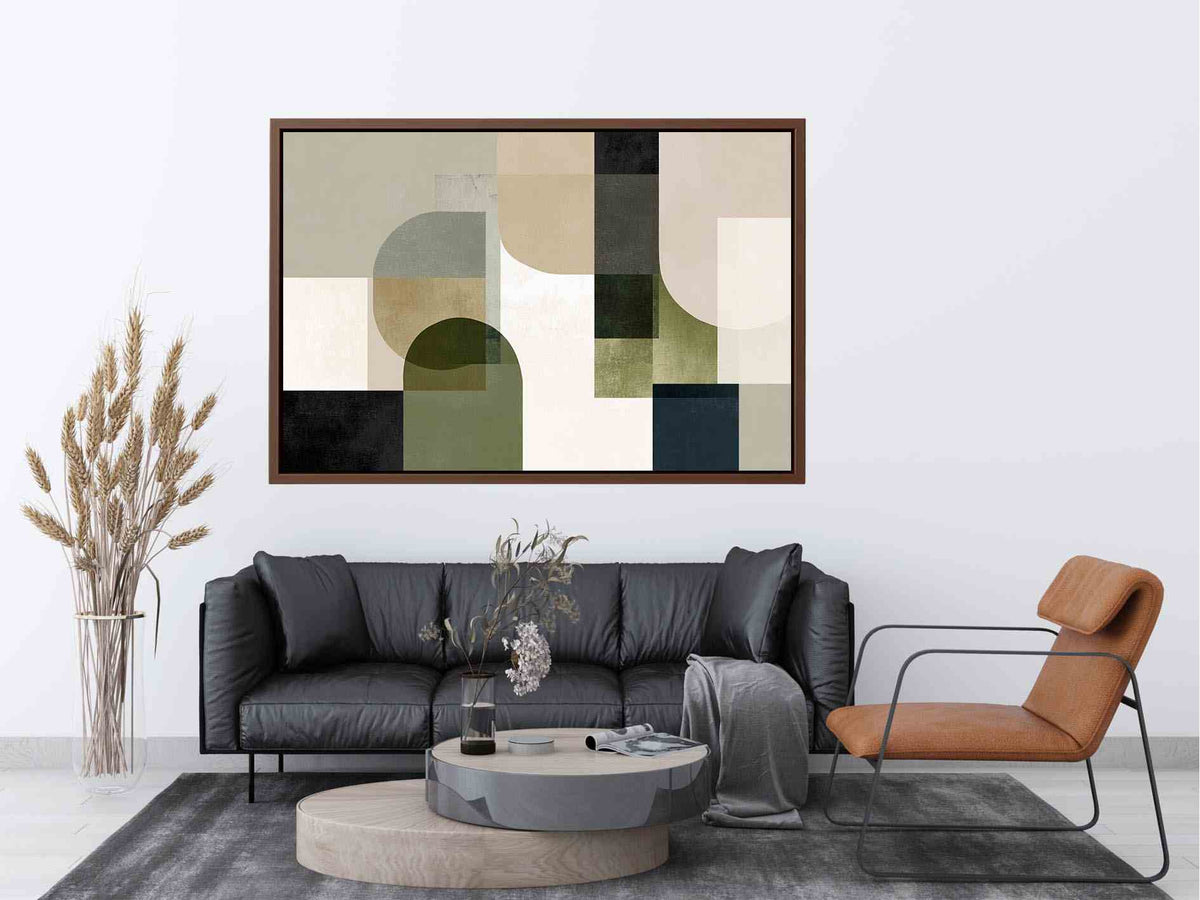
Sage Geometry Calm


Winged Deco Muse


Cosmic Pathways


Terracotta Dawn


Rose Sunfields

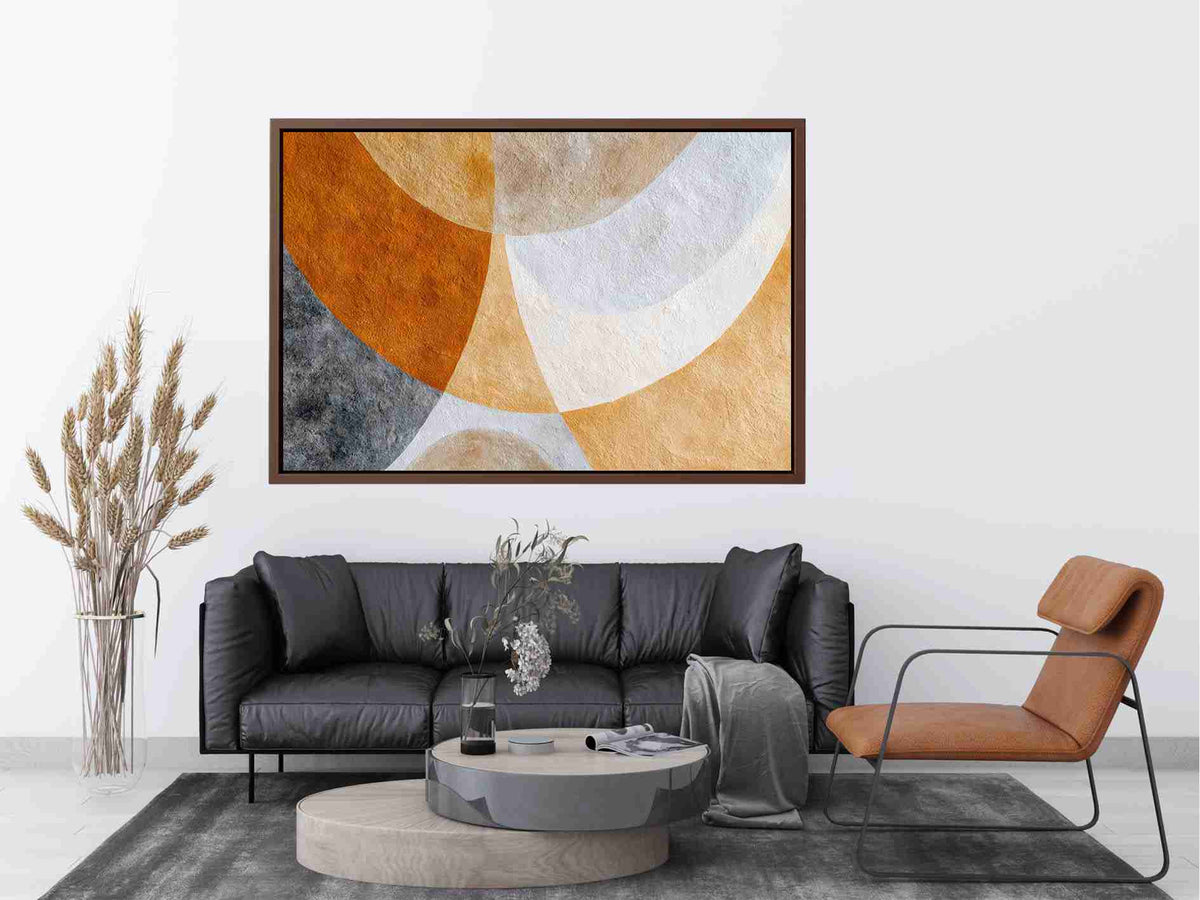
Golden Arc Harmony

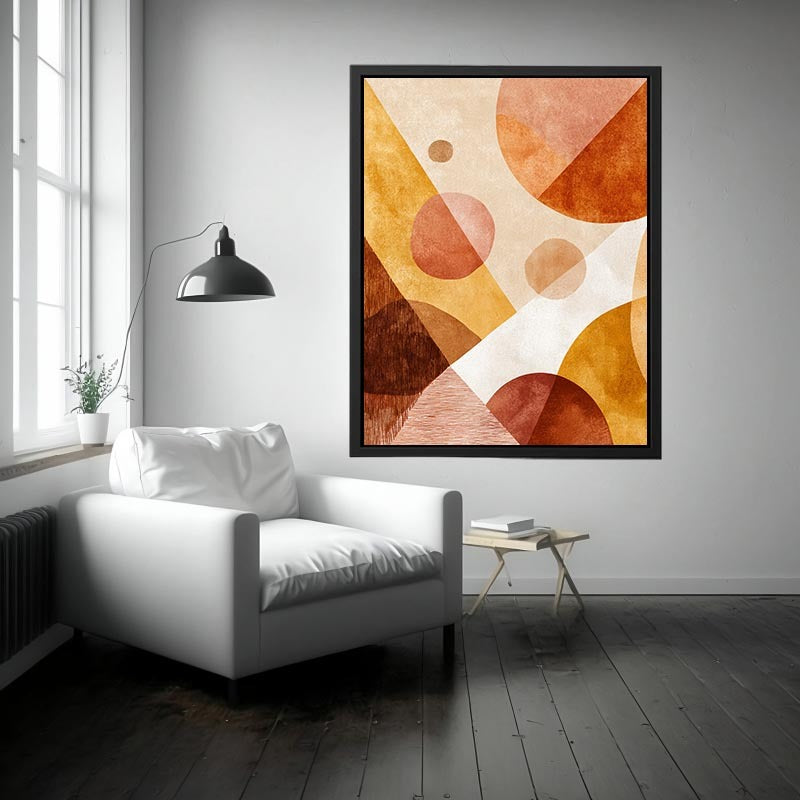
Terracotta Sun Study


Amber Geometry
Perspective Paintings & Perspective Wall Art
Perspective Paintings use depth, scale, distance and spatial relationships to create a sense of three-dimensional space on a two-dimensional surface. Fame Art Gallery's Perspective Paintings collection brings together artwork where visual depth, viewpoint, proportion and spatial composition play an important role. These paintings can include architectural views, landscapes, streets, interiors, distant horizons and other compositions that guide the eye through space.
Perspective wall art can be especially effective when you want artwork that creates visual depth rather than simply presenting a single flat subject. Choose a composition according to the room, wall dimensions, viewing distance, artistic style and the type of spatial effect you want to introduce.
Shop Perspective Paintings
Perspective is one of the fundamental visual tools artists use to suggest depth. Lines, objects, overlapping forms, changes in scale and atmospheric distance can make a painted scene appear to extend beyond the physical surface of the artwork.
Perspective Paintings can therefore cover a wide range of subjects and styles. The defining characteristic is the treatment of space and depth, rather than one particular color palette, medium or artistic movement.
Explore the Perspective Paintings collection to browse the available artwork.
What Are Perspective Paintings?
Perspective paintings are artworks that use visual techniques to represent depth, distance and spatial relationships. A scene can appear to recede into the distance through converging lines, decreasing object size, overlapping forms, changes in detail or other compositional methods.
Perspective can be used in landscapes, architecture, streets, interiors, city scenes and abstract compositions. It can also direct the viewer's eye toward a particular point within the artwork.
Types of Perspective in Painting
Linear Perspective
Linear perspective uses lines and geometric relationships to create the appearance of depth. Lines that are parallel in physical space may appear to converge toward a vanishing point as they move into the distance.
This approach is particularly relevant to architecture, roads, pathways, corridors, bridges and city scenes where strong lines naturally establish spatial depth.
Atmospheric Perspective
Atmospheric perspective creates a sense of distance through changes in color, contrast and detail. Distant objects may appear softer or less distinct than objects in the foreground, helping a landscape feel more expansive.
This technique can be especially effective in landscape artwork featuring mountains, valleys, forests, skies and distant horizons.
Architectural Perspective
Architecture provides natural opportunities for perspective because buildings, windows, streets, stairways and corridors contain strong geometric lines.
Perspective-based architectural artwork can create a structured focal point while emphasizing the depth and geometry of the built environment.
Explore Architecture Art for related architectural compositions.
Landscape Perspective
Landscape paintings frequently use perspective to create a visual journey from foreground to middle ground and distant background. Roads, rivers, pathways, mountains and horizons can establish a strong sense of spatial recession.
Explore Landscape Wall Art for related scenic artwork.
Depth and Spatial Illusion
Some artworks use perspective primarily to create an illusion of depth. The composition may encourage the viewer to feel that a space extends beyond the physical boundaries of the canvas.
This can make perspective artwork particularly interesting for interiors where visual depth and architectural character are important.
Perspective Wall Art for Living Rooms
Perspective artwork can create a strong living-room focal point because depth-oriented compositions can visually expand the scene beyond the wall. A road disappearing toward a horizon, an architectural corridor or a layered landscape can provide a sense of visual movement.
Consider the relationship between the artwork's vanishing point, furniture arrangement and viewing position. Artwork with a strong directional composition can naturally guide attention toward the center or another focal area.
Explore Living Room Wall Art for additional artwork suited to living spaces.
Perspective Paintings for Bedrooms
Perspective wall art can also work in bedrooms when the composition complements the room's proportions and overall design. Landscapes, architectural views and quieter spatial compositions can create a sense of openness without requiring multiple decorative pieces.
For artwork positioned above a bed, consider the complete width of the artwork in relation to the bed and surrounding wall space.
Explore Bedroom Art for additional bedroom-focused artwork.
Perspective Art for Offices
Perspective paintings can complement offices and professional interiors because architecture, geometry and spatial depth can work naturally with structured environments.
An architectural perspective can reinforce clean lines, while a landscape perspective can introduce visual distance and a natural counterpoint to an office's built environment.
Explore Office Wall Art for additional office artwork.
Perspective Paintings for Dining Rooms
In a dining room, perspective artwork can create a visual destination on a feature wall. Architectural scenes, streetscapes and landscapes can provide depth while complementing the dining furniture.
When selecting the artwork, consider the width of the dining table, the available wall area and the amount of visual detail already present in the room.
Explore Dining Room Wall Art for related artwork.
Perspective Paintings and Architecture
Architecture is particularly well suited to perspective because buildings and constructed spaces naturally contain repeating lines, angles, windows, doors and structural forms.
Architectural perspective can be used to depict streets, buildings, interiors, bridges, passages and other environments where geometry helps establish depth.
Explore Architecture Art and Cityscape Wall Art for related spatial and architectural subjects.
Perspective Paintings and Landscape Art
Landscape artists can use perspective to establish a visual relationship between foreground, middle ground and background. A nearby tree, pathway or shoreline may provide a starting point while mountains, water or distant terrain establish depth.
This makes perspective particularly valuable in landscape compositions where the goal is to communicate distance and scale.
Explore Mountain Wall Art, Forest Art and Ocean Wall Art for related subjects where spatial depth can play an important visual role.
Perspective Paintings and Geometric Composition
Perspective relies heavily on relationships between lines, angles, proportions and spatial planes. This makes perspective artwork closely related to geometric approaches to composition.
Some artworks use recognizable spaces such as buildings and streets, while others emphasize geometry and spatial relationships more abstractly.
Explore Geometric Art for artwork where shape and structure play a central role.
Perspective Art for Modern Interiors
Perspective paintings can complement modern interiors when their composition reinforces the room's architecture and clean visual lines. Architectural scenes, geometric spaces and simplified landscapes can provide depth without requiring a heavily traditional decorative style.
For a contemporary interior, consider artwork with a clear focal point, controlled composition and sufficient surrounding wall space.
Explore Modern Art and Contemporary Wall Art for broader modern and contemporary selections.
How to Choose Perspective Wall Art
The most effective perspective artwork depends on both the visual composition and the space where it will be displayed. Use the following criteria when comparing designs.
- Identify the spatial effect. Decide whether you want architectural depth, landscape distance, a strong vanishing point or a more subtle sense of space.
- Consider the subject. Choose between architecture, landscapes, streets, interiors, city scenes or other spatial compositions.
- Measure the wall. Record the available width and height before choosing artwork dimensions.
- Consider the viewing position. Think about where viewers will normally see the artwork and how the perspective directs the eye.
- Match the room. Coordinate the artwork with furniture, wall color, architecture and the existing decorative style.
- Choose the presentation. Review the individual product listing for available canvas, paper, framing and other formats.
- Check the exact dimensions. Artwork sizes and presentation options vary by product, so confirm the individual listing before ordering.
How Perspective Creates Depth in Art
Artists can suggest depth by changing the apparent size of objects as they move farther away. Overlapping objects can establish foreground and background relationships, while converging lines can guide the eye toward a distant point.
Color and detail can also contribute to the perception of distance. A carefully structured combination of these techniques can make a painted scene appear considerably deeper than the physical surface on which it is presented.
Perspective and the Vanishing Point
A vanishing point is a key concept in linear perspective. It represents the point toward which certain sets of receding lines appear to converge within the image.
In a painting, the position of the vanishing point can influence how viewers experience the space. A centered vanishing point can create a strong sense of symmetry, while an off-center arrangement can create a more dynamic composition.
One-Point, Two-Point and Three-Point Perspective
One-Point Perspective
One-point perspective uses a single principal vanishing point. It is commonly associated with compositions where the viewer faces a space relatively directly, such as a road, hallway or corridor.
Two-Point Perspective
Two-point perspective can represent objects or buildings viewed from an angle. Lines recede toward two different vanishing points, allowing the composition to communicate more complex spatial relationships.
Three-Point Perspective
Three-point perspective adds another vanishing point and can be used when the viewpoint includes significant vertical convergence. It can create a more dramatic sense of height or depth.
Not every perspective painting needs to be categorized by one of these systems. Artists can combine multiple visual techniques to create the desired spatial effect.
Perspective Paintings on Canvas
Perspective artwork can be presented as canvas wall art, allowing the spatial composition to become a large visual feature within an interior.
Fame Art Gallery's broader canvas collection includes product-specific options such as rolled canvas, stretched canvas and selected floating-frame finishes. Exact options vary by artwork.
Explore Canvas Prints when comparing canvas presentation options.
How to Size Perspective Wall Art
Perspective artwork often benefits from sufficient viewing space because depth, lines and smaller background details can be easier to appreciate when the artwork is displayed at an appropriate scale.
For a large wall, a larger perspective composition can provide enough visual presence to relate to the surrounding furniture. For narrower walls, a more compact composition can maintain the spatial effect without overwhelming the available space.
Always compare the artwork's actual dimensions with the wall and furniture before ordering.
Use the Wall Art Size Guide for additional planning guidance.
How to Place Perspective Wall Art
Perspective artwork can be particularly sensitive to placement because the viewing angle affects how the spatial composition is perceived. Hang the artwork where the primary viewing position allows the complete composition to remain visible without obstruction.
Above furniture, center the artwork in relation to the furniture grouping. On a standalone wall, consider the room's main sight lines and architectural features.
Explore the Wall Art Placement Guide for additional placement guidance.
Perspective Paintings for Large Walls
A large perspective painting can create an especially strong sense of visual depth on a broad wall. A road, architectural passage, landscape or other receding composition can make the artwork feel like an opening into another space.
When selecting large artwork, make sure the composition has enough surrounding space to remain readable. Avoid filling the wall so tightly that the perspective becomes visually crowded by nearby decorative objects.
Explore the Large Wall Art Ideas Guide and Wall Art for Large Walls Guide for additional guidance.
Perspective Paintings vs. Landscape Paintings
Perspective Paintings are defined by their treatment of spatial depth, while Landscape Paintings are defined primarily by their depiction of natural scenery. A landscape can use perspective extensively, but not every landscape is specifically centered on perspective.
Choose Perspective Paintings when depth, spatial structure or viewpoint is an important part of what you are looking for. Choose Landscape Wall Art when the primary requirement is natural scenery such as mountains, forests, coastlines or countryside.
Perspective Paintings vs. Geometric Art
Perspective and geometric art can overlap because both may rely on lines, shapes, proportions and spatial relationships. However, perspective focuses specifically on representing depth and spatial recession, while geometric art can emphasize shape and structure without attempting to depict realistic depth.
Explore Geometric Art when shape and geometry are the primary visual requirements.
Why Choose Perspective Wall Art From Fame Art Gallery?
- Dedicated perspective collection: Browse artwork organized specifically around perspective and spatial composition.
- Multiple subject possibilities: Perspective can be explored through architecture, landscapes, city scenes, interiors and other spatial subjects.
- Depth-focused compositions: Artwork can use lines, scale, layering and viewpoint to create visual depth.
- Canvas presentation: Fame Art Gallery offers a broad selection of canvas artwork with product-specific finish choices.
- Room versatility: Perspective artwork can be considered for living rooms, bedrooms, offices, dining rooms and feature walls.
Frequently Asked Questions About Perspective Paintings
What are Perspective Paintings?
Perspective Paintings are artworks that use visual techniques to represent depth, distance and spatial relationships. They can use converging lines, changes in scale, overlapping forms, atmospheric effects and other methods to make a scene appear three-dimensional.
What is perspective in painting?
Perspective in painting is a method of representing three-dimensional space on a two-dimensional surface. It helps artists communicate distance, depth, scale and the position of objects in relation to one another.
What is a vanishing point in a painting?
A vanishing point is a point in an image toward which certain receding lines appear to converge. It is an important concept in linear perspective and can help establish the direction and depth of a depicted space.
What is one-point perspective?
One-point perspective uses a single principal vanishing point. It is commonly used when the viewer faces a space relatively directly, such as a road, corridor, hallway or other composition with strong receding lines.
What is two-point perspective?
Two-point perspective uses two vanishing points and can represent objects or buildings viewed from an angle. It is particularly useful for architectural subjects where multiple sides of a structure are visible.
What is atmospheric perspective?
Atmospheric perspective creates a sense of distance through changes in color, contrast and detail. Distant elements can appear softer or less distinct than foreground elements, helping a landscape communicate depth.
Are Perspective Paintings good for living rooms?
Yes. Perspective artwork can create a strong living-room focal point because the composition can visually extend into the distance. Architectural scenes, roads, landscapes and other depth-oriented subjects can work well on feature walls.
Can Perspective Art make a room look larger?
Perspective artwork can create a visual impression of depth, which may make a wall feel more spatially open. The effect depends on the artwork's composition, viewing position, scale and the surrounding room rather than on the artwork alone.
Are Perspective Paintings available on canvas?
Canvas is a major wall-art format offered by Fame Art Gallery. Exact presentation options vary by individual product, so check the product listing for available rolled canvas, stretched canvas and framing choices.
What size Perspective Painting should I choose?
Choose the size according to the wall dimensions, furniture beneath the artwork and normal viewing distance. Larger compositions can provide stronger visual impact on broad walls, while smaller works may suit narrower spaces.
Can Perspective Paintings work in modern interiors?
Yes. Architectural, geometric and simplified perspective compositions can complement modern interiors particularly well. Choose artwork whose lines, scale and visual complexity work with the room's existing architecture and furniture.
Explore Related Perspective and Spatial Art
Start with the dedicated Perspective Paintings collection for artwork centered on depth, viewpoint and spatial composition.
For architecture-focused artwork, explore Architecture Art. For urban spatial scenes, browse Cityscape Wall Art.
For natural scenes where perspective and distance are important, explore Landscape Wall Art, Mountain Wall Art and Ocean Wall Art.
For compositions where geometry and structure are the primary visual focus, explore Geometric Art.
Complete Your Perspective Painting Search
Whether you are looking for architectural perspective art, landscape depth, streetscape artwork, spatial illusion or perspective-based wall decor, begin by deciding what type of space you want the artwork to communicate.
Then compare the composition, viewpoint, scale, colors, dimensions and presentation with your room. Perspective artwork is most effective when the visual depth of the painting has enough wall space and viewing distance to remain clear.
Explore the full Perspective Paintings collection and use the How to Choose Wall Art Guide, Wall Art Size Guide and Wall Art Placement Guide when planning your purchase.