
Renaissance Art & Paintings | Renaissance Wall Art | Fame Art Gallery


Birth of Venus I Botticelli Venus Painting by Sandro Botticelli (Alessandro Filipepi)


Saint George and the Dragon by Raphael


Paradise- Ascent of the Blessed by Hieronymous Bosch


The Last Supper by Vicente Juan (Juan de Juanes)


Birth of Venus (La Nascita di Venere) Painting by Sandro Botticelli (Alessandro-Filipepi)


Allegory Of Spring La Primavera by Sandro Botticelli (Alessandro Filipepi)


Last Judgment (1) 1537-41 by Michelangelo Buonarroti


Creation of Adam Hands only by Michelangelo Buonarroti


Creation of adam by Michelangelo Buonarroti


Saint Michael Trampling the Dragon 1518 by Raphael


Saint Michael And The Dragon by Raphael


The Madonna Of The Chair by Raphael


The Transfiguration by Raphael


Madonna & Child (Madonna del Granduca) 1505 by Raphael


Disputation of the Holy Sacrament (La Disputa) by Raphael


The School of Athens Painting by Raphael


The Tower of Babel 1563 by Pieter the Elder Bruegel


The Hunters in the Snow (Winter) 1565 by Pieter the Elder Bruegel


Winter Landscape with Skaters and Bird Trap 1565 by Pieter the Elder Bruegel

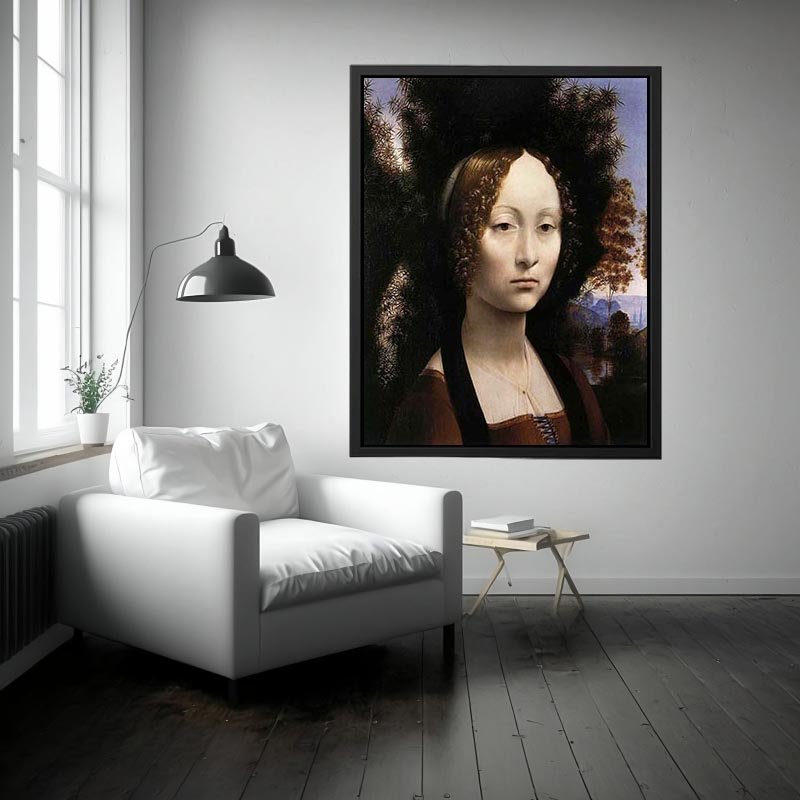
Portrait of Ginevra de Benci by Leonardo Da Vinci


Virgin of the Rocks 1483-86 by Leonardo Da Vinci


Annunciation (Annunciazione) by Leonardo Da Vinci

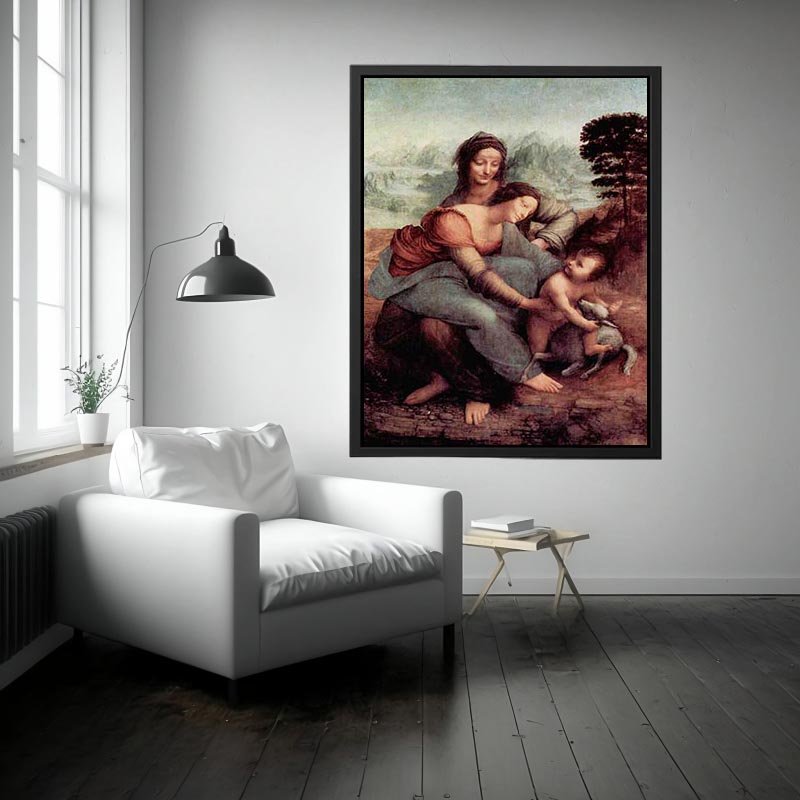
The Virgin and Child with St Anne c. 1510 by Leonardo Da Vinci


The Last Supper Painting


Lady with an Ermine ( Portrait of Cecilia Gallerani ) by Leonardo Da Vinci


Female head (The Lady of the Dishevelled Hair) (or La Scapigliata) by Leonardo Da Vinci


Mona Lisa Painting by Leonardo Da Vinci


The Battle of Anghiari (detail) 1503-05 by Leonardo Da Vinci


Last Supper (copy) 16th century


The Last Supper 1498 by Leonardo Da Vinci


The Ghent Altarpiece- Adoration of the Lamb 1425-29 by Jan Van Eyck


Portrait of Giovanni Arnolfini and his Wife 1434 by Jan Van Eyck


Sir Thomas More 1527 by Hans, the Younger Holbein


Young Hare I by Albrecht Durer


Melancholy I by Albrecht Durer


The Knight Death And The Devil by Albrecht Durer
Renaissance Art & Paintings
Discover Renaissance Art at Fame Art Gallery, featuring classical portraits, religious imagery, elegant figures, architectural compositions and timeless artwork inspired by one of the most influential periods in European art history. Renaissance painting is renowned for its interest in humanism, realistic representation, perspective, anatomy, light, proportion and classical learning. Explore Renaissance-inspired wall art for living rooms, bedrooms, dining rooms, home offices, hallways, gallery walls and sophisticated Australian interiors.
Shop Renaissance Art
Renaissance art refers to the extraordinary artistic developments associated with the European Renaissance, particularly from the fourteenth through the sixteenth centuries.
The period produced some of the world's most recognised paintings, portraits, religious compositions and studies of the human figure, while establishing artistic approaches that continue to influence visual culture today.
Shop Renaissance Art to explore the collection.
What Is Renaissance Art?
Renaissance art developed alongside a renewed European interest in classical Greek and Roman culture, humanism, scientific observation and the study of the natural world.
Artists increasingly explored realistic anatomy, proportion, perspective, spatial depth, light and individual human expression.
The result was a diverse body of painting, sculpture and other artistic work that transformed European visual culture.
When Was the Renaissance?
The Renaissance developed gradually, with its origins generally associated with fourteenth-century Italy before spreading across Europe.
The Italian Renaissance reached major artistic developments during the fifteenth and sixteenth centuries, while Renaissance ideas continued to influence Northern European artists and later generations.
Italian Renaissance Art
Italian Renaissance art is strongly associated with Florence, Venice, Rome and other important artistic centres.
Artists explored perspective, classical architecture, human anatomy, religious subjects, mythology, portraiture and increasingly sophisticated approaches to light and composition.
Explore Italian Art.
Famous Renaissance Artists
Some of the most famous Renaissance artists include Leonardo da Vinci, Michelangelo, Raphael, Sandro Botticelli, Titian and Caravaggio, although Caravaggio belongs to the later Baroque period and should not be classified strictly as a Renaissance painter.
These artists developed very different approaches to portraiture, religious painting, mythology, anatomy, colour, composition and visual storytelling.
Leonardo da Vinci Renaissance Art
Leonardo da Vinci is one of the most celebrated figures of the Renaissance.
His artistic work demonstrates an extraordinary interest in anatomy, observation, perspective, light, expression and the relationship between figures and their surroundings.
Mona Lisa and The Last Supper are among the most recognisable works associated with Leonardo.
Explore Leonardo da Vinci Art.
Michelangelo Renaissance Art
Michelangelo was a major Renaissance artist known for his achievements in painting, sculpture and architecture.
His representations of the human body demonstrate an exceptional interest in anatomy, proportion, movement and monumental form.
His work on the Sistine Chapel ceiling remains one of the defining achievements of Renaissance art.
Explore Michelangelo Art.
Raphael Renaissance Art
Raphael is celebrated for balanced compositions, graceful figures, harmonious colour and refined representations of religious and classical subjects.
His paintings became important examples of the High Renaissance ideal of compositional harmony and artistic refinement.
Explore Raphael Art.
Sandro Botticelli Renaissance Art
Sandro Botticelli is particularly recognised for elegant figures, flowing lines and mythological and religious compositions.
The Birth of Venus and Primavera are among the most famous works associated with his artistic legacy.
Explore Sandro Botticelli Art.
Titian Renaissance Art
Titian was one of the most influential Venetian painters of the Renaissance and became particularly renowned for his use of colour, rich surfaces and expressive portraits.
His work demonstrates the distinctive importance of colour and painterly technique within Venetian Renaissance art.
Renaissance Portrait Paintings
Portraiture became an important area of Renaissance painting.
Artists increasingly explored individual identity, clothing, expression, status and physical appearance while developing more sophisticated approaches to anatomy and realistic representation.
Renaissance portraits can provide a timeless and formal aesthetic when used as decorative wall art.
Explore Portrait Art.
Renaissance Religious Paintings
Religious art was central to Renaissance painting, particularly in Italy.
Artists created altarpieces, frescoes and devotional paintings depicting biblical narratives, saints, the Virgin Mary, Christ and other religious subjects.
These works often combined religious storytelling with detailed environments, expressive figures, perspective and carefully constructed compositions.
Renaissance Madonna Paintings
Madonna and Child paintings became one of the most important subjects of Renaissance religious art.
Artists explored the relationship between the Virgin Mary and Christ through different compositions, gestures, expressions, settings and approaches to colour.
Explore Madonna Art.
Renaissance Biblical Art
Biblical scenes provided Renaissance artists with opportunities to combine religious narratives with detailed figures, architecture, landscapes and dramatic compositions.
Stories from the Old and New Testaments became subjects for some of the period's most influential paintings and frescoes.
Explore Religious Art.
Renaissance Mythology Paintings
Classical mythology became increasingly important within Renaissance art as artists and patrons explored themes derived from Greek and Roman literature and mythology.
Mythological subjects allowed artists to explore idealised figures, symbolism, beauty, movement and classical narratives.
Explore Mythology Art.
Renaissance Art and Humanism
Humanism was an important intellectual influence during the Renaissance.
Humanist thought encouraged renewed interest in classical literature, philosophy, history and the capabilities of human beings.
In visual art, this contributed to increased attention to human anatomy, individual expression, natural observation and the representation of the human experience.
Renaissance Perspective
Linear perspective transformed the representation of three-dimensional space in Renaissance painting.
Artists developed systematic approaches to creating the appearance of depth, allowing architectural environments, interiors and landscapes to appear more spatially convincing.
Perspective became one of the defining technical achievements associated with Renaissance painting.
Renaissance Anatomy and the Human Figure
Human anatomy became an important area of artistic investigation during the Renaissance.
Artists studied the proportions, muscles, movement and structure of the human body to create increasingly convincing representations of figures.
This interest in anatomy contributed to the monumental and expressive quality of Renaissance figure painting and sculpture.
Renaissance Architecture in Paintings
Architecture frequently appears within Renaissance compositions.
Columns, arches, domes, courtyards and classical architectural structures could establish perspective, depth and a connection to the classical world.
Architectural settings also helped artists organise figures within complex compositions.
Renaissance Landscapes
Landscape increasingly became an important component of Renaissance compositions.
Natural environments could provide atmospheric depth, narrative context and visual balance behind religious, mythological or portrait subjects.
Explore Landscape Art.
Renaissance Art and Classical Antiquity
Classical Greek and Roman art provided an important source of inspiration during the Renaissance.
Artists and scholars studied ancient sculpture, architecture, mythology and literature, incorporating classical ideas of proportion, harmony, beauty and form into new works.
Northern Renaissance Art
Northern Renaissance art developed in regions including the Netherlands, Germany and surrounding areas.
Northern artists became particularly renowned for detailed observation, intricate surfaces, portraiture, religious imagery and sophisticated use of oil paint.
The Northern Renaissance shares important themes with the Italian Renaissance while developing distinctive regional artistic traditions.
Renaissance vs Baroque Art
Renaissance art is often associated with balance, proportion, harmony, perspective and idealised representations of figures.
Baroque art, which developed later, often emphasised dramatic movement, theatrical lighting, emotional intensity and dynamic compositions.
Explore Baroque Art.
Renaissance vs Medieval Art
Medieval art and Renaissance art share important religious traditions, but Renaissance artists increasingly explored naturalistic anatomy, spatial perspective, classical influence and individual expression.
The transition was gradual rather than an abrupt break, with artists building on techniques and traditions inherited from earlier periods.
Renaissance vs Classical Art
Classical art refers primarily to the artistic traditions of ancient Greece and Rome, while Renaissance artists studied and reinterpreted classical ideas centuries later.
Renaissance art therefore combines renewed classical influence with Christian traditions, humanist ideas and new approaches to naturalistic representation.
Renaissance Art for Living Rooms
Renaissance wall art for living rooms can introduce classical elegance, historical character and sophisticated visual detail above a sofa, console or feature wall.
Portraits, religious compositions, mythological scenes and Renaissance-inspired figures can work particularly well in traditional, transitional and eclectic interiors.
Explore Living Room Wall Art.
Renaissance Art for Bedrooms
Renaissance bedroom wall art can create an elegant focal point above a bed or on an adjacent feature wall.
Consider softer portraits, classical figures, botanical details or harmonious compositions for a refined bedroom atmosphere.
Explore Bedroom Wall Art.
Renaissance Art for Dining Rooms
Renaissance dining room artwork can add historical character and formal visual interest to entertaining spaces.
Classical portraits, still lifes, mythological scenes and architectural compositions can complement traditional and contemporary dining interiors.
Explore Dining Room Art.
Renaissance Art for Home Offices
Renaissance artwork for home offices can introduce an academic, classical and sophisticated atmosphere.
Portraits, architectural scenes and classical compositions can work particularly well with timber furniture, bookshelves and traditional interior details.
Explore Home Office Art.
Renaissance Art for Hallways
Renaissance hallway art can add historical character to transitional spaces.
Portrait-format Renaissance artwork can work well on narrower walls, while larger classical compositions can create a stronger statement along wider hallways.
Explore Hallway Wall Art.
Renaissance Art for Gallery Walls
Renaissance artwork can be combined with classical art, portraiture, botanical artwork, religious art and contemporary pieces within a carefully curated gallery wall.
For a cohesive arrangement, connect the artwork through frame style, colour palette, subject matter or historical references.
Explore Gallery Wall Art.
Large Renaissance Paintings
Large Renaissance-inspired artwork allows intricate figures, architectural details and classical compositions to become more visually prominent.
Large pieces can work above sofas, beds, dining tables, consoles and substantial feature walls.
Explore Large Wall Art.
Oversized Renaissance Wall Art
Oversized Renaissance artwork can transform a large wall into a dramatic classical focal point.
Large portraits, religious scenes, mythological compositions and Renaissance-inspired masterpieces can create substantial visual impact in spacious interiors.
Explore Oversized Wall Art.
How to Choose Renaissance Wall Art
- Choose the subject: Consider portraits, religious scenes, mythology, classical figures, architecture or landscapes.
- Consider the atmosphere: Choose serene, dramatic, formal or richly detailed compositions depending on your interior.
- Look at the colour palette: Deep earth tones, rich colours and restrained palettes can create different decorative effects.
- Choose the right scale: Match the artwork dimensions to the wall and furniture beneath it.
- Consider the interior style: Renaissance artwork can complement traditional, classic, transitional, eclectic and contemporary interiors.
- Consider framing: Ornate frames can reinforce a classical aesthetic, while simpler frames can create a more contemporary interpretation.
Read the How to Choose Wall Art Guide for additional artwork selection guidance.
How Large Should Renaissance Wall Art Be?
The ideal size depends on the wall, furniture and desired visual impact.
For artwork displayed above furniture, approximately 60–75% of the furniture width is a useful starting point. Larger walls can accommodate oversized Renaissance artwork or carefully planned multi-piece arrangements.
Use the Wall Art Size Guide when comparing artwork dimensions.
How to Style Renaissance Paintings
- Use classical materials: Timber, stone, marble-inspired finishes and traditional furniture can complement Renaissance imagery.
- Coordinate rich colours: Echo selected artwork colours through cushions, rugs or decorative accessories.
- Balance ornate details: If the artwork has a highly decorative frame, keep competing wall decor controlled.
- Mix old and new: Renaissance-inspired artwork can create an interesting contrast within contemporary interiors.
- Use suitable lighting: Directional lighting can highlight detailed figures, architectural elements and painterly surfaces.
- Give the artwork space: A strong classical composition benefits from sufficient surrounding wall space.
Common Renaissance Art Buying Mistakes
- Choosing artwork that is too small: Detailed Renaissance compositions can lose impact when significantly undersized.
- Ignoring the frame: Frame style can substantially influence whether the artwork feels traditional or contemporary.
- Overcrowding the wall: Detailed compositions often benefit from visual breathing room.
- Choosing only by famous artist: Consider the subject, composition, colour, scale and relationship to your interior.
- Ignoring room proportions: Artwork should relate visually to the furniture and architectural scale of the space.
- Skipping measurements: Measure the wall and furniture before selecting the final artwork dimensions.
Renaissance Art FAQs
What is Renaissance art?
Renaissance art refers to the artistic developments associated with the European Renaissance, characterised by renewed interest in classical culture, humanism, naturalistic representation, perspective, anatomy and proportion.
When was Renaissance art created?
The Renaissance developed gradually from the fourteenth century, particularly in Italy, and reached major artistic developments during the fifteenth and sixteenth centuries before influencing artists across Europe.
Who are the most famous Renaissance artists?
Leonardo da Vinci, Michelangelo, Raphael, Sandro Botticelli and Titian are among the most famous artists associated with the Renaissance.
What are the characteristics of Renaissance art?
Common characteristics include realistic anatomy, linear perspective, proportion, balanced composition, classical influence, human expression, detailed environments and interest in natural observation.
What is the difference between Renaissance and Baroque art?
Renaissance art is often associated with balance, harmony, proportion and controlled composition, while later Baroque art frequently emphasised dramatic movement, theatrical lighting and emotional intensity.
Why is Renaissance art important?
Renaissance artists developed influential approaches to perspective, anatomy, composition, portraiture and naturalistic representation that had a lasting impact on European and Western art.
Is Renaissance art suitable for modern interiors?
Yes. Renaissance-inspired artwork can complement traditional, transitional, eclectic and contemporary interiors, particularly when its scale, framing and colour palette are coordinated with the room.
Can Renaissance paintings go above a sofa?
Yes. A suitably scaled Renaissance portrait, religious composition, mythological scene or classical artwork can create an elegant focal point above a sofa.
Can Renaissance artwork be used in a gallery wall?
Yes. Renaissance artwork can be combined with classical, portrait, botanical and contemporary pieces when colour, framing and proportions are carefully coordinated.
How large should Renaissance wall art be?
The appropriate size depends on the wall and furniture. For artwork above furniture, approximately 60–75% of the furniture width is a useful starting point.
Shop Renaissance Art at Fame Art Gallery
Renaissance Art brings together classical beauty, humanistic ideals, realistic representation, sophisticated perspective and some of the most enduring visual traditions in European art. From Renaissance portraits and religious paintings to mythology, classical figures and architectural compositions, Fame Art Gallery offers artwork designed to bring timeless character and refined visual interest to Australian interiors.
Shop Renaissance Art at Fame Art Gallery and discover artwork for living rooms, bedrooms, dining rooms, home offices, hallways, gallery walls and sophisticated statement interiors.