
Tapestries & Wall Tapestry Art | Decorative Tapestry
Autumn Tapestry


Autumn Leaf Tapestry

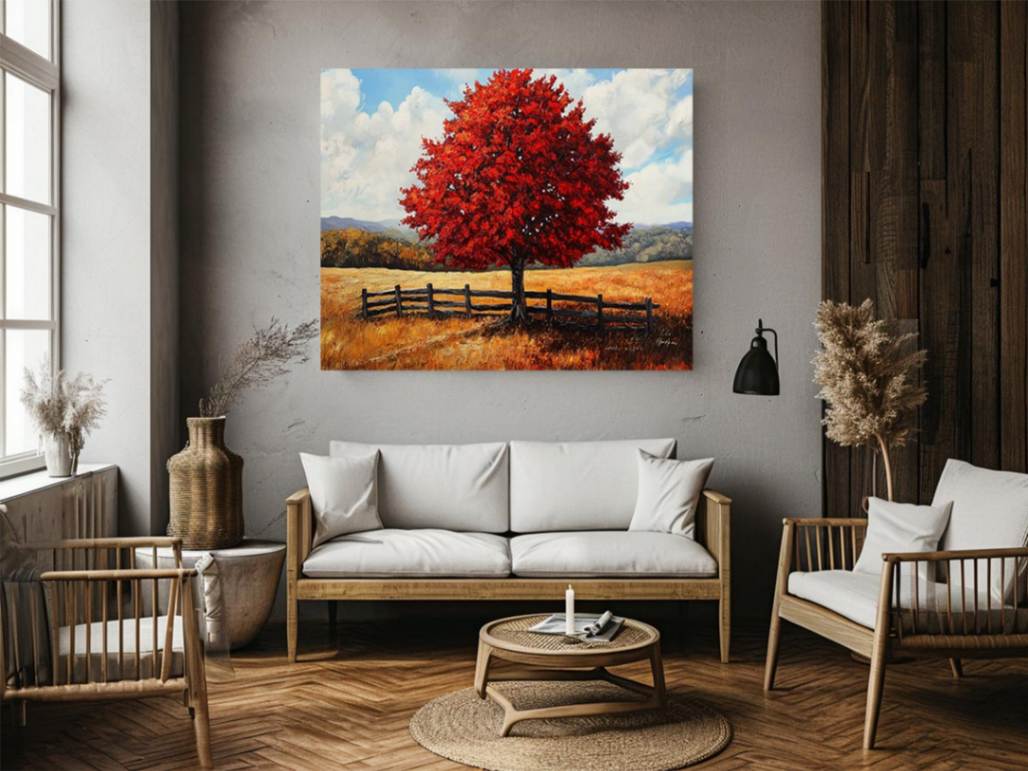
Dusk’s Tapestry


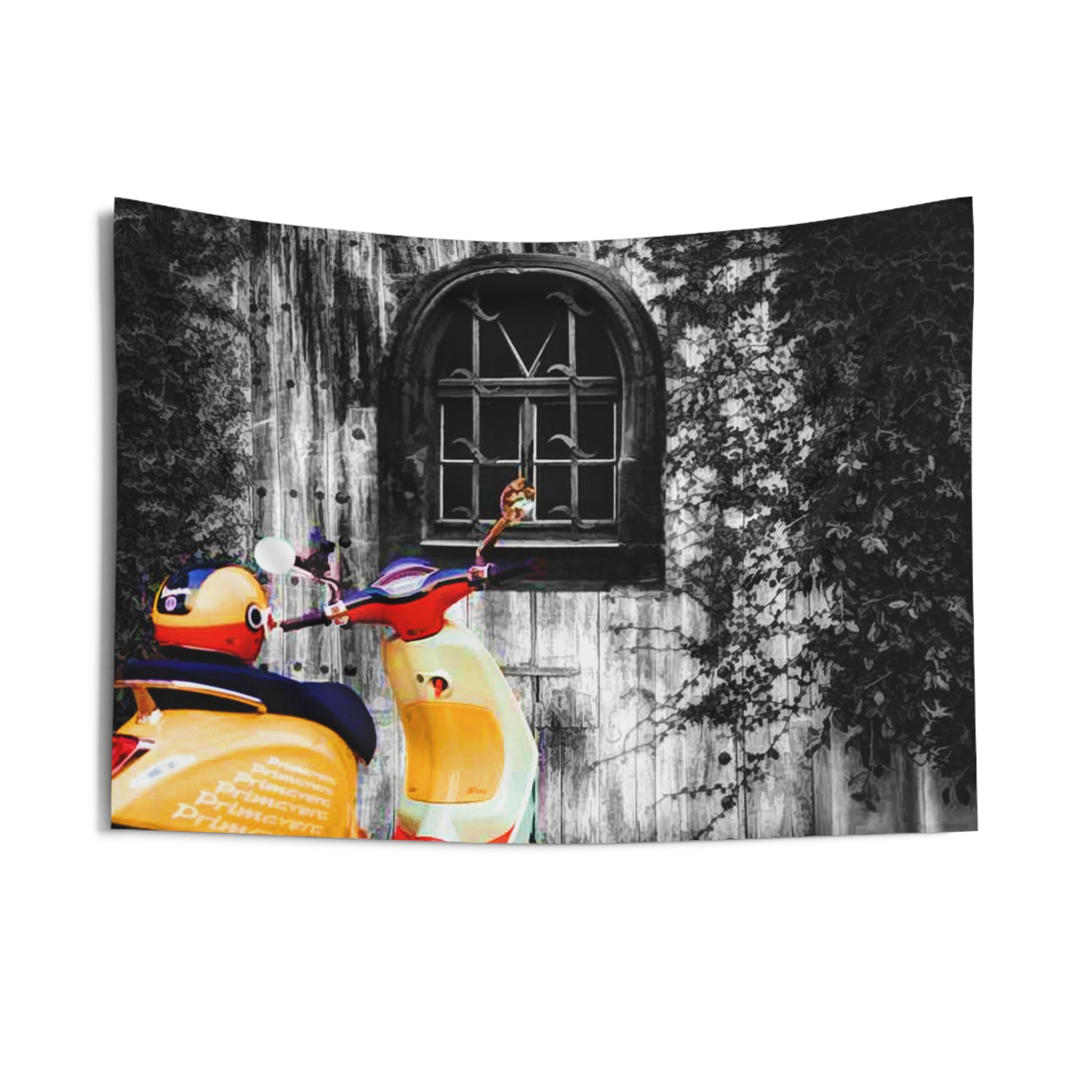


Tapestries & Wall Tapestry Art
Transform an empty wall with Tapestries featuring decorative artwork, expressive patterns, scenic imagery and statement designs. Wall tapestries offer a distinctive way to introduce color, texture and visual character into living rooms, bedrooms, offices, studios and creative spaces. Unlike conventional framed artwork, a tapestry can create a softer, more textile-focused presentation while covering a substantial area of wall. Explore designs according to subject, pattern, color palette, artistic style, size and the atmosphere you want to create.
What Are Tapestries?
Tapestries are decorative textile-based wall coverings featuring artwork, patterns, illustrations, scenic imagery or other visual designs. They can function as large-scale decorative pieces and are particularly useful when you want artwork to occupy a significant portion of a wall.
Modern tapestry art can range from landscapes and botanical imagery to abstract patterns, animals, celestial designs and other decorative subjects.
Explore Wall Tapestries
Wall tapestries provide an alternative to traditional framed wall art. Their textile appearance can soften a room while introducing a large visual element without relying on a rigid frame.
Choose a tapestry according to the room, wall dimensions, dominant colors and the visual relationship between the design and your existing furniture.
Types of Tapestry Art
Decorative Tapestries
Decorative tapestry designs can introduce patterns, illustrations and expressive imagery into an interior. They work particularly well when the wall itself needs a strong visual feature.
Landscape Tapestries
Landscape-inspired tapestries can feature mountains, forests, beaches, skies, countryside and other natural scenery. Their larger format can create an immersive visual effect.
Explore Landscape Wall Art for additional scenic artwork.
Abstract Tapestries
Abstract designs use shapes, lines, colors and visual movement rather than relying on a literal scene. These tapestries can complement contemporary interiors where color and composition are more important than a specific subject.
Explore Abstract Art for related abstract artwork.
Nature Tapestries
Botanical, forest, floral and natural imagery can create a relaxed connection with the outdoors. Nature-inspired tapestries can work especially well with wood, plants, natural textiles and neutral interiors.
Explore Forest Art and Floral Wall Art for related nature-inspired artwork.
Patterned Tapestries
Patterned tapestry designs can provide repetition, rhythm and visual texture. Geometric, decorative and expressive patterns can become a focal point or complement other elements already present in the room.
Tapestries for Living Rooms
A large tapestry can become the primary visual feature of a living room wall. Consider placing it above a sofa, console or another substantial piece of furniture where its proportions can be appreciated.
Choose colors that either complement the room's existing palette or intentionally provide contrast. A detailed tapestry can act as the main decorative element, allowing surrounding accessories to remain relatively simple.
Explore Living Room Wall Art for additional living-room artwork.
Wall Tapestries for Bedrooms
Tapestries can create a softer decorative effect in bedrooms. Large scenic, botanical or abstract designs can fill the wall behind a bed or another suitable focal area.
For a restful appearance, consider subdued colors and less visually aggressive patterns. Stronger artwork can be used when the tapestry is intended to become the bedroom's main statement piece.
Explore Bedroom Art for additional bedroom-focused artwork.
Tapestries for Offices and Creative Spaces
A tapestry can introduce personality into an office, studio or creative workspace without creating the formal appearance of traditional framed artwork. Abstract, geometric, architectural and landscape designs can all work depending on the character of the room.
Explore Office Wall Art for additional workspace artwork.
How to Choose the Right Tapestry
- Measure the wall: Determine how much wall area you want the tapestry to cover before choosing its size.
- Choose the subject: Consider landscapes, botanical imagery, abstract designs, animals, patterns or other decorative themes.
- Match the color palette: Coordinate the tapestry with walls, furniture, rugs, bedding and other textiles.
- Consider visual density: Detailed designs create a stronger statement, while simpler patterns can provide a quieter decorative effect.
- Consider the room: Select imagery that suits the function and atmosphere of the space.
- Plan the placement: Consider furniture height, surrounding décor and the available viewing distance.
Tapestries vs Traditional Wall Art
Tapestries differ from traditional framed artwork primarily through their textile presentation. A tapestry can cover a larger visual area and introduce a softer material character, while framed prints and paintings provide a more structured presentation.
The right choice depends on your interior style, desired texture, wall coverage and preferred presentation.
Tapestries and Large Wall Art
Large tapestries can be particularly useful when decorating a substantial empty wall. Instead of arranging several smaller pieces, one large textile artwork can establish a clear visual anchor.
Before choosing a large tapestry, consider the wall width and the furniture beneath it. The Large Wall Art Guide can help when planning a statement wall.
Choosing the Right Size for Wall Tapestries
The ideal tapestry size depends on the wall dimensions and the furniture surrounding it. A very small design can disappear on a large wall, while an oversized piece can dominate a compact room.
Measure both the wall and nearby furniture before selecting your artwork. The Wall Art Size Guide provides additional guidance for choosing suitable proportions.
How to Style Tapestries
Bohemian-Inspired Styling
Combine expressive tapestry designs with plants, natural materials, layered textiles and relaxed furniture. The textile nature of the artwork can complement an eclectic or bohemian-inspired room.
Modern Styling
Choose an abstract, geometric or visually controlled tapestry and pair it with simple furniture and uncluttered surroundings. Allow the tapestry to provide the main decorative statement.
Nature-Inspired Styling
Pair forest, botanical or landscape tapestries with wood, greenery and natural textures. Repeating one or two colors from the artwork elsewhere in the room can create visual continuity.
Eclectic Styling
Use tapestry art alongside framed prints, decorative objects and other artwork. A shared color palette can help connect different materials and subjects.
Where to Hang a Tapestry
Common locations include feature walls, areas above sofas, behind beds, office walls, reading spaces and other large surfaces that benefit from decorative coverage.
Placement should take into account the tapestry's size, the furniture below it and the surrounding visual elements. Use the Wall Art Placement Guide when planning the final position.
Color and Pattern in Tapestry Art
Because tapestries can occupy a large wall area, their colors can have a noticeable influence on the overall appearance of a room. Neutral designs can blend into understated interiors, while saturated colors can create an accent wall.
When selecting a patterned tapestry, consider whether its shapes and colors complement or compete with nearby rugs, curtains, bedding and upholstery.
Why Choose Tapestries from Fame Art Gallery?
- Large visual impact: Use tapestry artwork to transform substantial wall areas.
- Distinctive textile presentation: Create a softer alternative to conventional framed artwork.
- Wide subject range: Explore scenic, botanical, abstract, patterned and decorative designs.
- Flexible room placement: Suitable for living rooms, bedrooms, offices and creative spaces.
- Decorative versatility: Style tapestry art with modern, eclectic, nature-inspired and relaxed interiors.
Tapestries FAQs
What is a wall tapestry?
A wall tapestry is a textile-based decorative artwork designed to be displayed on a wall. It can feature landscapes, patterns, botanical imagery, abstract designs, animals and other artistic subjects.
Are tapestries good for large walls?
Yes. Large tapestries can cover substantial wall areas and create a strong visual focal point. Choose the size according to the wall dimensions and the furniture surrounding the display area.
Where should I hang a tapestry?
Tapestries can be displayed above sofas, behind beds, on feature walls, in offices, studios and other suitable spaces. Placement should account for the tapestry's dimensions and nearby furniture.
Are tapestries suitable for bedrooms?
Yes. Tapestries can add a softer decorative element to bedrooms. Botanical, landscape and subdued abstract designs can complement bedrooms particularly well.
Can tapestries work in modern interiors?
Yes. Abstract, geometric and minimalist tapestry designs can complement modern interiors. Choose a design whose colors and visual complexity work with the room's furniture and architecture.
How do I choose a tapestry size?
Measure the available wall and consider the furniture beneath the tapestry. The artwork should have enough visual presence to balance the wall without overwhelming the surrounding space.
Can I combine a tapestry with framed artwork?
Yes. A tapestry can be combined with framed prints or paintings in an eclectic or layered arrangement. Using related colors or themes can help create a cohesive overall display.
What styles of tapestry art are available?
Tapestry artwork can include abstract patterns, landscapes, botanical imagery, animals, decorative designs and other artistic subjects. Available styles depend on the individual collection and products.
Explore Related Wall Art
Continue exploring decorative artwork through Abstract Art, Floral Wall Art, Landscape Wall Art, Modern Wall Art and Large Wall Art.
Shop Tapestries
Explore tapestry artwork designed to bring color, pattern, imagery and decorative character to your walls. Choose a design based on its subject, palette, scale and the atmosphere you want to create in your space.