Tanuki Art – Japanese Tanuki Paintings & Folklore Wall Art | Australia


Amber Wilderness Glow


Golden Forest Guardian


Bamboo Spirit Wanderer


Forest Songkeeper


Wandering Ember


Autumn Whisper

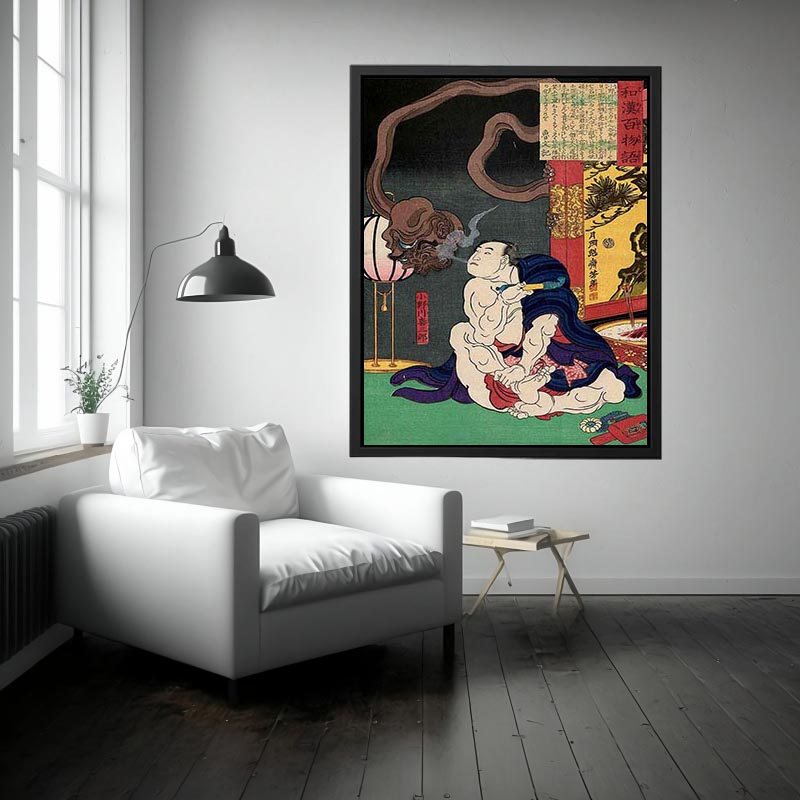
Onogawa by Yoshitoshi onogawa

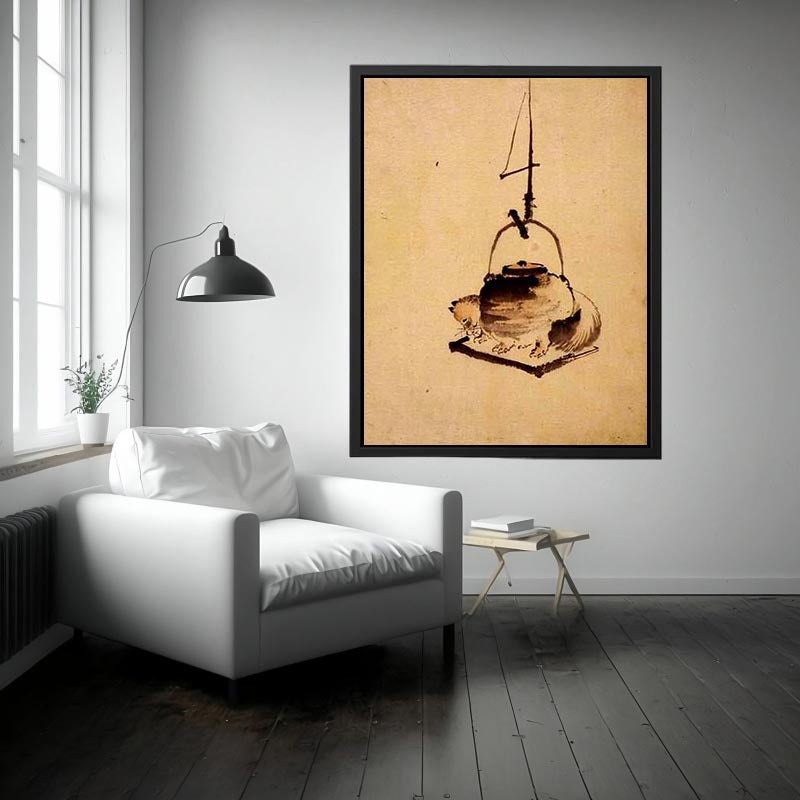
Hokusai tanuki tea kettle by Yoshitoshi onogawa


Raccoon dog form by Yoshitoshi onogawa

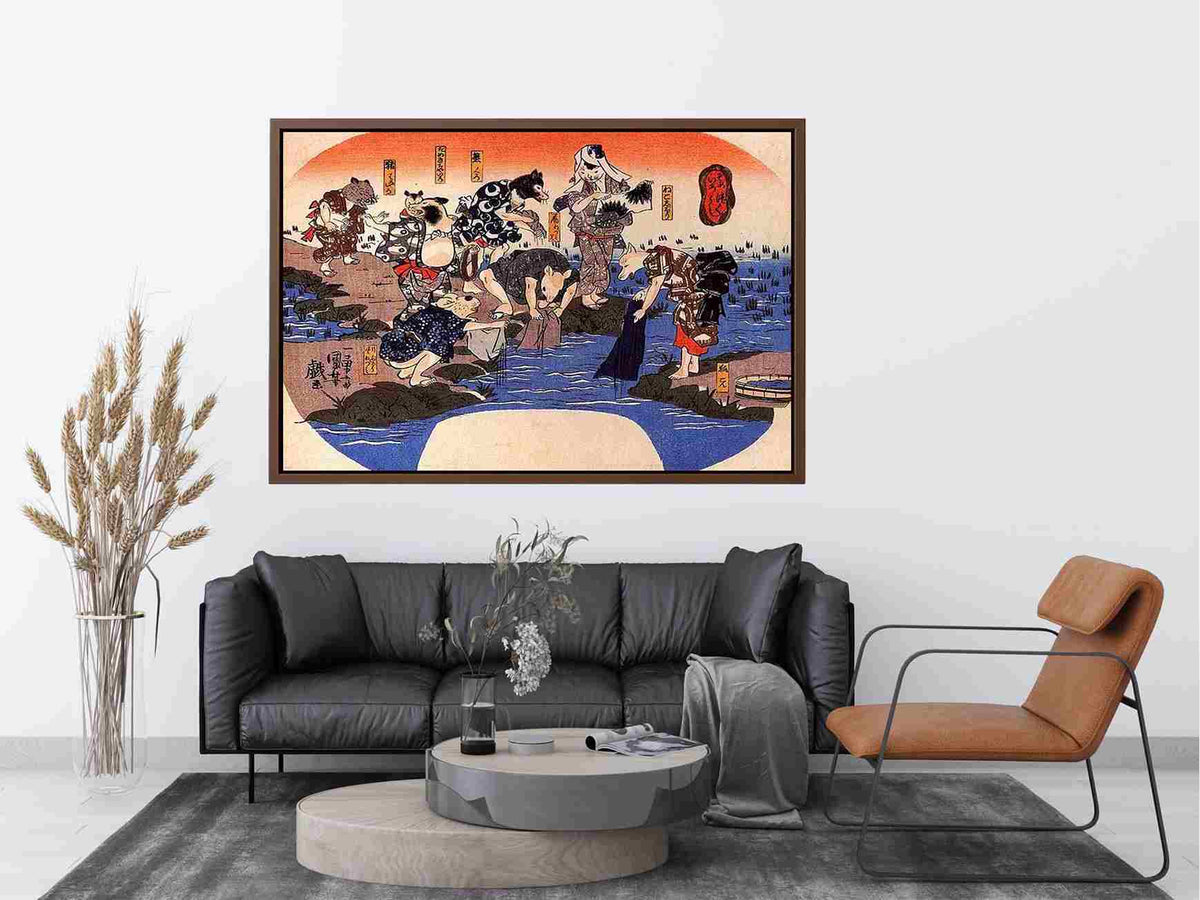
Animals dyeing fabrics by Yoshitoshi onogawa

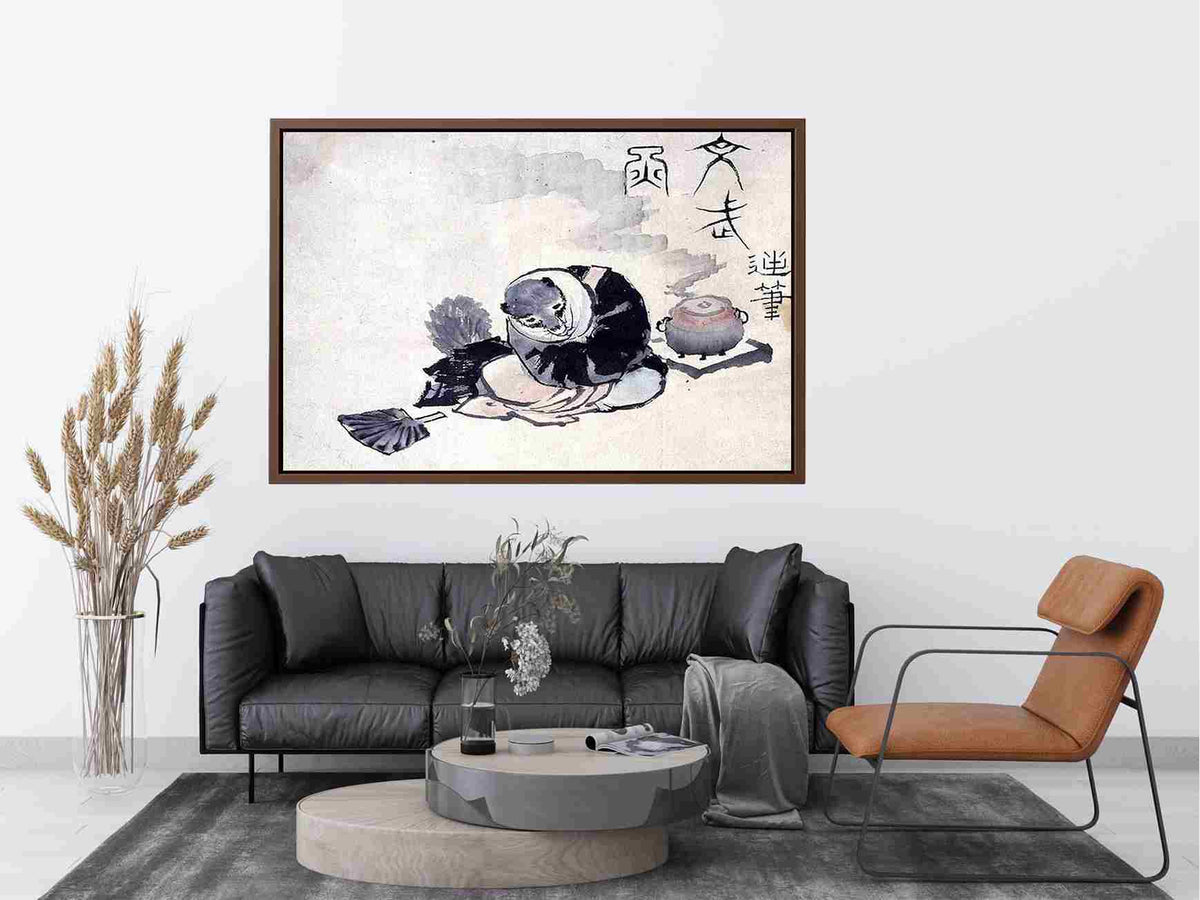
The Tea Kettle Raccoon by Yoshitoshi onogawa

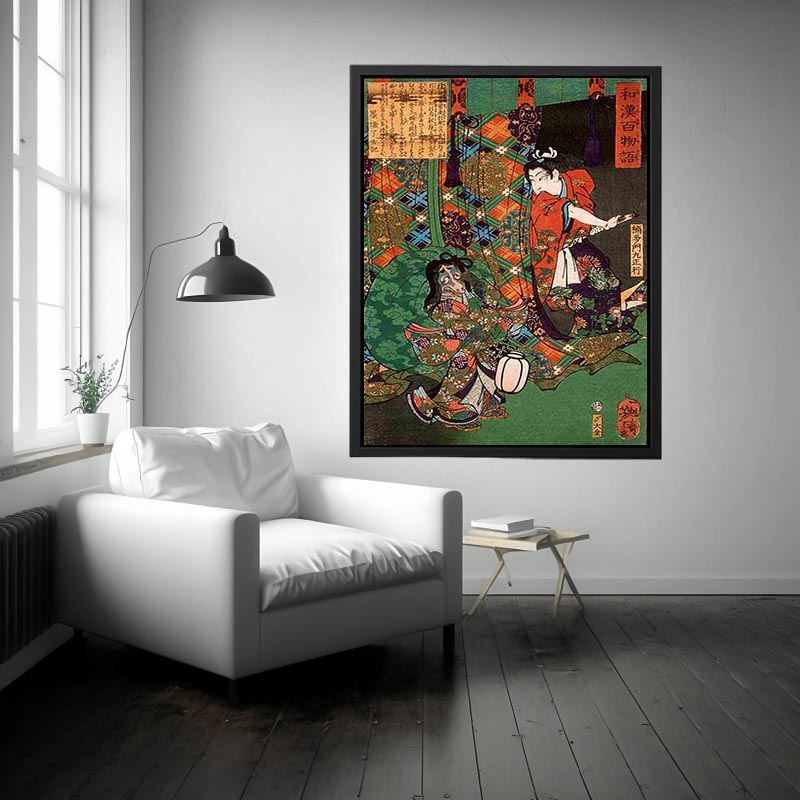
Masatsura Surprising a Fox Ghost by Yoshitoshi onogawa

tsukioka yoshitoshi by Yoshitoshi onogawa
Tanuki Art for Japanese Folklore, Nature and Imaginative Interiors
Bring the playful character and rich symbolism of Japanese folklore into your home with Tanuki Art. Inspired by the tanuki, a Japanese raccoon dog associated with folklore, nature and traditional storytelling, this distinctive artwork category can add cultural character, whimsy and visual personality to your walls. From traditional-inspired illustrations and expressive animal portraits to imaginative contemporary compositions, Tanuki Wall Art offers a unique way to decorate living rooms, bedrooms, studies, creative spaces and modern Australian interiors.
What Is Tanuki Art?
Tanuki Art is artwork inspired by the tanuki, the Japanese raccoon dog, and its important place in Japanese folklore and visual culture.
In traditional Japanese stories, the tanuki is often portrayed as a playful and mischievous supernatural creature known as a yōkai. Artistic interpretations can range from folkloric and traditional-inspired imagery to humorous, whimsical, naturalistic and contemporary designs.
Individual artworks vary in subject, artistic style and interpretation, so check the specific product listing for exact details.
Why Choose Tanuki Wall Art?
Tanuki Wall Art can introduce something different from conventional animal or nature artwork. Its connection with Japanese folklore gives the subject a distinctive cultural and storytelling dimension, while the tanuki's expressive appearance lends itself naturally to imaginative artwork.
Tanuki artwork can suit people who appreciate Japanese culture, folklore, wildlife, mythology, illustration and unusual decorative subjects.
Whether you prefer a traditional-inspired tanuki, a whimsical character, a natural animal portrait or a contemporary interpretation, Tanuki Art can create an engaging focal point.
The Tanuki in Japanese Folklore
The tanuki is a Japanese raccoon dog, Nyctereutes procyonoides, native to parts of East Asia. In Japanese folklore, the animal has developed into a famous supernatural figure associated with transformation, mischief and playful trickery.
Tanuki folklore has been represented in Japanese stories, sculpture, prints and other forms of visual culture for centuries. Contemporary Tanuki Art may draw on these traditions while presenting the subject through modern artistic styles.
Tanuki Art and Japanese Culture
Tanuki imagery is recognisable within Japanese popular and traditional culture. Traditional representations often portray the tanuki with exaggerated or humorous features, reflecting its folkloric identity rather than simply depicting the animal as wildlife.
Modern artists may reinterpret these cultural associations through illustration, painting, graphic art, surrealism or contemporary decorative artwork.
Popular Tanuki Art Styles
Japanese Folklore Tanuki Art
Folklore-inspired compositions can emphasise the tanuki's traditional cultural identity and connection with Japanese storytelling.
Traditional-Inspired Tanuki Art
These compositions can draw visual inspiration from traditional Japanese art, natural motifs, expressive linework and historic imagery.
Whimsical Tanuki Art
Playful compositions can emphasise the humorous and mischievous personality associated with tanuki folklore.
Tanuki Animal Art
Naturalistic artwork can focus more directly on the appearance of the Japanese raccoon dog and its relationship with the natural environment.
Contemporary Tanuki Art
Modern interpretations can combine the traditional tanuki subject with contemporary colour, composition, abstraction or graphic aesthetics.
Surreal Tanuki Art
Surreal compositions can place the tanuki within imaginative environments or unusual visual narratives inspired by folklore and fantasy.
Popular Tanuki Art Themes
Tanuki in Nature
Nature-inspired compositions can place tanuki among forests, foliage, mountains, gardens or other Japanese-inspired landscapes.
Folklore and Mythology
Mythological interpretations can explore the tanuki's transformation abilities, mischievous personality and role in traditional stories.
Japanese Landscapes
Tanuki can be incorporated into atmospheric landscape compositions featuring forests, traditional architecture, gardens or seasonal scenery.
Playful Tanuki Characters
Character-focused artwork can highlight the expressive, humorous and friendly qualities often associated with folkloric tanuki.
Tanuki and Seasonal Imagery
Artwork can incorporate seasonal flowers, autumn foliage, snow, moonlight or other natural elements associated with Japanese visual traditions.
How to Choose Tanuki Wall Art
1. Choose Your Artistic Style
Decide whether you prefer traditional-inspired Japanese artwork, naturalistic animal art, whimsical illustration, surrealism or contemporary design.
2. Consider the Cultural Character
If the artwork is being chosen specifically for its Japanese folklore connection, consider whether you prefer a clearly traditional-inspired representation or a more contemporary interpretation.
3. Choose Your Colour Palette
Natural greens, earthy tones, muted neutrals and traditional-inspired colours can create a calm Japanese aesthetic, while brighter palettes can create a more playful focal point.
4. Choose the Right Size
A large Tanuki Painting can create a distinctive statement, while smaller artworks can be incorporated into a Japanese-inspired gallery wall.
5. Consider the Surrounding Décor
Think about timber, plants, ceramics, textiles, lighting and existing artwork when choosing a Tanuki Wall Art piece.
Tanuki Art for Living Rooms
A Tanuki Painting can become an unusual focal point above a sofa, console, sideboard or reading area. Nature-inspired or traditional Japanese compositions can work particularly well with timber, neutral colours and indoor greenery.
For a more contemporary living room, choose a clean, modern interpretation and allow the artwork to provide the principal cultural or visual statement.
For additional inspiration, explore Living Room Wall Art.
Tanuki Wall Art for Bedrooms
Tanuki Wall Art can add a playful or imaginative character to bedrooms, particularly where the décor already incorporates Japanese, nature or illustrated themes.
For a calmer bedroom aesthetic, consider artwork featuring natural tones, woodland environments or restrained compositions.
For additional inspiration, explore Art for Bedroom.
Tanuki Art for Studies and Creative Spaces
A study, library, studio or creative workspace can provide an excellent setting for Tanuki Art. The combination of folklore, nature and storytelling makes the subject especially suitable for spaces dedicated to reading, creativity and cultural interests.
Pair tanuki artwork with books, timber furniture, plants and carefully selected Japanese-inspired decorative objects.
Tanuki Art for Japanese-Inspired Interiors
Tanuki Wall Art can complement Japanese-inspired interiors featuring natural materials, simple furniture, organic textures and restrained colour palettes.
Combine the artwork with timber, bamboo-inspired textures, plants, ceramics and uncluttered spaces to create a balanced aesthetic.
Tanuki Art for Australian Homes
Tanuki Art can bring an unusual cultural and natural element into Australian houses, apartments, studies, offices and creative spaces.
The subject can work particularly well against neutral walls and natural materials, allowing the distinctive tanuki imagery to remain the visual focus.
Get the Scale and Placement Right
Tanuki artwork can contain intricate details, expressive characters and surrounding natural elements, so choosing the appropriate display size helps preserve the impact of the composition.
Measure the available wall before purchasing and consider viewing distance, surrounding furniture, natural light, windows, doors and architectural features.
For practical guidance, use the wall art size guide and wall art placement guide.
How to Style Tanuki Wall Art
Tanuki Wall Art pairs naturally with timber, plants, neutral textiles, ceramics, natural fibres and understated furnishings.
For a Japanese-inspired interior, keep surrounding décor simple and allow the artwork to become a focused cultural element.
For an eclectic interior, combine Tanuki Art with other animal, folklore, botanical and Japanese-inspired artwork.
For a contemporary interior, choose a clean composition and pair it with modern furniture and neutral walls.
Creating a Japanese-Inspired Gallery Wall
Tanuki artwork can be combined with Japanese landscape art, botanical artwork, Japanese-inspired animal art, nature photography and other cultural subjects.
Coordinate frame finishes, colour palettes or natural themes to create cohesion while allowing the tanuki to remain the distinctive focal subject.
Choosing Canvas or Framed Tanuki Art
The presentation format can influence the overall character of Tanuki Wall Art. Depending on the individual artwork, different presentation formats may be available.
Canvas Prints can provide a clean contemporary presentation, while Framed Prints can add a defined border and more structured decorative appearance.
Available sizes, materials, finishes, orientations and framing options vary by individual artwork. Check the specific product listing for exact specifications before purchasing.
Tanuki Art as a Gift
Tanuki artwork can make a distinctive decorative gift for people interested in Japanese culture, folklore, wildlife, mythology, illustration, nature and unusual artistic subjects.
When selecting artwork as a gift, consider the recipient's interest in Japanese culture, preferred colours, interior style and available wall space.
Explore More Japanese, Animal and Nature Art
For Japanese-inspired subjects, explore the Japanese Art collection.
For animal artwork, explore the Animal Art collection.
For wildlife subjects, explore the Wildlife Art collection.
For mythology and folklore-inspired artwork, explore the Mythology Art collection.
For nature-inspired subjects, explore the Nature Wall Art collection.
For contemporary interpretations, explore Modern Wall Art.
For a broad selection across artistic subjects and styles, browse Wall Art Prints.
Tanuki Art FAQs
What is Tanuki Art?
Tanuki Art is artwork inspired by the Japanese raccoon dog and its important role in Japanese folklore, nature and visual culture.
What is a tanuki?
A tanuki is a Japanese raccoon dog, Nyctereutes procyonoides. In Japanese folklore, the tanuki is also represented as a supernatural and often mischievous creature.
What does the tanuki represent in Japanese folklore?
The folkloric tanuki is commonly associated with transformation, trickery, playfulness and supernatural abilities. Interpretations vary across stories and artistic traditions.
Where should I display Tanuki Wall Art?
Tanuki artwork can be displayed in living rooms, bedrooms, studies, libraries, offices, creative spaces and Japanese-inspired interiors.
Does Tanuki Art suit modern interiors?
Yes. Contemporary interpretations can complement modern furniture, neutral walls, natural materials and minimalist interiors.
What colours work well with Tanuki Art?
Earthy browns, greens, creams and natural tones can create a calm Japanese-inspired palette, while brighter colours can emphasise the playful character of the subject.
What size Tanuki Wall Art should I choose?
Choose the size according to available wall dimensions, viewing distance, surrounding furniture and the detail contained within the artwork.
Can Tanuki Art be used in a gallery wall?
Yes. Tanuki artwork can be combined with Japanese landscapes, botanical art, animal artwork, nature scenes and other folklore-inspired subjects.
Should I choose canvas or framed Tanuki Art?
The choice depends on the presentation style and formats available for the individual artwork. Canvas can provide a clean contemporary appearance, while framed artwork offers a defined border and structured presentation.
Discover Tanuki Art
Explore Tanuki Art inspired by Japanese folklore, nature, wildlife and imaginative storytelling. Compare artwork by subject, artistic style, colour palette, dimensions, orientation and available presentation options to find distinctive Tanuki Wall Art for your Australian living room, bedroom, study, office or Japanese-inspired interior.