
God Paintings & God Wall Art | Religious Art | Fame Art Gallery


Midnight Sacred Devotion 2 Piece Art Set


Radiant Sacred Peace 2 Piece Art Set


Sacred Emerald Grace 2 Piece Art Set


Heavenly Sacred Light 2 Piece Art Set


Celestial Sacred Bloom 2 Piece Art Set


Divine Floral Serenity 2 Piece Art Set


Sacred Golden Grace 2 Piece Art Set


Radiant Grace


Celestial Mercy


Golden Benediction


Sacred Whisper


Divine Radiance


Eternal Devotion


Sacred Grace


Sacred Light


Sacred Light


Sacred Stillness


Divine Radiance


Midnight Sacred Heart


Sacred Heart Divine Light


Eternal Madonna & Child Gold Canvas


Divine Heart of Grace


Sacred Heart of Eternal Light


Garden of Divine Peace

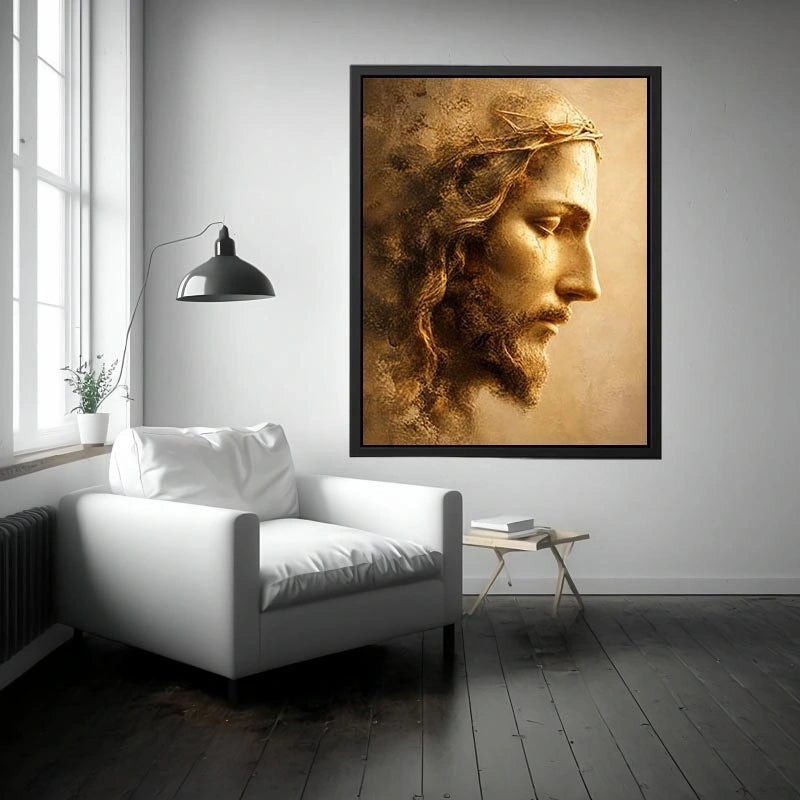
Crown of Eternal Grace


Whispers of Grace


Shepherd of Eternal Light


Light Among Believers


The Gentle Shepherd


Light of the Shepherd


Radiance of Redemption


Burden of Redemption


Divine Sacred Heart Jesus Canvas


Divine Sacred Heart of Jesus Canvas


Heavenly Grace of Jesus


Eternal Sacred Light


Classic Sacred Heart Jesus Portrait with Divine Glow


Divine Light of Christ


Eternal Sacrifice Jesus Painting


Radiant Sacred Heart Grace
God Paintings & God Wall Art
Explore God Paintings featuring divine figures, sacred imagery, religious scenes and spiritual artwork created to bring meaning, contemplation and visual character to your space. This collection can include traditional religious compositions, symbolic depictions of the divine, heavenly scenes and contemporary interpretations of faith and spirituality. Choose artwork that reflects your beliefs, cultural background, personal connection or appreciation of religious art. With options suitable for living rooms, bedrooms, meditation spaces, offices, entryways and devotional areas, God wall art can become a meaningful focal point while complementing a wide range of interior styles.
What Are God Paintings?
God paintings are artworks depicting God, divine figures, sacred subjects or visual interpretations of the divine. Religious art has historically used painting, symbolism, gesture, light, color and composition to communicate spiritual ideas and stories.
Depending on the artwork, the collection may represent a specific religious tradition, a recognizable sacred figure, a symbolic vision of heaven or divinity, or a more contemporary and abstract interpretation of spirituality.
Why Choose God Wall Art?
God wall art can serve a purpose beyond decoration. A religious painting may represent faith, devotion, cultural heritage, reflection, hope or personal meaning. For some interiors, it creates a dedicated spiritual focal point; for others, it works as an expressive piece of figurative or classical art.
- Meaningful imagery: Choose artwork connected to faith, spirituality or personal beliefs.
- Traditional subjects: Explore classical religious compositions and sacred imagery.
- Contemporary interpretations: Consider modern, expressive or abstract approaches to spiritual themes.
- Versatile placement: Display religious artwork in living rooms, bedrooms, offices, entryways or dedicated devotional spaces.
- Multiple presentation options: Select the artwork format and presentation that best suits your wall and interior.
Types of God Paintings
Traditional Religious Paintings
Traditional religious artwork often emphasizes recognizable sacred imagery, formal composition and symbolic visual elements. These paintings can complement interiors inspired by classical, traditional or devotional aesthetics.
Divine Figure Paintings
Paintings centered on a divine or sacred figure can create a strong visual focal point. Look at the figure's pose, expression, surrounding imagery and composition when selecting artwork for your space.
Heavenly and Spiritual Scenes
Some God paintings depict celestial environments, radiant light, clouds, angels or other symbolic elements associated with the divine. These compositions can introduce a sense of scale and atmosphere to a wall.
Religious Story Paintings
Religious art may portray scenes connected with sacred narratives, historical traditions or important moments of faith. These works can be particularly meaningful when the story or subject has personal or cultural significance.
Contemporary God Art
Contemporary religious artwork can reinterpret spiritual subjects through modern composition, simplified forms, expressive color or unconventional visual language. These pieces can work particularly well in modern interiors.
Abstract Spiritual Art
Abstract approaches may communicate spirituality through color, light, shape, movement and symbolism rather than a literal representation of God. Explore Abstract Art when you prefer a less literal interpretation.
Religious Art, Spiritual Art and God Paintings
These categories overlap but are not identical. Religious art generally connects to a particular faith tradition, sacred story, figure or practice. Spiritual art can address broader ideas of contemplation, transcendence and inner experience. God paintings focus specifically on visual representations or interpretations of God and the divine.
For a broader selection of faith-related artwork, explore Spiritual Art, Classic Art and Famous Paintings.
God Paintings by Artistic Style
Classical Religious Art
Classical religious paintings can bring historical visual language, detailed figures and formal composition into an interior. They are well suited to traditional spaces and rooms where the artwork is intended to feel established and timeless.
Modern Religious Art
Modern interpretations can simplify forms, emphasize composition or use expressive visual elements to reinterpret sacred themes. Browse Modern Art for broader contemporary approaches.
Contemporary Religious Artwork
Contemporary God art may combine recognizable religious imagery with current artistic approaches. This can make a spiritual subject easier to integrate into interiors featuring modern furniture and décor.
Figurative Religious Art
Figurative artwork emphasizes the human or divine figure as the primary subject. Pay attention to scale, facial expression, pose and surrounding negative space when choosing a figurative religious painting.
Choosing God Paintings by Subject
Start with the subject that has the greatest personal significance. You may prefer a direct representation of God, a symbolic divine scene, a religious narrative or an artwork that communicates spirituality without relying on a literal figure.
Consider the visual intensity of the artwork as well. A highly detailed religious scene can become the primary focal point of a room, while a restrained composition may work more naturally alongside existing décor.
God Paintings for Different Rooms
Living Room
A large religious painting can become a meaningful focal point above a sofa, console or principal seating area. Choose the artwork size in proportion to the wall and surrounding furniture.
Bedroom
For a bedroom, consider quieter compositions, softer colors and imagery that creates a reflective atmosphere. Artwork above a dresser or on a principal bedroom wall can provide a personal visual accent.
Entryway
An entryway can provide an appropriate location for a meaningful religious painting. Consider the sightline from the entrance and select a size that fits comfortably without crowding the passage.
Office
A spiritual artwork can add personal character to a home office or professional environment. Look for compositions that complement the room without competing with the workspace.
Meditation or Devotional Space
God paintings can naturally complement spaces dedicated to prayer, meditation or personal reflection. Consider positioning the artwork where it can be viewed comfortably and respectfully.
God Paintings for Different Interior Styles
The right religious artwork does not have to match every decorative object in a room. Instead, consider relationships between the artwork's color palette, scale, visual weight and the overall character of the space.
- Traditional interiors: Consider classical, detailed or formal religious compositions.
- Modern interiors: Look for simplified, contemporary or expressive interpretations.
- Minimalist interiors: Choose artwork with a controlled palette and clear composition.
- Eclectic interiors: Use religious artwork as a distinctive focal point alongside varied decorative elements.
- Neutral interiors: Consider restrained colors or artwork with one strong visual focal point.
Choosing the Right Size for God Wall Art
Scale can dramatically change how religious artwork feels in a room. Measure the available wall before selecting a size, and consider the furniture below the artwork.
- Small artwork: Useful for narrow walls, shelves, bedside areas and smaller rooms.
- Medium artwork: Suitable for many standard walls and furniture groupings.
- Large artwork: Creates a stronger focal point on spacious walls.
- Multi-piece arrangements: Can create a broader composition when individual works are designed to work together.
For practical measurements and placement principles, see the Wall Art Size Guide and Wall Art Placement Guide.
Canvas, Framed and Other Wall Art Formats
Canvas Prints
Canvas can give religious imagery a gallery-style presentation while working naturally across traditional and contemporary interiors. Explore Canvas Prints for additional options.
Framed Prints
A frame adds a defined border around the artwork and can reinforce the architectural character of a traditional, transitional or formal interior. Browse Framed Prints for more framed artwork.
Wall Art Prints
Print artwork provides another way to display religious imagery while giving you flexibility when coordinating the piece with your room's furniture, colors and existing wall décor. Explore Wall Art Prints.
How to Choose a God Painting
- Identify the subject: Choose the divine figure, religious story or spiritual theme that matters to you.
- Consider the visual style: Decide whether classical, figurative, modern, contemporary or abstract artwork suits your room.
- Check the color palette: Look for colors that complement or intentionally contrast with your interior.
- Measure your wall: Confirm the available width and height before selecting artwork.
- Consider viewing distance: Detailed compositions benefit from enough space to appreciate their visual elements.
- Select the presentation: Compare canvas, framed and other available formats according to your décor.
- Plan the placement: Consider furniture, eye level, lighting and surrounding wall space.
God Paintings Above a Sofa
A sofa wall is one of the most visible locations for a large religious painting. Choose artwork that relates proportionally to the sofa and leave sufficient breathing room around the composition.
When the artwork contains a central figure, consider the viewing angle carefully so that the principal subject remains visually clear from the main seating positions. For additional guidance, see the Wall Art Above Sofa Guide.
God Paintings for Gallery Walls
A gallery wall can combine religious artwork with complementary subjects such as Portrait Art, Classic Art or other spiritually meaningful pieces. Keep a visual relationship between the works through color, framing, subject or artistic style.
Before arranging a gallery wall, consider the total available wall area and the visual weight of every piece. The Gallery Wall Guide can help with planning and arrangement.
God Paintings as Meaningful Interior Art
Religious artwork can carry different meanings for different viewers. For one person, a painting may represent devotion; for another, it may connect to family, heritage, history or an appreciation of sacred art. Choosing artwork based on its personal significance can make the finished room feel more intentional.
When displaying religious imagery, consider the context of the artwork, the traditions it represents and the environment in which it will be viewed. A thoughtful placement can allow the artwork to remain visually prominent while respecting its subject.
Explore Related Art Collections
- Spiritual Art
- Classic Art
- Indian Art
- Buddha Paintings
- Angel Wall Art
- Wall Art Prints
- Canvas Prints
- Framed Prints
God Paintings FAQs
What are God Paintings?
God paintings are artworks that depict God, divine figures, sacred imagery or artistic interpretations of the divine. They can range from traditional religious compositions to contemporary and symbolic artwork.
Where should I display a God Painting?
God paintings can be displayed in living rooms, bedrooms, entryways, offices, meditation areas or devotional spaces. Choose a location based on the artwork's meaning, available wall space and the environment in which you want it to be viewed.
Are God Paintings suitable for modern homes?
Yes. Contemporary, minimalist, abstract and simplified religious artwork can integrate with modern interiors. The key considerations are the artwork's scale, colors, composition and relationship to the furniture and surrounding décor.
What size God Painting should I choose?
The appropriate size depends on the wall, furniture and viewing distance. Measure the available space first, then select artwork that provides enough visual presence without overwhelming the surrounding area.
Can I put a God Painting above a sofa?
Yes. A sofa wall can provide a strong focal location for religious artwork. Choose a piece with proportions appropriate to the sofa and position it so the central subject remains easy to view from the main seating area.
Are God Paintings the same as Spiritual Art?
Not necessarily. God paintings specifically focus on God, divine figures or interpretations of the divine, while spiritual art can encompass broader themes such as contemplation, transcendence, meditation and inner experience.
Can God Paintings be used in a gallery wall?
Yes. A God painting can be combined with complementary religious, classical, figurative or spiritual artwork. Use shared colors, framing, scale or subject relationships to create a cohesive gallery-wall arrangement.
What format is best for religious wall art?
There is no single format that suits every interior. Canvas can provide a substantial presentation, while framed prints create a defined traditional appearance. Consider the room, artwork, wall size and surrounding décor when choosing.
How do I choose a meaningful God Painting?
Begin with the subject and symbolism that have personal significance to you. Then consider the artwork's style, composition, color palette, size and presentation so the finished piece feels appropriate both visually and personally.
How can I learn more about choosing wall art?
For broader purchasing and placement advice, explore the How to Choose Wall Art Guide, Ultimate Wall Art Guide and Types of Wall Art Guide.