
Portrait Art & Portrait Wall Art Prints | Fame Art Gallery

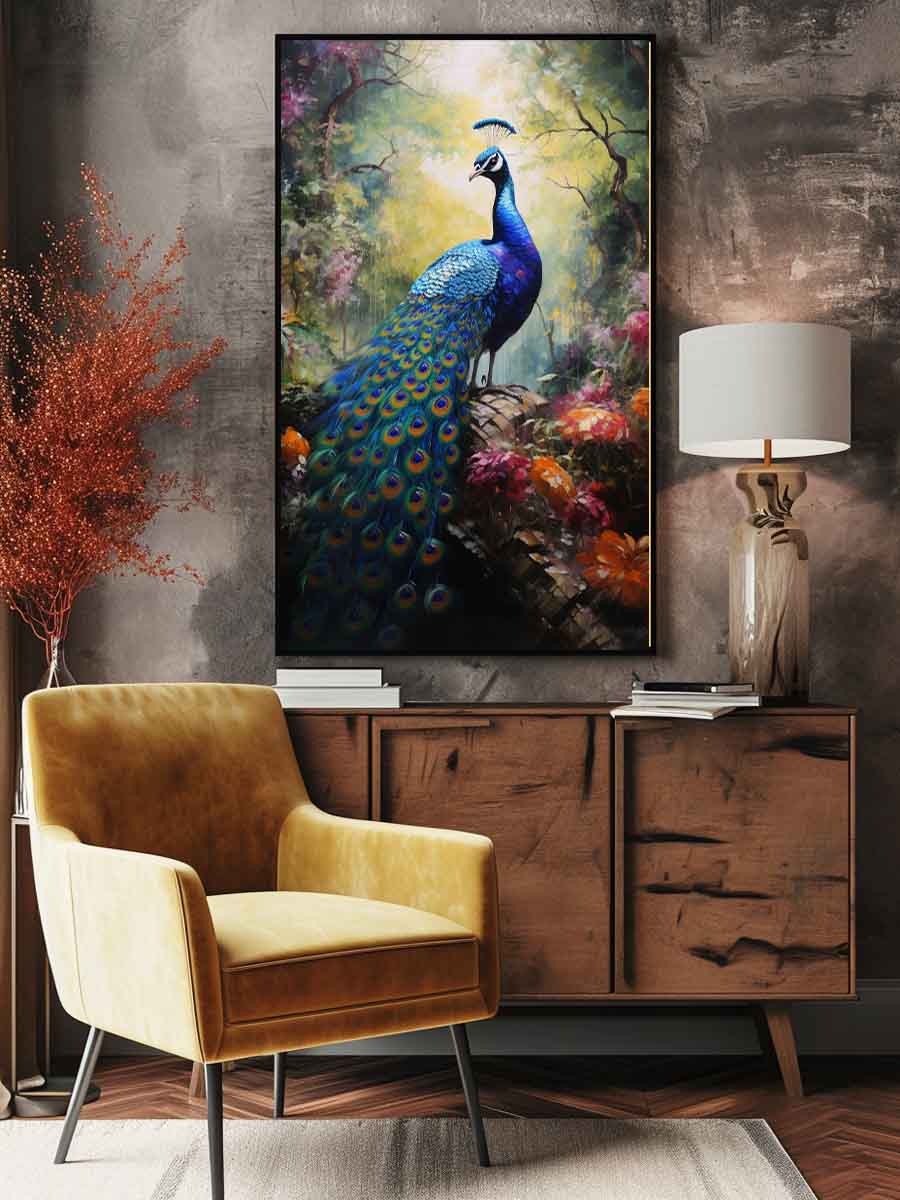
Beautiful Peacock Print


L'innocence (Innocence) by William-Adolphe Bouguereau


Van Gogh Sunflowers


The Cowboy by Frederic Remington


Blooming Grace 2 Piece Art Set


Midnight Sacred Devotion 2 Piece Art Set


Radiant Sacred Peace 2 Piece Art Set


Sacred Emerald Grace 2 Piece Art Set


Heavenly Sacred Light 2 Piece Art Set


Celestial Sacred Bloom 2 Piece Art Set


Divine Floral Serenity 2 Piece Art Set


Sacred Golden Grace 2 Piece Art Set


Ethereal Grace 2 Piece Art Set


Crimson Jazz 2 Piece Art Set


Golden Reverie 2 Piece Art Set


Golden Duality 2 Piece Art Set


Radiant Grace


White Spirit


Gentle Giraffe Trio


Tall Savanna Family


Indigo Giraffe Portrait


Amber Giraffe Bond


Sunlit Bloom Muse


Golden Crest Cockatoo


Celestial Prayer


Blue Veil Grace


Inner Vision


Lemur Muse


Cubist Reverie


Celestial Mercy


Golden Benediction


Divine Radiance


Sacred Whisper


Eternal Devotion


Gilded Siren


Rose Feather Grace


Sacred Grace


Sacred Light


Lotus Stillness


Golden Lotus Buddha
Portrait Art & Portrait Wall Art Prints for Modern, Classic & Contemporary Interiors
Discover Portrait Art that brings human expression, character, beauty and personality to your walls. Fame Art Gallery's Portrait Art collection explores the enduring visual appeal of people, faces and figures through classic-inspired, modern, contemporary, colorful, monochromatic and abstract portrait artwork. Whether you are furnishing a living room, bedroom, office, entryway, dining room or creative space, portrait wall art can create an immediate focal point while adding a distinctly human element to the interior. Choose artwork according to the subject, expression, artistic style, composition, color palette, orientation and wall size, then select the presentation that best complements your décor.
What Is Portrait Art?
Portrait Art is artwork in which a person, face or recognizable human figure is the primary subject. Portraiture can emphasize facial features, expression, posture, clothing, gesture, personality or the relationship between the subject and the surrounding composition.
Traditional portrait art often emphasizes recognizable representation, while modern and contemporary portraiture may reinterpret the human subject through expressive color, abstraction, simplified forms, unusual compositions, graphic treatments or stylized techniques.
Because portraiture can range from highly realistic to highly abstract, Portrait Art is not limited to one decorating style. The same subject category can work in classic, modern, minimalist, contemporary, eclectic and artistic interiors.
Why Choose Portrait Wall Art?
Portrait wall art introduces a recognizable human presence into an interior. Faces naturally create visual focus, while expression, posture, lighting and color influence the mood of the artwork.
A portrait can communicate elegance, confidence, mystery, emotion, individuality or artistic character depending on how the subject is represented. This makes portrait artwork especially useful when you want wall décor that feels more personal than purely decorative patterns or geometric compositions.
Portrait artwork can also function at different scales. A small face-focused piece can provide an intimate accent, while an oversized portrait can become the dominant visual element on a large living-room or bedroom wall.
What Makes Portrait Artwork Different?
The defining characteristic of portrait artwork is its focus on a human subject. The artwork may show the face alone, the head and shoulders, a full figure or several people, but the person remains central to the composition.
Portrait artists can create very different results by changing the pose, viewpoint, lighting, background, color palette, level of detail and degree of abstraction. A realistic portrait may emphasize identity and facial detail, while an expressive portrait may communicate personality primarily through color, gesture and composition.
Types of Portrait Art
Classic Portrait Art
Classic Portrait Art emphasizes recognizable human subjects, composed poses, detailed features and a timeless visual character. It can complement traditional, transitional and sophisticated interiors.
Modern Portrait Art
Modern Portrait Art can reinterpret the human subject through simplified shapes, bold contrast, controlled color and contemporary composition. It can work particularly well with clean-lined furniture and modern architecture.
Contemporary Portrait Art
Contemporary portraiture can combine recognizable faces and figures with expressive color, abstraction, unconventional composition and modern visual treatments. It provides a flexible way to introduce portraiture into current interiors.
Abstract Portrait Art
Abstract Portrait Art retains the recognizable idea of a person or face while transforming facial features, proportions, colors, lines or shapes. It is an effective choice when you want human-centered artwork with a more expressive contemporary appearance.
Female Portrait Art
Female portrait artwork places women or feminine figures at the center of the composition. Depending on the artistic treatment, these portraits can communicate elegance, strength, emotion, mystery, beauty or individuality.
Male Portrait Art
Male portrait artwork focuses on men or masculine figures. These compositions can range from traditional portraiture to dramatic, expressive, modern and contemporary interpretations.
Face Art
Face Art focuses closely on facial features and expression. Close-up compositions can create strong visual impact because the face becomes the immediate focal point.
Figure Portrait Art
Figure portrait artwork includes more of the person's body, clothing, posture or surrounding environment. These compositions can communicate context and personality beyond facial expression alone.
Colorful Portrait Art
Colorful portrait artwork uses vivid, unexpected or expressive colors to reinterpret the traditional portrait. These pieces can introduce strong decorative accents into otherwise neutral interiors.
Black and White Portrait Art
Black and white portrait artwork creates a timeless, high-contrast appearance. It can work naturally with modern, minimalist, monochromatic, classic and sophisticated interiors.
Profile Portrait Art
Profile portraits emphasize the outline and distinctive shape of the human face. Side-profile compositions can create a refined graphic quality and can work particularly well in minimalist and contemporary interiors.
Multiple-Person Portrait Art
Portrait artwork featuring two or more people creates a broader visual narrative and can introduce relationships, interaction and movement into the composition. These works can provide a larger focal point for spacious walls.
Portrait Art by Artistic Style
Realistic Portrait Art
Realistic portraiture emphasizes recognizable facial characteristics, proportions, expression and visual detail. It is suitable when you want the human subject to remain clearly identifiable.
Expressive Portrait Art
Expressive portraits use color, brushwork, contrast, gesture or composition to communicate mood and personality. The emphasis may be on emotional impact rather than photographic realism.
Minimalist Portrait Art
Minimalist portraits reduce the subject to essential lines, shapes, silhouettes or limited colors. They can introduce a human reference while maintaining an uncluttered interior.
Graphic Portrait Art
Graphic portraiture can emphasize bold outlines, blocks of color, simplified forms and strong visual contrast. These qualities make it particularly suitable for modern and contemporary rooms.
Portrait Art for Different Interior Styles
Modern Portrait Wall Art
Modern portrait artwork can complement clean-lined furniture, open layouts and restrained décor. Simplified compositions, monochromatic palettes and controlled contrast can create a cohesive modern appearance.
Contemporary Portrait Wall Art
Contemporary portrait art allows greater freedom in color, composition and artistic interpretation. It can bridge recognizable figurative artwork and modern decorative design.
Minimalist Portrait Wall Art
Minimalist portrait artwork can add personality without visually overwhelming a simple room. Look for limited colors, clean lines, negative space and uncomplicated compositions.
Classic Portrait Wall Art
Classic portrait artwork can complement traditional rooms featuring wood furniture, architectural details, formal arrangements and more decorative interiors.
Eclectic Portrait Wall Art
Portraits can become strong components of eclectic interiors when combined thoughtfully with other artwork, furniture and decorative objects. Use shared colors, framing or visual characteristics to maintain cohesion.
Luxury-Inspired Portrait Interiors
A carefully selected portrait can contribute to an elegant interior when its scale, presentation and palette work with the room's architectural details and furnishings. Restrained colors and strong compositions can create a sophisticated visual effect.
Portrait Wall Art for the Living Room
The living room is one of the most effective places for Portrait Wall Art because it often contains a prominent wall that can support a major visual focal point. A large portrait can work above a sofa, console, fireplace or other substantial furniture arrangement.
For a balanced living room, consider the relationship between the portrait's colors and the sofa, rug, flooring, curtains and accessories. The artwork does not need to match the room exactly; repeating one or two visual accents can be enough to create cohesion.
Portrait Art Above the Sofa
Portrait artwork above a sofa should relate visually to the width and scale of the seating arrangement. A very small portrait can appear disconnected from a large sofa, while an oversized piece may overwhelm a compact seating area.
Measure the sofa, wall and available hanging area before selecting the artwork. Consider portrait orientation as well as landscape or square compositions depending on the available space.
Explore the Wall Art Size Guide and Wall Art Above Sofa Guide for additional placement guidance.
Portrait Art for the Bedroom
Portrait artwork can make a bedroom feel more personal and expressive. Softer portraits, restrained colors and simpler compositions can create a quieter appearance, while dramatic or colorful portraiture can provide a stronger statement.
Consider the bed width, headboard, wall color, bedside tables and lighting when choosing portrait artwork. A portrait should complement the bedroom rather than compete with the primary furniture.
Explore Bedroom Art and the Bedroom Wall Art Ideas Guide.
Portrait Art for the Home Office
Portrait wall art can give a home office a distinctive identity while adding visual sophistication. A refined portrait can complement a traditional workspace, while modern or abstract portraiture can work well in a contemporary office.
Position the artwork where it contributes to the room's character without competing with the desk, computer, shelving, lighting or other functional elements.
Portrait Art for Dining Rooms
A portrait can create an unexpected focal point in a dining room. Traditional portraiture can complement classic furniture, while contemporary portrait artwork can create visual contrast against modern tables, lighting and minimalist décor.
Consider the relationship between the artwork, dining table, wall width and lighting fixture before choosing the final scale.
Portrait Art for Entryways
A portrait in an entryway can introduce personality immediately. Face-focused artwork can create an immediate visual point of interest, while vertical figure portraits can make effective use of narrow walls.
Choose artwork with a clear composition when it will be viewed quickly as people enter or move through the space.
Portrait Art for Hallways
Hallways can benefit from portrait artwork because the human face remains recognizable even when viewed from a distance. Vertical portraits can work particularly well on narrower walls, while multiple smaller portraits can create a connected sequence along a longer hallway.
Portrait Art for Apartments & Small Spaces
Portrait artwork can be especially effective in smaller spaces because a recognizable face or figure creates visual interest without requiring a complex decorative arrangement.
In a compact room, consider one well-proportioned portrait rather than filling the wall with unrelated pieces. Smaller portraits can also be combined into a carefully planned gallery wall.
Explore the Small Wall Art Ideas Guide and Wall Art for Small Spaces Guide.
Large Portrait Wall Art
Large Portrait Art can create an immediate focal point in spacious interiors. An oversized face, figure or multi-person composition can provide substantial visual weight above a sofa, bed, console or other major furniture arrangement.
Large portrait artwork should be selected according to the wall's dimensions and the scale of the surrounding furniture. Consider viewing distance as well as the physical size of the wall.
Portrait Art for Large Walls
A large wall can support one oversized portrait or a coordinated collection of smaller portraits. A single large portrait creates a clean visual hierarchy, while multiple related works can produce a more layered gallery effect.
When using several portraits, create visual cohesion through shared colors, frame treatments, subject relationships or consistent spacing.
Explore the Wall Art for Large Walls Guide.
Portrait Art for High Ceilings
High ceilings create additional vertical wall space, making portrait orientation a natural consideration. Tall portrait artwork can emphasize vertical architecture, while larger horizontal compositions can anchor broad walls.
Do not choose artwork solely because it is large. Consider its position relative to furniture, eye level, architectural details and the overall proportions of the room.
Explore the Wall Art for High Ceilings Guide.
Portrait Art by Color
Black and White Portrait Art
Black and white portraiture provides strong contrast and a timeless appearance. It is particularly versatile in modern, minimalist, contemporary and monochromatic interiors.
Colorful Portrait Art
Colorful portraits can become powerful decorative accents. If the artwork contains several vivid colors, repeat one or two of them subtly elsewhere in the room rather than attempting to reproduce the entire palette.
Blue Portrait Art
Blue portrait artwork can create a cooler and more atmospheric visual effect. It can complement interiors featuring blue, gray, white and neutral tones.
Red Portrait Art
Red portrait artwork can introduce intensity and visual energy. It works particularly well when the surrounding interior uses restrained colors that allow the artwork to stand out.
Neutral Portrait Art
Neutral portrait artwork using beige, cream, gray, brown and other restrained tones can integrate naturally into sophisticated interiors without creating a dominant accent color.
Dark Portrait Art
Dark portrait artwork can create a dramatic visual effect and can work particularly well in rooms using charcoal, black, deep brown or other darker decorative elements.
Portrait Art by Orientation
Vertical Portrait Art
Vertical portrait artwork naturally emphasizes height and can work well on narrower walls, beside furniture, in entryways and in rooms with tall architectural proportions.
Horizontal Portrait Art
Horizontal portrait compositions can work effectively above wider furniture such as sofas, sideboards and consoles. They can also provide a broader visual presence across an expansive wall.
Square Portrait Art
Square portrait compositions offer flexible placement and can work particularly well in gallery walls, compact spaces and balanced furniture arrangements.
Canvas Portrait Art
Canvas provides a versatile presentation for portrait artwork and can complement modern, contemporary, classic and creative interiors. The clean presentation allows the face, figure, expression and artistic treatment to remain the central visual focus.
Explore Canvas Prints for additional canvas artwork.
Framed Portrait Wall Art
Framed portrait artwork provides a defined boundary around the composition and can add additional structure to the presentation. It can work particularly well in traditional, transitional, classic and sophisticated interiors.
Explore Framed Prints to compare framed presentation options.
Portrait Art vs. Figurative Art
Portrait Art focuses primarily on representing a particular person, face or recognizable human subject. Figurative Art is broader and can depict human figures without necessarily functioning as a portrait of a specific individual.
Choose portrait art when identity, expression or the appearance of the person is central. Choose broader figurative artwork when body position, movement, anatomy or human form is the primary visual focus.
Portrait Art vs. Face Art
Face Art generally places the facial features and expression at the center of the composition. Portrait Art can extend beyond the face to include the head, shoulders, body, clothing, posture and surrounding environment.
Portrait Art vs. People Art
People Art can include broader scenes featuring groups or individuals, while Portrait Art generally gives greater emphasis to a particular person's appearance, face, expression or character.
Portrait Art vs. Abstract Art
Portrait Art generally retains a recognizable human subject, while Abstract Art can prioritize color, shape, line, texture and composition without requiring a recognizable person.
Abstract Portrait Art combines these approaches by preserving enough facial or human characteristics to communicate the subject while using abstraction as an important part of the visual language.
Explore Abstract Art for broader abstract artwork.
Portrait Art vs. Modern Art
Portrait Art describes the subject, while Modern Art describes an artistic direction. A portrait can therefore also be modern, contemporary, minimalist, abstract or classic depending on its artistic treatment.
Explore Modern Art to compare portraiture with broader modern artwork.
How to Choose Portrait Wall Art
- Choose the subject: Decide whether you prefer a face, individual, figure, profile or group composition.
- Select the artistic style: Consider realistic, classic, modern, contemporary, abstract, graphic or minimalist portraiture.
- Consider the mood: Decide whether you want calm, dramatic, elegant, mysterious, energetic or expressive artwork.
- Review the expression: Consider how the subject's expression and posture affect the overall atmosphere.
- Consider the color palette: Look at the artwork's dominant colors alongside your wall, furniture and accessories.
- Measure the wall: Determine the available width and height before selecting artwork dimensions.
- Consider orientation: Choose vertical, horizontal or square artwork according to the wall and furniture.
- Select the presentation: Compare canvas and framed options according to the interior.
How to Style Portrait Wall Art
Portrait artwork naturally attracts attention, so the surrounding décor should support rather than compete with the subject. If the artwork contains a distinctive accent color, repeat that color subtly through cushions, rugs, decorative objects or other small details.
For sophisticated interiors, combine portrait artwork with restrained furniture and sufficient negative space. For eclectic spaces, combine portraiture with complementary artwork while maintaining a coherent relationship through color, framing or composition.
Explore Interior Design With Art for additional artwork styling ideas.
Create a Portrait Feature Wall
A portrait feature wall can establish a strong visual identity in a living room, bedroom, office, entryway or creative space. One oversized portrait can create a clean focal point, while several coordinated portraits can create a more layered artistic display.
When using a single statement portrait, leave sufficient negative space around the artwork so the face or figure remains the dominant visual element.
Create a Portrait Gallery Wall
A portrait gallery wall can combine faces, figures, photography, abstract artwork, landscapes and other complementary pieces. The individual works do not need to be identical; cohesion can come from repeated colors, frame finishes, spacing or artistic characteristics.
Plan the arrangement before hanging the pieces so the overall composition feels intentional rather than randomly assembled.
Explore the Gallery Wall Guide for additional planning guidance.
Portrait Art as a Statement Piece
A statement portrait should have sufficient scale, contrast or visual character to command attention. An oversized face, dramatic figure or expressive composition can become the primary artwork in a room.
If the portrait is intended to be the statement piece, keep nearby wall décor relatively restrained. This creates a clear visual hierarchy and gives the artwork room to breathe.
Portrait Art in Open-Plan Interiors
Portrait artwork can help establish visual zones within an open-plan interior. A substantial portrait positioned in the living area can define that zone while adding personality without requiring a physical divider.
Consider how the artwork appears from different viewpoints and how its colors relate to the dining, kitchen and living areas surrounding it.
How to Match Portrait Art With Furniture
Consider the dominant colors, materials and shapes of your furniture when selecting portrait artwork. Dark leather or wood furniture can support dramatic or high-contrast portraits, while lighter upholstery can pair effectively with neutral, colorful or softer compositions.
The artwork does not need to directly match one furniture item. Instead, look at the relationship among the portrait, sofa, bed, flooring, lighting, wall color and decorative accessories.
Explore How to Match Art With Furniture for additional guidance.
Portrait Wall Art Buying Checklist
- Measure the wall before selecting artwork.
- Measure the furniture beneath or near the artwork.
- Decide whether you prefer a face, individual, figure, profile or group.
- Choose realistic, classic, modern, contemporary, abstract or minimalist portraiture.
- Consider the expression and mood of the subject.
- Review the artwork's dominant and secondary colors.
- Choose portrait, landscape or square orientation according to the wall.
- Consider viewing distance and room proportions.
- Compare canvas and framed presentation.
- Decide whether one statement portrait or several pieces will suit the space.
- Consider how the artwork interacts with lighting, furniture and other wall décor.
Explore More Wall Art Styles
Portrait Art can work alongside many other artwork categories and styles. Explore Wall Art Prints, Modern Wall Art, Contemporary Wall Art and Paintings for additional artwork directions.
Why Choose Portrait Art from Fame Art Gallery?
Fame Art Gallery offers Portrait Art for shoppers who want to bring human expression, personality and artistic character into their interiors. The collection can be considered according to subject, artistic direction, color, scale and presentation, making it easier to choose artwork for a particular room and decorating style.
Whether your preference is classic portraiture, expressive face art, contemporary human figures, colorful portrait artwork or abstract interpretations, portrait wall art can function as both personal expression and an intentional interior design element.
Fame Art Gallery also offers broader collections across artistic styles, rooms and presentation formats, allowing shoppers to compare Portrait Art with modern, contemporary, abstract, canvas and framed artwork when developing a cohesive wall-art collection.
Frequently Asked Questions About Portrait Art
What is Portrait Art?
Portrait Art is artwork in which a person, face or recognizable human figure is the primary subject. Portraiture can be realistic, classic, modern, contemporary, abstract, minimalist, graphic or expressive.
What is Portrait Wall Art?
Portrait Wall Art is portrait-focused artwork intended to be displayed as wall décor. It can feature faces, individuals, figures or groups and can range from traditional-looking portraits to contemporary and abstract interpretations.
What is the difference between a portrait and a figure painting?
A portrait generally emphasizes the identity, appearance or expression of a person, while a figure painting may focus more broadly on the human body, pose, movement or composition without requiring the subject to be a specific identifiable individual.
Where should I hang Portrait Wall Art?
Portrait Wall Art can work in living rooms, bedrooms, offices, dining rooms, entryways and hallways. Choose the location according to the artwork's dimensions, orientation, color palette and relationship to nearby furniture.
Is Portrait Art suitable for a modern home?
Yes. Modern and contemporary portrait artwork can work naturally with clean-lined furniture and current interior styles. Simplified forms, strong contrast, abstract treatments and restrained palettes can give portraiture a modern appearance.
Is Portrait Art good for a living room?
Yes. A portrait can become a strong living-room focal point, particularly above a sofa, console or fireplace. Select artwork according to the wall dimensions, furniture scale and existing color palette.
Can Portrait Art be used in a bedroom?
Yes. Portrait artwork can personalize a bedroom and introduce visual character. Softer compositions can provide a restrained appearance, while dramatic or colorful portraits can create a stronger statement.
What size Portrait Wall Art should I choose?
The appropriate size depends on the wall, furniture and overall room scale. Measure the available wall space and nearby furniture before selecting artwork, then choose a size that creates a balanced visual relationship.
Is large Portrait Art good above a sofa?
Yes. A large portrait can work effectively above a sofa when its proportions relate to the furniture and wall. Measure the sofa and available wall area before selecting the artwork.
What colors work well with Portrait Art?
Portrait artwork can work with black and white, neutral, blue, red, colorful, dark and many other palettes. Choose colors that complement the existing interior rather than attempting to match every decorative element.
Should I choose canvas or framed Portrait Art?
Canvas provides a versatile presentation that can suit many interior styles, while framed artwork adds a defined border and additional structure. Choose according to your décor and preferred presentation.
Can Portrait Art be abstract?
Yes. Abstract Portrait Art can preserve recognizable facial or human characteristics while using simplified forms, expressive colors, fragmented shapes or unconventional compositions.
What is the difference between Portrait Art and Face Art?
Face Art generally focuses closely on facial features and expression, while Portrait Art can include the face along with the shoulders, body, clothing, posture and surrounding environment.
What is the difference between Portrait Art and Figurative Art?
Portrait Art focuses on representing a person or recognizable human subject. Figurative Art is broader and can depict human figures without necessarily functioning as a portrait of a particular individual.
Can Portrait Art be used in an office?
Yes. Portrait artwork can add personality and sophistication to a home office or creative workspace. Choose a composition that complements the professional character of the room without competing with functional elements.
Can Portrait Art be used in a gallery wall?
Yes. Portraits can be combined with photography, abstract artwork, landscapes and other complementary pieces. Consistent spacing, framing, color relationships or artistic characteristics can help unify the arrangement.
Can Portrait Art be used as a statement piece?
Yes. A large face, expressive portrait or dramatic figure composition can become the primary focal point of a room. Keep surrounding décor relatively restrained so the portrait retains visual prominence.
Is black and white Portrait Art good for modern interiors?
Yes. Black and white portraiture provides strong contrast and a timeless appearance that can complement modern, minimalist, contemporary and monochromatic interiors.
How do I choose Portrait Art for a large wall?
Measure the wall first and consider the furniture beneath it. One oversized portrait can create a dramatic focal point, while multiple coordinated portraits can create a layered gallery-style arrangement.
Find Portrait Wall Art for Your Space
Choose Portrait Art according to the subject, expression, artistic style, color palette, orientation, scale and presentation that best suit your personality and interior. From classic-inspired portraiture and expressive faces to modern, colorful and abstract human subjects, the right portrait can transform an empty wall into a distinctive focal point.
Explore the Portrait Art collection at Fame Art Gallery and find artwork that brings human character, expression and artistic personality into your space.