
Soft Tone Wall Art & Soft Neutral Paintings | Fame Art Gallery


“Azure Meadow Whisper”


“Floating Harmony”


“Ethereal Waltz in Silence”

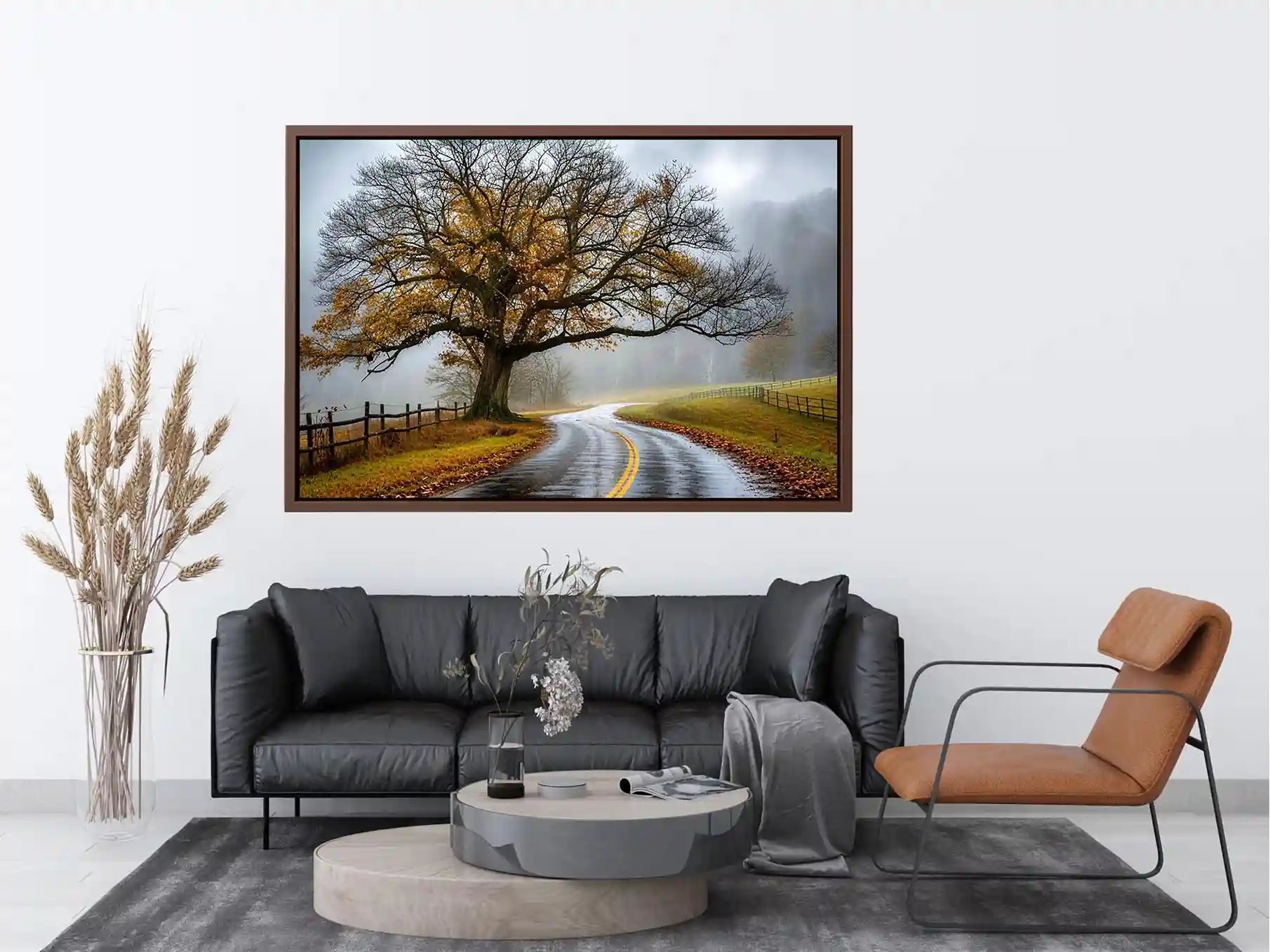
The Quiet Road Home”


Blush Tropical Breeze


Blush Blossom Serenity


Coral Rose Serenity
Soft Tone Wall Art for Calm, Elegant and Contemporary Interiors
Create a refined and calming atmosphere with Soft Tone Wall Art from Fame Art Gallery. Featuring gentle colours, muted neutrals, subtle contrasts, delicate textures and understated compositions, this collection offers an elegant way to decorate your walls without overwhelming your interior. Discover soft-toned artwork for living rooms, bedrooms, dining rooms, offices, studies, reading spaces, apartments and contemporary interiors.
Soft tone artwork can bring balance and visual softness to a room while still providing a distinctive decorative focal point. From warm beige and cream to soft grey, dusty blue, muted green, blush, taupe and other understated shades, these artworks can complement a wide range of furniture, materials and interior styles.
Shop Soft Tone Wall Art
Explore artwork created around subtle colour palettes, gentle contrasts and sophisticated compositions. Choose from abstract, landscape, botanical, floral, coastal, minimalist and contemporary artwork featuring softer tones and understated visual character.
Soft-toned wall art is particularly versatile because it can complement existing décor rather than competing with it. Choose artwork that echoes your room's natural materials and neutral furnishings, or use subtle colour to introduce a gentle accent.
For broader neutral artwork, explore Neutral Wall Art. For understated contemporary compositions, browse Minimalist Wall Art. For modern compositions, explore Modern Wall Art.
Why Choose Soft Tone Wall Art?
- Creates visual calm: Muted colours and gentle contrasts can create a softer appearance within an interior.
- Complements neutral décor: Soft artwork works naturally with cream, beige, white, grey, taupe and natural wood interiors.
- Adds subtle colour: Introduce colour without creating a visually intense focal point.
- Works across interior styles: Soft-toned artwork can suit minimalist, modern, Scandinavian, contemporary, coastal, traditional and relaxed interiors.
- Provides timeless versatility: Understated palettes can adapt as furniture, accessories and room colours change.
How to Choose Soft Tone Wall Art
Start With Your Room's Existing Colours
Look at your walls, flooring, furniture, curtains, rugs and decorative accessories before choosing artwork. Soft tones do not need to match perfectly, but selecting related undertones can help create a cohesive interior.
Choose Warm or Cool Tones
Warm soft tones such as cream, beige, sand, taupe and muted blush can create a welcoming appearance. Cooler tones such as soft grey, pale blue and muted green can contribute to a fresher and quieter visual character.
Consider Contrast
Soft artwork does not have to be completely pale. A composition can use gentle contrast between light and slightly darker tones to create depth while maintaining an understated appearance.
Consider Texture
Subtle textures, brushwork, layering and tonal variation can make soft-coloured artwork visually interesting. This can be particularly useful when decorating a room with neutral walls and furniture.
Select the Right Size
Measure the usable wall before selecting your artwork. Consider nearby sofas, beds, desks, consoles, shelving, windows and lighting. Large soft-tone artwork can create an elegant focal point, while smaller pieces can complement compact spaces and gallery walls.
Soft Tone Wall Art for Different Rooms
Living Rooms
Soft-toned artwork can create an elegant focal point above a sofa, console or sideboard. Larger compositions can introduce subtle colour and texture while maintaining a relaxed atmosphere.
Bedrooms
Soft colours are particularly versatile in bedrooms where a calm visual environment may be preferred. Consider gentle landscapes, abstract compositions, botanical subjects or muted coastal scenes.
Dining Rooms
Soft artwork can complement dining rooms with neutral walls, timber furniture, stone surfaces and understated decorative finishes. Choose a composition with enough contrast to remain visible without dominating the space.
Home Offices and Studies
Soft-tone artwork can add personality to a workspace without creating an overly busy backdrop. Consider minimalist, abstract, architectural or nature-inspired compositions that work with your desk and shelving.
Reading Nooks
Soft-toned artwork can complement reading spaces particularly well. Gentle colours, subtle textures and simple compositions can create a visually cohesive backdrop around an armchair, bookshelf or small side table.
Hospitality and Commercial Interiors
Soft-tone artwork can suit hotels, restaurants, cafés, reception areas, offices and wellness-inspired environments where understated decoration is appropriate. Neutral compositions can provide visual interest while working with a broader interior design scheme.
Neutral Soft Tone Wall Art
Neutral artwork uses colours such as white, cream, beige, taupe, sand, greige and soft grey to create an understated visual palette. These colours can complement both warm and cool interior schemes depending on their undertones.
Neutral soft-tone artwork can be particularly useful when you want the wall decoration to enhance the room without introducing a strong new colour family.
Pastel Soft Tone Wall Art
Pastel artwork can introduce gentle colour while maintaining the quiet character associated with soft-tone interiors. Pale blue, dusty pink, muted lavender, soft green and other delicate shades can provide subtle accents.
Pastel artwork can work especially well in bedrooms, nurseries, reading spaces and contemporary interiors where a lighter colour palette is preferred.
Soft Abstract Wall Art
Abstract artwork can be particularly effective in soft tones because subtle colour relationships, organic shapes and layered textures can create visual interest without relying on strong contrast.
Consider abstract compositions with flowing forms, tonal gradients, soft brushwork or restrained geometric elements for modern and minimalist spaces.
Soft Botanical and Nature Wall Art
Botanical and nature artwork naturally complements soft colour palettes. Leaves, flowers, branches, landscapes and other natural subjects can introduce organic forms while maintaining an understated appearance.
For nature-inspired compositions, explore Nature Wall Art. For botanical subjects, browse Botanical Wall Art.
Soft Tone Art for Minimalist Interiors
Soft-toned artwork can complement minimalist interiors by adding warmth, texture and personality without overwhelming clean architectural lines. Choose compositions with restrained colour palettes, generous negative space and clear visual structure.
A single carefully selected artwork can provide enough character for a minimalist wall while maintaining the simplicity of the surrounding room.
Soft Tone Art for Modern Interiors
Modern interiors can benefit from soft artwork because gentle colours can soften contemporary materials and strong architectural forms. Pair muted artwork with clean furniture, natural timber, stone, glass or metal finishes for a balanced appearance.
For a broader selection of contemporary compositions, explore Modern Wall Art.
Soft Coastal Wall Art
Soft coastal artwork can combine pale blues, sandy neutrals, cream, grey and muted aqua tones with ocean, beach and shoreline subjects. These compositions can create a relaxed coastal appearance without relying on strong nautical themes.
For seaside-inspired artwork, explore Coastal Wall Art. For ocean-focused artwork, browse Ocean Wall Art.
Soft Tone Wall Art and Interior Colour Schemes
Soft artwork can be used to reinforce an existing colour scheme or introduce a subtle new accent. Consider repeating one or two artwork colours elsewhere in the room through cushions, rugs, curtains, ceramics or decorative accessories.
For a layered neutral interior, combine different shades of cream, beige, taupe, grey and natural materials. For a softer colourful interior, use muted blue, green, blush or lavender as restrained accent tones.
Canvas and Framed Soft Tone Artwork
The presentation format can influence the overall character of soft-tone artwork. Canvas can provide a relaxed gallery-style appearance that works particularly well with abstract, landscape and contemporary compositions. Framed prints can provide a more structured appearance suitable for bedrooms, studies, dining rooms and traditional interiors.
Fame Art Gallery offers different presentation formats across applicable artworks. Exact media, dimensions, finishes and framing options vary by product, so review the individual product listing for the specific artwork you are considering.
How to Position Soft Tone Wall Art
Consider positioning soft artwork above a sofa, bed, console, dining table, desk or reading chair. Allow sufficient surrounding space so subtle colours and fine details remain visible.
When artwork has a particularly light palette, consider the wall colour behind it. A small amount of contrast can help the artwork remain defined without compromising its soft appearance.
For practical guidance on artwork dimensions and placement, explore the Wall Art Size Guide and Wall Art Placement Guide.
Large Soft Tone Wall Art
Large soft-tone artwork can create a sophisticated focal point across a broad wall. Expansive abstract compositions, muted landscapes and tonal artwork can add visual depth without making a room feel overly busy.
Before selecting a large piece, measure the usable wall carefully and consider the furniture beneath it. Ensure the artwork has sufficient surrounding space and is visible from the main viewing position.
Small Soft Tone Wall Art
Smaller soft-tone artwork can add subtle decorative detail to bedrooms, hallways, offices, reading nooks and compact rooms. Small pieces can also be arranged together to create a cohesive gallery wall.
When creating a gallery arrangement, use related colour palettes, framing styles, subjects or artistic techniques to connect the individual pieces.
Create a Soft and Neutral Gallery Wall
A gallery wall using soft-toned artwork can combine abstract, botanical, landscape, coastal and minimalist subjects while maintaining a calm overall palette. Choose artwork with complementary tones rather than requiring every piece to be identical.
For a cohesive result, repeat selected colours throughout the arrangement and consider consistent spacing between artworks. A mixture of sizes can create visual rhythm while maintaining an understated appearance.
Soft Tone Wall Art FAQs
What is Soft Tone Wall Art?
Soft Tone Wall Art features gentle, muted or understated colour palettes, often including cream, beige, taupe, soft grey, pale blue, muted green, blush and other subtle shades. The artwork can include abstract, landscape, botanical, coastal, floral and contemporary subjects.
Where should I hang soft-tone artwork?
Soft artwork can be displayed in living rooms, bedrooms, dining rooms, offices, studies, reading nooks, hallways and commercial interiors. Choose the location according to the artwork's size, viewing distance, lighting and relationship with surrounding furniture.
What colours work well with soft-tone wall art?
Soft-tone artwork can complement neutral shades such as white, cream, beige, taupe, greige and grey, as well as muted blues, greens, blush and natural timber tones. Consider the undertone of the artwork and surrounding décor when creating a cohesive palette.
Is soft-tone wall art suitable for modern homes?
Yes. Soft artwork can complement modern interiors by adding colour, texture and visual warmth while maintaining clean and understated styling. Minimalist and abstract compositions can work particularly well in contemporary spaces.
Can soft-tone artwork create a gallery wall?
Yes. Combine soft abstract, botanical, landscape, coastal and minimalist pieces to create a cohesive gallery wall. Use complementary colours, framing or artistic styles to maintain visual continuity.
What size soft-tone painting should I choose?
The appropriate size depends on the available wall, surrounding furniture, viewing distance and artwork orientation. Large artwork can create an elegant statement, while smaller pieces can suit compact spaces and gallery arrangements. Measure the usable wall area and compare it with the exact product dimensions.
Explore Related Soft, Neutral and Modern Wall Art
Continue exploring understated artwork with Neutral Wall Art, Minimalist Wall Art, Modern Wall Art, Nature Wall Art and Coastal Wall Art.