
Colourful Art & Colorful Wall Art | Fame Art Gallery


Rainbow Animal Train


Pastel Moon Unicorn


Rainbow Unicorn Dream


Spectrum Petals

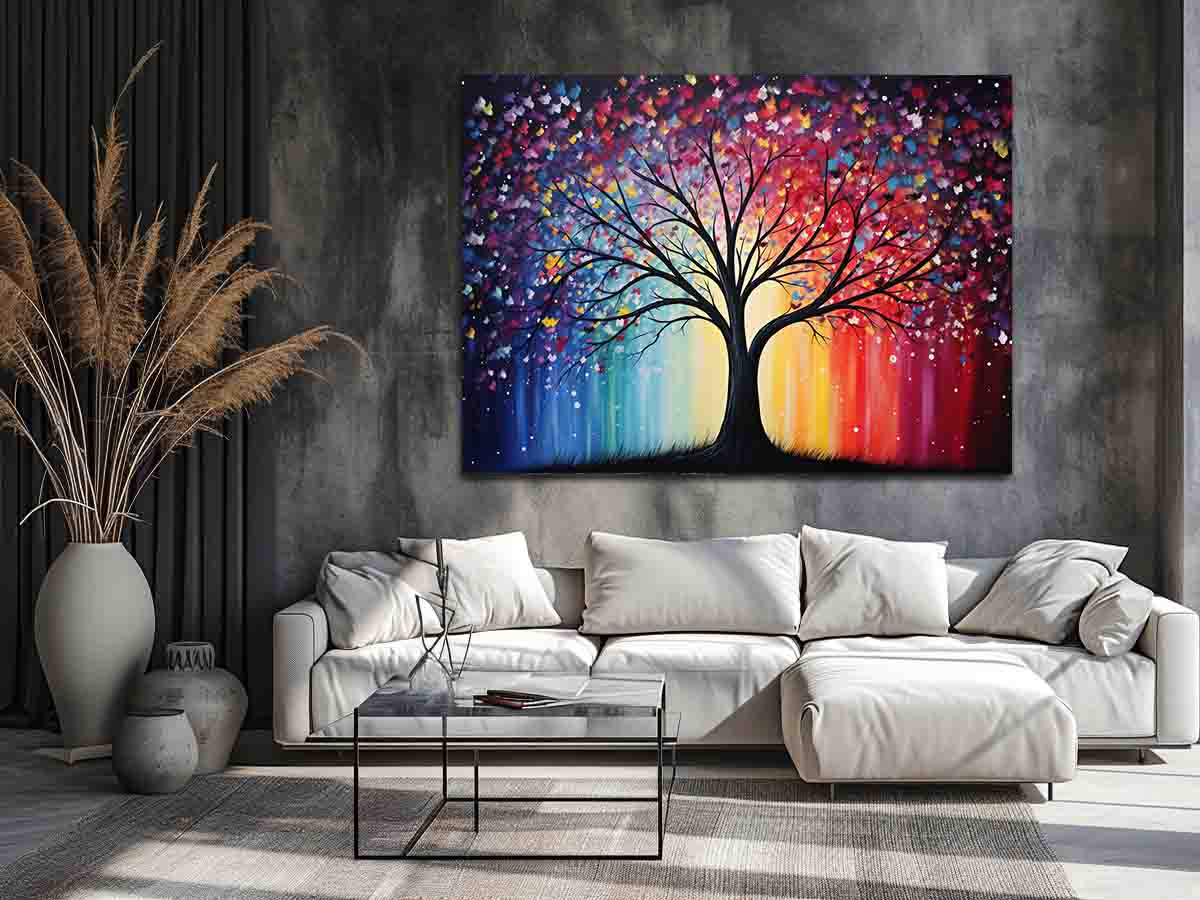
Radiant Midnight Tree


Rainy London Glow


Rainbow Unicorn Joy


Neon Avenue


Neon City Rain

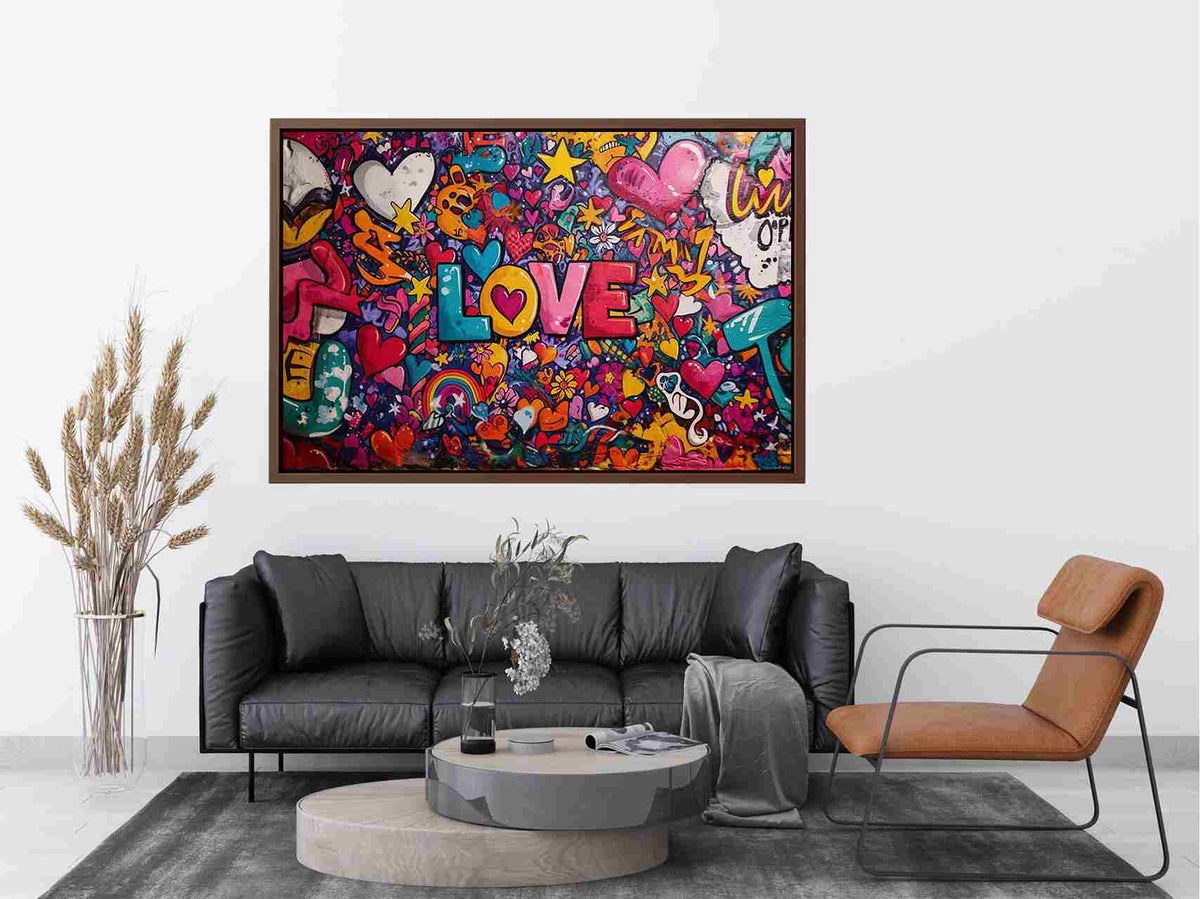
Joy Wall


Azure Parade


Rainlit Crossing


Chromatic Spiral


Rainbow Facets


Electric Garden Path


Crowned Chalice Muse

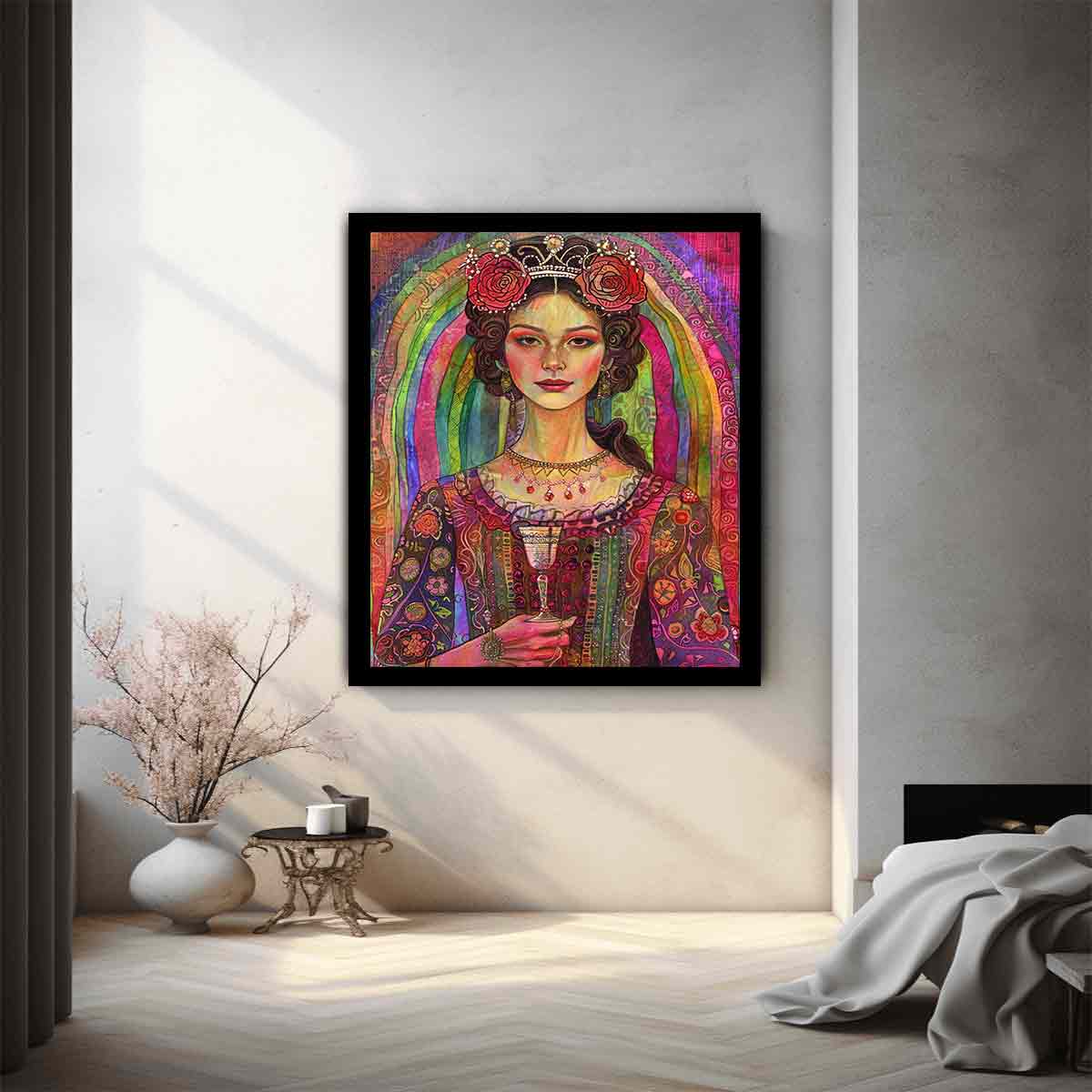
Rainbow Rose Queen


Rainbow Feather Trio


Manhattan Rain Rhythm


Amber Rain Walk


Neon Laneway Rain


Moonlit Ocean 2 Piece Art Set


Coastal Arch Serenity 2 Piece Art Set


Autumn Glow Walk


Harbour Rain Lights

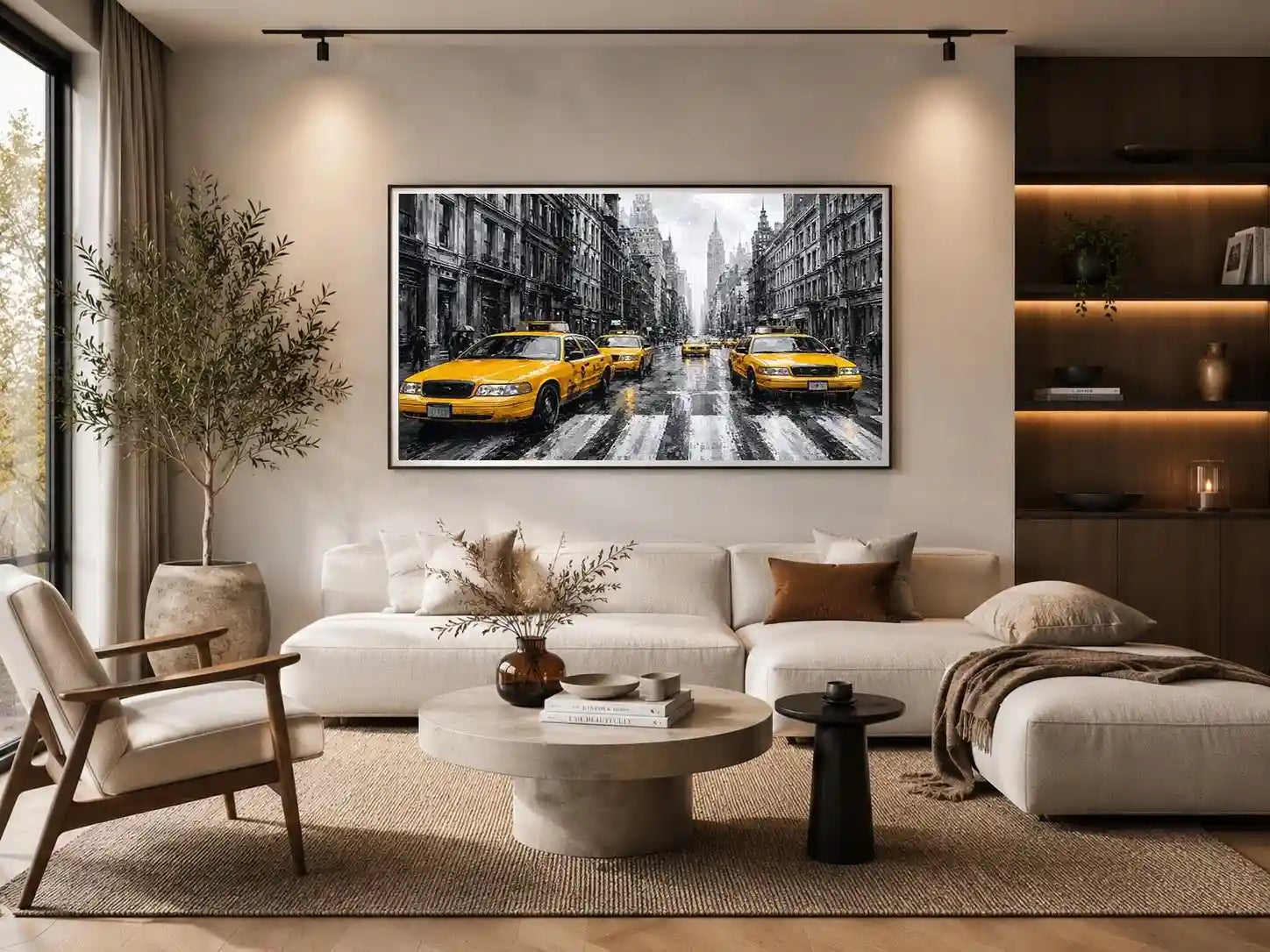
Rainy Taxi Avenue


Monsoon Mumbai


Rainlight Stroll


Prismatic Serpent


Prismatic Cathedral


Rainbow Ark Adventure


Rainbow Voyage Friends


Rainbow Kingdom


Dreamland Unicorns


Rainbow Meadow


Cosmic Duality


Spectrum Within


Chromatic Wonder Elephant


Safari Kaleidoscope


Shelter in the Rain
Colourful Art & Colorful Wall Art
Discover Colourful Art from Fame Art Gallery, featuring vibrant paintings, expressive abstracts, multicolor compositions, decorative patterns and artwork where color creates the visual focus. This collection is designed for shoppers looking to add energy, contrast and personality to their walls while choosing artwork around a specific palette, artistic style, subject or interior. From bold contemporary compositions and colorful geometric designs to expressive floral and landscape artwork, colorful wall art can transform an empty wall into a deliberate focal point. Choose your artwork by color family, composition, subject, size and presentation to create a display that complements your living room, bedroom, dining area, kitchen, office or creative space.
What Is Colourful Art?
Colourful Art is artwork in which vivid hues, multiple colors or strong color relationships play a significant role in the composition. Color may define shapes, create contrast, establish atmosphere, emphasize a subject or become the primary visual feature.
Colourful artwork is not limited to one artistic movement. It can include abstract, modern, contemporary, geometric, floral, landscape, figurative and decorative approaches. The common characteristic is the prominent role that color plays in the artwork's visual identity.
Why Choose Colourful Wall Art?
- Create a focal point: Vibrant artwork can give an empty wall an immediate visual center.
- Add personality: Strong color combinations can make a room feel more expressive and individual.
- Introduce accent colors: Artwork can bring new hues into an interior without replacing major furniture.
- Connect existing décor: Repeating colors from rugs, cushions, upholstery or accessories can create visual continuity.
- Balance neutral interiors: A colorful composition can add contrast to white, cream, beige or gray surroundings.
- Build a coordinated display: A shared palette can connect multiple artworks across one wall or several rooms.
Types of Colourful Art to Explore
Colourful Abstract Art
Colorful abstract art uses color, shape, line, texture and composition without depending on a literal representation of a scene. Bold color fields, expressive marks, layered forms and contrasting hues can create a strong contemporary focal point.
Explore Abstract Art when non-representational composition is as important to you as color.
Vibrant Paintings
Vibrant paintings use noticeable hues and strong color relationships to create visual energy. The subject may be recognizable, or the painting may rely primarily on expressive color, brushwork and composition.
Browse Paintings for a broader selection of painted artwork.
Multicolor Wall Art
Multicolor artwork incorporates several hues within a single composition. This can make a piece particularly useful when you want one artwork to connect different accent colors already present in a room.
Colourful Geometric Art
Geometric compositions combine structured shapes, lines, repetition and color relationships. Contrasting or complementary hues can emphasize the structure and create a graphic focal point.
Explore Geometric Art when geometric structure is a primary part of the artwork you want.
Colourful Floral Art
Flowers and botanical subjects provide natural opportunities for vivid color. Bright petals, contrasting foliage and expressive backgrounds can make floral artwork a strong decorative feature.
Explore Floral Wall Art when flowers and botanical subjects are central to your search.
Colourful Landscape Art
Landscape artwork can use expressive rather than strictly realistic colors. Dramatic skies, sunsets, mountains, forests, oceans and other scenic subjects can become visually distinctive through unexpected or intensified palettes.
Explore Landscape Wall Art for more scenic artwork.
Colourful Art by Palette
Choosing a dominant palette is one of the easiest ways to narrow your search. Consider whether you want the artwork to repeat colors already present in the room or introduce deliberate contrast.
Warm Colourful Art
Reds, oranges, yellows, pinks and related hues can create an energetic and inviting visual presence. Warm artwork can provide a noticeable accent against neutral walls and furnishings.
Cool Colourful Art
Blues, greens, turquoise and related tones can establish a cooler visual direction. These colors can complement interiors that already use cool furnishings, textiles or decorative accents.
Rainbow and Multicolor Art
Artwork incorporating numerous colors can connect several decorative tones within one room. Rather than matching one specific accent, multicolor artwork can provide a visual bridge between different colors.
Pastel Colourful Art
Pastel artwork introduces color with a softer visual intensity. It can be useful when you want a colorful interior while maintaining a lighter, more understated atmosphere.
Deep and Rich Colour Palettes
Deep blues, greens, reds, purples and other rich hues can create stronger contrast and visual depth. These palettes can work particularly well against lighter walls and restrained furnishings.
How Colourful Art Changes a Room
Wall art occupies a concentrated area of visual information, so its color palette can influence how the surrounding room is perceived. A large, saturated composition may become the dominant focal point, while a smaller colorful print can work as an accent.
Think about the artwork's relationship with the room as a whole. Exact color matching is not required. Repeating one or two prominent tones can be enough to create cohesion, while contrasting colors can make the artwork more noticeable.
Colourful Art for Living Rooms
The living room is a natural setting for a colorful focal piece. A larger artwork above a sofa can establish the main visual anchor, while smaller colorful pieces can complement a console, shelving or secondary wall.
If your furniture is neutral, vibrant artwork can introduce a strong decorative accent. If the furniture, rug and accessories already contain several colors or patterns, a more controlled artwork palette may create better balance.
Explore Living Room Wall Art for additional room-focused options.
Colourful Art for Bedrooms
Colorful bedroom artwork can personalize the space and introduce a deliberate palette around the bed, dresser or feature wall. Softer colors can create a quieter visual direction, while brighter compositions can provide a more energetic accent.
Before choosing a piece, consider the colors of your bedding, headboard, curtains, rugs and other textiles.
Explore Bedroom Art for additional bedroom artwork.
Colourful Art for Dining Rooms
Dining rooms often provide a clear wall area for a decorative focal point. Colorful artwork can relate visually to the dining table, chairs, lighting or nearby accessories without requiring an exact match.
Explore Dining Room Wall Art for more dining-area choices.
Colourful Art for Kitchens
Colorful artwork can introduce personality into kitchens where cabinetry, counters and appliances create a predominantly functional environment. Consider artwork that complements cabinet finishes, backsplash colors or the adjoining dining area.
Explore Kitchen Wall Art for additional kitchen-focused artwork.
Colourful Art for Home Offices
A colorful artwork can give a home office a more personal visual character. Abstract compositions, geometric artwork and controlled multicolor designs can provide a focal point without requiring numerous decorative accessories.
Browse Office Wall Art for more workspace-oriented artwork.
Colourful Art for Modern and Contemporary Interiors
Colorful artwork can work particularly effectively in modern and contemporary interiors when its composition, scale and palette are considered alongside the room's architecture and furnishings.
Clean geometric forms can complement streamlined furniture, while expressive abstracts can introduce movement to minimalist surroundings. Explore Modern Wall Art and Modern Art for broader modern selections.
For a contemporary decorative direction, explore Contemporary Wall Art.
Colourful Art Against Neutral Walls
Neutral walls can provide a relatively quiet background for vibrant artwork. White, cream, beige and gray surroundings allow strong color combinations to become more visually prominent without requiring additional decorative changes.
If you prefer artwork with a restrained palette and more subtle color relationships, explore Neutral Abstract Wall Art.
Colourful Art vs. Abstract Art
Colourful Art describes artwork through its prominent use of color, while Abstract Art describes artwork through its departure from straightforward representation. The categories overlap but are not interchangeable.
A colorful artwork may depict a landscape, flower, animal or other recognizable subject. An abstract artwork may use vivid colors, muted colors or predominantly neutral tones. Choose Colourful Art when palette is the main shopping consideration, or explore Abstract Art when non-representational composition is the priority.
Colourful Art vs. Modern Wall Art
Modern Wall Art is a broader category organized around modern visual aesthetics, while Colourful Art is defined by the importance of color within the artwork. Modern artwork can be colorful, monochromatic or neutral.
If modern styling is more important than the palette, explore Modern Wall Art.
How to Choose Colourful Wall Art
1. Start With the Room
Identify the wall where the artwork will be displayed and examine the surrounding furniture, wall color, flooring, textiles, lighting and decorative objects.
2. Choose a Color Direction
Decide whether you prefer warm, cool, pastel, deep, monochromatic-with-accents or multicolor artwork. This helps narrow the collection according to your intended interior.
3. Decide Between Harmony and Contrast
Artwork can repeat existing colors for a coordinated appearance or introduce contrasting hues for greater visual impact. Both approaches can work when the overall room remains balanced.
4. Consider Visual Intensity
Saturated colors and high contrast naturally attract attention. If your room already includes bold patterns, colorful furniture or busy textiles, consider an artwork composition that provides sufficient visual balance.
5. Consider the Composition
Look beyond the palette. Decide whether you prefer abstract forms, geometric shapes, expressive brushwork, recognizable subjects, decorative patterns or scenic imagery.
6. Measure the Wall
Measure the available space and consider the furniture below or beside it. Artwork should have enough presence to feel intentional without overwhelming the surrounding elements.
Choosing the Right Size for Colourful Art
The size of colorful artwork affects how much visual weight and color it contributes to the room. A large composition can become the primary focal point, while a smaller artwork can introduce a concentrated accent.
- Small artwork: Useful for narrow walls, compact spaces and grouped displays.
- Medium artwork: Flexible for bedrooms, dining areas, offices and smaller living-room walls.
- Large artwork: Suitable for substantial walls and furniture-centered focal points.
- Multi-panel artwork: Can distribute a colorful composition across a wider wall.
For practical measurement and placement guidance, explore the Wall Art Size Guide and Wall Art Placement Guide.
Canvas or Framed Colourful Wall Art?
Canvas Prints
Canvas can provide a gallery-style presentation for colorful artwork and can be particularly effective when the composition is intended to occupy a larger area. Explore Canvas Prints.
Framed Prints
A frame establishes a defined boundary around the artwork and can connect the piece visually with other framed décor. Explore Framed Prints.
Wall Art Prints
For a broader range of printed artwork options, explore Wall Art Prints.
How to Style Colourful Wall Art
The strongest styling approach is usually based on relationships rather than exact matching. Identify one or two important colors in the artwork and decide whether they should be repeated elsewhere or allowed to remain a distinctive focal point.
- Use neutral walls when you want vibrant artwork to command attention.
- Repeat a prominent artwork color in cushions, throws or decorative accessories.
- Pair highly saturated artwork with simpler furniture when the artwork is intended to be the main statement.
- Use contrasting colors when you want greater visual energy.
- Coordinate artwork with existing rugs, curtains, upholstery or decorative objects.
- Use a shared palette to connect multiple artworks within a gallery wall.
For planning a coordinated multi-artwork arrangement, explore the Gallery Wall Guide.
Colourful Art for Large Walls
A substantial wall can accommodate artwork with enough scale to establish a clear focal area. One large colorful composition can provide stronger visual structure than several unrelated small pieces.
Consider the width of furniture below the artwork, ceiling height, viewing distance and surrounding negative space before selecting a large piece.
Explore Large Wall Art Ideas and Wall Art for Large Walls.
Colourful Art for Small Spaces
Small rooms can still benefit from colorful artwork. One carefully chosen composition can provide color and establish a focal point without requiring multiple decorative objects.
Consider scale, visual intensity and surrounding negative space. If the room already contains strong patterns or several accent colors, a more controlled colorful composition may provide better balance.
Explore Small Wall Art Ideas and Wall Art for Small Spaces.
Creating a Colourful Gallery Wall
Color can become the organizing principle for a gallery wall. Combine colorful abstracts with geometric artwork, line art, landscapes, floral pieces or other decorative designs while maintaining a visual connection through palette, framing, subject or composition.
You can repeat a dominant color across different artworks or select complementary palettes that create a more varied display. The pieces do not need to match exactly to create a cohesive arrangement.
Colourful Art and Interior Design
Artwork can act as a major source of accent color in an interior. Rather than choosing wall art only after every other decorating decision has been made, consider using the artwork itself to establish or reinforce the room's color direction.
A colorful composition can inspire accent cushions, textiles, decorative objects and smaller accessories. Conversely, an established room palette can help you identify artwork that fits naturally into the space.
For additional styling guidance, explore Interior Design With Art and How to Match Art With Furniture.
How to Compare Colourful Art Styles
When several related categories appeal to you, identify the characteristic that should lead your purchase decision.
- Choose Colourful Art when vivid color, varied palettes and colorful composition are central to your search.
- Choose Abstract Art when non-representational shapes, forms and composition are the primary attraction.
- Choose Geometric Art when structured shapes, symmetry and repetition are central.
- Choose Modern Wall Art when modern visual aesthetics matter more than a particular color palette.
- Choose Contemporary Wall Art when you want a broader contemporary decorative direction.
Colourful Art Buying Checklist
- Choose the room and wall where the artwork will be displayed.
- Identify the existing colors surrounding the space.
- Decide whether you want coordination or contrast.
- Select a warm, cool, pastel, deep or multicolor palette.
- Consider the artwork's subject and composition.
- Measure the wall and surrounding furniture.
- Select an artwork size appropriate to the available space.
- Choose canvas, framed or another available presentation.
- Decide whether the artwork will be displayed alone or as part of a gallery wall.
- Compare related collections if you want to narrow your search by artistic style or subject.
Frequently Asked Questions About Colourful Art
What is Colourful Art?
Colourful Art is artwork in which vivid hues, multiple colors or strong color relationships play an important role in the composition. It can include abstract, modern, contemporary, geometric, floral, landscape, figurative and decorative artwork.
What is colorful wall art?
Colorful wall art is artwork featuring noticeable or varied colors that contribute significantly to its decorative impact. It can include vibrant abstract compositions, colorful landscapes, floral artwork, geometric designs and expressive paintings.
Is colorful artwork suitable for a neutral room?
Yes. Neutral walls and furniture can provide a restrained background that allows colorful artwork to become a focal point. You can repeat one or two artwork colors through accessories for additional visual cohesion.
Does colorful wall art need to match my furniture?
No. Exact matching is not necessary. Artwork can repeat existing colors for coordination or introduce contrasting hues for greater visual impact. The important consideration is how the palette relates to the room as a whole.
Where should I hang colorful artwork?
Colorful artwork can be displayed in living rooms, bedrooms, dining rooms, kitchens, offices, hallways and other suitable spaces. Choose placement according to wall dimensions, furniture, lighting and the artwork's visual intensity.
Is colorful art suitable for a living room?
Yes. A colorful artwork can create a focal point above a sofa, console or feature wall. Consider the existing furniture and décor, particularly when the room already contains strong patterns or multiple accent colors.
Can colorful art work in a bedroom?
Yes. The appropriate palette depends on the atmosphere you want. Softer colors can create a restrained appearance, while brighter artwork can provide a stronger decorative focal point above a bed, dresser or other suitable wall.
What colors are best for colorful wall art?
There is no universal best palette. Warm colors can create energy, cool colors provide a different visual direction, pastels can feel softer, deep tones can create contrast, and multicolor artwork can connect several accent colors.
Is colorful art the same as abstract art?
No. Colourful Art describes artwork through its prominent use of color, while Abstract Art describes artwork through its departure from straightforward representation. A colorful artwork can be abstract, but it can also depict recognizable subjects.
What size colorful wall art should I buy?
The appropriate size depends on the wall, furniture and viewing distance. Smaller pieces can work in compact spaces and grouped displays, while larger compositions can establish a stronger focal point on substantial walls.
Is canvas suitable for colorful artwork?
Canvas can be a suitable presentation for colorful artwork, particularly when you want a larger wall piece with a gallery-style appearance. The appropriate presentation depends on the artwork, room style and finished look you prefer.
Can I use colorful art in a gallery wall?
Yes. Color can become the organizing principle for a gallery wall. Choose artworks with related palettes or repeat selected accent colors to create cohesion while allowing individual pieces to retain their own character.
How do I make colorful artwork work with existing décor?
Start by identifying one or two colors already present in the room and look for artwork that repeats or complements them. If the room is neutral, colorful artwork can introduce a new accent palette and become the primary focal point.
Can colorful artwork work with patterned furniture?
Yes, but consider visual balance. If furniture or textiles already contain strong patterns, artwork with a controlled composition or related palette can prevent the room from feeling visually crowded.
Should I choose colorful art by room or by color?
Both approaches can work. Start by deciding where the artwork will be displayed, then choose a palette that complements the room. Alternatively, if a particular color is the main decorating priority, begin with the artwork palette and build the surrounding accents around it.
Explore More Colourful and Decorative Art
Continue exploring Fame Art Gallery to find artwork that matches your preferred palette, subject, artistic direction and presentation. Browse Abstract Art, Geometric Art, Modern Wall Art, Contemporary Wall Art, Textured Wall Art, Canvas Prints and Framed Prints to discover more ways to bring color and artwork into your space.