
Gothic Art Prints & Paintings for Dramatic Walls


Silent Lotus


Obsidian Memento


Rustic Garden Door


Red Hallway


Midnight Raven


Mist Castle


Crimson Fallen Grace


Midnight Familiar


Midnight Raven Bond

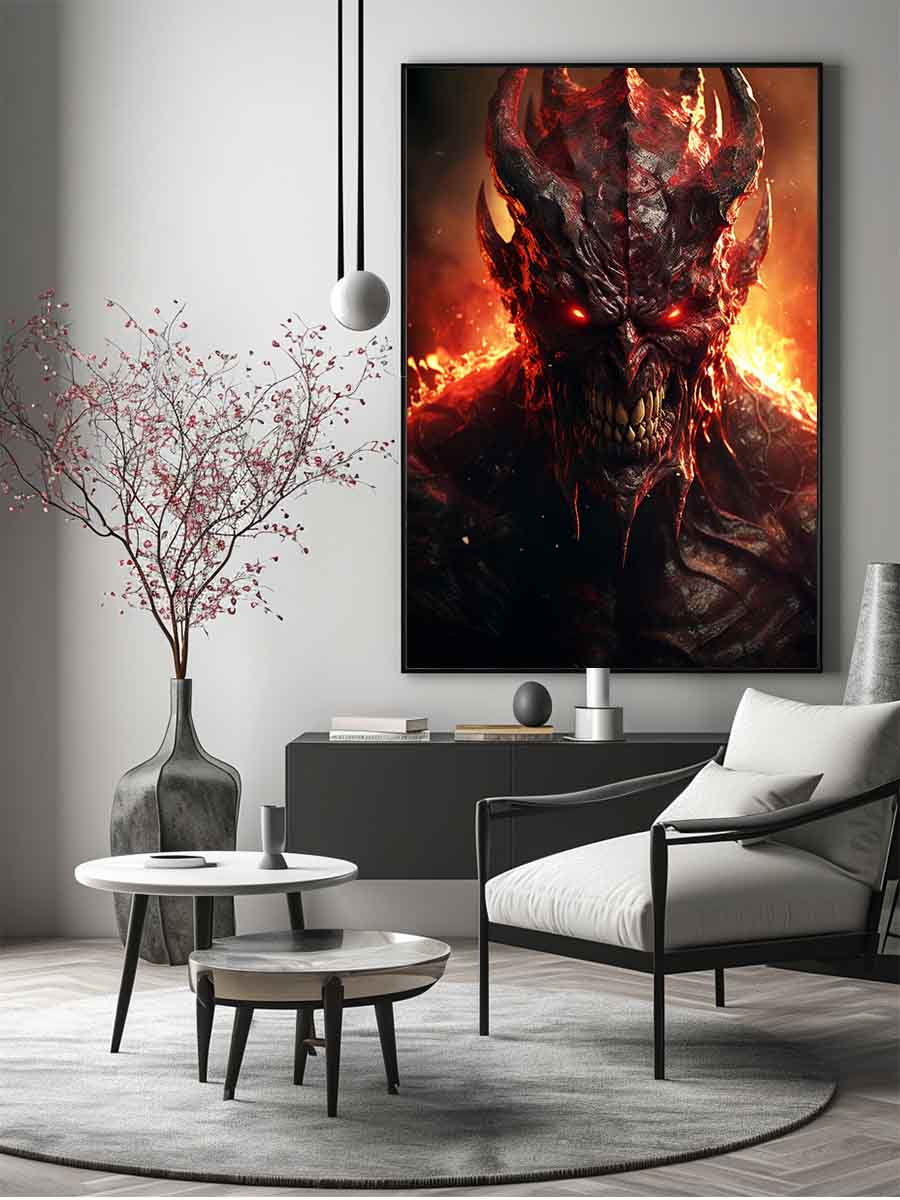
Blazing Horns

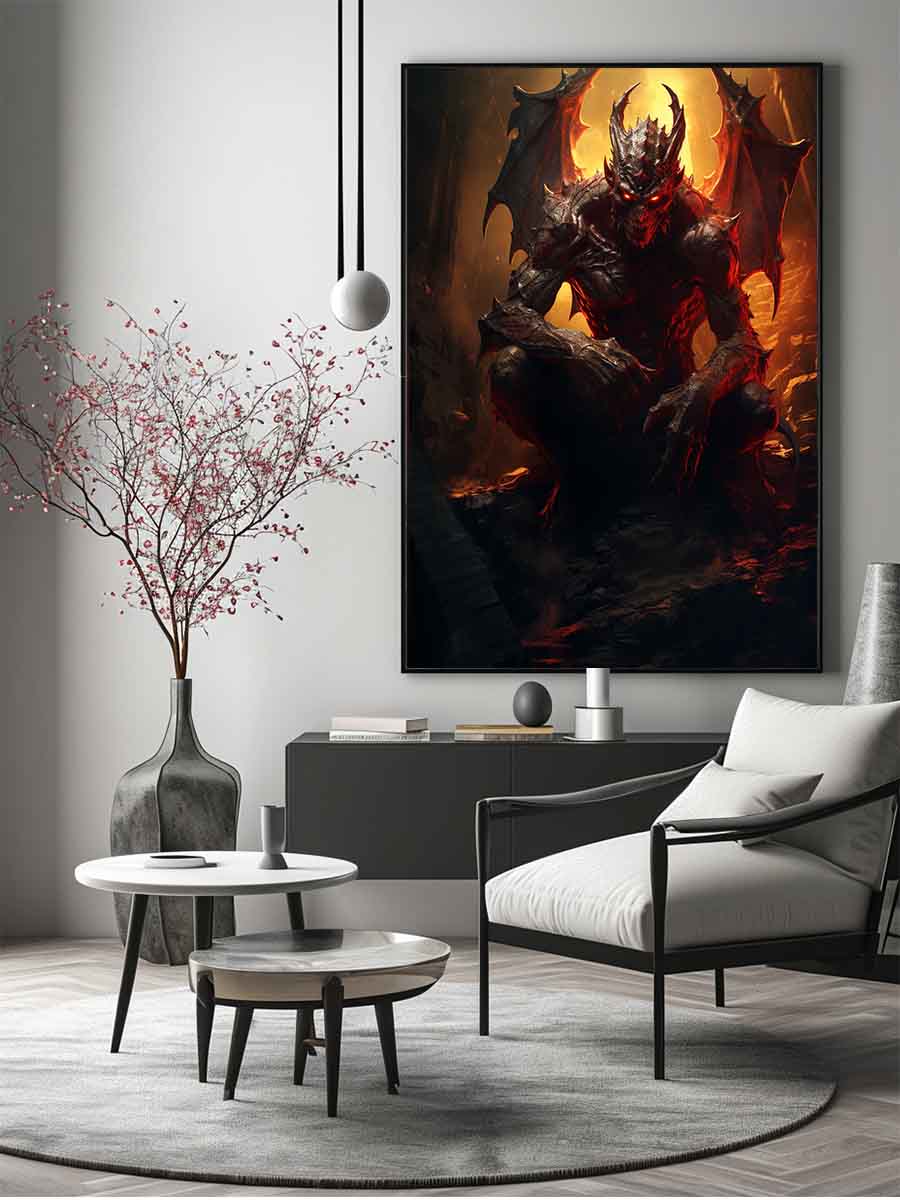
Crimson Wing


Inferno Watcher


Palmetto Passage


Sunlit Lisbon Lane


Crimson Duchess

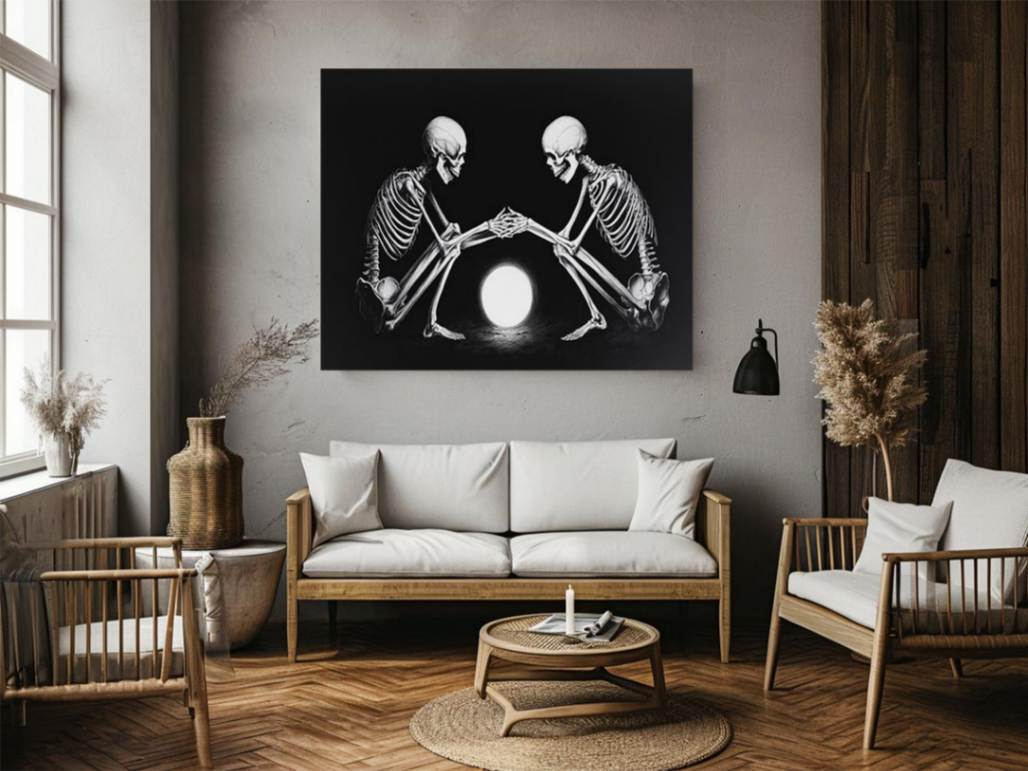
Moonlit Pact

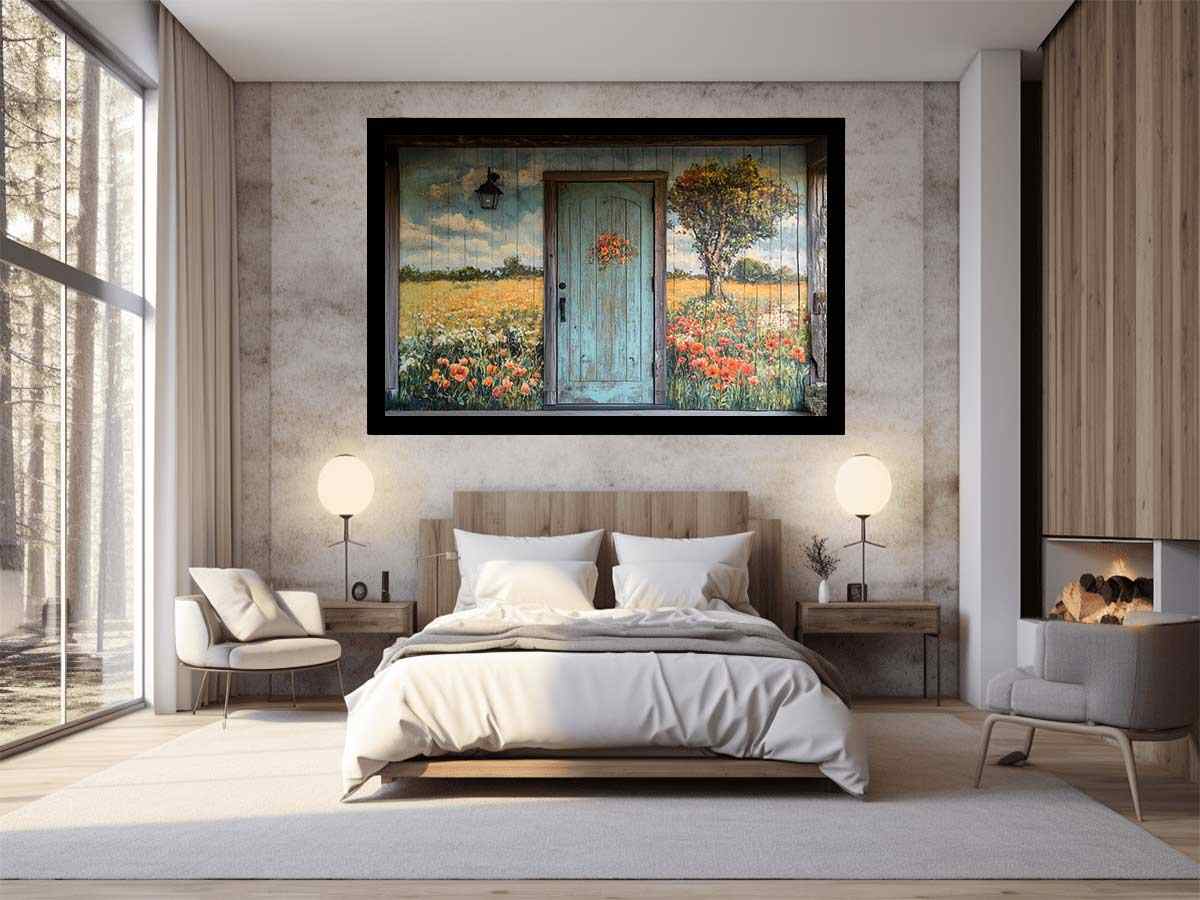
Meadow Door Reverie


Rose Villa Dusk


Pink Garden Cottage


Crimson Silence


Teal Nocturne


Midnight Gaze

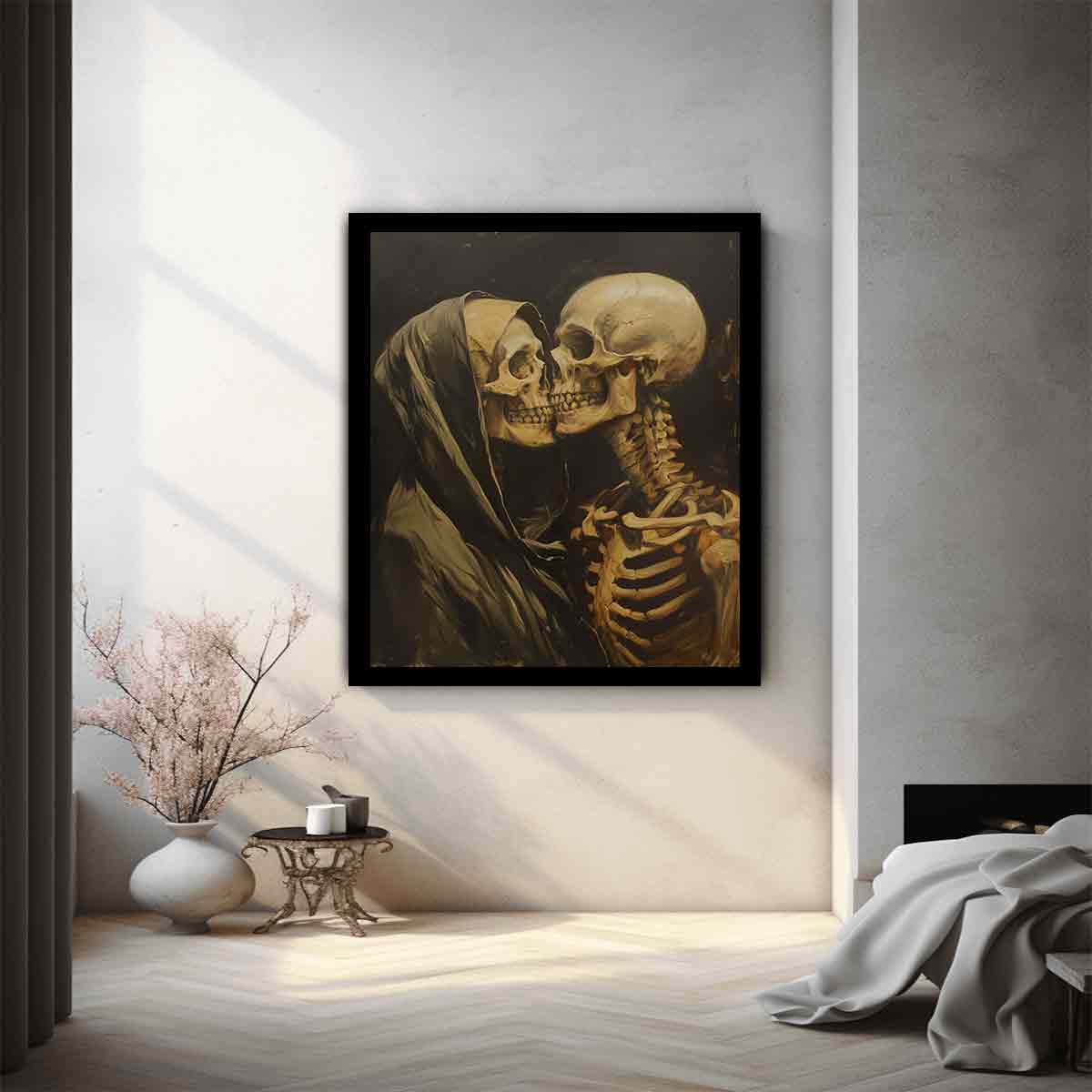
Eternal Embrace


Crimson Skull Study


Phantom Voyage


Heritage Doorway


Celestial Cathedral

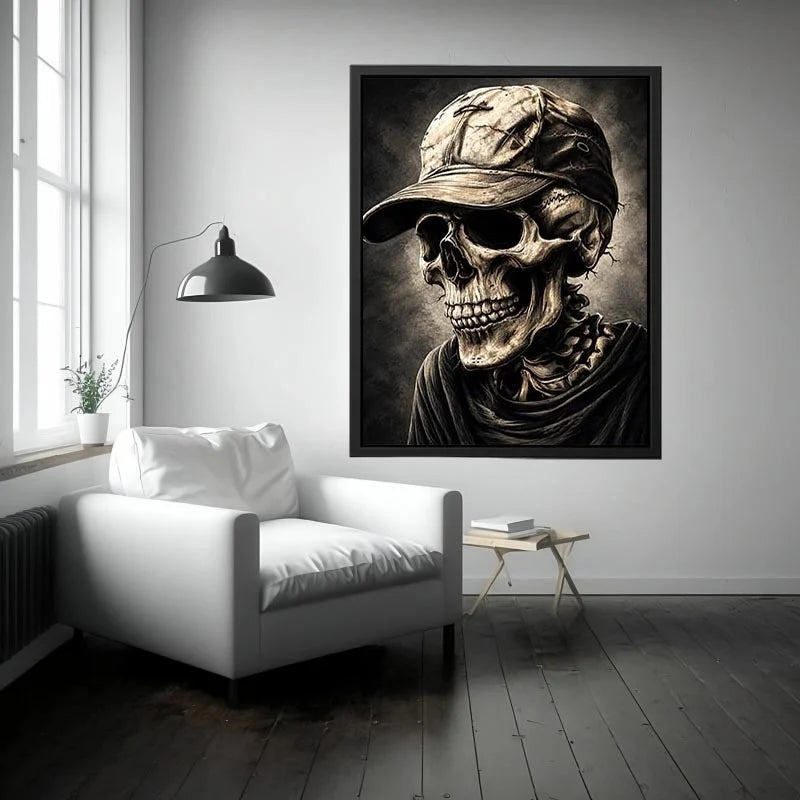
Shadowed Remains


Crimson Winter Phantom


Fallen Shadow Ascension


Whispering Phantom

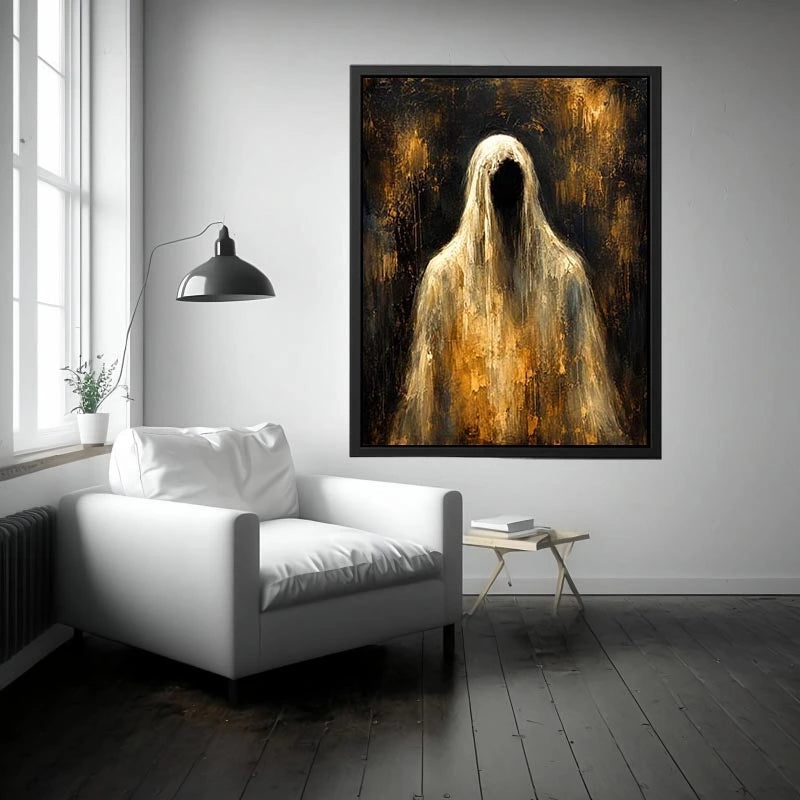
Silent Veil Presence


Midnight Feather Oracle


Phantom Veil Apparition


Infernal Shadow Drake


Crimson Throne Entity


Infernal Whisper


Shadow Scale Guardian


Emberfang Reserve


Dragon’s Crimson Elixir
Gothic Art Prints & Paintings for Dramatic Interiors
Gothic Art brings together dark, mysterious and atmospheric wall art for interiors that call for stronger visual character. The collection spans dramatic figures, shadowy scenes, Gothic-inspired architecture, supernatural imagery, fantasy creatures and atmospheric environments. Featured works include Phantom Voyage, Heritage Doorway, Celestial Cathedral, Shadowed Remains, Crimson Winter Phantom, Fallen Shadow Ascension, Infernal Shadow Drake and Echoes of the Forgotten Abbey. Choose canvas and framed presentations, where available, to create a distinctive focal point for a living room, bedroom, home office, library, entertainment room or statement wall.
What Is Gothic Art?
Gothic Art is a broad visual category associated with mystery, dramatic atmosphere, historical and architectural imagery, supernatural themes, dark tonal values and symbolic or macabre subjects.
Contemporary Gothic wall art can take many forms. Some works emphasize Gothic architecture and historic-looking environments, while others focus on mysterious figures, fantasy creatures, supernatural scenes or dramatic landscapes.
What connects these different approaches is the ability to create a distinctive mood and sense of atmosphere. Rather than functioning only as a color accent, Gothic artwork can influence the overall character of the room.
What You'll Find in Gothic Art
Gothic Architecture
Architectural Gothic imagery can include cathedrals, abbeys, doorways, towers and atmospheric historic-looking environments. Works such as Heritage Doorway, Celestial Cathedral and Echoes of the Forgotten Abbey represent this architectural direction.
Architectural Gothic artwork is particularly useful when you want atmosphere and visual depth without making a supernatural creature or character the central subject.
Mysterious Figures and Apparitions
Works such as Shadowed Remains, Crimson Winter Phantom, Whispering Phantom, Silent Veil Presence and Phantom Veil Apparition explore the mysterious side of Gothic imagery.
These works can create intrigue through shadow, obscured forms and atmospheric settings, making them suitable for statement walls where the artwork is intended to invite closer attention.
Gothic Fantasy Creatures
Fantasy-influenced Gothic artwork introduces mythical or imagined creatures into a darker visual environment. Examples include Infernal Shadow Drake, Dragon's Crimson Elixir and Shadow Scale Guardian.
If the creature itself is more important to you than the broader Gothic aesthetic, explore Dragon Art.
Dark and Atmospheric Imagery
Gothic artwork often uses darker tonal relationships, dramatic contrast and atmospheric backgrounds to create visual depth. Deep neutrals, black, charcoal and selective crimson can contribute to the overall Gothic character of an interior.
How to Choose Gothic Art
Start by deciding which aspect of the Gothic aesthetic attracts you most. The collection can support very different interiors depending on whether you prefer architecture, mystery, fantasy, supernatural imagery or historical atmosphere.
- Choose by subject: select architecture, figures, creatures, landscapes or atmospheric scenes.
- Choose by mood: decide whether you want mysterious, dramatic, romantic, supernatural or macabre imagery.
- Choose by color: use dark neutrals, crimson accents or restrained palettes according to the room.
- Choose by scale: detailed scenes often benefit from sufficient physical size for architectural and atmospheric elements to remain visible.
- Choose by presentation: compare canvas and floating-frame options according to the artwork and interior.
- Choose by room: match the intensity of the artwork with the atmosphere you want the space to have.
For broader artwork-selection advice, explore the How to Choose Wall Art guide and Wall Art Size Guide.
Gothic Art for Living Rooms
Gothic Art can become a strong focal point in a living room, particularly when the surrounding furniture is relatively restrained. A large architectural scene, mysterious figure or atmospheric composition can give the room a distinctive identity without requiring every decorative element to follow a Gothic theme.
Dark artwork can create particularly strong contrast against white, cream or other lighter walls. In darker interiors, artwork with carefully controlled contrast can reinforce the existing atmosphere.
Position large Gothic artwork where it can be viewed comfortably from the main seating area. The artwork should relate proportionally to the sofa, console or other furniture beneath it.
Explore Living Room Wall Art for additional artwork.
Gothic Art for Bedrooms
A bedroom can provide a highly personal setting for Gothic artwork. Atmospheric landscapes, mysterious figures, architectural scenes and fantasy-influenced compositions can create a distinctive environment around the bed or on an adjacent wall.
For a more restrained bedroom, consider architectural or atmospheric artwork with controlled contrast. For a stronger statement, darker figures, supernatural imagery and fantasy creatures can establish a more dramatic focal point.
Measure the wall and bed before selecting the artwork so its proportions work naturally within the room.
Browse Bedroom Art for additional bedroom artwork.
Gothic Art for Offices and Libraries
Gothic artwork can work particularly well in home offices, libraries, reading rooms and study spaces. Architectural scenes, historic-looking environments and atmospheric compositions can complement dark wood, traditional furniture and other refined finishes.
A more contemporary Gothic artwork can also create deliberate contrast in a modern office. In smaller rooms, one carefully selected piece can establish the desired atmosphere without overwhelming the workspace.
Explore Office Wall Art for additional office artwork.
Gothic Art for Entertainment and Creative Spaces
Gothic Art is especially adaptable to rooms where personal interests and atmosphere are important. Gaming rooms, entertainment spaces, music rooms, studios and creative workspaces can accommodate more dramatic imagery than a conventional formal interior.
Creature artwork can reinforce a fantasy-inspired environment, while mysterious figures and architectural compositions can create a darker cinematic atmosphere.
Choosing Gothic Art by Mood
Mysterious Gothic Art
Mysterious Gothic artwork uses obscured figures, shadows, atmospheric backgrounds and ambiguous scenes to create intrigue. This direction is appropriate when you want drama without relying entirely on overtly macabre imagery.
Architectural Gothic Art
Cathedrals, abbeys, doorways and historic-looking structures can introduce a strong sense of place. Architectural Gothic artwork is a good choice when atmosphere is important but you prefer buildings and environments over supernatural characters.
Dark Fantasy Gothic Art
Dark fantasy combines Gothic atmosphere with imagined creatures, supernatural subjects and fictional environments. This direction can produce an especially dramatic result in bedrooms, entertainment rooms and creative spaces.
For a more focused selection, explore Dark Fantasy Art.
Romantic Gothic Art
Gothic artwork does not have to be frightening. Dramatic architecture, atmospheric lighting, historic environments and deep color palettes can create a romantic or theatrical visual character as well.
Gothic Art for Large Walls
Large Gothic compositions can benefit from generous wall space because architectural scenes, figures, creatures and atmospheric environments often contain multiple visual elements.
A large artwork can allow those details to remain visually meaningful from across the room while giving an otherwise empty wall a clear focal point.
Measure the available wall and furniture before purchasing. The artwork should have an intentional relationship with the objects surrounding it rather than simply filling the largest available space.
For additional planning guidance, explore Wall Art for Large Walls.
Canvas and Framed Gothic Art
Gothic artwork can look substantially different depending on how it is presented. Fame Art Gallery offers presentation choices that vary by individual artwork, including Rolled Canvas, Stretched Canvas, Black Floating Frame, White Floating Frame and Brown Floating Frame.
Black Floating Frames can reinforce the strong contrast commonly associated with dramatic Gothic imagery. Brown Floating Frames can work particularly well with architectural scenes, warmer palettes and historic-looking subjects.
A lighter frame can also be used intentionally when you want to separate dark artwork from the surrounding wall rather than intensify the darker aesthetic.
Compare Canvas Prints and Framed Prints when deciding on presentation.
Gothic Art vs. Dark Fantasy Art
Gothic Art is a broad aesthetic that can include architecture, historical atmosphere, mysterious figures, supernatural imagery and dark decorative themes.
Dark Fantasy Art is more specifically centered on fantasy worlds, supernatural creatures and imagined environments with darker characteristics.
Choose Gothic Art when the overall Gothic atmosphere is the priority. Choose Dark Fantasy Art when fictional or supernatural fantasy is the defining subject.
Gothic Art vs. Dragon Art
Dragon Art is a subject-specific category, while Gothic Art describes a broader visual aesthetic. A dragon artwork can be Gothic, fantasy-inspired or presented in another style entirely.
Choose Gothic Art when mood, atmosphere and visual language are the main priorities. Choose Dragon Art when dragons are the primary subject you want to explore.
Gothic Art vs. Classic Art
Classic Art represents a broader timeless and traditional direction, while Gothic Art focuses more specifically on mystery, drama, architecture, darkness and supernatural or atmospheric themes.
Some Gothic imagery can have historical or classical influences, but the two categories serve different decorating and buying intentions. Explore Classic Art when you want a broader timeless artistic direction.
Gothic Art vs. Abstract Art
Abstract Art primarily communicates through color, form, line, texture and composition rather than requiring recognizable subject matter.
Gothic Art is more strongly associated with recognizable imagery, atmosphere and subject. Choose Gothic Art when the mysterious or dramatic subject is important; explore Abstract Art when composition and non-representational form are the main priorities.
How to Style Gothic Art
- Create contrast: place dark artwork against a lighter neutral wall when you want the piece to stand out strongly.
- Coordinate dark finishes: black metal, dark wood and deeper furniture tones can reinforce the artwork without turning the entire room into a theme.
- Use crimson selectively: repeat deep red accents sparingly when the artwork contains crimson tones.
- Mix traditional and contemporary: historic architectural imagery can create intentional contrast with modern furniture.
- Control surrounding decoration: highly detailed Gothic artwork often benefits from visual breathing room.
- Consider lighting: directional or carefully positioned lighting can emphasize contrast and architectural detail.
For broader interior styling advice, explore Interior Design With Art and How to Match Art With Furniture.
Creating a Gothic Feature Wall
A Gothic feature wall does not require numerous themed decorations. One substantial artwork can establish the visual direction of an entire wall.
Choose the artwork according to the room's existing architecture and furniture. A cathedral or architectural composition can create depth, while a mysterious figure or fantasy creature can create a more narrative focal point.
Give detailed artwork enough surrounding space to remain visually dominant. Too many competing objects can reduce the impact of a complex composition.
Creating a Gothic Gallery Wall
A Gothic gallery wall can combine architectural scenes, mysterious figures, fantasy imagery and atmospheric compositions when the pieces share a coherent visual relationship.
Unify the arrangement through frame finish, tonal range, subject matter or overall mood. Black frames can create consistency across darker works, while deliberately mixed presentation can create a more eclectic appearance.
For layout and spacing guidance, explore the Gallery Wall Guide.
Why Shop Gothic Art at Fame Art Gallery?
Fame Art Gallery's Gothic Art collection provides a focused destination for shoppers looking for dramatic, mysterious and atmospheric wall artwork. The collection spans several interpretations of the Gothic aesthetic, including architecture, mysterious figures, supernatural imagery and fantasy-influenced subjects.
Current artwork examples include Phantom Voyage, Heritage Doorway, Celestial Cathedral, Shadowed Remains, Crimson Winter Phantom, Fallen Shadow Ascension, Infernal Shadow Drake and Echoes of the Forgotten Abbey.
Depending on the individual artwork, shoppers can select from canvas and floating-frame presentations and multiple available sizes. Fame Art Gallery also provides free U.S. shipping and artwork support for customers comparing artwork sizes and finishes.
Frequently Asked Questions About Gothic Art
What is Gothic Art?
Gothic Art is a broad visual category associated with mystery, dramatic atmosphere, historical and architectural imagery, supernatural subjects and darker visual themes. Contemporary Gothic wall art can interpret these characteristics through figures, buildings, creatures, landscapes and atmospheric scenes.
What subjects are common in Gothic Art?
Common Gothic subjects include cathedrals, abbeys, doorways, historic architecture, mysterious figures, supernatural characters, mythical creatures, dramatic landscapes and shadow-filled environments.
Is Gothic Art suitable for a living room?
Yes. Gothic artwork can create a strong living-room focal point, particularly when paired with restrained furniture and sufficient surrounding space. Architectural scenes can provide atmosphere without requiring the entire room to follow a Gothic theme.
Is Gothic Art suitable for a bedroom?
Yes. Gothic Art can create a highly personal bedroom atmosphere. Atmospheric landscapes and architectural scenes can provide a restrained effect, while supernatural figures and fantasy creatures can create a stronger statement.
What is the difference between Gothic Art and Dark Fantasy Art?
Gothic Art is the broader aesthetic and can include architecture, historical atmosphere, mysterious figures and supernatural imagery. Dark Fantasy Art focuses more specifically on imagined worlds, supernatural creatures and fantasy narratives with darker characteristics.
What is the difference between Gothic Art and Dragon Art?
Gothic Art describes a visual aesthetic and atmosphere, while Dragon Art is a subject category. A dragon artwork can have Gothic characteristics, but Dragon Art also includes works that are not Gothic in style.
What frame works best with Gothic artwork?
Black frames are a strong option for many dramatic Gothic compositions because they reinforce contrast. Brown frames can complement architectural and historic-looking imagery, while lighter frames can deliberately create contrast around darker artwork.
What size Gothic artwork should I choose?
Choose the size according to the wall dimensions, furniture beneath it and visual complexity of the artwork. Detailed architectural and atmospheric compositions often benefit from sufficient scale so their important elements remain visible from normal viewing distance.
Can Gothic Art work in a modern home?
Yes. Gothic artwork can create intentional contrast against modern furniture and architecture. A dramatic painting on an otherwise restrained wall can become a statement piece without requiring traditional Gothic furnishings throughout the room.
Can Gothic Art be used in an office or library?
Yes. Architectural, historical and atmospheric Gothic artwork can work particularly well in offices, libraries and reading spaces. Select the intensity of the imagery according to the professional or private atmosphere you want to create.
Can Gothic Art be used as a feature wall?
Yes. A substantial Gothic artwork can establish the identity of a feature wall. Architectural scenes can create depth, while mysterious figures or fantasy creatures can provide a stronger narrative focal point.