Spiritual Art & Spiritual Wall Art Prints | Fame Art Gallery


Celestial Stillness


Golden Reflection


Twisted Heart Tree


Golden Reflection


Spiritual Buddha
Surreal Infinite Awakening


Serenity Stack


Crimson Fallen Grace


Ethereal Winged Light


Celestial Guardian


Feathered Earth Mandala


Skybound Sentinel


Celestial Light


Phoenix Angel Rise


Awakening Wings


Pastel Winged Grace


Radiant Angel Light


Sacred Golden Light


Crimson Prayer Madonna


Radiant Madonna Embrace


Tender Madonna Light


Modern Sacred Hold


Sacred Blue Embrace


Gentle Grace


Rose Crown Madonna


Sacred Embrace


Radiant Madonna


Lotus Light Buddha

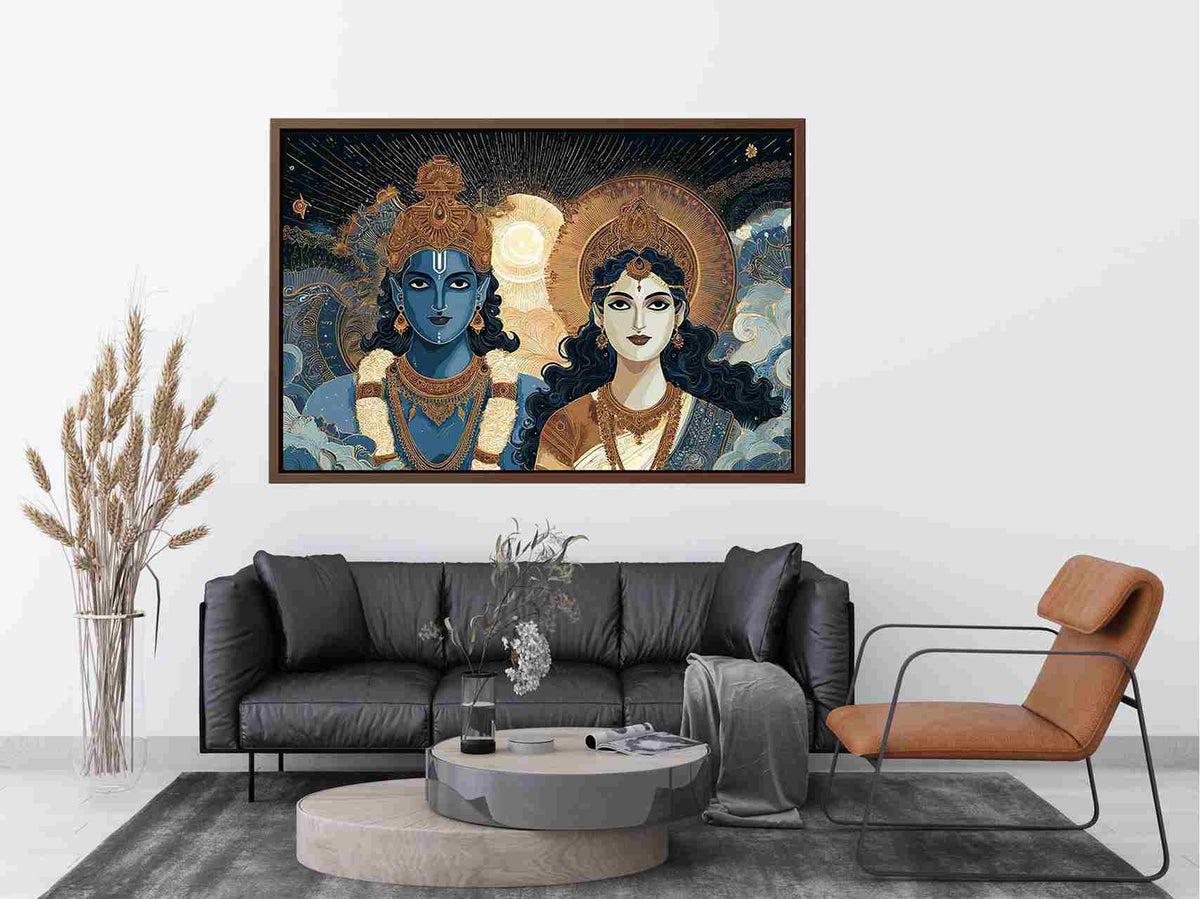
Celestial Devotion

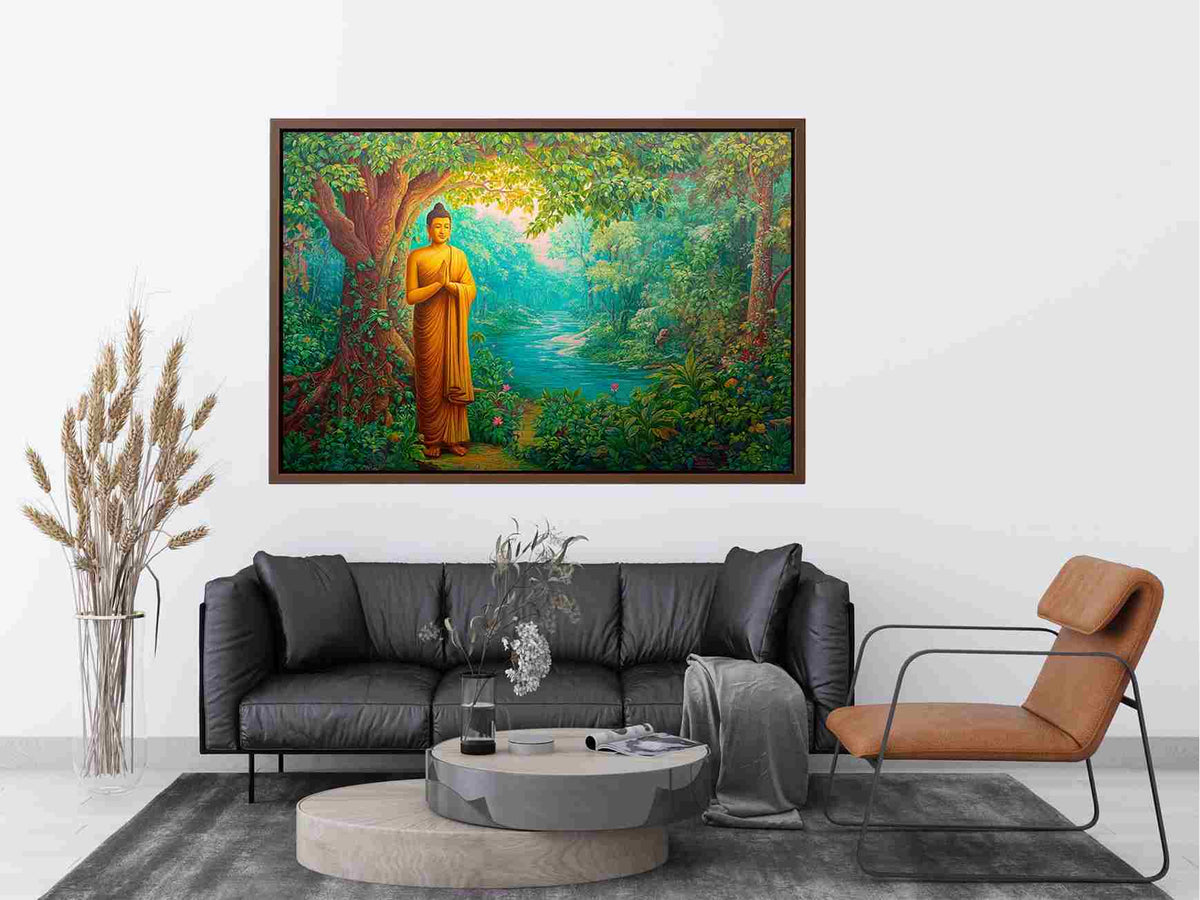
Forest Blessing

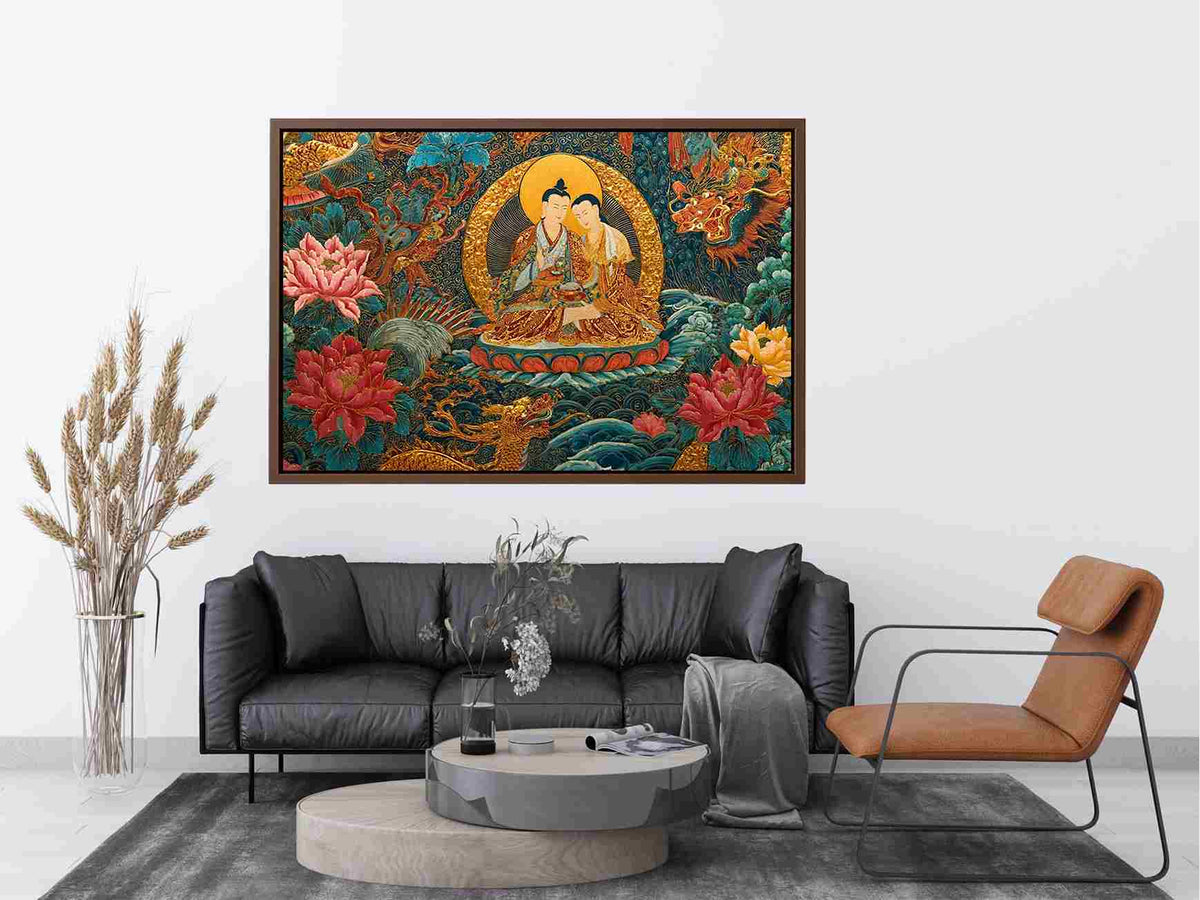
Lotus Companions

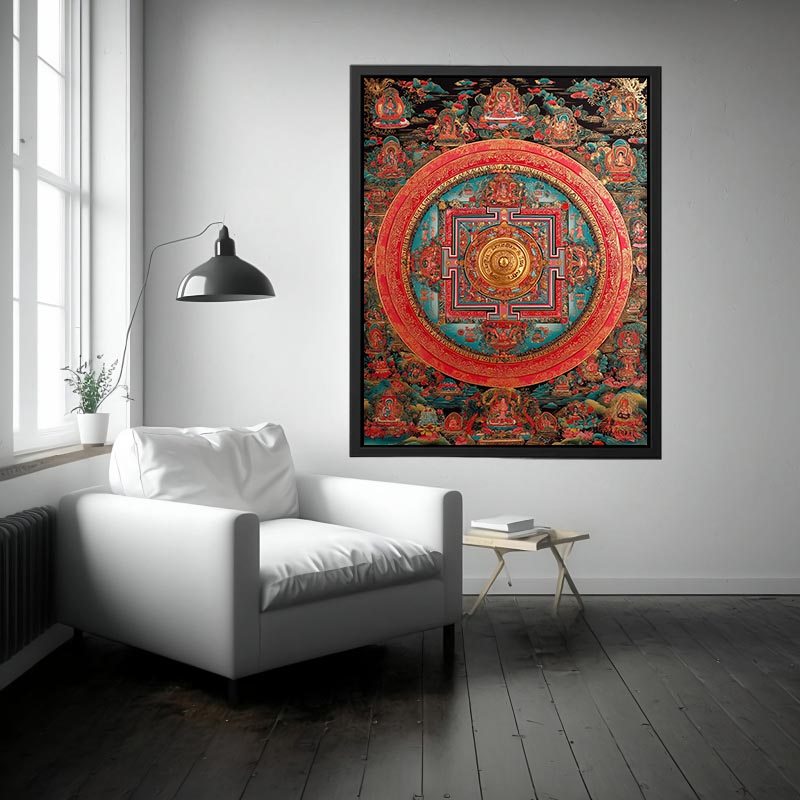
Sacred Mandala

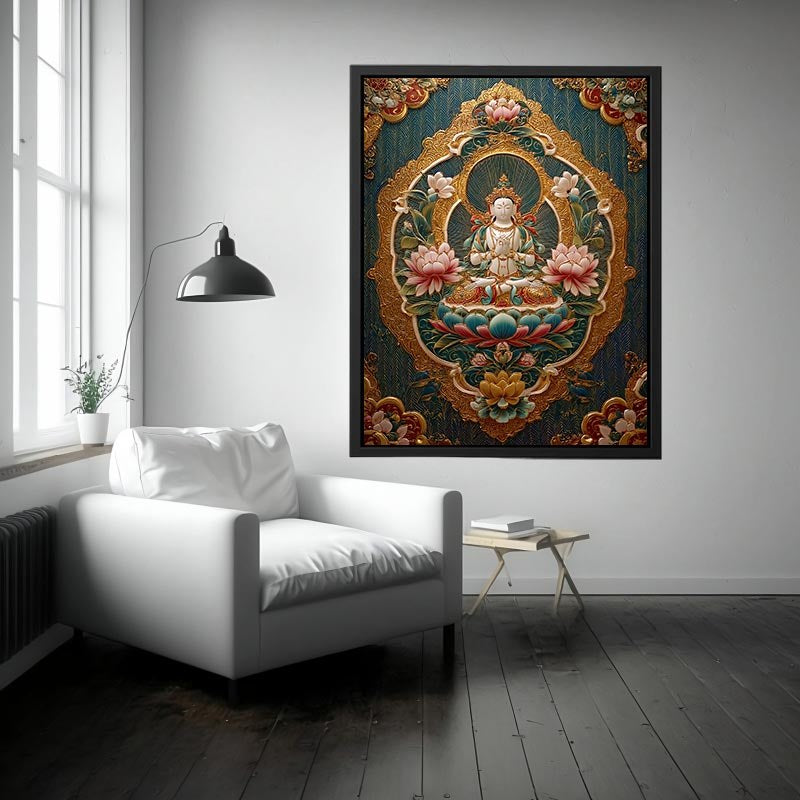
Lotus Temple Radiance


Cardinal Reverie


Moonlit Persian Garden


Azure Mosaic Garden


Sacred Azure Hall


Blossom Chapel


Sunlit Cathedral Interior Canvas Print


Blue Mosque Architectural Canvas Print
Spiritual Art & Spiritual Wall Art for Peaceful, Meaningful & Uplifting Interiors
Discover Spiritual Art that brings reflection, meaning, symbolism and personal expression into your interior. Fame Art Gallery's Spiritual Art collection explores artwork inspired by spirituality, meditation, sacred imagery, faith, mindfulness, nature, celestial themes and contemplative ideas. From peaceful and minimalist compositions to expressive, symbolic and contemporary spiritual artwork, these pieces can create a meaningful focal point in living rooms, bedrooms, meditation rooms, yoga spaces, home offices, entryways and personal sanctuaries. Choose spiritual wall art according to its subject, symbolism, artistic style, color palette, mood and scale, then select a presentation that complements your interior.
What Is Spiritual Art?
Spiritual Art is artwork inspired by spirituality, contemplation, meditation, faith, sacred traditions, symbolism, consciousness, nature or ideas associated with inner reflection and personal meaning.
Spiritual artwork can be representational or abstract. It may feature spiritual figures, sacred symbols, meditation, celestial imagery, nature, light, energy, geometric forms or other visual concepts that encourage reflection.
Unlike a category defined only by a particular artistic technique, Spiritual Art is primarily connected by theme and meaning. This allows spiritual artwork to appear in many visual styles, including realistic, symbolic, abstract, modern, contemporary, minimalist and expressive art.
What Does Spiritual Art Represent?
The meaning of Spiritual Art depends on the artwork and the person viewing it. Spiritual imagery can explore themes such as peace, reflection, mindfulness, faith, hope, transformation, connection, balance, renewal and personal growth.
Some spiritual artwork uses recognizable symbols or figures with established cultural or religious associations. Other pieces communicate spiritual ideas more indirectly through nature, light, color, geometry or abstract composition.
When selecting spiritual wall art, consider what the imagery means to you rather than choosing a piece solely for its decorative appearance.
Why Choose Spiritual Wall Art?
Spiritual wall art can add a thoughtful and personal dimension to interior décor. A carefully selected artwork can become a visual reminder of ideas that matter to you while also contributing color, composition and character to the room.
Spiritual artwork can also create a distinctive atmosphere. Peaceful compositions may suit relaxation areas, while more expressive or dramatic pieces can become statement artwork in living rooms and creative spaces.
Because Spiritual Art encompasses many subjects and artistic approaches, it can be incorporated into both dedicated reflective spaces and everyday interiors.
What Makes Spiritual Artwork Different?
Spiritual artwork is defined primarily by its underlying theme rather than one specific medium, technique or visual style. The artwork may communicate spirituality through sacred imagery, meditation, nature, celestial subjects, symbolism, human figures, geometry, light or abstraction.
This broad visual language means that Spiritual Art can be subtle or highly expressive. A minimalist symbolic composition may create a quiet decorative accent, while a large celestial or abstract spiritual artwork can become the dominant focal point of a room.
Types of Spiritual Art
Meditation Art
Meditation Art focuses on visual themes associated with stillness, mindfulness, contemplation and inner focus. Peaceful figures, balanced compositions, nature and restrained colors can all contribute to a meditative visual atmosphere.
Spiritual Symbol Art
Spiritual Symbol Art uses recognizable symbols, patterns or visual motifs associated with spiritual concepts or traditions. Because symbols can carry different meanings across cultures and contexts, choose imagery according to the personal significance it has for you.
Sacred Art
Sacred Art can include artwork inspired by religious, devotional or spiritually significant subjects. These works can provide a meaningful focal point in spaces intended for reflection, prayer or contemplation.
Faith-Inspired Art
Faith-inspired artwork can explore belief, devotion, hope and spiritual reflection. These pieces can be selected for personal significance as well as their artistic qualities.
Celestial Spiritual Art
Celestial spiritual artwork can feature stars, moons, skies, cosmic imagery, light and expansive compositions. These themes can create a sense of wonder and contemplation while also fitting naturally into modern and contemporary interiors.
Nature-Inspired Spiritual Art
Nature-inspired spiritual artwork can use trees, mountains, forests, flowers, water, skies and other natural subjects to explore ideas of connection, renewal, harmony and reflection.
Abstract Spiritual Art
Abstract Spiritual Art communicates spiritual ideas through color, line, shape, texture, movement and composition rather than relying on literal religious or symbolic imagery. It is particularly versatile for contemporary interiors.
Peaceful Spiritual Art
Peaceful spiritual artwork often uses balanced compositions, softer palettes, tranquil subjects and visual simplicity. These pieces can work especially well in bedrooms, meditation spaces, reading areas and relaxation-focused rooms.
Uplifting Spiritual Art
Uplifting spiritual artwork can use light, color, movement and positive symbolic themes to create an optimistic visual presence. It can add energy to a room while retaining a reflective character.
Spiritual Figure Art
Spiritual figure artwork can place a human or symbolic figure at the center of the composition. The figure may communicate contemplation, devotion, meditation or another spiritual theme depending on the artwork.
Light & Energy-Inspired Spiritual Art
Some spiritual artwork uses light, radiance, flowing forms or abstract energy-inspired imagery to create a sense of movement and transcendence. These compositions can work particularly well when you want spiritual themes without a literal religious subject.
Spiritual Art by Artistic Style
Realistic Spiritual Art
Realistic spiritual artwork uses recognizable people, places, objects or natural subjects to communicate its theme. It can provide a more traditional and direct visual experience.
Expressive Spiritual Art
Expressive spiritual artwork emphasizes emotion, movement, color, brushwork and composition. It can create a stronger visual statement while maintaining a contemplative or symbolic theme.
Minimalist Spiritual Art
Minimalist spiritual artwork reduces the composition to essential forms, symbols, lines or restrained colors. It is well suited to interiors where simplicity and negative space are important.
Contemporary Spiritual Art
Contemporary spiritual artwork can reinterpret spiritual themes through modern composition, abstraction, bold color and unconventional visual approaches.
Spiritual Art for Different Interior Styles
Modern Spiritual Wall Art
Modern Spiritual Art can combine meaningful themes with simplified forms, strong composition, restrained color and clean presentation. It can complement modern furniture and uncluttered architectural spaces.
Contemporary Spiritual Wall Art
Contemporary spiritual artwork can reinterpret spirituality through expressive color, abstraction, symbolism and current decorative aesthetics. It offers flexibility for modern homes that do not rely on traditional religious décor.
Minimalist Spiritual Wall Art
Minimalist spiritual artwork can introduce a reflective theme without visually overwhelming a simple room. Look for limited colors, clean shapes, negative space and uncomplicated compositions.
Bohemian Spiritual Wall Art
Spiritual artwork can complement bohemian interiors through symbolic patterns, expressive colors, natural imagery and layered decorative elements. Consider the relationship between the artwork, textiles, plants, wood and other natural materials.
Eclectic Spiritual Wall Art
Spiritual artwork can become a distinctive element within an eclectic interior. Combine it thoughtfully with complementary artwork and decorative objects using repeated colors, materials, framing or thematic relationships.
Spiritual Wall Art for the Living Room
The living room provides an excellent setting for Spiritual Wall Art because it often contains a prominent wall capable of supporting a meaningful focal point. A large spiritual composition can work above a sofa, console, fireplace or other substantial furniture arrangement.
For a peaceful living room, consider balanced compositions and restrained colors. For a stronger statement, choose artwork with greater contrast, scale, symbolism or expressive color.
Spiritual Art Above the Sofa
Spiritual artwork above a sofa should have a visual relationship with the width and scale of the seating arrangement. Measure the sofa and available wall space before selecting the artwork.
A wide spiritual composition can suit a broad sofa, while a vertical piece may work better on a narrower wall section.
Explore the Wall Art Size Guide and Wall Art Above Sofa Guide for additional placement guidance.
Spiritual Art for the Bedroom
A bedroom can be an ideal setting for peaceful and reflective spiritual artwork. Meditation imagery, nature themes, celestial subjects and calming abstract compositions can contribute to a quieter visual environment.
Consider the relationship between the artwork, bed, headboard, wall color, lighting and bedside furniture.
Explore Bedroom Art and the Bedroom Wall Art Ideas Guide.
Spiritual Art for a Meditation Room
A meditation room benefits from artwork that personally supports focus, reflection and visual calm. Choose imagery that you associate with mindfulness, spirituality, tranquility or contemplation.
One meaningful artwork can often provide a stronger focal point than numerous unrelated decorative pieces. Leave sufficient negative space around the artwork to preserve the room's sense of openness.
Spiritual Art for a Yoga Room
Spiritual wall art can complement a yoga space through imagery associated with balance, mindfulness, nature, reflection and contemplation. Abstract spiritual artwork can introduce visual movement without making the room feel overly themed.
Select artwork according to the atmosphere you want the room to communicate and the existing colors and materials within the space.
Spiritual Art for a Home Office
Spiritual artwork can introduce a reflective and personal quality to a home office. Abstract compositions, nature-inspired artwork and understated symbolic designs can add character without dominating the workspace.
Place the artwork where it can be appreciated without competing with the desk, monitor, shelving, lighting or other functional elements.
Spiritual Art for Dining Rooms
Spiritual artwork can add a distinctive layer of personality to a dining room. Nature-inspired, abstract and sophisticated symbolic compositions can complement modern dining furniture, wood finishes and contemporary lighting.
Spiritual Art for Entryways and Hallways
An entryway provides an opportunity to introduce a meaningful visual theme as soon as someone enters the home. Symbolic compositions can create an immediate point of interest, while vertical spiritual artwork can work well on narrower walls.
Hallways can also support a sequence of related spiritual artworks when consistent colors, framing or subject matter are used.
Spiritual Art for Apartments and Small Spaces
Spiritual artwork can work effectively in apartments and compact rooms when the scale is carefully considered. One well-proportioned artwork can establish a meaningful focal point without making a smaller room feel crowded.
For smaller walls, consider a compact composition or a carefully planned arrangement of smaller artworks.
Explore the Small Wall Art Ideas Guide and Wall Art for Small Spaces Guide.
Large Spiritual Wall Art
Large Spiritual Art can create a powerful focal point in spacious rooms. Large symbolic, meditative, celestial, nature-inspired or abstract compositions can provide the visual weight required for expansive walls.
Measure the wall and nearby furniture before choosing oversized artwork. Consider viewing distance and the artwork's composition as well as its physical dimensions.
Spiritual Art for Large Walls
Large walls can support one substantial spiritual artwork or a coordinated group of smaller pieces. A single statement piece creates a cleaner visual hierarchy, while several related works can create a more layered presentation.
When using multiple artworks, establish cohesion through color, subject matter, framing, spacing or a shared spiritual theme.
Explore the Wall Art for Large Walls Guide.
Spiritual Art for High Ceilings
High ceilings create additional vertical wall space and can benefit from artwork with appropriate scale and orientation. Tall compositions can emphasize vertical architecture, while broad artwork can anchor expansive walls.
Consider the artwork's position in relation to furniture, eye level and architectural details rather than selecting artwork based on size alone.
Explore the Wall Art for High Ceilings Guide.
Spiritual Art by Color
Blue Spiritual Art
Blue spiritual artwork can create a cool and tranquil visual atmosphere. It can complement white, gray, neutral and natural interiors.
Gold Spiritual Art
Gold and warm metallic-inspired elements can give spiritual artwork a luminous and decorative quality. These accents can work well with interiors that already incorporate warm metallic finishes.
White and Neutral Spiritual Art
White, beige, cream and gray spiritual artwork can create a restrained and peaceful appearance. Neutral palettes integrate particularly well with minimalist and sophisticated interiors.
Earth-Tone Spiritual Art
Earth tones can connect spiritual artwork with natural materials and organic interiors. Brown, sand, beige, muted green and related shades can work well with wood, stone and natural textiles.
Colorful Spiritual Art
Colorful spiritual artwork can become a strong decorative focal point. When the artwork contains several vivid colors, repeat only one or two selectively throughout the room.
Dark Spiritual Art
Dark spiritual artwork can create a dramatic and contemplative atmosphere. Deep blue, charcoal, black and other dark tones can work particularly well against lighter walls or in contemporary interiors.
Canvas Spiritual Art
Canvas provides a versatile presentation for Spiritual Art and can complement modern, contemporary, minimalist and traditional interiors. It allows the artwork's symbolism, subject and composition to remain visually prominent.
Explore Canvas Prints for additional canvas artwork.
Framed Spiritual Wall Art
Framed spiritual artwork adds a defined boundary around the composition and can provide additional structure to the presentation. It can work especially well in classic, transitional and formally decorated interiors.
Explore Framed Prints for additional framed artwork.
Spiritual Art vs. Religious Art
Spiritual Art is a broad category that can explore spirituality, meditation, consciousness, symbolism, nature, personal reflection and faith. Religious Art is more specifically connected with a particular religion, religious tradition, sacred figure, scripture or devotional subject.
The two categories can overlap. When choosing religious or sacred artwork, consider the specific tradition, symbolism and meaning represented by the piece.
Spiritual Art vs. Meditation Art
Meditation Art generally focuses on mindfulness, stillness and contemplative practice, while Spiritual Art can encompass a wider range of themes including faith, symbolism, celestial imagery, nature and personal reflection.
Meditation artwork can therefore be viewed as one possible direction within a broader spiritual-themed interior.
Spiritual Art vs. Sacred Art
Sacred Art generally has a direct relationship with religious or spiritually significant subjects, traditions or devotional practices. Spiritual Art is broader and may communicate spirituality without depicting a specific sacred figure or tradition.
Spiritual Art vs. Abstract Art
Abstract Art is primarily defined by its visual approach, while Spiritual Art is primarily defined by its theme or meaning. Spiritual artwork can therefore be abstract, realistic, symbolic, minimalist or expressive.
Abstract spiritual artwork is particularly useful when you want a contemplative atmosphere without relying on literal religious or symbolic imagery.
Explore Abstract Art for broader abstract artwork.
Spiritual Art vs. Nature Art
Nature Art focuses on natural subjects such as landscapes, plants and animals, while Spiritual Art can use nature as a visual expression of reflection, connection, renewal or harmony.
A nature-inspired spiritual artwork can therefore combine the visual appeal of natural subjects with a more contemplative thematic direction.
Spiritual Art vs. Modern Art
Spiritual Art describes a subject or underlying theme, while Modern Art describes an artistic direction. Spiritual artwork can therefore also be modern, contemporary, abstract or minimalist.
Explore Modern Art to compare spiritual-themed artwork with broader modern compositions.
How to Choose Spiritual Wall Art
- Start with meaning: Choose a subject, symbol or theme that has personal significance to you.
- Consider the room: Decide whether the artwork is intended for a living room, bedroom, meditation room, yoga space, office or another area.
- Choose the atmosphere: Decide whether you want peaceful, contemplative, uplifting, dramatic or energetic artwork.
- Consider the artistic style: Choose between symbolic, realistic, abstract, modern, contemporary, expressive or minimalist artwork.
- Review the color palette: Consider how the artwork interacts with your wall color, furniture, flooring and accessories.
- Measure the wall: Determine the available width and height before selecting artwork.
- Consider orientation: Choose portrait, landscape or square artwork according to the wall and surrounding furniture.
- Select the presentation: Compare canvas and framed options according to your interior.
How to Style Spiritual Wall Art
Spiritual artwork works best when the surrounding environment supports its visual and thematic character. Natural materials, restrained colors, plants, soft textiles and uncluttered furniture can complement reflective artwork without competing with it.
For a contemporary room, pair spiritual artwork with clean-lined furniture and controlled decorative details. For a more layered interior, combine symbolic, nature-inspired or abstract artwork with carefully selected complementary pieces.
Explore Interior Design With Art for additional artwork styling guidance.
Create a Spiritual Feature Wall
A spiritual feature wall can establish a dedicated visual focal point in a living room, bedroom, meditation room, yoga space or personal sanctuary. One substantial artwork can create a clean statement, while several related pieces can create a more immersive presentation.
When the artwork carries strong symbolic meaning, allow sufficient negative space around it so the central image remains visually prominent.
Create a Spiritual Gallery Wall
A spiritual gallery wall can combine symbolic artwork, nature imagery, abstract compositions, celestial themes and other complementary pieces. Establish cohesion through shared colors, framing, spacing or a consistent thematic relationship.
Avoid adding artwork simply to fill space. Each piece should contribute to the overall visual or thematic composition.
Explore the Gallery Wall Guide.
Spiritual Art as a Personal Focal Point
Because Spiritual Art can carry personal meaning, it can function as more than a decorative accent. A carefully selected piece can become a visual reminder of values, beliefs, reflection, mindfulness, hope or personal growth.
Place meaningful artwork where it can naturally become part of your daily environment, whether that is a living room, bedroom, office, meditation space or personal reading area.
How to Match Spiritual Art With Furniture
Consider the colors, materials and visual weight of your furniture when choosing spiritual artwork. Wood, natural fabrics and neutral furniture can complement nature-inspired and peaceful spiritual artwork, while contemporary furniture can support abstract and modern spiritual compositions.
The artwork does not need to match one furniture piece directly. Instead, consider the relationship among the artwork, sofa, bed, flooring, lighting, wall color and accessories as a complete interior.
Explore How to Match Art With Furniture.
Spiritual Wall Art Buying Checklist
- Choose artwork with a theme or meaning that resonates with you.
- Identify the room where the artwork will be displayed.
- Measure the wall and nearby furniture.
- Consider realistic, symbolic, abstract, modern, contemporary or minimalist artwork.
- Choose the atmosphere you want the artwork to create.
- Review the dominant and secondary colors.
- Consider portrait, landscape or square orientation.
- Choose an artwork scale appropriate for the room.
- Compare canvas and framed presentation.
- Consider whether one meaningful statement piece or several related works will work better.
- Consider how the artwork interacts with lighting and surrounding décor.
Explore More Wall Art Styles
Spiritual Art can work alongside many other artwork categories. Explore Wall Art Prints, Modern Wall Art, Contemporary Wall Art and Paintings for additional artwork directions.
Why Choose Spiritual Art from Fame Art Gallery?
Fame Art Gallery offers Spiritual Art for shoppers looking to bring meaningful themes, personal expression and contemplative visual elements into their interiors. The collection can be considered according to subject, symbolism, artistic style, color, scale and presentation.
Whether you are creating a meditation room, personal sanctuary, peaceful bedroom, expressive living room, yoga space or creative workspace, spiritual wall art can become an intentional part of the environment rather than simply another decoration.
Fame Art Gallery also offers broader collections across artistic styles, rooms and presentation formats, allowing shoppers to compare Spiritual Art with modern, contemporary, abstract, canvas and framed artwork.
Frequently Asked Questions About Spiritual Art
What is Spiritual Art?
Spiritual Art is artwork inspired by spirituality, meditation, faith, sacred imagery, symbolism, consciousness, nature, reflection or other themes associated with meaning and inner contemplation.
What is Spiritual Wall Art?
Spiritual Wall Art is spirituality-themed artwork intended for display on interior walls. It can include symbolic, sacred, meditative, celestial, nature-inspired, abstract and uplifting imagery.
What is the difference between Spiritual Art and Religious Art?
Spiritual Art is a broad category that can include meditation, consciousness, symbolism, nature, personal reflection and faith. Religious Art is more specifically associated with a particular religion, religious tradition, sacred figure, scripture or devotional subject.
What is the difference between Spiritual Art and Meditation Art?
Meditation Art generally focuses on mindfulness, stillness and contemplative practice. Spiritual Art is broader and can include faith, symbolism, nature, celestial imagery, sacred themes and personal reflection.
Where should I hang Spiritual Wall Art?
Spiritual Wall Art can be displayed in living rooms, bedrooms, meditation rooms, yoga spaces, home offices, entryways and personal areas. Choose the location according to the artwork's size, subject and the atmosphere you want to create.
Is Spiritual Art suitable for a modern home?
Yes. Modern Spiritual Art can use abstract forms, minimalist compositions, restrained palettes and contemporary visual treatments to complement modern interiors.
What type of Spiritual Art is good for a meditation room?
Peaceful, meditative, symbolic, nature-inspired and abstract spiritual artwork can all work in a meditation room. Choose imagery that personally supports the atmosphere of reflection and focus you want to create.
Can Spiritual Art be used in a bedroom?
Yes. Spiritual artwork can personalize a bedroom and create a reflective visual atmosphere. Softer colors and peaceful compositions can provide a quieter appearance, while dramatic artwork can create a stronger focal point.
What size Spiritual Wall Art should I choose?
The appropriate size depends on the wall dimensions, furniture and overall room scale. Measure the available space before selecting artwork and choose a size that maintains a balanced relationship with the surrounding interior.
Is large Spiritual Art good above a sofa?
Yes. Large spiritual artwork can work effectively above a sofa when its proportions relate to the furniture and wall. Measure the sofa and available wall area before selecting the artwork.
What colors work well with Spiritual Art?
Blue, white, neutral, gold, earth tones, dark palettes and colorful compositions can all work. The best choice depends on the artwork and the existing interior and on the atmosphere you want the room to communicate.
Should I choose canvas or framed Spiritual Art?
Canvas provides a versatile presentation that can suit modern, contemporary and traditional interiors, while framed artwork adds a defined border and additional structure. Choose according to your décor and preferred presentation.
Can Spiritual Art be abstract?
Yes. Abstract Spiritual Art can communicate concepts such as reflection, energy, consciousness or inner peace through color, shape, line, texture and composition rather than literal spiritual imagery.
Can Spiritual Art be used in a yoga room?
Yes. Spiritual artwork can complement yoga spaces through imagery associated with balance, mindfulness, nature and contemplation. Select artwork according to the atmosphere you want the room to communicate.
Can Spiritual Art be used in an office?
Yes. Spiritual artwork can add a personal and reflective quality to a home office. Abstract, nature-inspired and understated symbolic designs can provide visual interest without overwhelming a professional workspace.
Can Spiritual Art be used in a gallery wall?
Yes. Spiritual artwork can be combined with nature imagery, abstract art, celestial subjects and other complementary pieces. Consistent spacing, framing, color or thematic relationships can help create a cohesive arrangement.
Can Spiritual Art be a statement piece?
Yes. A large symbolic, meditative, celestial, nature-inspired or abstract spiritual artwork can become the main focal point of a room. Keep surrounding décor relatively controlled so the artwork retains visual prominence.
How do I choose Spiritual Art for a large wall?
Measure the wall first and consider the furniture beneath it. One oversized artwork can create a strong focal point, while several coordinated pieces can create a layered spiritual display.
Find Spiritual Wall Art for Your Space
Choose Spiritual Art according to its meaning, subject, symbolism, artistic style, color palette, scale and presentation. From peaceful meditation-inspired compositions and nature themes to celestial, symbolic and abstract spiritual artwork, the right piece can add visual character and personal meaning to your walls.
Explore the Spiritual Art collection at Fame Art Gallery and find artwork that reflects the atmosphere, ideas and personal expression you want to bring into your space.