Graffiti Art Prints & Paintings for Urban Interiors

Voices on the Wall


Neon Laneway


Neon Alley Rain


Inferno Dread


Neon Tide Rider


Neon Muse


Neon Mind Riot


Neon Muse Rebellion


Violet Alley


Neon Passage

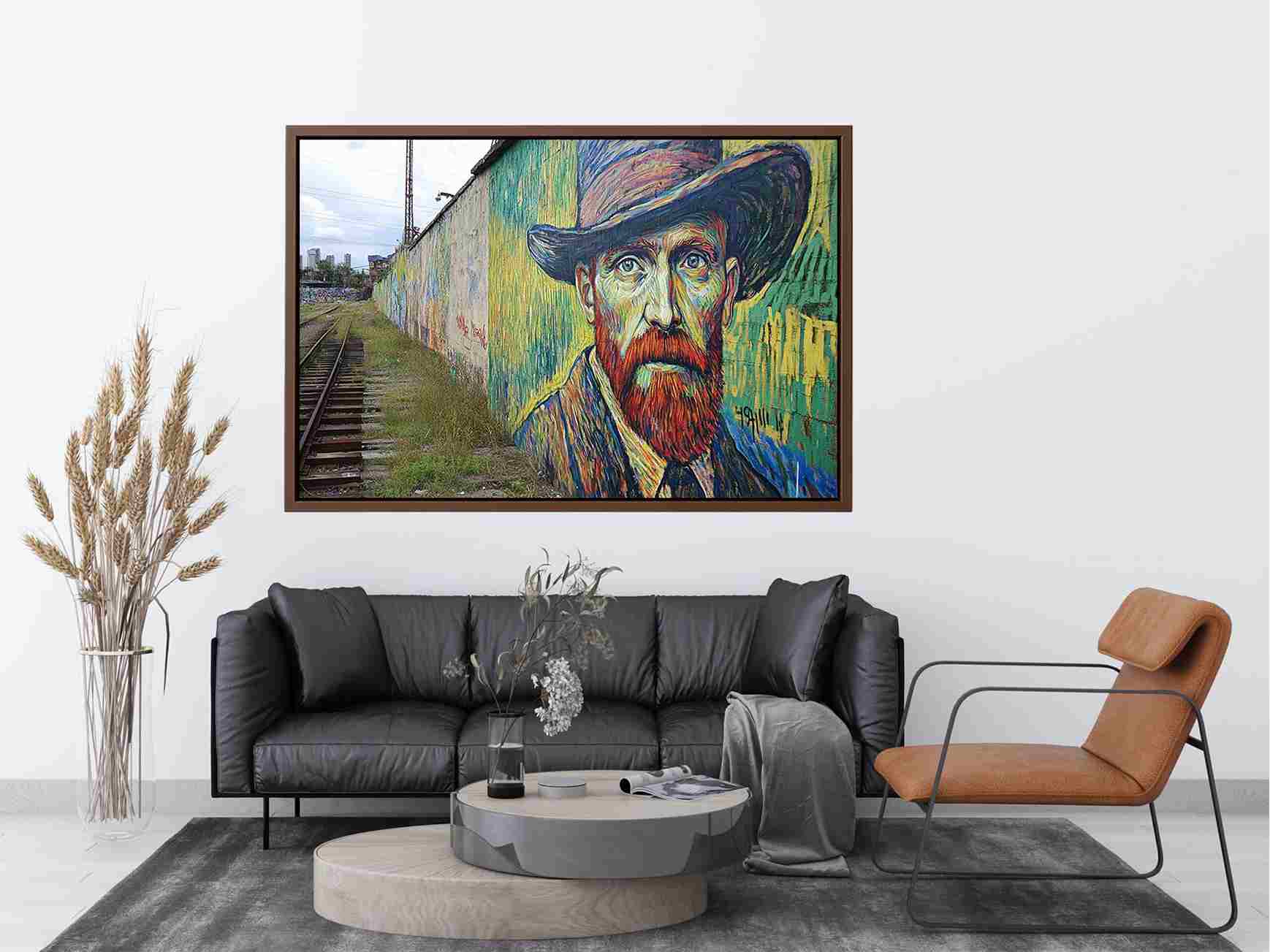
Van Gogh Tribute

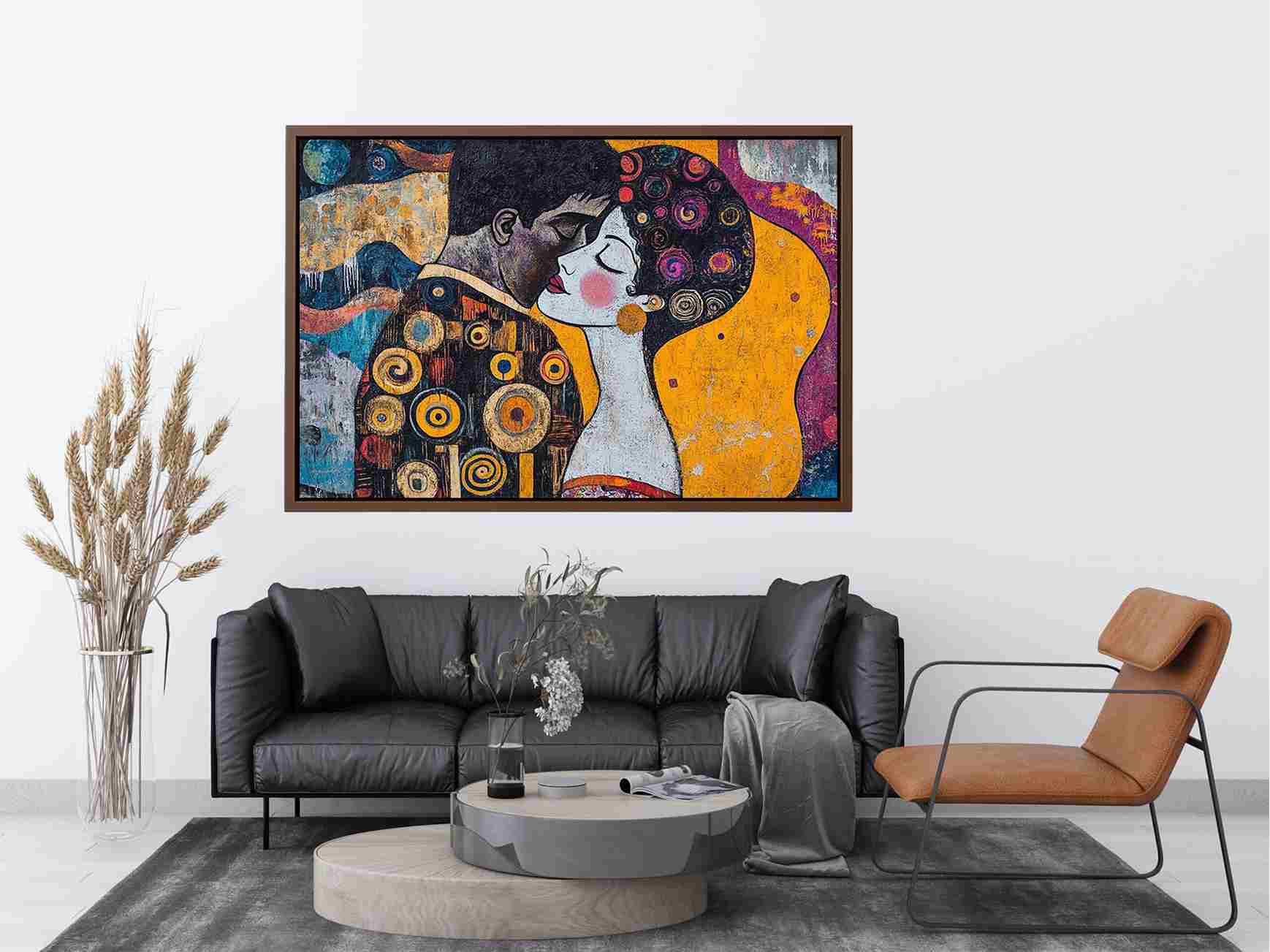
Whispered Kiss

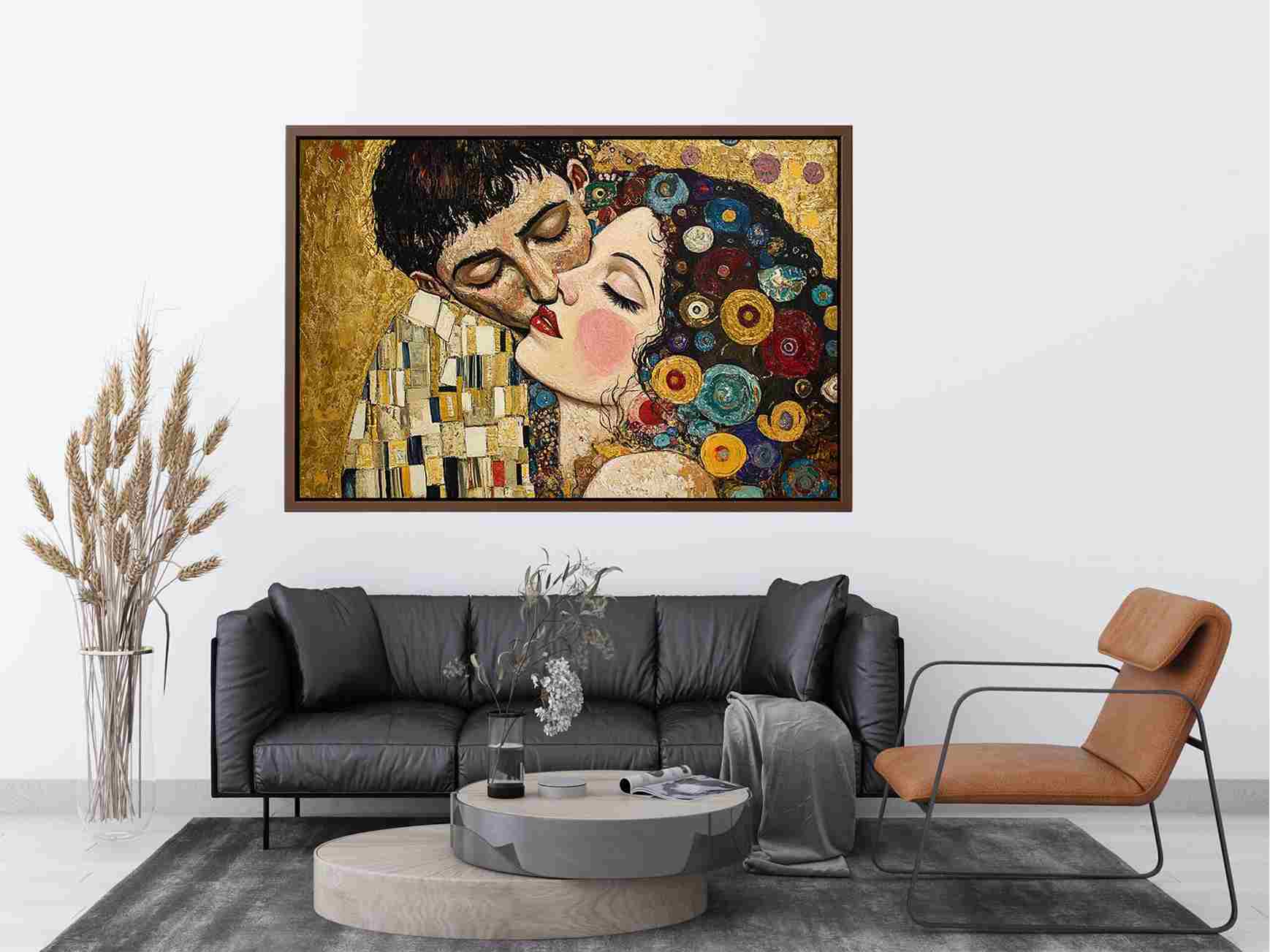
Eternal Embrace

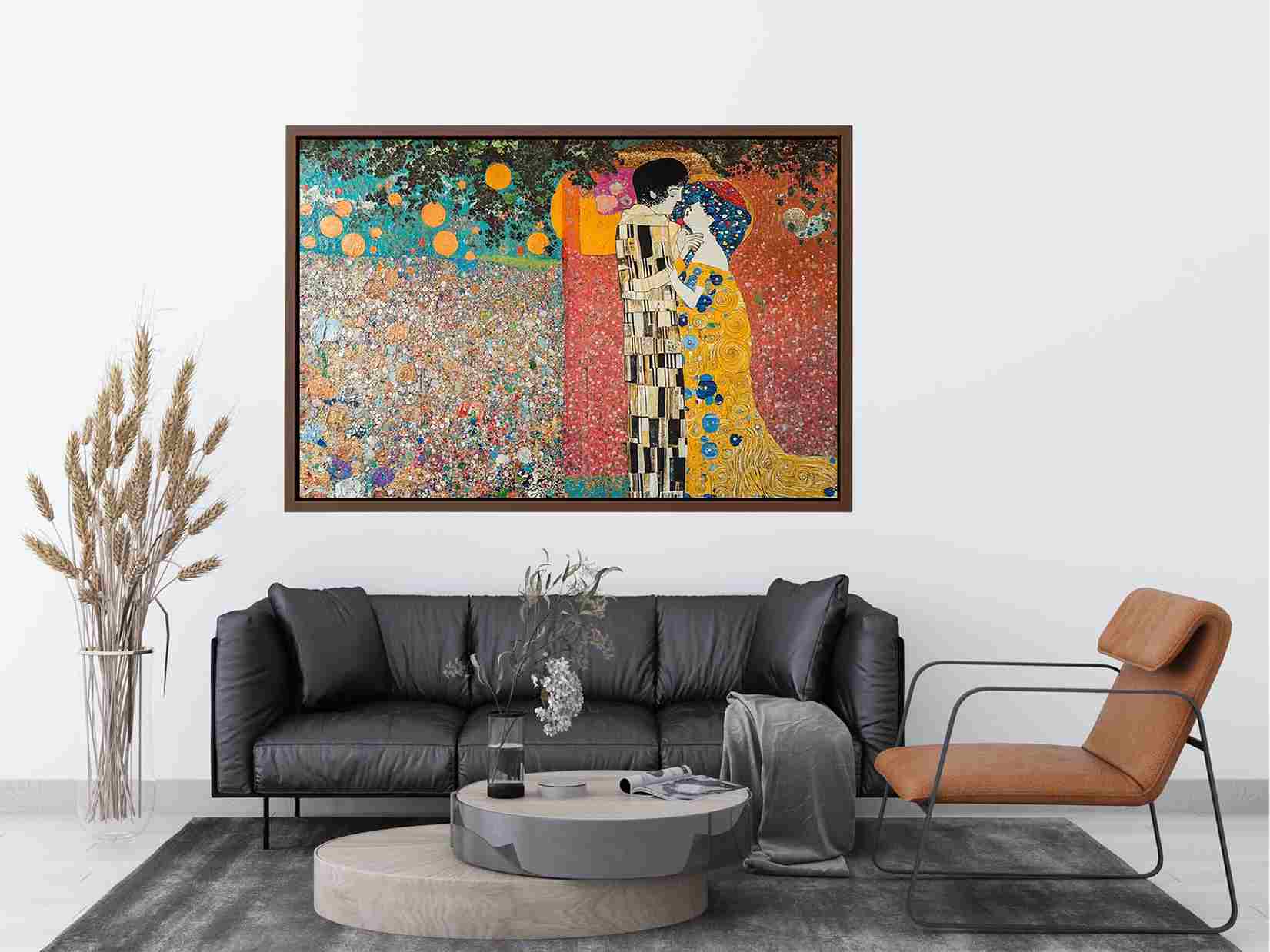
Golden Kiss

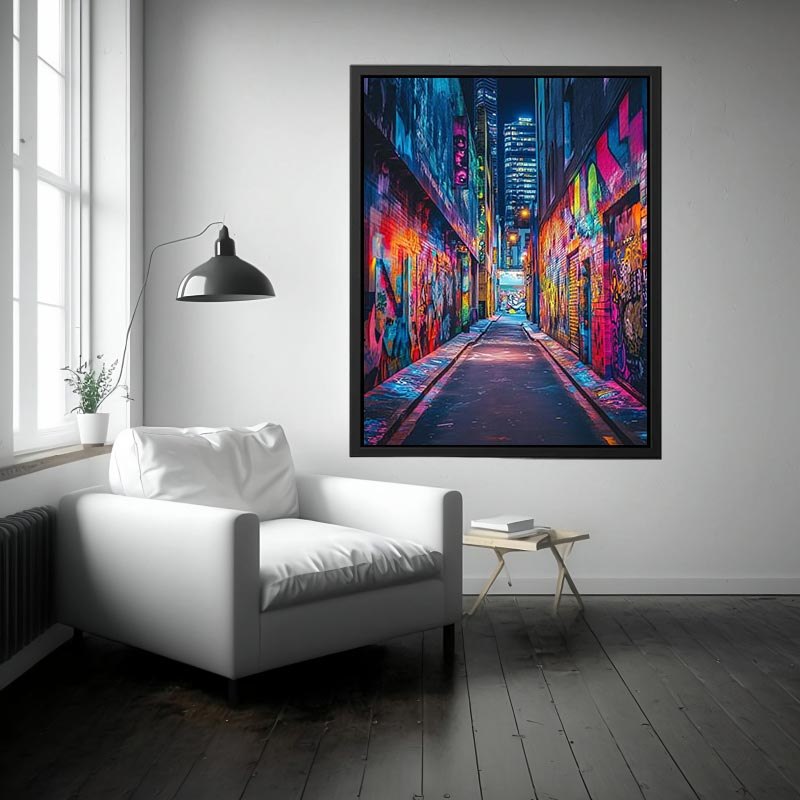
Neon Passage


Girl wth Red Baloon, The Ascent of Joy


Crowd Gorup


Crowd Sketch


Sketch Birds


Give It A Fair Go


Sketch Faces


House Tree


Lovely Street


House Tower

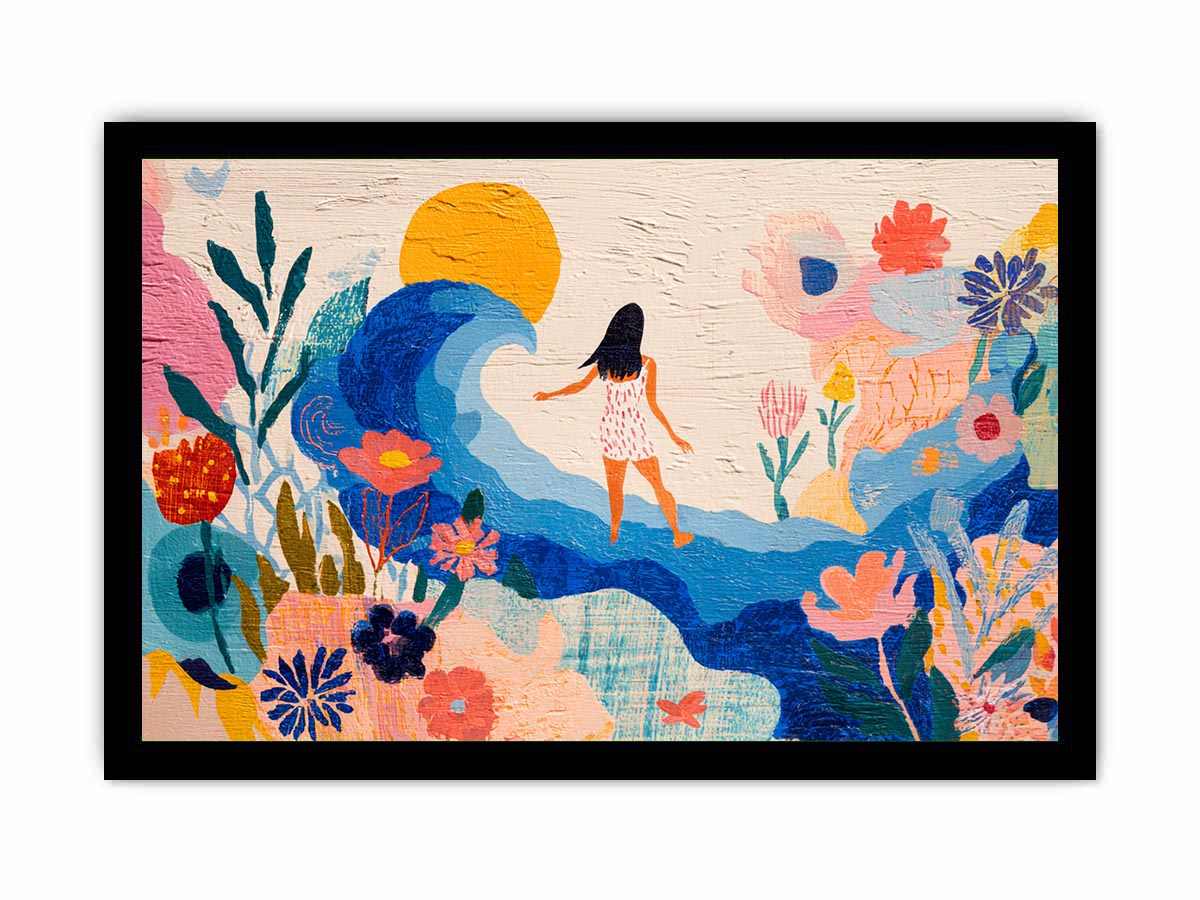
Colorfull Surroundings

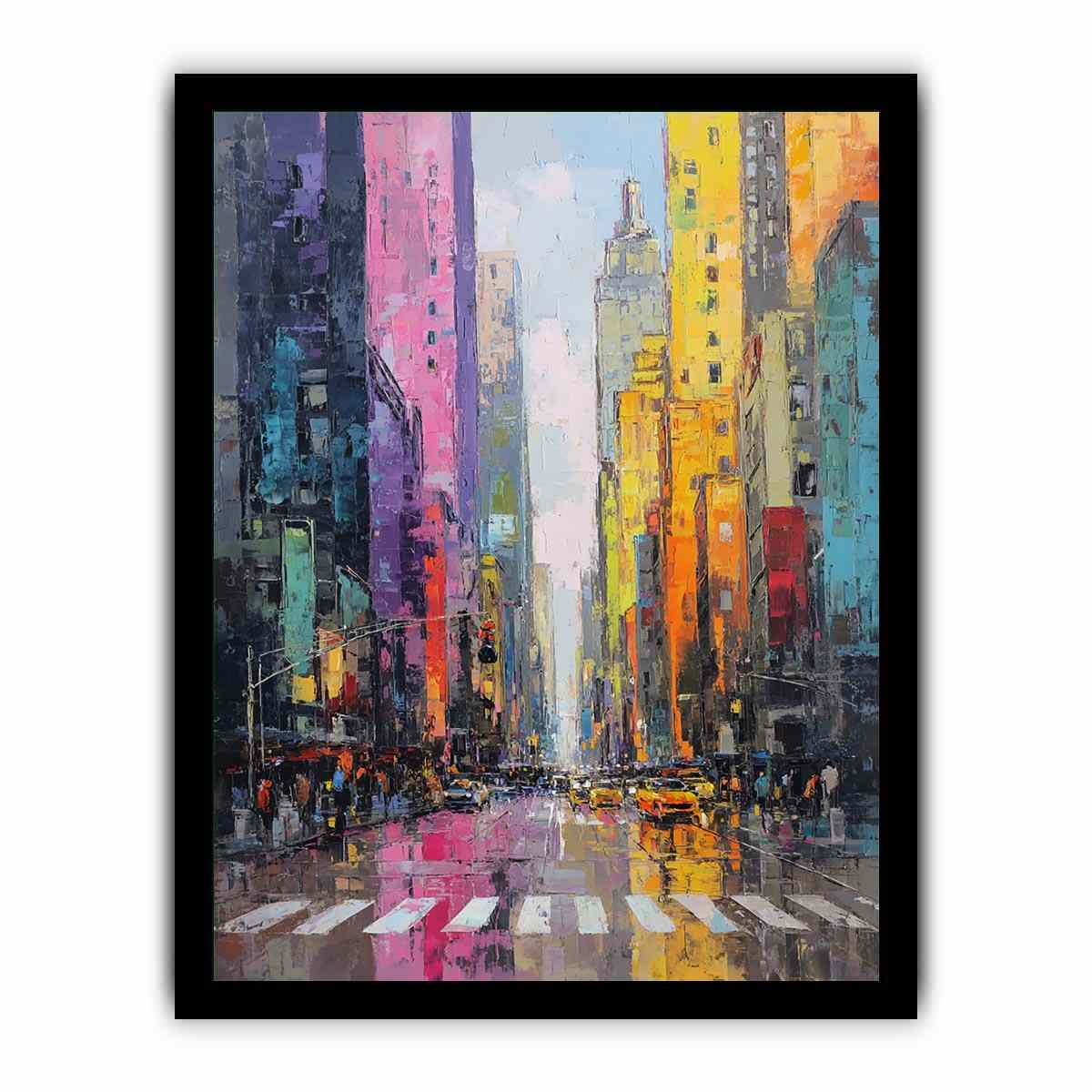
Urban Abstract

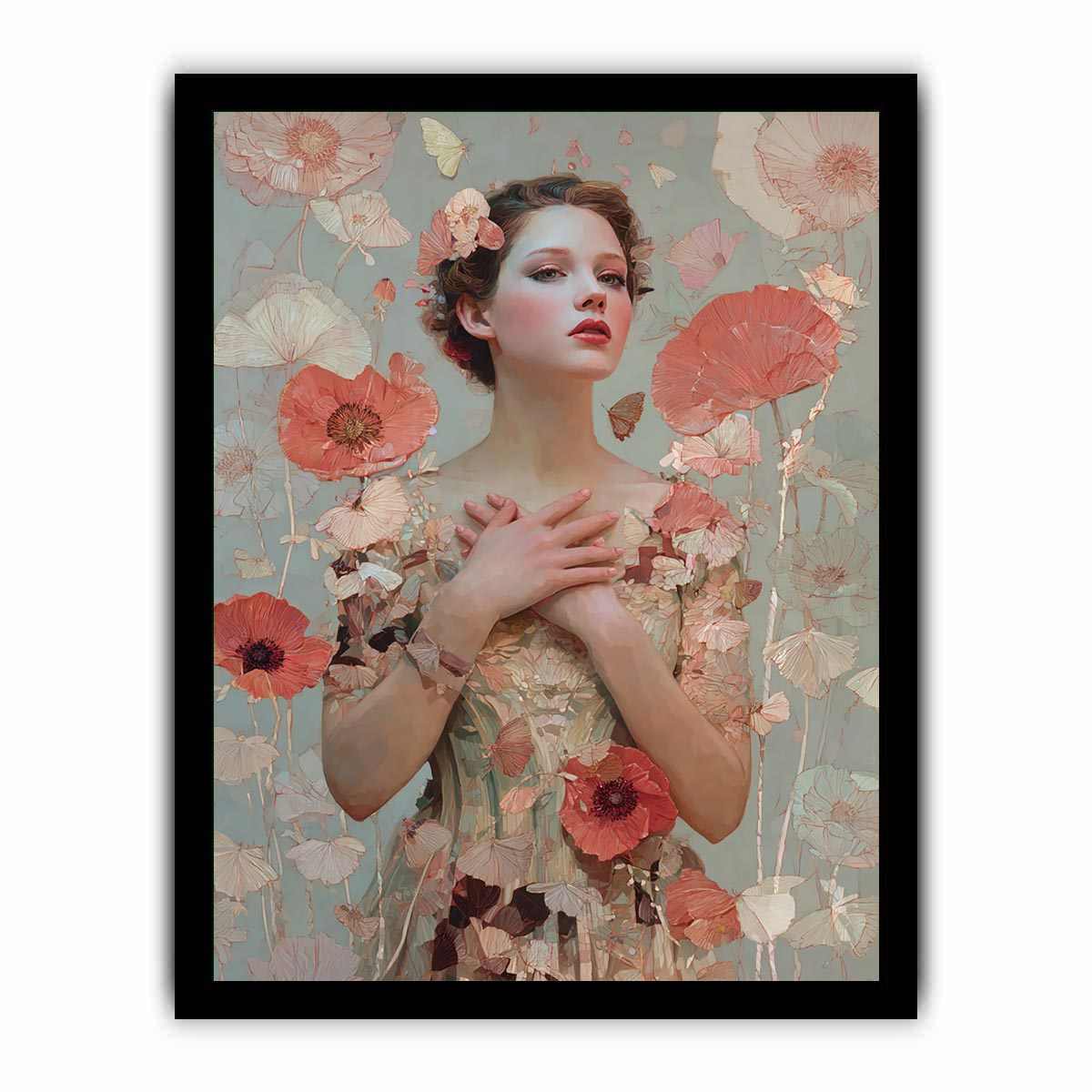
Poppy Blooms


Graffiti Love


Graffiti Love I

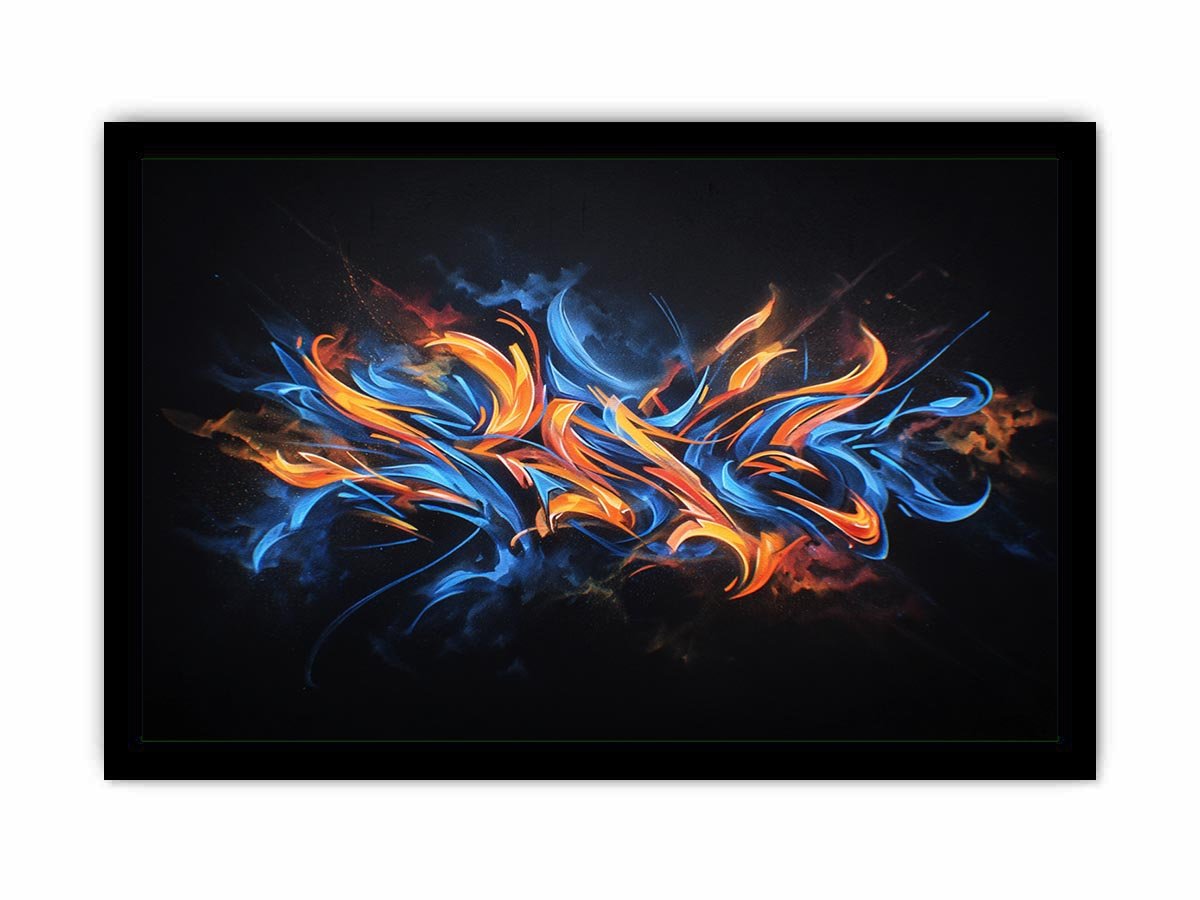
Dynamic Graffiti

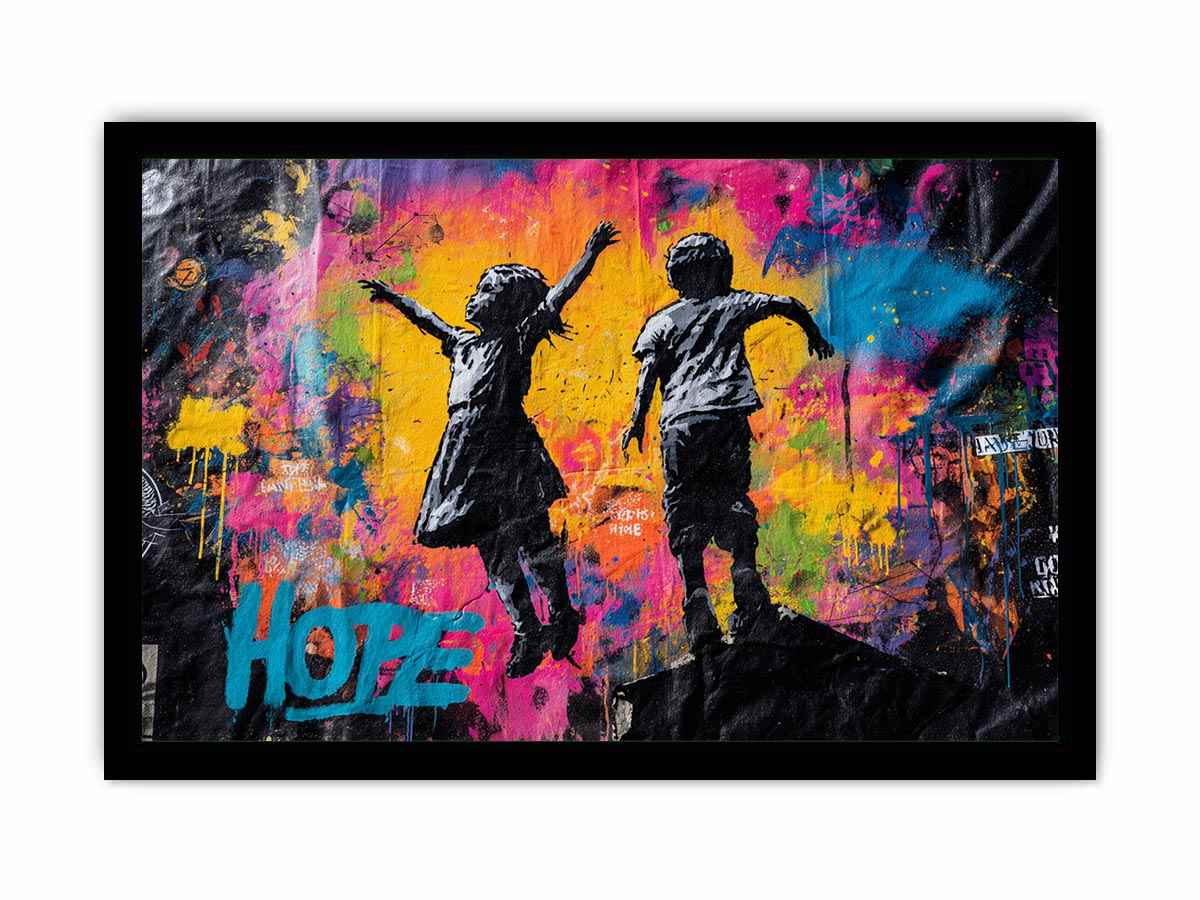
Love & Hope

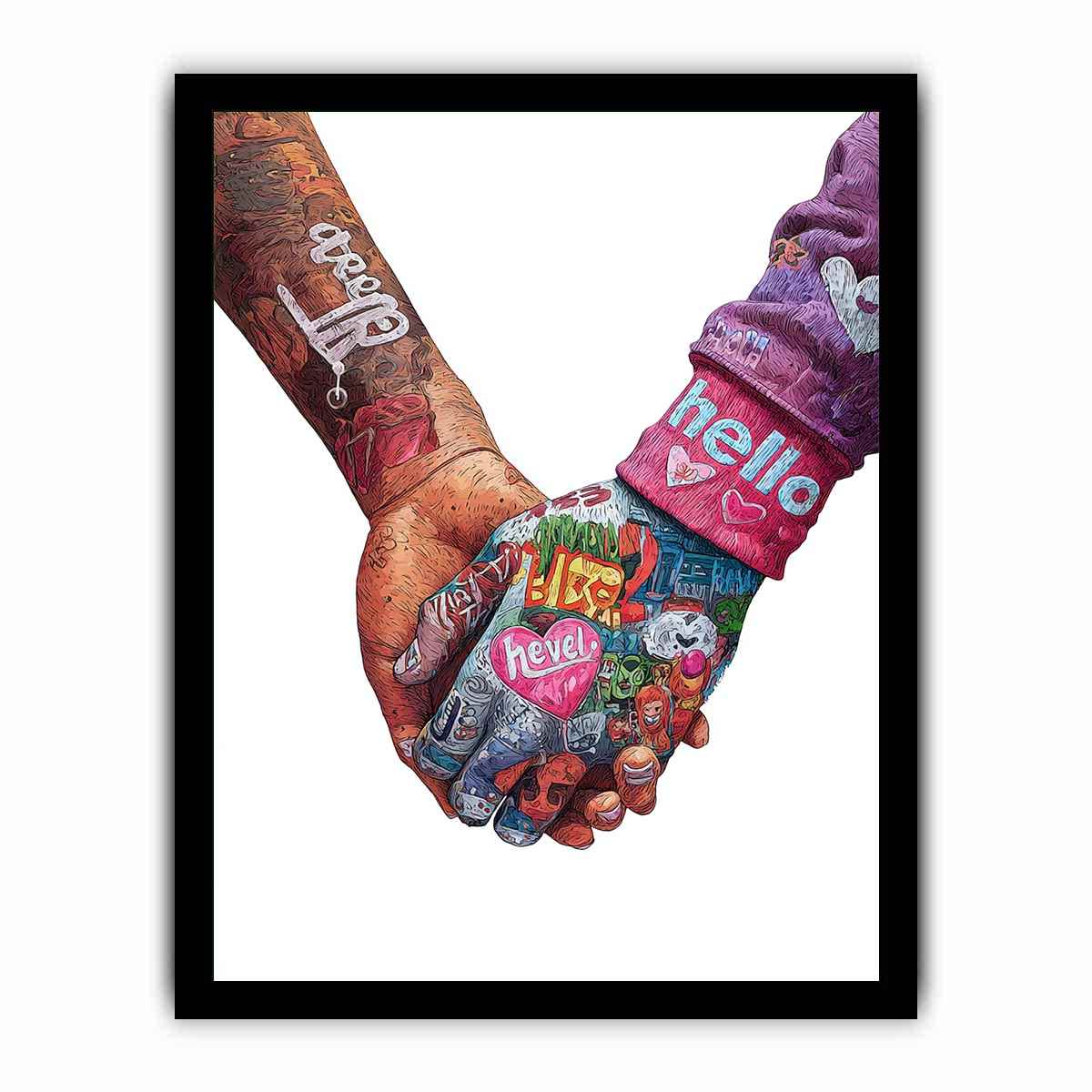
hand in hand


Pop Art Muse


Colorfull Graffiti


Frida Among the Leaves


Feathers in Silence

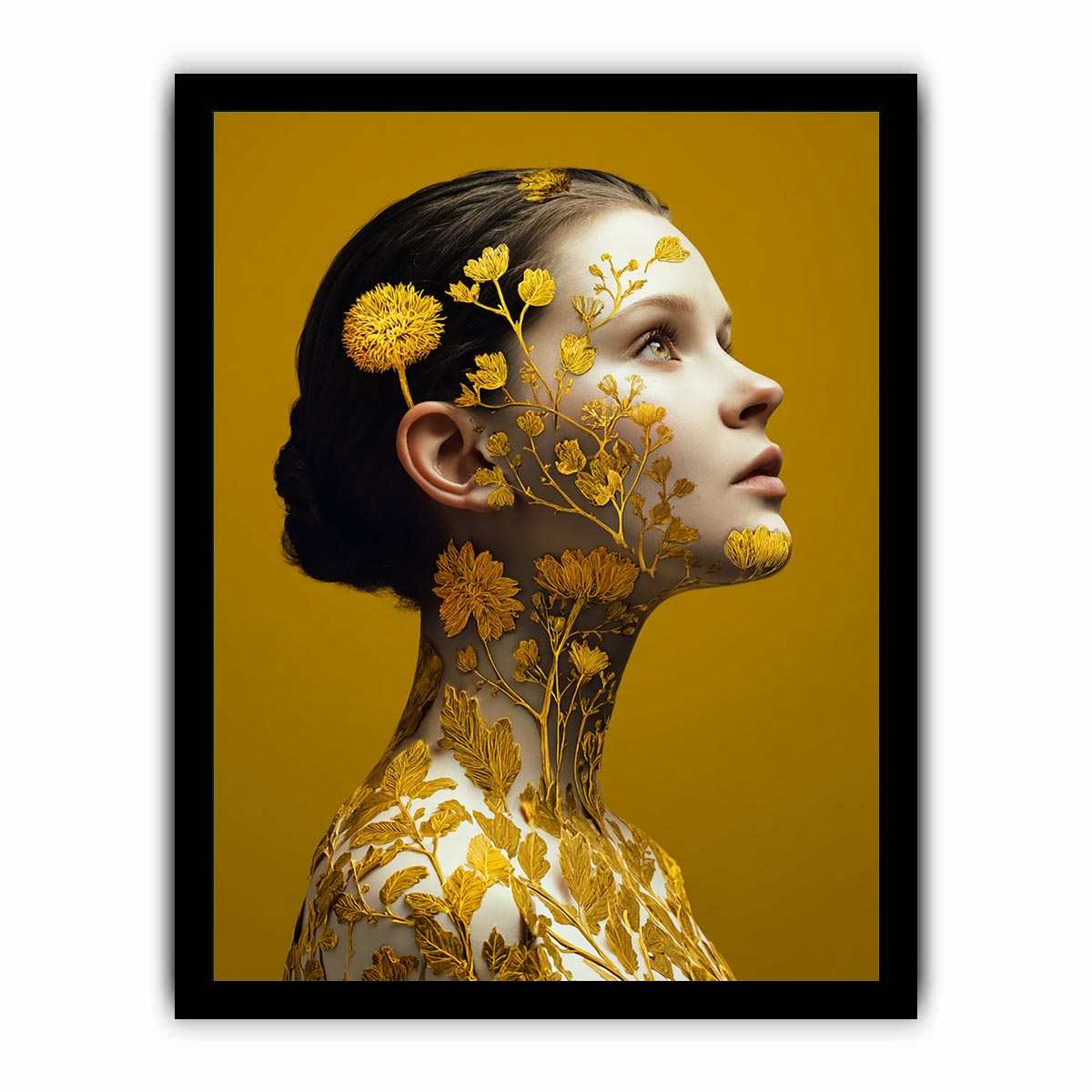
Echoes in Neutral Light


Woven in Stillness I


Colors Of The Lisbon Sun


The Sky In Her Hands
Graffiti Art Prints & Paintings for Bold Urban Interiors
Graffiti Art brings expressive color, graphic energy and urban character to contemporary walls. Fame Art Gallery's catalog includes graffiti-inspired works ranging from bold painted compositions and expressive lettering to colorful city scenes and neon-lit environments. Current examples include Graffiti Love, Graffiti Love I, Dynamic Graffiti and Neon Alley Rain. Choose artwork according to its subject, color palette, scale and visual intensity, then select a canvas or framed presentation where available. Graffiti-inspired wall art can create a distinctive focal point in living rooms, bedrooms, offices, media rooms, studios, hallways and other interiors where contemporary personality and urban visual energy are important.
What Is Graffiti Art?
Graffiti Art is a visual-art direction associated with graffiti and street-inspired expression. It can incorporate expressive lettering, painted marks, bold colors, symbols, characters, urban environments and layered graphic elements.
Graffiti-inspired artwork does not have to reproduce a literal city wall. Contemporary compositions can reinterpret graffiti through typography, colorful paint effects, portraits, abstract marks, architectural settings and illuminated urban scenes.
For interior design, this gives Graffiti Art a distinctive visual role: it can introduce energy, personality, color and contemporary urban character without relying on traditional landscape or portrait imagery.
What You'll Find in Graffiti Art
Graffiti Lettering and Typography
Lettering is one of the most recognizable characteristics associated with graffiti. Stylized words, painted letters and graphic typography can make an artwork feel energetic and expressive.
Typography-led artwork works particularly well when you want the wall to make a direct graphic statement rather than simply provide a decorative color accent.
Colorful Graffiti Compositions
Bold color is often central to graffiti-inspired artwork. Strong contrasts, layered colors and saturated accents can give a restrained interior a more energetic character.
When selecting colorful graffiti art, decide whether the artwork should introduce the room's primary accent color or connect colors that are already present in the furniture and accessories.
Urban Graffiti Scenes
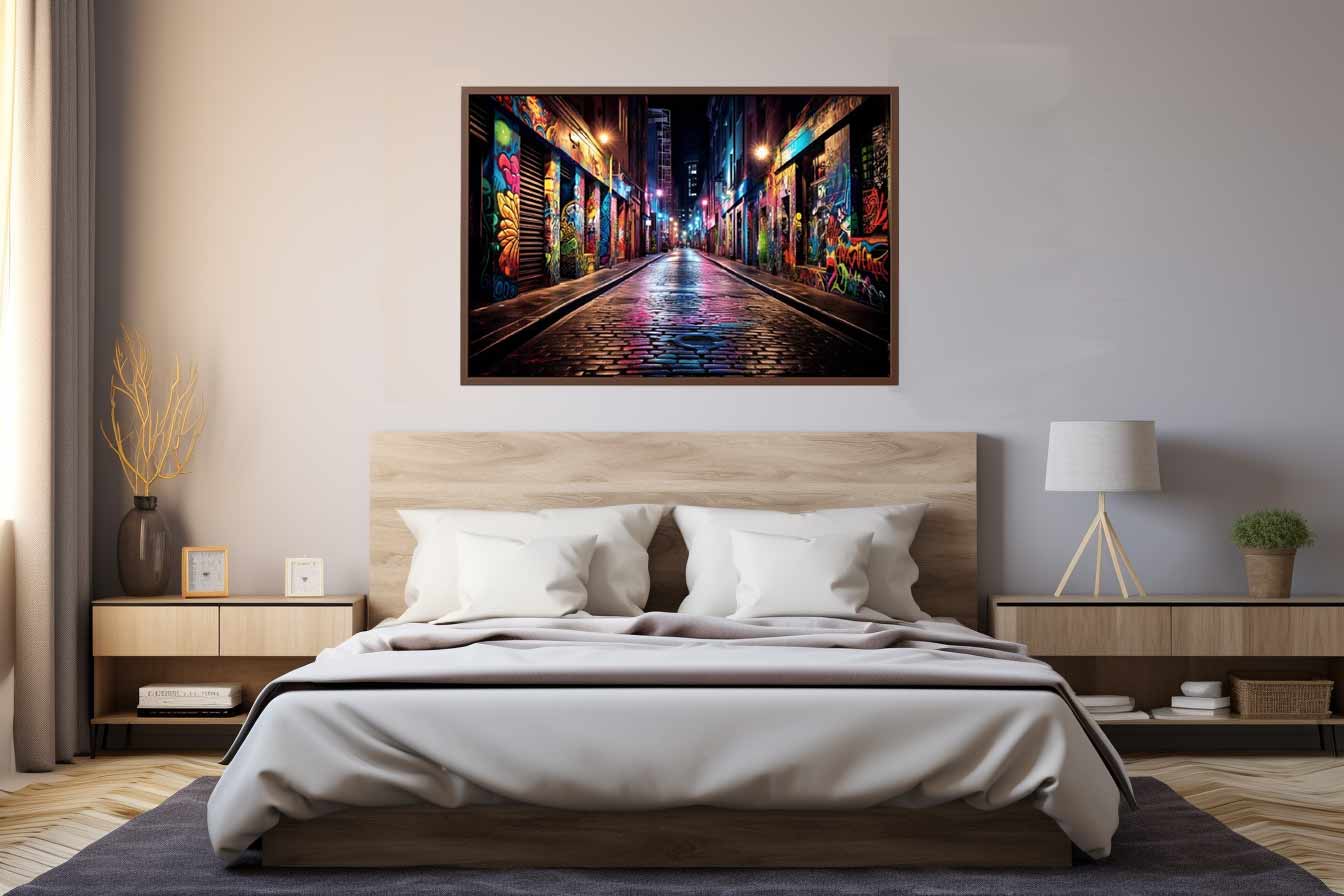
Graffiti Art can also incorporate streets, walls, buildings, alleys and nighttime environments. Neon Alley Rain demonstrates this direction through a colorful graffiti-covered urban setting with illuminated surroundings and wet pavement.
Urban scenes can work particularly well in contemporary living spaces, offices, hallways, studios and entertainment rooms.
Expressive Graffiti Artwork
Works such as Dynamic Graffiti emphasize visual movement and expressive energy. These compositions can become strong focal points when the artwork is intended to contribute significantly to the room's personality.
How to Choose Graffiti Art
Choose Graffiti Art according to the role you want the artwork to play in your interior. Consider subject, color, scale, visual intensity and presentation before making a selection.
- Choose by subject: consider lettering, painted marks, urban scenes, characters, symbols or expressive compositions.
- Choose by color: use vivid artwork for energy or controlled colors for a more refined urban aesthetic.
- Choose by visual intensity: bold artwork can dominate a feature wall, while restrained pieces can complement existing decor.
- Choose by scale: detailed lettering and urban scenes generally need sufficient size to remain visually effective.
- Choose by room: match the artwork's energy with the purpose and atmosphere of the space.
- Choose by presentation: compare canvas and available framed options according to the individual artwork.
For broader buying guidance, explore the How to Choose Wall Art guide and Wall Art Size Guide.
Graffiti Art for Living Rooms
Graffiti artwork can give a living room a distinctly contemporary personality. A large colorful composition above a sofa can become the room's primary focal point, particularly when the surrounding furniture uses neutral or understated finishes.
For a polished urban interior, let the artwork provide most of the visual energy while keeping the surrounding decorative palette controlled. Black, white, gray, natural wood and simple metal finishes can provide a balanced foundation for expressive graffiti artwork.
If the room already contains strong colors, select artwork that connects with one or two existing tones rather than attempting to match every color in the composition.
Explore Living Room Wall Art for additional artwork.
Graffiti Art for Bedrooms
Graffiti Art can make a bedroom feel more individual and expressive. Colorful lettering, urban compositions and bold graphic artwork can create a statement wall behind the bed or on an adjacent wall.
For a more restrained bedroom, choose graffiti artwork with a controlled palette and simpler composition. For a more energetic environment, vivid colors, strong contrast and expressive marks can provide greater impact.
Measure the available wall and furniture before selecting a large piece so the artwork maintains balanced proportions within the room.
Browse Bedroom Art for additional bedroom artwork.
Graffiti Art for Home Offices
Graffiti artwork can add personality to a home office without requiring conventional office-themed decoration. A strong composition can provide a creative focal point while the desk, shelving and functional furniture remain relatively restrained.
Typography can create a direct graphic statement, while urban scenes and neon artwork can introduce a more atmospheric contemporary character.
Explore Office Wall Art for additional office artwork.
Graffiti Art for Media Rooms and Entertainment Spaces
Media rooms, gaming spaces, entertainment rooms, studios and creative workspaces can accommodate highly expressive wall art. Graffiti-inspired artwork can reinforce an urban, energetic or contemporary atmosphere without requiring every furnishing to follow the same theme.
When choosing artwork for an entertainment space, consider how the composition will appear under the room's normal lighting. Strong contrast and saturated color can remain visually prominent even when the lighting is lower.
Graffiti Art for Hallways and Entryways
Hallways and entryways often benefit from artwork with immediate visual impact. Graffiti compositions can introduce personality into these transitional spaces without requiring substantial furniture.
Use narrower or vertically oriented artwork where the wall is constrained by doors and passageways. A wider hallway can accommodate a broader urban composition.
Choosing Graffiti Art by Color
Multicolor Graffiti Art
Multicolor graffiti artwork can become the principal color feature in a room. If the artwork contains many colors, identify one or two dominant tones and repeat them subtly through accessories rather than attempting to reproduce the complete palette.
Black and White Graffiti Art
Black-and-white graffiti-inspired artwork can provide urban character while maintaining a more controlled palette. This makes it useful for monochromatic interiors, minimalist spaces and rooms that already contain substantial color.
Neon Graffiti Art
Neon-inspired graffiti artwork can create a dramatic urban atmosphere through vivid illuminated colors. It can be particularly effective in entertainment rooms, studios, gaming spaces and contemporary offices.
Neon Alley Rain demonstrates how graffiti aesthetics can be combined with a nighttime city environment to create a more cinematic visual effect.
Red and Black Graffiti Art
Red and black provide strong contrast and can create a dramatic visual statement. Use this combination when you want the artwork to command attention rather than function as a subtle background accent.
Graffiti Art for Large Walls
Large graffiti compositions can benefit from substantial wall space because lettering, painted marks, layered color and urban details can lose visual clarity when reduced too far.
One appropriately scaled artwork can often create a stronger result on a large wall than several small pieces competing for attention.
Measure the wall and the furniture beneath it before selecting the artwork. Consider the artwork's width, height and normal viewing distance together.
For additional planning guidance, explore Wall Art for Large Walls.
Canvas and Framed Graffiti Art
Presentation can influence how graffiti artwork interacts with an interior. Available options vary by individual artwork, with Fame Art Gallery offering canvas and floating-frame presentations across its catalog, including Rolled Canvas, Stretched Canvas, Black Floating Frame, White Floating Frame and Brown Floating Frame.
Black Floating Frames can reinforce the graphic quality of graffiti artwork, especially when the composition contains dark outlines or strong contrast. White frames can create a lighter transition into the wall, while brown frames can add warmth to urban imagery.
Rolled Canvas can provide flexibility where available, while Stretched Canvas offers a finished canvas presentation. Framed formats create a more defined visual boundary around the artwork.
Compare Canvas Prints and Framed Prints when deciding on presentation.
Graffiti Art vs. Abstract Art
Abstract Art focuses primarily on elements such as color, form, line, texture and composition without requiring a recognizable subject. Graffiti Art can also use abstraction, but it often retains connections to lettering, painted marks, urban environments or street-inspired visual language.
Choose Graffiti Art when urban expression and graffiti aesthetics are important. Explore Abstract Art when non-representational composition is the main reason you are buying.
Graffiti Art vs. Modern Art
Modern Art is a broad art-style category that can include abstract, figurative and other approaches. Graffiti Art is more focused on the visual language associated with graffiti and urban expression.
If you want to compare many different modern approaches, explore Modern Art. If graffiti-inspired character is the defining requirement, choose the more focused Graffiti Art direction.
Graffiti Art vs. Contemporary Wall Art
Contemporary Wall Art encompasses a wide range of current artistic styles and decorative approaches. Graffiti Art represents a narrower visual direction centered on urban, graphic and street-inspired expression.
Choose Graffiti Art when lettering, painted marks, urban imagery or expressive color are central to your decision. Explore Contemporary Wall Art when you want a broader contemporary selection.
How to Style Graffiti Art
- Let the artwork lead: use neutral furniture and walls when you want colorful graffiti artwork to become the primary focal point.
- Repeat selected colors: use one or two artwork colors in cushions, rugs or smaller decorative pieces.
- Introduce urban materials: metal, dark wood, leather and concrete-inspired finishes can complement a street-influenced aesthetic.
- Control surrounding patterns: detailed graffiti artwork can become visually crowded when surrounded by numerous competing patterns.
- Choose the frame deliberately: black can strengthen the graphic character, while lighter finishes can create contrast.
- Consider lighting: directional illumination can emphasize saturated colors and visual details.
For broader interior advice, explore Interior Design With Art and How to Match Art With Furniture.
Creating a Graffiti Feature Wall
A graffiti feature wall does not need multiple artworks to create impact. One large composition can establish the room's color, energy and visual identity.
Choose the artwork according to the wall's dimensions and the furniture positioned nearby. Keep surrounding decoration relatively controlled when the artwork contains complex lettering, multiple colors or layered graphic elements.
For a stronger urban interior, pair graffiti artwork with simple architectural finishes and contemporary furniture. For a softer interpretation, place one colorful graffiti piece against neutral walls and understated furnishings.
Creating a Graffiti Gallery Wall
Graffiti artwork can be combined with other contemporary pieces in a gallery wall when there is a clear relationship between the works.
Coordinate the group through color palette, frame finish, urban subject matter or overall visual intensity. The artwork does not need to depict identical subjects to feel connected.
For layout and spacing advice, explore the Gallery Wall Guide.
Why Shop Graffiti Art at Fame Art Gallery?
Fame Art Gallery's art-style catalog includes Graffiti art as a distinct visual category, allowing shoppers interested in urban and graffiti-inspired artwork to explore this direction within the broader gallery catalog.
Current graffiti-related examples include Graffiti Love, Graffiti Love I, Dynamic Graffiti and Neon Alley Rain, demonstrating different interpretations of graffiti-inspired wall art from direct graphic compositions to colorful urban environments.
Depending on the individual artwork, available presentation formats can include canvas and floating-frame options in multiple sizes. Fame Art Gallery also provides free U.S. shipping and artwork support for customers comparing sizes and presentation choices.
Frequently Asked Questions About Graffiti Art
What is Graffiti Art?
Graffiti Art is a visual-art direction associated with graffiti and street-inspired aesthetics. It can include expressive lettering, painted marks, bold colors, symbols, characters, urban environments and graphic compositions.
Is Graffiti Art suitable for a living room?
Yes. Graffiti artwork can create a strong contemporary focal point in a living room. Colorful artwork can stand out against neutral furniture and walls, while more restrained compositions can complement an already expressive interior.
Is Graffiti Art suitable for a bedroom?
Yes. Graffiti artwork can make a bedroom more personal and expressive. Choose a controlled palette for a more understated effect or stronger color and contrast when you want the artwork to become a statement wall.
Can Graffiti Art work in an office?
Yes. Graffiti-inspired artwork can add creativity and personality to a home office or contemporary workspace. Typography, urban scenes and controlled-color compositions can provide visual interest without requiring the entire room to follow an urban theme.
What colors work best with Graffiti Art?
There is no single best color palette. Multicolor artwork can create energy, black and white can provide a cleaner graphic appearance, and neon colors can establish a dramatic urban atmosphere. Select colors according to the existing interior and desired visual intensity.
What size Graffiti Art should I choose?
Choose the size according to the wall dimensions, furniture beneath it and viewing distance. Detailed lettering, layered compositions and urban scenes often benefit from enough scale for their visual elements to remain clear.
Can Graffiti Art work in a modern home?
Yes. Graffiti artwork can complement modern interiors by introducing expressive graphic elements against clean architectural lines and simple furniture. One substantial piece can provide a strong statement without requiring a fully themed room.
What is the difference between Graffiti Art and Abstract Art?
Abstract Art primarily emphasizes form, color, line, texture and composition without requiring recognizable subject matter. Graffiti Art can be abstract, but it often retains connections to lettering, urban environments and street-inspired visual expression.
What is the difference between Graffiti Art and Contemporary Art?
Contemporary Art is a broad category covering many current artistic approaches. Graffiti Art is more specific and is associated with graffiti, urban imagery, expressive lettering and street-inspired visual language.
Can Graffiti Art be used as a feature wall?
Yes. A large graffiti composition can establish the main color and visual energy of a feature wall. Keep surrounding furniture and decoration relatively controlled when you want the artwork to remain the dominant focal point.