
Geometric Shapes Art & Wall Art Prints | Fame Art Gallery


The Tree of Life by Gustav Klimt


Golden Passage


Celestial Horizon


Minimalist watercolor stones

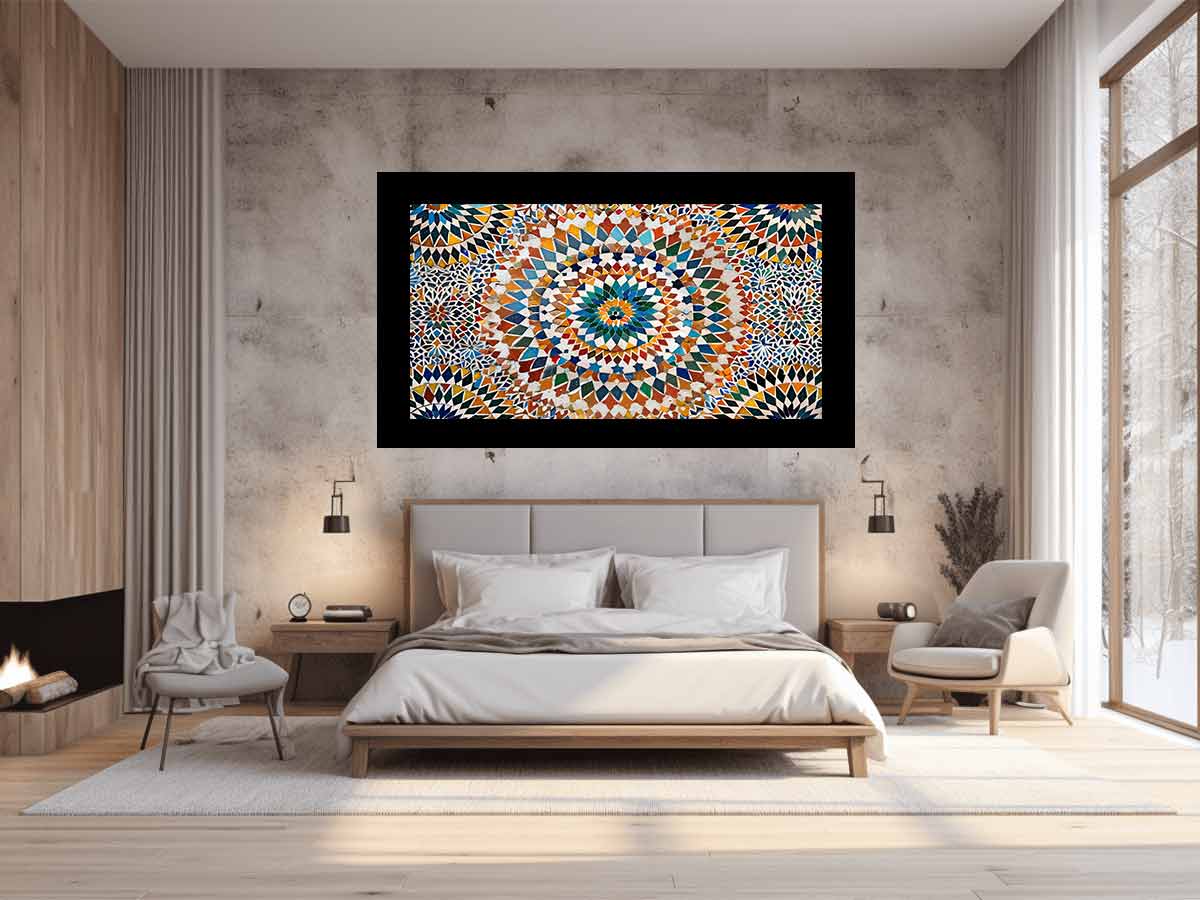
Moroccan Mosaic Bloom


Raised Hands Mural


Hands United


Geometric Stag Grace


Solar Pathways


Geometric Swan


Fragmented Faces


Cubist Harmony


Crimson Urban Motion


Scarlet Geometry


Chromatic Prism Field


Red Orbit Structure


Crimson Grid Form


Orbit Flame Balance


Color Grid Glow


Structured Blue Drift


Spiral Matrix


Endless Passage


Urban Signal


Blue Structure

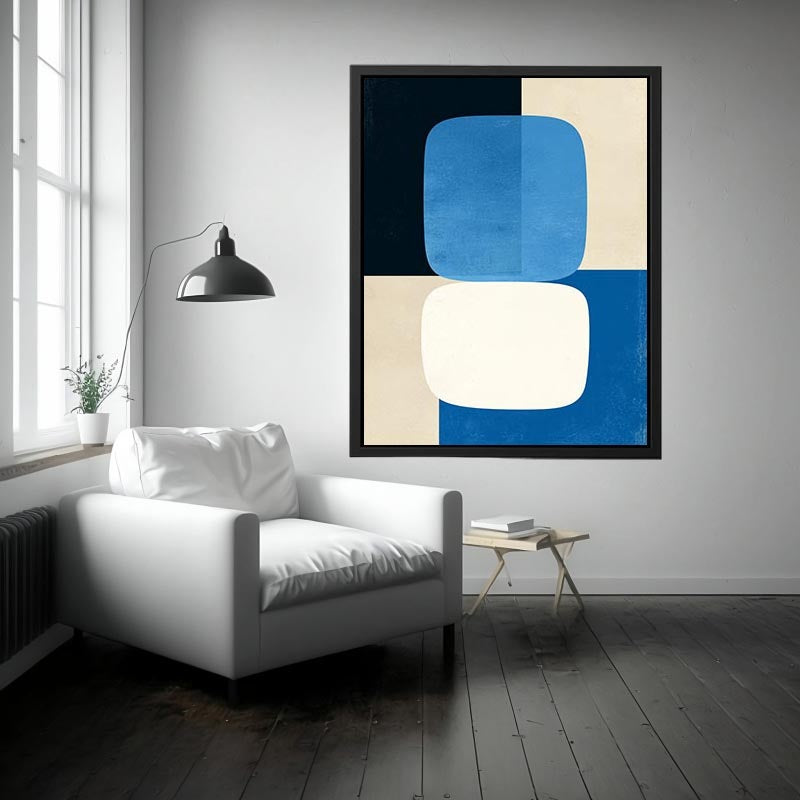
Blue Balance


Chromatic Balance


Blush Harmony

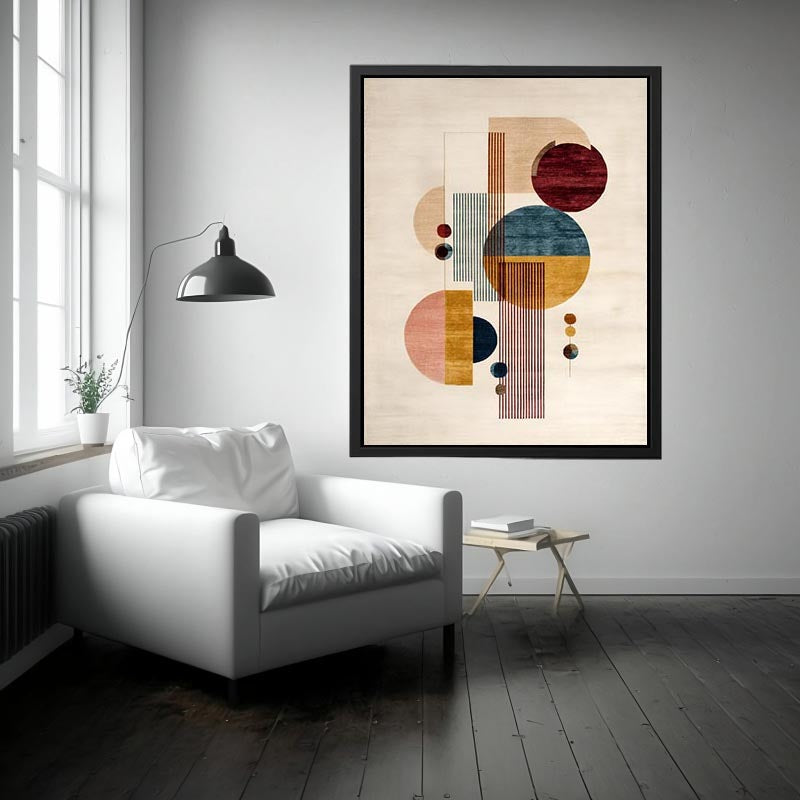
Balanced Forms


Midnight Pixels


Blush Orbit Abstract


Golden Rhythm Abstract


Merlot Circle Study

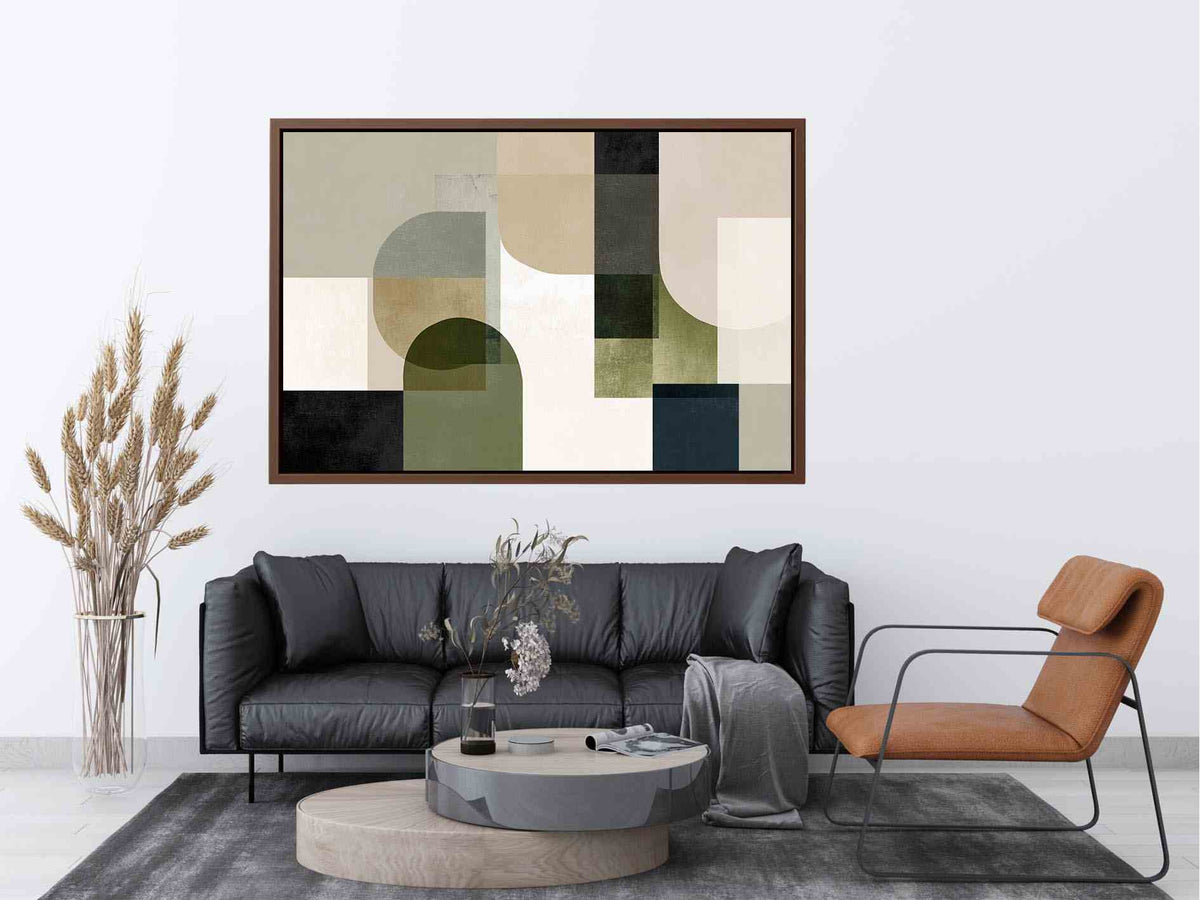
Sage Geometry Calm


Winged Deco Muse


Cosmic Pathways


Terracotta Dawn


Rose Sunfields

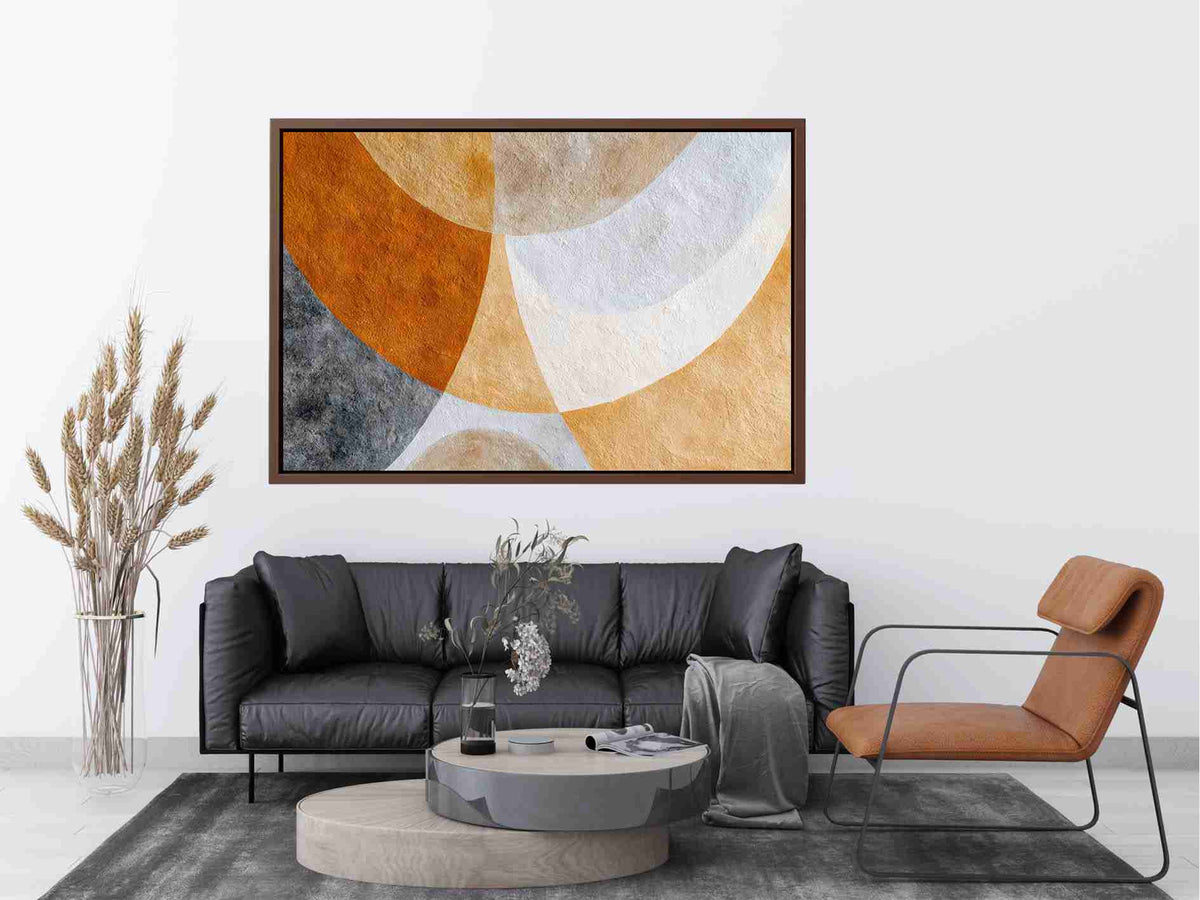
Golden Arc Harmony

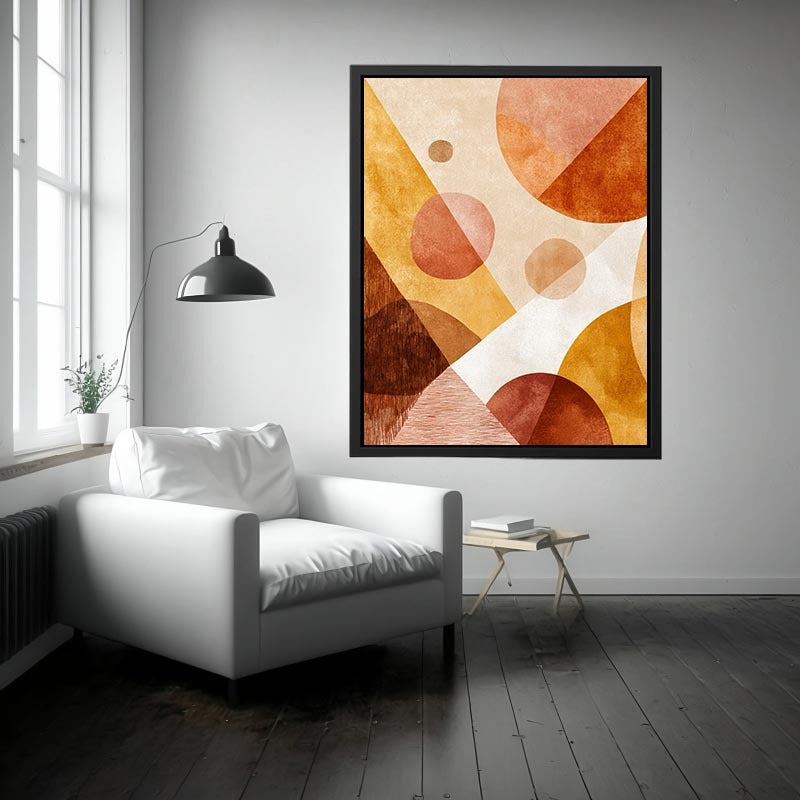
Terracotta Sun Study


Amber Geometry
Geometric Shapes Art & Wall Art for Modern Interiors
Transform an ordinary wall with Geometric Shapes Art from Fame Art Gallery. This collection focuses on circles, lines, arches, grids, angles, patterns, symmetry and layered forms to create artwork with structure, rhythm and visual movement. From restrained geometric compositions to bold contemporary designs, geometric artwork can complement modern, minimalist, contemporary, industrial and eclectic interiors. Choose from artwork in different compositions, colors, sizes and presentation options to create a distinctive focal point for a living room, bedroom, dining room, home office, hallway or open-plan space. Whether you prefer clean lines, repeating patterns, organic curves or contrasting geometric forms, geometric wall art provides a structured alternative to traditional subject-based artwork.
What Is Geometric Shapes Art?
Geometric Shapes Art is artwork that uses recognizable geometric forms and their relationships as important parts of the composition. Circles, squares, rectangles, triangles, arches, curves, straight lines, grids and repeating patterns can all be used to create visual structure.
Some geometric artwork emphasizes symmetry, balance and repetition, while other compositions use asymmetry, overlapping shapes, contrasting proportions and directional lines to create movement. This means geometric art can appear minimalist and restrained or colorful, expressive and visually complex.
For wall art buyers, geometric artwork is particularly useful when the goal is to introduce structure, pattern, rhythm and personality without relying on a traditional landscape, portrait or still-life subject.
What You'll Find in Geometric Shapes Art
Circle and Curved Geometric Art
Circles, arcs and curved forms can create a softer interpretation of geometric design. Rounded shapes introduce visual flow and can contrast effectively with the straight lines found in furniture, architecture, shelving and other interior elements.
Choose circular geometric artwork when you want the organization of geometric design with a more fluid visual character.
Linear Geometric Art
Linear geometric compositions use straight lines, intersections, grids and directional relationships to establish rhythm and order. These designs can complement clean-lined furniture and contemporary architectural details.
Linear artwork is a strong choice when you want your wall decoration to reinforce the organized appearance of a modern interior.
Angular Geometric Art
Triangles, diagonal lines and intersecting angular forms can introduce energy and direction. Angular compositions can create a stronger statement against plain walls and restrained furniture.
Choose angular geometric artwork when you want sharper visual definition and a more dynamic composition.
Geometric Pattern Art
Repeating geometric shapes can create continuity across an artwork. Pattern-based compositions use repetition, spacing and proportion to produce visual rhythm while keeping geometric structure at the center of the design.
Layered and Overlapping Geometric Art
Overlapping forms can create visual depth by combining different shapes, proportions, lines and tones. Layered geometric compositions are particularly effective when the artwork is intended to become a substantial focal point.
Minimal Geometric Art
Minimal geometric artwork reduces the composition to essential shapes, restrained colors and carefully controlled negative space. This approach can work especially well in interiors where simplicity and visual clarity are important.
How Geometric Shapes Affect the Look of a Room
Geometric forms can influence how artwork feels within an interior. Circles and curves can introduce softness and flow, while squares and rectangles can communicate stability and order. Diagonal lines can create movement, while grids and repeated forms can establish rhythm and continuity.
The visual effect also depends on scale, spacing, color and contrast. A simple geometric composition may feel calm and refined, while a dense arrangement of overlapping forms can create greater energy and visual intensity.
When selecting geometric wall art, consider the complete relationship between shape, proportion, repetition, negative space, color and wall size.
Symmetrical vs. Asymmetrical Geometric Art
Symmetrical Geometric Art
Symmetrical compositions repeat or balance visual elements across a central axis or defined structure. Symmetry can create an orderly, stable and controlled appearance and may work particularly well in interiors with balanced furniture arrangements.
Asymmetrical Geometric Art
Asymmetrical compositions use unequal shapes, spacing or visual weight while maintaining an overall sense of balance. This approach can create more movement and visual tension.
Choose symmetry when you prefer order and consistency. Choose asymmetry when you want greater movement, contrast and visual unpredictability.
How to Choose the Right Geometric Shapes Art
The right geometric artwork should work with both the wall and the interior around it. Consider the artwork's subject structure, visual complexity, color palette, dimensions and presentation before making your choice.
- Choose the dominant shapes: decide whether you prefer circles, curves, lines, grids, angles, arches or repeating patterns.
- Choose the visual complexity: select a simple composition for a restrained interior or layered artwork for a stronger focal point.
- Choose the color palette: decide whether the artwork should coordinate with existing colors or provide deliberate contrast.
- Choose the scale: compare the artwork dimensions with the wall, furniture and viewing distance.
- Choose the presentation: consider canvas, stretched canvas or a floating-frame presentation according to the desired finish.
- Choose according to the room: match the artwork's visual intensity with the atmosphere you want to create.
For practical selection advice, explore the How to Choose Wall Art guide and Wall Art Size Guide.
Geometric Shapes Art for Living Rooms
A large geometric artwork can become a strong focal point above a sofa, sectional, console or sideboard. Structured shapes can reinforce the clean lines of contemporary furniture while giving the wall a stronger visual identity.
For a neutral living room, colorful geometric artwork can introduce the primary accent colors. For an already colorful interior, choose artwork that repeats selected tones from the furniture, rug or accessories.
Detailed geometric artwork generally benefits from sufficient surrounding space so individual shapes remain visually readable.
Explore Living Room Wall Art for additional artwork selected for living spaces.
Geometric Shapes Art for Bedrooms
Geometric wall art can give a bedroom a structured and contemporary appearance without requiring a traditional subject. Minimal compositions and restrained palettes can create a quieter visual effect, while stronger contrast and layered patterns can establish a more dramatic focal wall.
When placing artwork above a bed, compare the artwork's width with the bed and surrounding wall. The goal is to create a proportional relationship rather than leaving the artwork visually disconnected from the furniture.
Explore Bedroom Art for additional bedroom artwork.
Geometric Shapes Art for Dining Rooms
Dining rooms often contain strong horizontal and vertical elements created by tables, chairs, cabinetry and lighting. Geometric artwork can reinforce these relationships through lines, patterns and balanced forms.
Artwork above a dining table, sideboard or console can create a clear visual anchor. If the artwork contains a complex pattern or multiple colors, keeping nearby decorative elements relatively restrained can help maintain balance.
Explore Dining Room Wall Art for more dining-room options.
Geometric Shapes Art for Home Offices
Geometric artwork naturally complements the organized character of a home office. Lines, grids, repeated shapes and balanced compositions can provide visual interest while working alongside desks, shelving and other functional elements.
A restrained geometric composition can create a polished professional appearance, while colorful or more expressive geometric art can personalize a creative workspace.
Explore Office Wall Art for additional office-focused artwork.
Geometric Art for Hallways and Entryways
Hallways and entryways can benefit from geometric artwork because structured compositions can make a transition space feel intentionally designed rather than simply functional.
For narrower walls, consider artwork whose proportions suit the available width. Repeating geometric forms can also create visual continuity along a longer hallway.
Geometric Shapes Art by Color
Black and White Geometric Art
Black-and-white geometric artwork places emphasis on shape, contrast and composition. It can complement minimalist, monochrome and contemporary interiors while providing clear visual definition.
Neutral Geometric Art
Neutral geometric artwork can complement beige, cream, taupe, gray, white and natural wood interiors. It introduces structure and visual interest without necessarily becoming a dominant accent.
Gold Geometric Art
Gold-toned geometric artwork can introduce warmth and decorative character. It can coordinate with warm metallic details already present in lighting, furniture hardware and accessories.
Colorful Geometric Art
Colorful geometric artwork can become the main accent in an otherwise restrained room. Select one or two prominent artwork colors and repeat them subtly through nearby decorative elements for a coordinated appearance.
Geometric Shapes Art for Large Walls
Large walls provide an opportunity for geometric artwork to become a major architectural element within the room. Larger compositions can give complex patterns, intersecting lines and multiple geometric forms enough physical presence to be appreciated from normal viewing distances.
Before selecting a large artwork, measure the wall and consider the furniture beneath it. The ideal size should establish a balanced relationship between the artwork, furniture and surrounding negative space.
For additional planning advice, explore Wall Art for Large Walls.
Geometric Shapes Art for Small Spaces
Geometric artwork can also work effectively in apartments, compact offices, hallways and smaller rooms. A carefully selected composition can add visual structure without requiring a large wall.
For smaller spaces, consider the relationship between artwork complexity and viewing distance. A composition with clear shapes can remain visually effective even when the available wall area is limited.
Geometric Art on Canvas and Framed Prints
Presentation can significantly influence the final appearance of geometric artwork. Canvas Prints can provide a streamlined contemporary presentation, while Framed Prints create a more defined boundary around the artwork.
Stretched Canvas provides a finished canvas presentation, while floating-frame options can add a clean architectural edge around the artwork. The appropriate presentation depends on the artwork, room, furniture and desired visual effect.
When selecting the presentation, decide whether you want the artwork to blend naturally into the room or stand apart as a clearly defined focal element.
Geometric Art vs. Abstract Art
Geometric Art emphasizes structured forms, lines, patterns, proportion and spatial relationships. Abstract Art is a broader category that can include geometric compositions as well as gestural marks, expressive brushwork, color fields and other non-representational approaches.
Choose Geometric Shapes Art when structured form is central to your preference. Choose Abstract Art when you want a broader range of expressive and non-representational visual styles.
Geometric Art vs. Modern Art
Modern Art is a broad artistic category containing many different approaches. Geometric compositions can appear within modern art, but modern artwork is not necessarily geometric.
Explore Modern Art when you want a wider selection of modern artwork beyond geometric forms.
Geometric Art vs. Contemporary Wall Art
Contemporary Wall Art is another broad category that can include many current artistic and decorative approaches. Geometric artwork can be contemporary, but contemporary wall art may also include figurative, expressive, photographic and other styles.
Explore Contemporary Wall Art when you want a broader contemporary selection.
Geometric Art vs. Minimalist Wall Art
Minimalist Wall Art focuses on simplicity, restraint and reduction, while geometric art focuses specifically on structured shapes and spatial relationships. The categories overlap when geometric artwork uses simple forms, limited colors and generous negative space.
Explore Minimalist Wall Art when simplicity is the primary visual objective.
Geometric Art vs. Herringbone Art
Herringbone Art uses repeating directional and interlocking arrangements. Geometric Shapes Art has a broader visual vocabulary that can include circles, grids, arches, isolated forms, angular structures, symmetry and many other geometric relationships.
Explore Herringbone Art when repeating directional patterns are the specific design you want.
How to Style Geometric Shapes Art
- Repeat selected colors: carry one or two artwork colors into cushions, rugs, lighting or accessories.
- Echo geometric forms: repeat circular, angular or linear elements elsewhere in the room.
- Control competing patterns: give complex geometric artwork enough visual space.
- Use restrained furniture: simple furniture can allow expressive artwork to remain the focal point.
- Coordinate materials: consider wood, metal, glass and other finishes already present in the room.
- Create contrast: use geometric artwork to introduce definition against softer furniture and plain walls.
For broader styling advice, explore How to Match Art With Furniture and Interior Design With Art.
Create a Geometric Feature Wall
A feature wall gives Geometric Shapes Art enough surrounding space to communicate its shapes, patterns and visual hierarchy. Choose one principal artwork when you want a clear focal point and keep surrounding decoration relatively controlled.
For a dramatic interior, use a large geometric composition against a simple wall. For a quieter appearance, choose artwork with fewer forms, softer contrast or a neutral palette.
When the artwork contains numerous shapes or strong contrasts, negative space around the artwork becomes especially important. A less crowded wall allows the composition to remain visually clear.
Build a Geometric Gallery Wall
Geometric artwork can also be incorporated into a gallery wall. Create cohesion through a shared color palette, consistent framing, similar presentation, repeated geometric forms or comparable visual weight.
Different geometric forms can work together when their overall proportions and spacing remain balanced. Circles, lines, grids and angular compositions can create variety without losing the overall design relationship.
For arrangement and spacing guidance, explore the Gallery Wall Guide.
Geometric Art for Different Interior Styles
Modern Interiors
Geometric artwork can reinforce clean architectural lines and contemporary furniture through strong proportions, repetition and deliberate spacing.
Contemporary Interiors
Colorful, layered and asymmetrical geometric compositions can introduce personality while maintaining a current visual character.
Minimalist Interiors
Simple geometric forms, limited colors and generous negative space can complement minimalist rooms without overwhelming the interior.
Industrial Interiors
Angular compositions, grids, lines and monochrome artwork can complement exposed materials, metal finishes and strong architectural elements.
Eclectic Interiors
Colorful or unusual geometric artwork can provide structure within an eclectic room that combines different furniture styles and decorative influences.
Geometric Shapes Art as a Statement Piece
A strong geometric artwork can do more than fill an empty wall. It can establish the room's visual direction, introduce an accent palette and provide a focal point around which other decorative decisions are organized.
In a neutral room, colorful geometric artwork can provide contrast. In a contemporary room, structured shapes can reinforce architectural lines. In a minimalist room, a carefully selected geometric composition can add interest while preserving visual simplicity.
Think of the artwork as part of the room's overall composition rather than as an isolated decorative object.
Why Choose Geometric Art from Fame Art Gallery?
Fame Art Gallery's Geometric Art collection provides a focused destination for shoppers looking for artwork centered on shape, structure, rhythm, proportion and composition.
The selection includes geometric compositions and coordinated artwork sets with available canvas and selected framed presentation options. This gives shoppers the ability to consider the artwork's visual design together with the desired presentation and wall dimensions.
Fame Art Gallery's broader collection structure also makes it possible to move from geometric artwork into related categories such as Abstract Art, Modern Art, Contemporary Wall Art and Minimalist Wall Art when your preferred visual direction becomes more specific.
Fame Art Gallery offers museum-quality art printed and framed in the USA, artwork support, secure checkout and free U.S. shipping.
Frequently Asked Questions About Geometric Shapes Art
What is Geometric Shapes Art?
Geometric Shapes Art is artwork that uses forms such as circles, squares, rectangles, triangles, arches, lines, grids and repeating patterns as important compositional elements. It can range from simple minimalist designs to colorful, layered and visually complex compositions.
What shapes are commonly used in geometric artwork?
Common geometric forms include circles, squares, rectangles, triangles, arches, curves, straight lines, grids and repeating patterns. Artists can combine these forms through symmetry, asymmetry, repetition, overlap, contrast and negative space.
Is geometric wall art good for modern interiors?
Yes. Geometric wall art works naturally with modern interiors because structured shapes, lines, repetition and proportion can complement contemporary architecture, furniture and decorative elements.
Where should I hang geometric wall art?
Popular locations include above sofas, beds, dining tables, consoles, desks and entryway furniture. Choose a position where the artwork has enough surrounding space and relates proportionally to the furniture and available wall area.
What size geometric wall art should I choose?
Choose the size according to the wall dimensions, furniture beneath the artwork and viewing distance. Larger walls generally benefit from larger artwork or coordinated multi-piece arrangements, while smaller spaces can suit more compact compositions.
Can geometric art work in a minimalist room?
Yes. Simple shapes, restrained colors, symmetry and generous negative space can complement minimalist interiors particularly well. More complex geometric artwork can also work when the surrounding room is visually controlled.
Is geometric art the same as abstract art?
No. Geometric art emphasizes structured shapes, lines, patterns and spatial relationships, while abstract art is a broader category. Geometric artwork can be abstract, but abstract artwork does not necessarily use geometric forms.
What is the difference between geometric and minimalist art?
Geometric art is defined primarily by the use of structured forms and spatial relationships. Minimalist art is defined more by simplicity, reduction and restraint. A geometric artwork can therefore also be minimalist when it uses simple forms, limited colors and generous negative space.
Can Geometric Shapes Art be a statement piece?
Yes. Large geometric artwork can become a focal point in a living room, bedroom, dining room or office. Give the artwork sufficient surrounding space and coordinate its dominant colors or visual character with the room.
Can geometric artwork be used in a gallery wall?
Yes. Geometric artwork can work effectively in gallery walls when the pieces share a connecting element such as color, framing, scale, presentation or repeated geometric forms.
What frame works best with geometric artwork?
The best presentation depends on the artwork and interior. Black or white floating frames can emphasize structure and contrast, while canvas can provide a streamlined contemporary appearance. Consider the artwork, wall color, furniture and surrounding finishes together.
Does geometric wall art work with neutral furniture?
Yes. Neutral sofas, beds, dining furniture and other furnishings provide a flexible backdrop for geometric artwork. Colorful or high-contrast designs can become the principal accent, while neutral geometric pieces can maintain a more understated appearance.
Can Geometric Shapes Art work in an eclectic interior?
Yes. Geometric artwork can provide structure within an eclectic room. Choose a piece that shares at least one visual characteristic with the surrounding décor, such as color, material, shape or frame style.