
Spatial Art & Spatial Wall Art | Modern Abstract Art


The Tree of Life by Gustav Klimt


Wine Garden Mosaic


Prism Mosaic Study


Golden Horizon

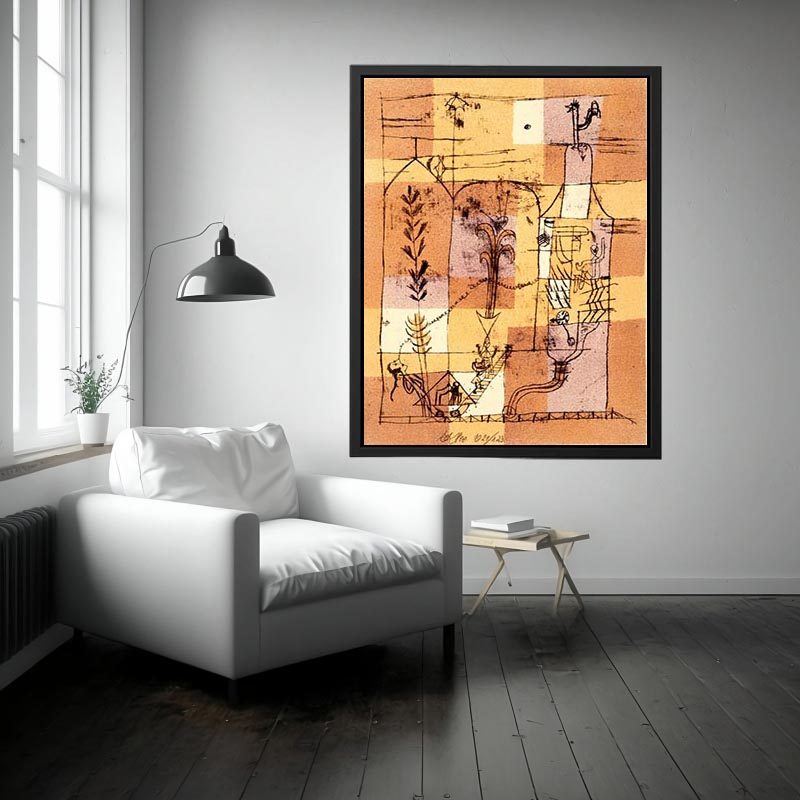
Hoffmanneske scene by Paul Klee


The Glass Of Wine


Danae


On White II by Wassily Kandinsky


Throughgoing line by Wassily Kandinsky


Improvisation 23 by Wassily Kandinsky


Several Circles by Wassily Kandinsky


Composition VII by Wassily Kandinsky


Composition VIII by Wassily Kandinsky


The Maiden by Gustav Klimt


Starry Night Painting by Vincent Van Gogh
Spatial Art & Spatial Wall Art
Explore Spatial Art featuring geometric forms, layered compositions, dimensional relationships and visually immersive designs. This collection brings together artwork that explores space, structure, shape, contrast and the relationship between two-dimensional surfaces and the suggestion of three-dimensional form. From geometric compositions and modern abstraction to works by recognized artists such as Gustav Klimt, Paul Klee, Wassily Kandinsky and Vincent van Gogh, Spatial Art offers distinctive options for contemporary walls, creative interiors, offices and statement spaces. Current collection formats include canvas prints with multiple sizes and finish options, depending on the artwork.
What Is Spatial Art?
Spatial Art explores how artists represent, organize or suggest space through composition. Shapes, lines, colors, overlapping forms, perspective, scale, negative space and visual depth can all influence how an artwork is perceived.
Spatial artwork does not have to depict a literal three-dimensional object. A two-dimensional painting can create the impression of depth through layering, geometric relationships, perspective or contrasting forms.
Explore Spatial Wall Art
Spatial wall art can add structure and visual depth to an interior. Geometric compositions can create a precise architectural feeling, while abstract spatial artwork can introduce movement and visual complexity.
The current Spatial Art collection includes geometric works as well as recognized paintings such as The Tree of Life by Gustav Klimt, Hoffmanneske scene by Paul Klee, and several works by Wassily Kandinsky, including Several Circles, Composition VII and Composition VIII.
Styles of Spatial Art
Geometric Spatial Art
Geometric spatial artwork uses circles, lines, planes, shapes and structured arrangements to create relationships across the picture surface. These works can complement modern interiors where clean geometry and strong visual organization are important.
Explore Geometric Art for a broader selection of shape-driven artwork.
Abstract Spatial Art
Abstract spatial artwork explores depth, movement, layering and relationships between forms without depending on a literal scene. These compositions can work particularly well as contemporary statement pieces.
Explore Abstract Art for related non-representational artwork.
Dimensional-Looking Art
Some spatial compositions use overlapping shapes, perspective, contrast and tonal changes to create the appearance of depth. The visual effect can make a flat wall artwork feel more immersive.
Conceptual Spatial Art
Conceptual spatial compositions can emphasize relationships between forms, visual structures and ideas rather than a conventional subject. These artworks can provide an intellectual and visually distinctive element within contemporary interiors.
Modern Spatial Art
Modern spatial artwork can combine geometry, abstraction, color and structured composition. It can provide a strong connection between artwork and architectural interiors, particularly when the room uses clean lines and contemporary furnishings.
Explore Modern Art for more modern artwork.
Spatial Art and Abstract Art
Abstract Art is a broad category covering artwork that does not necessarily represent subjects in a literal way. Spatial Art is more specifically concerned with the organization, suggestion or perception of space.
The categories can overlap when an abstract artwork uses geometric forms, layering, perspective or dimensional relationships as important parts of its composition.
Spatial Art and Geometric Art
Geometric Art focuses on geometric shapes and structured visual relationships. Spatial Art can incorporate geometric forms, but its defining interest is broader and can include depth, perspective, layering and spatial perception.
Spatial Art for Modern Interiors
Spatial artwork can work naturally with modern interiors because both often emphasize structure, proportion, clean lines and visual balance. Geometric compositions can echo architectural details, while abstract works can provide contrast against simple furniture.
Use a large spatial composition as a feature wall or select a smaller geometric work for an office, hallway or compact room.
Explore Contemporary Wall Art for additional contemporary options.
Spatial Art for Living Rooms
A large spatial artwork can become a focal point above a sofa, console or feature wall. Geometric and abstract compositions can be particularly effective when the surrounding furniture has simple silhouettes.
When choosing a piece, consider the colors already present in the room. Artwork with one or two colors that repeat through cushions, rugs or decorative objects can create a more cohesive interior.
Explore Living Room Wall Art for additional room-specific artwork.
Spatial Art for Offices
Spatial artwork can introduce structure and visual interest into an office without relying on a traditional landscape or portrait. Geometric compositions can complement contemporary desks, shelving and architectural interiors.
Explore Office Wall Art for more workspace-focused artwork.
Spatial Art for Creative Spaces
Studios, design spaces and creative work environments can provide particularly suitable settings for spatial artwork. The emphasis on form, structure and visual relationships can complement interiors where creativity and design are already central to the environment.
How to Choose Spatial Wall Art
- Choose the visual language: Decide whether you prefer geometric, abstract, dimensional or more figurative spatial compositions.
- Consider the geometry: Lines, circles, grids and overlapping forms can create very different visual effects.
- Consider color: Choose a restrained palette for a subtle interior or stronger contrasts for a statement wall.
- Consider scale: Large spatial artwork can emphasize the architecture of a room, while smaller pieces can work in offices and compact spaces.
- Match the presentation: Consider canvas and available framed finishes according to the artwork and surrounding décor.
Recognized Artists in the Spatial Art Collection
The current collection includes works associated with recognized artists, including Gustav Klimt, Paul Klee, Wassily Kandinsky and Vincent van Gogh. The collection therefore spans more than one artistic period or visual approach rather than representing a single movement.
Among the listed works are The Tree of Life by Gustav Klimt, Hoffmanneske scene by Paul Klee, On White II by Wassily Kandinsky, Throughgoing Line by Wassily Kandinsky, Improvisation 23 by Wassily Kandinsky, Several Circles by Wassily Kandinsky, Composition VII by Wassily Kandinsky, Composition VIII by Wassily Kandinsky, and Starry Night Painting by Vincent van Gogh.
Spatial Art and Famous Paintings
Some recognized works can be understood through their use of composition, form, perspective, color or spatial relationships. If you are specifically shopping for well-known artworks rather than spatial characteristics, explore Famous Paintings.
Choosing the Right Size for Spatial Wall Art
The right size depends on the available wall area, furniture beneath the artwork and the complexity of the composition. Highly detailed spatial artwork can benefit from a larger display area so that its lines, forms and relationships remain easy to appreciate.
The current Spatial Art collection includes formats from approximately 12 x 18 inches and 16 x 24 inches through larger sizes including 24 x 36, 30 x 45, 32 x 48 and 40 x 60 inches, with additional dimensions available on selected works.
Use the Wall Art Size Guide and Wall Art Placement Guide when planning your artwork dimensions and position.
How to Style Spatial Art
Minimalist Styling
Pair geometric or abstract spatial artwork with clean-lined furniture, neutral walls and limited decorative objects. The uncluttered environment allows the artwork's structure to remain visually prominent.
Contemporary Styling
Combine spatial artwork with modern furniture, architectural lighting and restrained materials. Select one or two colors from the artwork and repeat them subtly elsewhere in the room.
Eclectic Styling
Spatial artwork can also work within an eclectic interior when its colors or forms are connected to surrounding pieces. A consistent frame finish or shared color palette can help different artworks feel intentional together.
Statement Wall Styling
A large spatial artwork can create a strong focal point on an otherwise open wall. Give the composition enough surrounding space so that its geometry, layering and visual depth can be appreciated.
Canvas and Framed Spatial Art
The current Spatial Art collection offers canvas prints with finishes including rolled canvas, stretched canvas, black floating frames, white floating frames and brown floating frames. Selected artwork also offers additional frame and presentation options. Availability varies by individual artwork.
Canvas can provide a versatile presentation for large spatial compositions, while framed options can create a more structured relationship with contemporary furniture and architectural details.
Why Choose Spatial Art from Fame Art Gallery?
- Distinctive visual concept: Explore artwork focused on space, structure, geometry, layering and visual depth.
- Multiple artistic approaches: Discover geometric, abstract, conceptual and recognized-artwork interpretations.
- Recognized artists: The current collection includes works associated with artists including Klimt, Klee, Kandinsky and van Gogh.
- Multiple sizes: Choose from compact formats through large statement dimensions, depending on the artwork.
- Multiple finishes: Current listings include canvas and several framed presentation options.
Spatial Art FAQs
What is Spatial Art?
Spatial Art explores the organization, suggestion or perception of space through elements such as shape, line, perspective, layering, scale, contrast and visual depth. It can be abstract, geometric, conceptual or more figurative.
Is Spatial Art the same as Abstract Art?
No. The categories can overlap, but they describe different characteristics. Abstract Art refers broadly to non-literal artistic approaches, while Spatial Art emphasizes relationships involving space, depth, structure or spatial perception.
What types of artwork are included in Spatial Art?
The current collection includes geometric compositions, abstract works and recognized paintings by artists including Gustav Klimt, Paul Klee, Wassily Kandinsky and Vincent van Gogh. The assortment therefore includes several different visual approaches.
Is Spatial Art suitable for modern interiors?
Yes. Geometric and abstract spatial compositions can complement modern interiors with clean lines, simple furniture and contemporary architectural details. Choose the artwork's colors and scale according to the surrounding space.
Where can I display Spatial Wall Art?
Spatial wall art can work in living rooms, offices, studios, bedrooms, hallways and other interior spaces. Larger compositions can create feature walls, while smaller geometric pieces can suit compact spaces.
What size Spatial Art should I choose?
Choose the size according to the wall dimensions, furniture beneath the artwork and the complexity of the composition. Larger formats can make geometric and layered details easier to appreciate from across a room.
What finishes are available for Spatial Art?
Current listings include rolled and stretched canvas as well as black, white and brown floating-frame options, with additional finishes available for selected works. Check the individual product listing for the exact options.
Can Spatial Art be used as statement wall art?
Yes. Large geometric, abstract or layered compositions can create a strong focal point. An uncluttered wall and sufficient surrounding space can help the artwork's spatial relationships remain visually clear.
Explore Related Art Collections
Continue exploring related artwork through Abstract Art, Geometric Art, Modern Art, Contemporary Wall Art and Famous Paintings.
Shop Spatial Art
Explore Spatial Art featuring geometric forms, layered compositions, dimensional visual relationships and recognized artworks. Choose the subject, composition, size and presentation that best complements your interior and the visual atmosphere you want to create.