
Botanical Art & Botanical Wall Art | Fame Art Gallery


Layered Garden Light


Autumn Canopy


Pastel Leaf Drift


Landscape Garden (Meadow in Flower)


Fir Forest I


Garden On The Hill


Two Girls with Oleander


Cottage Garden with Sunflowers


Farmergarden With Sunflower


Farm Garden


Poster for Victorien Sardou's Gismonda starring Sarah Bernhardt at the Théâtre de la Renaissance in Paris.


Mucha seasons 1897 autumn

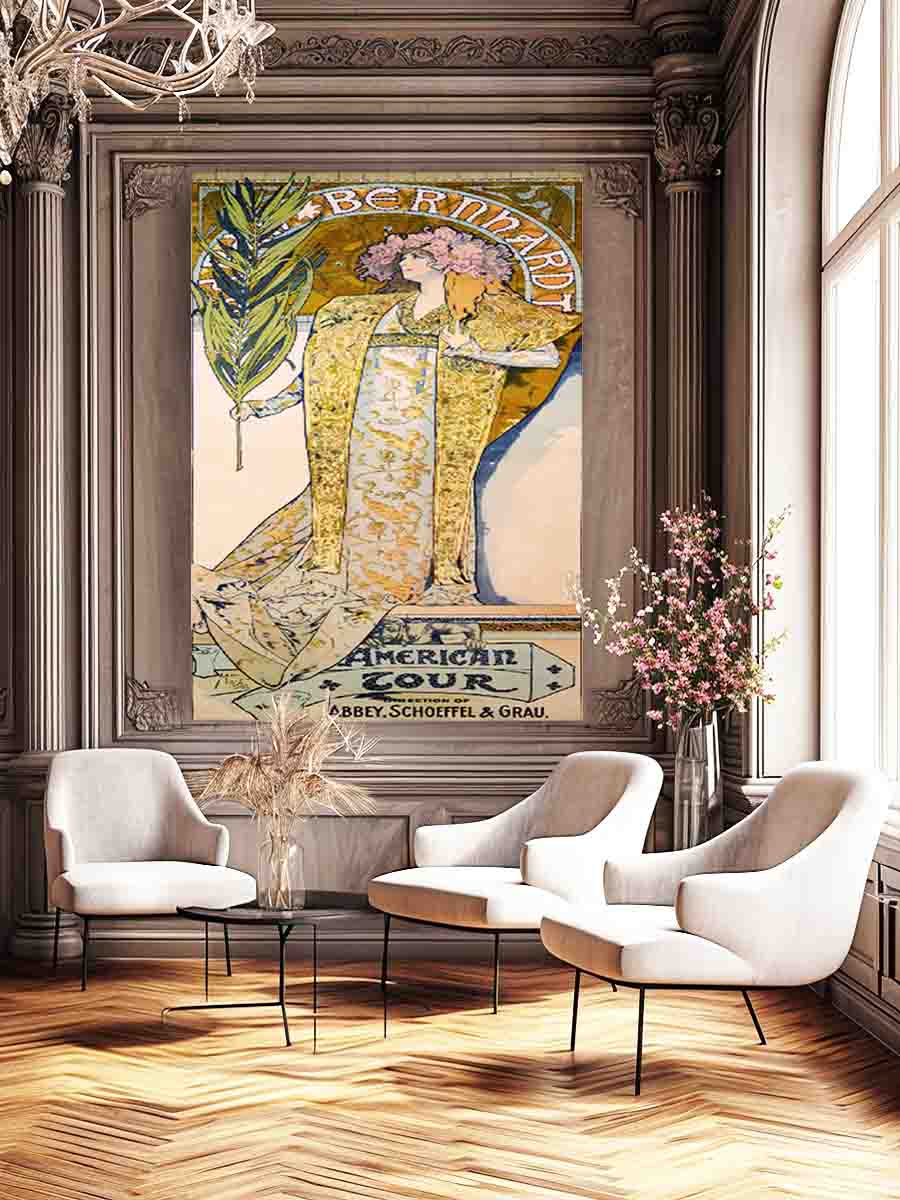
Flickr - …trialsanderrors - Sarah Bernhardt American tour, poster by Alfons Mucha, 1896


Autumn


Autumn Leaf Tapestry


Silver Leaf Study


Midnight Succulent


Amber Drift


Autumn Nightfall


Sapphire Palm Glow


Autumn Leaves


Pastel Leaves


Winter Leaves


Palm Leaves


Eucalyptus leaves


Tropical Leaves


Abstract Leaves


Abstract leaves


Colorful Leaves


Blue Leaves


Leaves Petals


Leaves Petals


Winter Blue


Love Leaf


Pastel Leaves


Winter Leaves


Blush Pink


Watercolor Red


Banana Leaves


Tropical Green
Botanical Art & Botanical Wall Art
Bring the visual language of the natural world indoors with Botanical Art from Fame Art Gallery. This collection explores leaves, plants, flowers, stems, branches and other botanical forms through artwork designed for contemporary interiors. From detailed botanical studies and graceful foliage to expressive floral compositions and modern interpretations of nature, botanical wall art can add color, texture and a sense of organic calm to a room. Explore botanical artwork on canvas prints and framed prints to find pieces suited to living rooms, bedrooms, dining spaces, offices and other areas where natural imagery can strengthen the overall atmosphere.
What Is Botanical Art?
Botanical Art is artwork centered on plants, flowers, foliage and other botanical subjects. It can range from highly detailed representations of individual plants to stylized, abstract or contemporary interpretations of leaves, petals, branches and natural forms.
Botanical artwork can therefore suit a wide range of interior styles. A detailed plant study can create a refined, classic feeling, while simplified foliage, expressive flowers or abstract botanical compositions can work particularly well in modern and contemporary spaces.
Why Choose Botanical Wall Art?
Botanical imagery has a natural connection with interior decoration because plants and foliage introduce recognizable organic shapes, flowing lines and natural color relationships. Botanical wall art can become a focal point or provide a quieter visual layer behind furniture and décor.
- Natural visual character: Leaves, flowers and plants bring organic shapes into the room.
- Flexible styling: Botanical subjects can complement classic, modern, contemporary and minimalist interiors.
- Color versatility: Green foliage, colorful flowers, neutral botanical studies and darker plant imagery offer different decorating directions.
- Multiple subject choices: Choose from flowers, leaves, branches, plants and broader botanical compositions.
- Different presentation options: Explore botanical artwork as canvas prints or framed prints.
Botanical Art Styles
Realistic Botanical Art
Realistic botanical artwork emphasizes recognizable plant forms, natural proportions and detailed visual characteristics. These pieces can appeal to buyers who want botanical imagery with an observational or traditional appearance.
Floral Botanical Art
Floral compositions place flowers at the center of the artwork. Petals, stems, leaves and layered arrangements can create a decorative focal point for living rooms, bedrooms, dining areas and other spaces.
Modern Botanical Art
Modern botanical artwork interprets natural subjects through simplified compositions, contemporary color palettes and distinctive arrangements. It can be a strong choice when you want nature-inspired imagery without a traditional botanical-study appearance.
Abstract Botanical Art
Abstract botanical pieces use the idea of plants and natural forms rather than relying on literal representation. Shapes, movement, color and texture can create artwork that feels connected to nature while remaining visually expressive.
Minimalist Botanical Art
Minimalist botanical artwork reduces plant imagery to essential forms, lines and restrained compositions. These pieces can work particularly well where the goal is a clean, uncluttered decorative effect.
Popular Botanical Subjects
Leaf Art
Leaves offer some of the most versatile botanical forms for wall decoration. Their shapes can create repeating patterns, organic silhouettes or a strong single-subject composition.
Flower and Floral Art
Flowers introduce color, symmetry and recognizable natural forms. Floral botanical artwork can range from delicate compositions to dramatic statement pieces.
Plant Art
Plant-focused artwork can feature individual plants, groups of foliage, stems, branches or broader natural arrangements. It is useful when you want a botanical theme without focusing exclusively on flowers.
Branches and Foliage
Branch and foliage compositions can create flowing lines across a wall and work especially well when you want botanical imagery with a more architectural or understated appearance.
Botanical Art by Color
Color is one of the easiest ways to connect botanical wall art with an existing interior. Green botanical artwork naturally reinforces a fresh, organic palette, while black-and-white or neutral botanical compositions can create a more restrained appearance. Floral botanical pieces can introduce pink, red, yellow, blue and other accent colors that connect with furniture, textiles or decorative accessories.
When choosing color, look at the room as a whole rather than matching the artwork to one object alone. A useful approach is to select botanical artwork that repeats an existing color family while introducing enough contrast to remain visible on the wall.
Botanical Wall Art for the Living Room
Botanical artwork can add an organic focal point above a sofa, console or major seating area. Larger compositions can visually anchor the wall, while smaller botanical prints can work as part of a coordinated arrangement.
For a calm living room, consider foliage, leaves or restrained botanical compositions. If the room needs stronger visual energy, colorful flowers or expressive botanical artwork can provide a more noticeable focal point.
Explore more ideas in the Living Room Wall Art collection.
Botanical Art for the Bedroom
Botanical imagery can create a softer decorative atmosphere in bedrooms. Foliage, delicate flowers and understated natural compositions can sit comfortably above a bed, dresser or bedroom seating area.
For smaller bedrooms, consider artwork with a simple composition or lighter visual weight. Larger bedrooms can accommodate bigger botanical statements or coordinated artwork across a wider wall.
See the Bedroom Art collection for additional bedroom-focused ideas.
Botanical Artwork for Dining Rooms
A botanical artwork can bring an organic decorative element to a dining room without competing with the table setting. Floral compositions and foliage-based artwork can work particularly well above a sideboard, buffet or dining-area wall.
Choose a composition that relates to the scale of the furniture beneath it. Artwork that is too small can look disconnected, while an appropriately scaled piece can make the dining area feel more complete.
Browse Dining Room Wall Art for more options.
Botanical Art for Offices
Botanical wall art can also introduce natural visual elements into home offices and professional workspaces. Green foliage, neutral botanical studies and minimalist plant compositions can provide visual interest without requiring a highly decorative theme.
For an office, consider how the artwork interacts with your desk, shelving, lighting and surrounding wall space. A well-proportioned botanical piece can add personality while maintaining a polished environment.
Explore Office Wall Art for complementary workspace artwork.
Choose the Right Size for Your Wall
The right size depends on the available wall area, nearby furniture and the role you want the artwork to play. A large botanical composition can become a primary focal point, while smaller pieces can be used individually or combined into a gallery-style arrangement.
- Above furniture: Choose artwork that relates proportionally to the furniture beneath it.
- Large empty walls: Consider a larger botanical statement rather than leaving excessive unused space.
- Small walls: Select a compact composition that fits comfortably without overwhelming the area.
- Gallery arrangements: Combine botanical pieces with related artwork while maintaining consistent visual spacing.
For more detailed guidance, use the Wall Art Size Guide and Wall Art Placement Guide.
Botanical Canvas Prints vs Framed Prints
Botanical Canvas Prints
Canvas Prints provide a presentation option that can give botanical imagery a contemporary gallery-style appearance. Canvas can work particularly well with modern foliage, floral compositions and expressive botanical artwork.
Botanical Framed Prints
Framed Prints add a defined border around the artwork and can suit interiors where the presentation needs a more structured or traditional appearance.
The best choice depends on the artwork itself, the surrounding décor and the visual effect you want on the wall.
Botanical Art and Interior Design
Botanical artwork can connect naturally with interiors that already use wood, stone, linen, natural textures, plants or earthy colors. It can also create contrast in spaces dominated by clean architectural lines and modern furniture.
When styling botanical wall art, consider the relationship between the artwork's dominant colors and the room's larger palette. Repeating one or two colors from the artwork in cushions, rugs, curtains or accessories can create visual continuity without making the room feel overly coordinated.
For broader decorating guidance, explore How to Match Art with Furniture and Interior Design with Art.
Botanical Art Compared with Floral and Nature Artwork
Botanical art has a specific emphasis on plants, foliage and botanical forms. Floral artwork focuses more specifically on flowers and floral arrangements, while broader nature artwork can include landscapes, forests, wildlife and other outdoor subjects.
This distinction can help narrow your choice. If you want leaves, plants, stems or botanical studies, start with Botanical Art. If flowers are your primary subject, explore Floral Wall Art. For wider natural scenery, Landscape Wall Art provides a different visual direction.
How to Choose Botanical Wall Art
- Decide on the botanical subject. Choose between leaves, flowers, plants, branches or a broader botanical composition.
- Select the artistic style. Consider realistic, traditional, modern, contemporary, abstract or minimalist artwork.
- Review the room palette. Choose colors that complement or deliberately contrast with the existing décor.
- Measure the wall. Consider the available width, height and surrounding furniture before selecting the artwork size.
- Choose the presentation. Compare canvas and framed options based on the room and desired appearance.
- Consider the visual role. Decide whether the artwork should be a focal point or a quieter decorative element.
Botanical Art for Different Interior Styles
Modern Interiors
Choose simplified foliage, contemporary floral compositions or bold botanical artwork to complement clean furniture and architectural lines.
Contemporary Interiors
Expressive plant forms, unusual compositions and sophisticated color combinations can add personality to contemporary rooms.
Classic Interiors
Detailed botanical studies and traditional floral compositions can complement more established decorative styles.
Minimalist Interiors
Look for restrained botanical compositions with clean forms, limited colors and generous visual space.
Build a Nature-Inspired Wall
Botanical artwork can also become part of a broader nature-inspired wall. Depending on the room and available assortment, combine botanical imagery with complementary subjects such as landscapes, flowers, forests or other natural scenes.
For a broader selection of nature-focused artwork, explore Forest Art, Ocean Art and other Wall Art Prints.
Botanical Wall Art Buying Checklist
- Measure the wall and surrounding furniture.
- Identify the botanical subject you prefer.
- Choose a style that fits the room.
- Check the artwork's dominant colors.
- Decide between canvas and framed presentation.
- Consider whether the piece will be a focal point or supporting artwork.
- Review the available dimensions before ordering.
- Consider how the artwork will relate to existing décor.
Related Botanical and Wall Art Collections
- Floral Wall Art
- Abstract Flower Paintings
- Forest Art
- Landscape Wall Art
- Modern Art
- Contemporary Wall Art
Botanical Art Guides
- How to Choose Wall Art
- Wall Art Size Guide
- Wall Art Placement Guide
- How to Match Art with Furniture
- Gallery Wall Guide
Why Shop Botanical Art from Fame Art Gallery?
Fame Art Gallery brings botanical subjects together as a dedicated wall-art category, making it easier to compare different interpretations of plants, foliage and flowers in one place. The collection supports different interior approaches, from understated botanical décor to stronger statement artwork, with presentation choices including canvas and framed prints.
Whether you are decorating a living room, bedroom, dining area or office, choose artwork according to the subject, style, color, scale and presentation that best fits your space.
Botanical Art FAQs
What is Botanical Art?
Botanical Art is artwork depicting plants, flowers, leaves, stems, branches and other botanical forms. It may be realistic, traditional, modern, contemporary, abstract or minimalist, making the category suitable for many different interior styles.
Is Botanical Art good for living rooms?
Yes. Botanical wall art works well in living rooms because organic plant forms can soften furniture and architectural lines. Larger pieces can create a focal point above a sofa, while smaller works can complement a console, sideboard or gallery arrangement.
What colors work best with botanical wall art?
Green is a natural choice for foliage-based artwork, but botanical pieces can also feature neutral tones, black and white, or colorful flowers. The best palette depends on your existing furniture, wall color, textiles and desired level of contrast.
Should I choose botanical canvas or framed art?
Both can work well. Canvas can provide a contemporary gallery-style presentation, while framed prints create a more defined and structured appearance. Consider the artwork, room style and surrounding décor when choosing the presentation.
Can botanical artwork work in a minimalist home?
Yes. Look for botanical compositions with simple forms, restrained colors and uncluttered arrangements. Minimalist botanical artwork can introduce natural shapes while preserving the clean visual character of a minimalist interior.
What size botanical wall art should I buy?
The ideal size depends on the wall and nearby furniture. Large walls generally benefit from artwork with sufficient visual scale, while smaller walls may require more compact pieces. Measure the available area and consider the proportions of furniture beneath or beside the artwork.
Can I combine botanical art with other wall art?
Yes. Botanical artwork can be paired with floral, landscape, abstract or other nature-inspired pieces. For a cohesive arrangement, look for relationships in color, subject, style, framing or composition and maintain consistent spacing between pieces.
Where can I use Botanical Art?
Botanical artwork can be used in living rooms, bedrooms, dining rooms, offices, hallways and other interior spaces. The appropriate subject, size and presentation depend on the room's available wall area and existing decorative style.
Find Botanical Wall Art for Your Space
Explore the Botanical Art collection to compare plant, foliage and floral-inspired artwork across different artistic styles, colors, sizes and presentation options. Choose a piece that complements your interior while bringing the distinctive shapes and visual character of the natural world to your walls.