Food Art & Food Wall Art Prints | Fame Art Gallery


Coastal Seafood Feast


Oyster Elegance


Coastal Indulgence


Vintage Feast


Velvet Orchard


Golden Decanter


Harvest Abundance


Lemon Blossom Teapot


Orchard Elegance


Blue Teapot Harmony

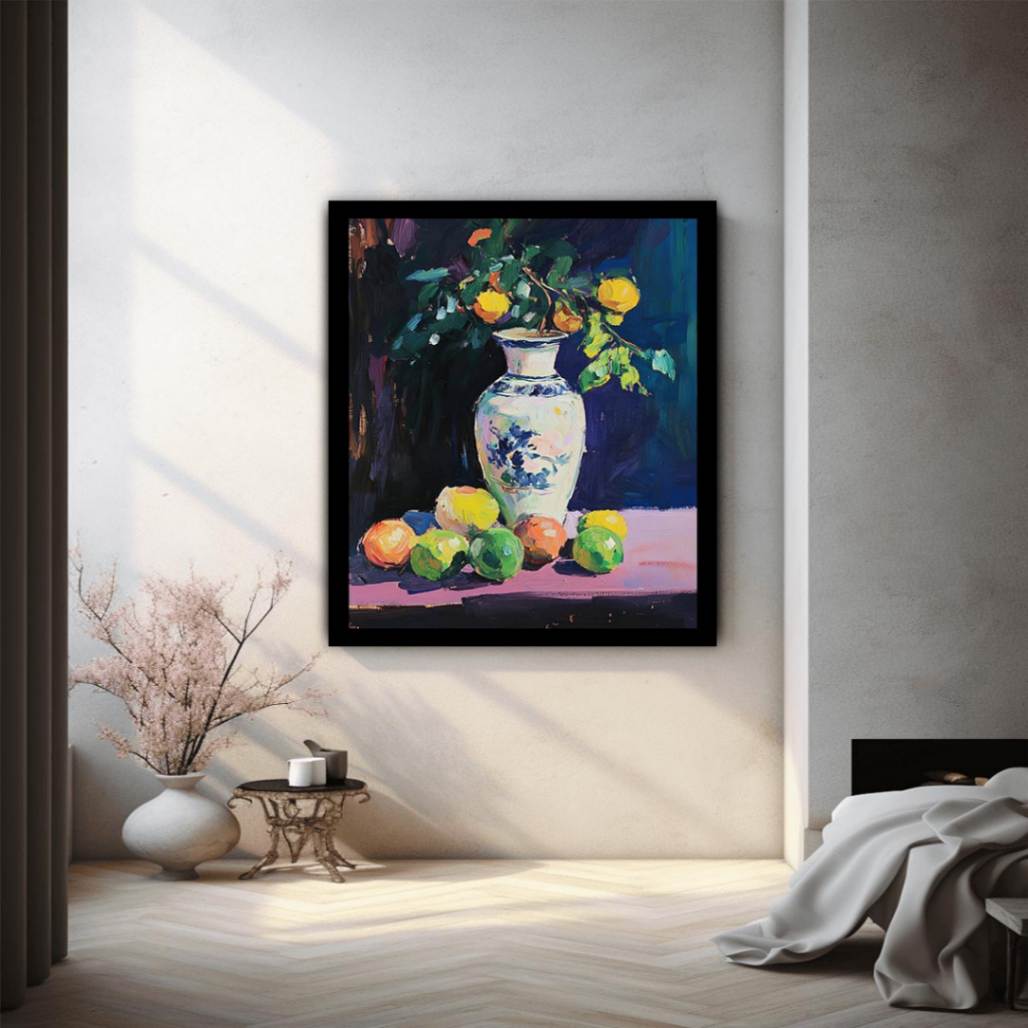
Citrus Elegance

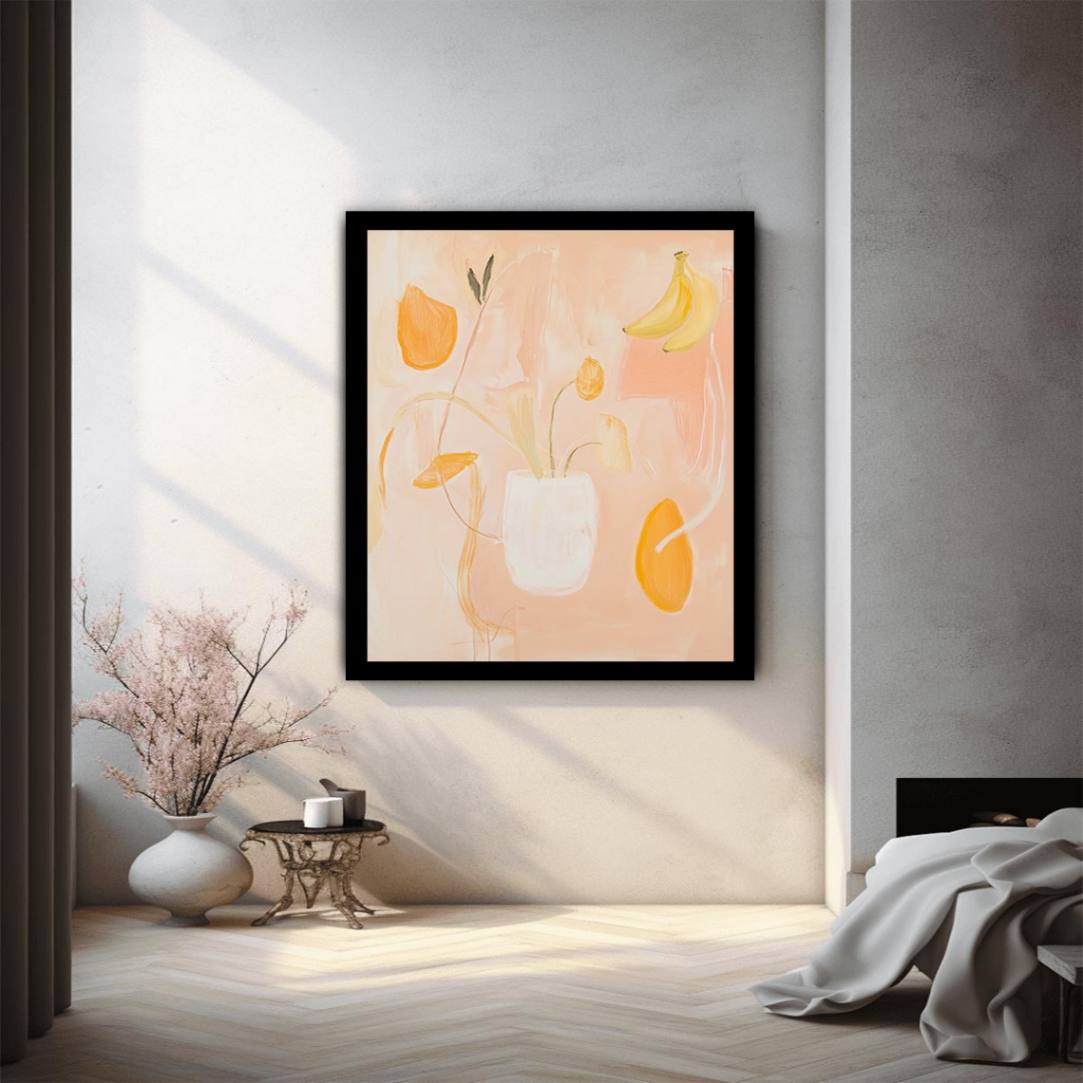
Peach Bloom Reverie


Grapefruits


Still Life: Two Glass of Red Wine by Albert Anker


A Still Life of Black Grapes, a Peach, a Plum, Hazelnuts, a Metal Casket and a Wine Glass on a Carved Wooden Ledge by EDWARD LADELL


The Glass Of Wine


Nestlé's Food for Infants


Pomegranate Velvet


Pomegranate Art


Two Apples


Two Pears


Evil Eye Pears


Red Apple in Ice


Pear in Ice

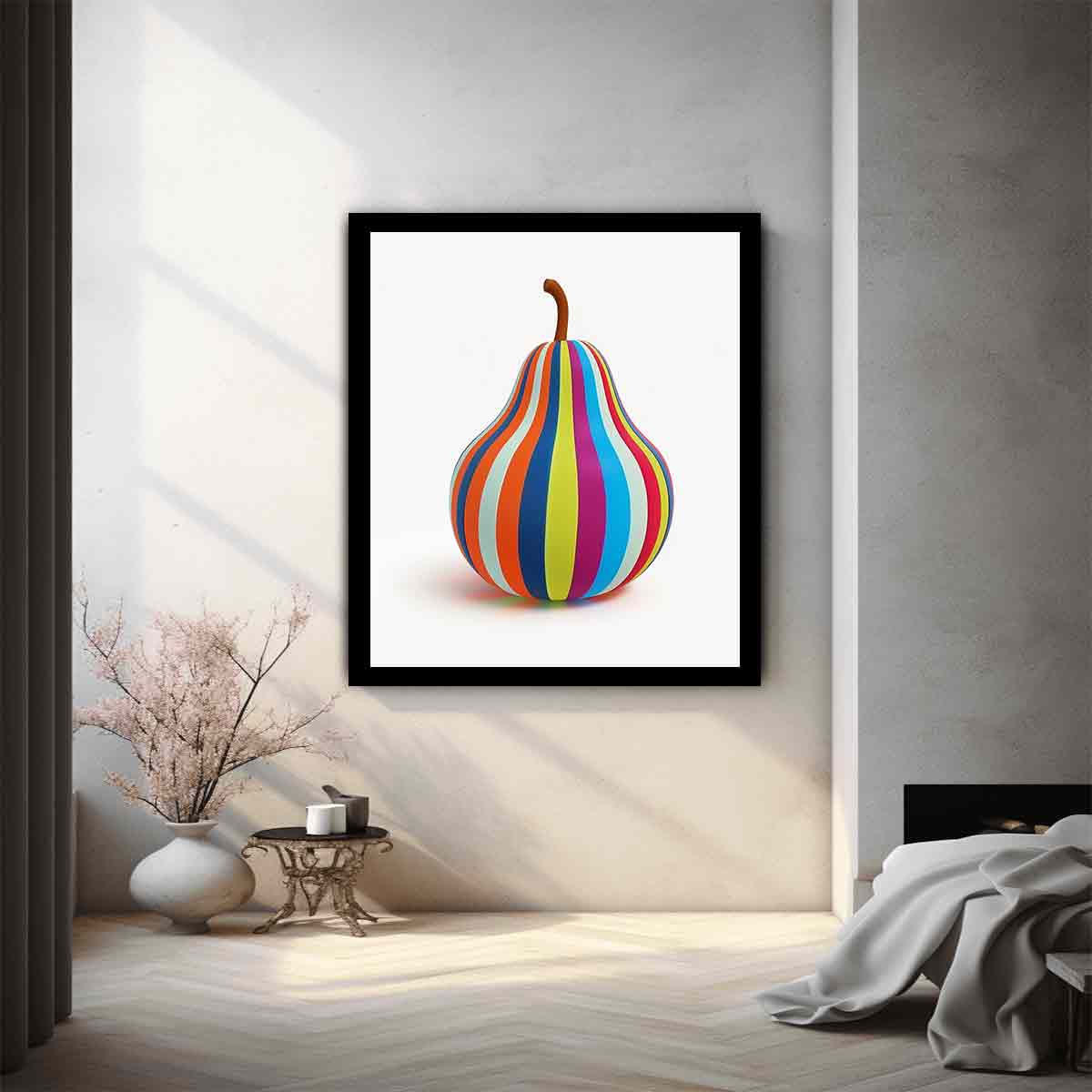
Pear


Ivory Wine Bloom


Berry Noir Cheesecake


Velvet Cherry Slice


Golden Vineyard Table


The Milkmaid c. 1658

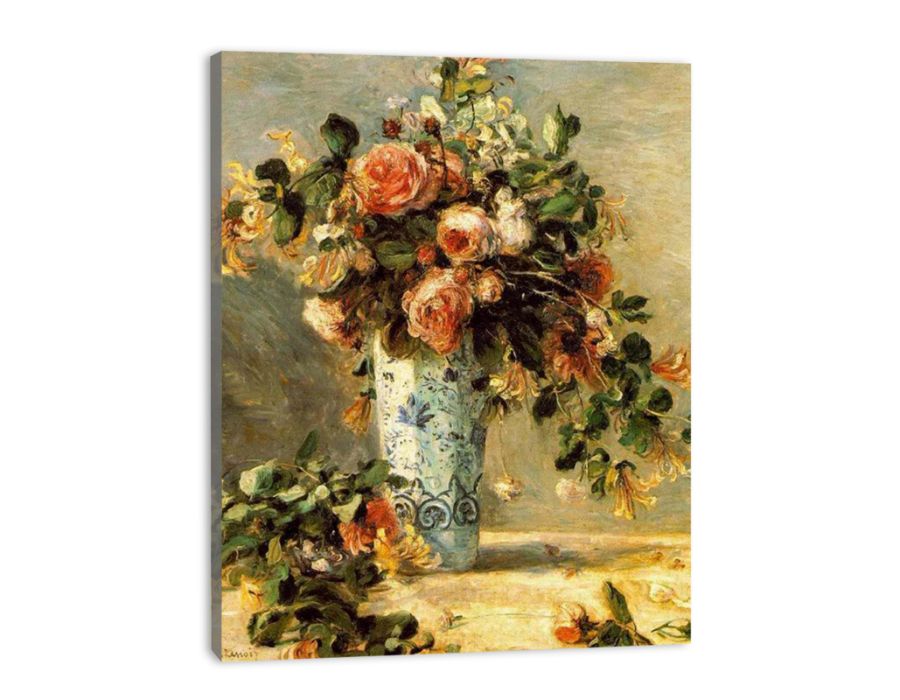
Luncheon of the Boating Party 2


Vendangeuse [The Grape Picker] by William-Adolphe Bouguereau


The Chess Players by Thomas Cowperthwait Eakins
Luncheon Of The Boating Party by Pierre Auguste Renoir


The Oyster Gatherers Of Cancale by John Singer Sargent


A Dinner Table At Night by John Singer Sargent

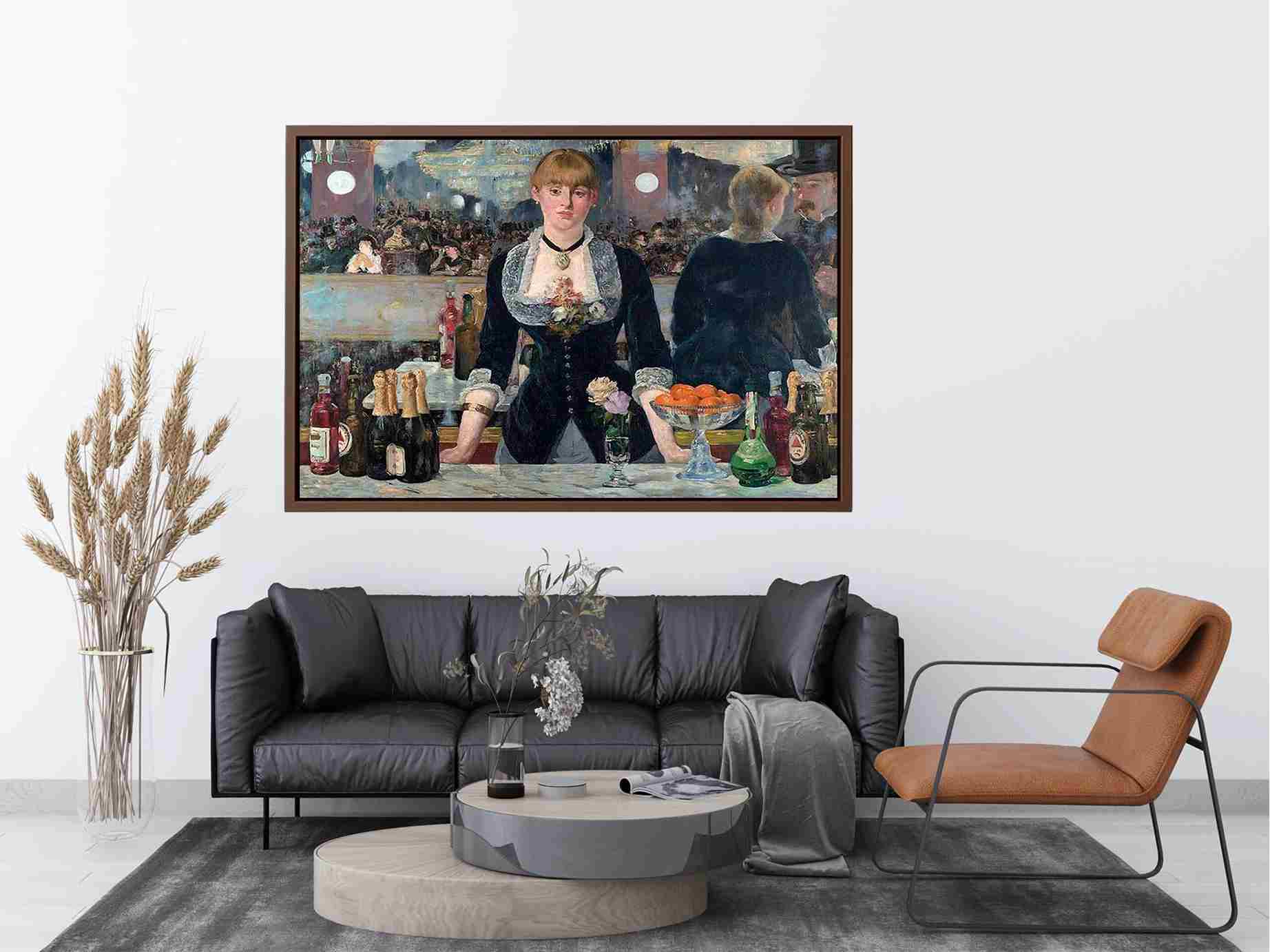
The Bar at the Folies Bergere 1882 by Edouard Manet


The Kitchen Maid


Flower head

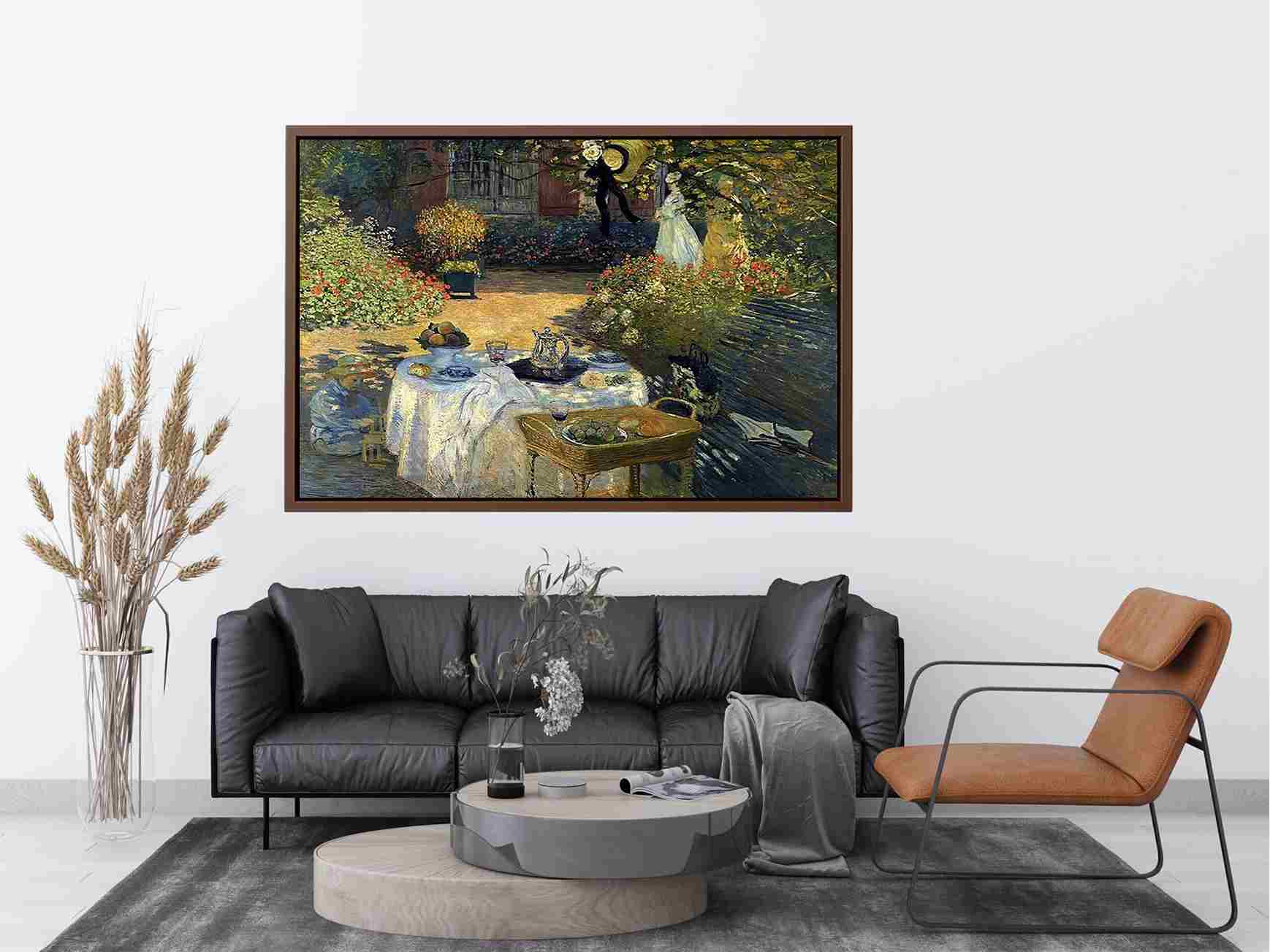
The Luncheon (Monet's Garden At Argenteuil) by Claude Monet
Food Art & Food Wall Art Prints for Kitchens, Dining Rooms & Modern Interiors
Discover Food Art that brings culinary subjects, ingredients, beverages, dining and the visual character of food into your interior. This collection features food wall art ranging from fruit and vegetable compositions to desserts, coffee, wine-inspired imagery, cocktails, culinary scenes, still-life artwork and modern food-themed designs. Food artwork can add color, personality and visual warmth to kitchens, dining rooms, breakfast nooks, home bars, living spaces and entertaining areas. Choose realistic food still lifes for a classic look, colorful culinary artwork for an energetic accent, or modern and abstract food designs for contemporary décor. Shop Food Wall Art by subject, artistic style, color palette, size, orientation and presentation to create a distinctive culinary-inspired focal point.
What Is Food Art?
Food Art is artwork in which food, ingredients, beverages, culinary objects, meals or dining-related subjects form the central visual theme. The artwork may portray individual ingredients, arranged still lifes, prepared dishes, fruit, vegetables, desserts, coffee, wine, cocktails or broader culinary scenes.
Food artwork can be realistic, expressive, modern, contemporary, minimalist, graphic, colorful, vintage-inspired or abstract. The subject remains connected to food while the artistic treatment can vary significantly.
Food Wall Art brings these culinary themes into interior decoration, making food-inspired artwork suitable for kitchens, dining rooms, breakfast areas, home bars, cafés, entertaining spaces and other rooms where color and personality are important.
Why Choose Food Wall Art?
Food Wall Art combines familiar culinary subjects with decorative artwork. Because food naturally contains recognizable shapes, colors and textures, it can create an immediate visual connection without requiring a highly specific interior theme.
A colorful fruit composition can brighten a neutral kitchen, a sophisticated still life can complement a dining room, and minimalist coffee artwork can add character to a breakfast nook or home coffee station.
Food artwork can also help define the purpose of a space. Kitchen artwork can reinforce cooking and ingredients, dining room artwork can complement entertaining, and beverage artwork can give a home bar its own visual identity.
What Makes Food Artwork Unique?
Food Art is a subject category rather than one fixed artistic style. That makes it possible to choose culinary artwork according to both personal taste and interior design.
Realistic food still lifes can create a traditional or sophisticated atmosphere. Modern food artwork can introduce cleaner shapes and contemporary composition. Abstract food artwork can focus on color, texture and visual suggestion rather than literal representation.
Food also provides an unusually flexible source of color. Citrus, berries, vegetables, desserts, beverages and prepared dishes can introduce accent colors into otherwise neutral rooms.
Food Art by Subject
Fruit Art
Fruit artwork features recognizable fruits such as apples, oranges, lemons, pears, grapes, berries and other produce. Fruit compositions can introduce natural color and a fresh culinary theme into kitchens and dining areas.
Vegetable Art
Vegetable artwork celebrates ingredients through still-life arrangements, colorful compositions and artistic interpretations. It can work particularly well in kitchens and dining spaces.
Food Still Life Art
Food still life artwork arranges food, ingredients, dishes, containers and culinary objects into a deliberate composition. Still life can create a refined and classic interpretation of Food Art.
Food and Ingredient Art
Ingredient-focused artwork highlights individual foods or collections of ingredients. These compositions can be particularly effective when you want the artwork to connect directly with the kitchen and cooking environment.
Dessert Art
Dessert artwork can feature cakes, pastries, sweets, ice cream and other visually distinctive treats. These designs can introduce playful color and personality to kitchens, dining areas and entertaining spaces.
Cake Art
Cake artwork can add a celebratory and decorative quality to a kitchen, dining area or entertaining space. Colorful cake compositions can also become an accent against neutral walls.
Coffee Art
Coffee artwork can feature coffee cups, coffee beans, café-inspired scenes or stylized interpretations of the beverage. It is particularly suited to breakfast nooks, kitchens, coffee stations and home cafés.
Wine Art
Wine-inspired artwork can feature bottles, glasses, vineyards or wine-related compositions. These designs can provide a sophisticated decorative accent in dining rooms, kitchens and entertaining spaces.
Cocktail and Drink Art
Drink-themed artwork can feature cocktails, glasses, bottles, juices or other beverages. Colorful drink artwork can work especially well in home bars, dining areas and entertaining spaces.
Beer-Inspired Art
Beer-inspired artwork can bring a relaxed beverage theme to home bars, entertainment areas and casual dining spaces. Choose the composition according to the room's existing style and color palette.
Culinary Art
Culinary artwork focuses on cooking, ingredients, food preparation, dining culture or the presentation of food. It can reinforce the kitchen's role as both a practical and social part of the home.
Kitchen Food Art
Kitchen Food Art centers on culinary subjects that naturally relate to cooking and food preparation. Fruit, vegetables, ingredients, coffee, beverages and food still lifes can all contribute to a cohesive kitchen theme.
Food and Beverage Art
Food and beverage artwork combines culinary subjects such as meals, fruit, desserts, coffee, wine and cocktails. These compositions are particularly appropriate for dining and entertaining areas.
Restaurant-Inspired Food Art
Restaurant-inspired artwork can bring the visual atmosphere of dining and hospitality into residential interiors. Graphic, vintage-inspired and contemporary compositions can create a distinctive decorative accent.
Food Art by Artistic Style
Realistic Food Art
Realistic food artwork emphasizes recognizable ingredients, dishes, objects and visual detail. It is a strong choice when you want the culinary subject to remain immediately identifiable.
Food Still Life Paintings
Food still life is one of the most established approaches to culinary artwork. Carefully arranged food and objects can create balanced compositions with visual depth and a refined decorative character.
Modern Food Art
Modern Food Art can simplify culinary subjects through bold composition, graphic shapes, controlled palettes and contemporary visual treatment.
Contemporary Food Art
Contemporary food artwork can reinterpret familiar culinary subjects through expressive color, unusual composition, abstraction and decorative techniques.
Abstract Food Art
Abstract Food Art focuses less on literal representation and more on color, shape, texture, movement and visual suggestion while maintaining a connection to food or culinary themes.
Minimalist Food Art
Minimalist food artwork uses simplified compositions, restrained color and essential forms. It can introduce a culinary theme while maintaining a clean and uncluttered room.
Colorful Food Art
Colorful Food Art uses vibrant fruits, ingredients, desserts, beverages or decorative treatments to create an energetic focal point. These designs can work particularly well against neutral walls.
Black and White Food Art
Black and white food artwork emphasizes contrast, shape and composition. It can complement modern, minimalist and monochromatic interiors.
Neutral Food Art
Neutral Food Art uses subdued colors such as beige, cream, gray, brown and soft earth tones. It can add culinary character without introducing a strong competing accent.
Vintage-Inspired Food Art
Vintage-inspired food artwork can introduce nostalgic visual character through classic culinary subjects, decorative typography, retro-inspired composition or traditional still-life aesthetics.
Food Art for the Kitchen
The kitchen is one of the most natural settings for Food Wall Art. Fruit, vegetables, ingredients, coffee, beverages and culinary still lifes can reinforce the room's purpose while adding personality to unused wall space.
Modern kitchens can benefit from minimalist, graphic or contemporary food artwork. Warmer kitchens can pair naturally with colorful still lifes, fruit compositions and earth-tone culinary artwork.
Explore Kitchen Wall Art.
Food Art for Kitchen Islands and Open Kitchen Walls
Large open walls around a kitchen island can provide an opportunity for a larger culinary focal point. Consider fruit still lifes, ingredient artwork, contemporary food compositions or colorful designs that connect visually with cabinetry and countertops.
Keep the artwork visually separated from functional cooking areas and choose placement that works with the room's circulation and furniture.
Food Art for the Dining Room
Food artwork can create a natural visual connection in the dining room. Still lifes, fruit artwork, wine-inspired compositions, beverage art and sophisticated culinary scenes can complement dining tables and entertaining spaces.
Choose artwork according to the scale of the dining wall and surrounding furniture so the composition feels intentional rather than crowded.
Explore Dining Room Wall Art.
Food Art Above a Dining Table
Artwork above a dining table can establish a strong focal point. A horizontal culinary composition can work well above a wide table, while a vertical artwork can suit a narrower wall section.
Consider table width, artwork dimensions, ceiling height and lighting when selecting the final piece.
Explore the Wall Art Placement Guide and Wall Art Size Guide.
Food Art for Breakfast Nooks
Breakfast nooks are well suited to coffee, fruit, pastry and colorful culinary artwork. Smaller compositions can introduce personality without overwhelming a compact eating area.
Consider colors that connect with the seating, cushions, cabinetry and nearby kitchen finishes.
Food Art for a Home Bar
Wine, cocktail and beverage artwork can provide a natural decorative direction for a home bar. Choose sophisticated compositions for a refined bar or colorful designs for a more relaxed entertaining area.
Food Art for the Living Room
Food artwork can work beyond kitchens and dining spaces when its artistic character complements the room. Sophisticated still lifes, abstract culinary artwork and contemporary food compositions can function as decorative wall art in a living room.
When using Food Art in a living room, focus on composition, color and artistic style rather than treating it only as themed kitchen décor.
Explore Living Room Wall Art.
Food Art for a Home Office
A carefully selected food or beverage artwork can add personality to a home office. Coffee artwork, minimalist still lifes and contemporary culinary compositions can provide visual interest while maintaining a polished environment.
Explore Office Wall Art.
Food Art for Entryways and Hallways
Food artwork can also work in entryways and hallways. Smaller colorful compositions can introduce an unexpected decorative element and can visually connect nearby kitchen, dining and entertaining areas.
Food Art for Apartments and Small Spaces
Food Wall Art can work effectively in compact homes. Smaller fruit, coffee, beverage, minimalist or still-life compositions can add personality without requiring a large wall.
Measure the available wall before choosing artwork and leave enough surrounding space for the composition to remain visually clear.
Explore the Small Wall Art Ideas Guide and Wall Art for Small Spaces Guide.
Large Food Wall Art
Large Food Wall Art can create a dramatic focal point in an expansive kitchen, dining room or open-plan entertaining area. Oversized fruit compositions, food still lifes and colorful culinary artwork can provide substantial visual weight.
Choose the artwork in proportion to the wall and nearby furniture rather than simply selecting the largest available size.
Food Art for Large Walls
A large wall can support one oversized culinary artwork, a wide still-life composition or a coordinated arrangement of smaller food-themed pieces.
Consider the wall width, furniture below the artwork and viewing distance before choosing the arrangement.
Explore the Wall Art for Large Walls Guide.
Food Art for High Ceilings
High ceilings can provide additional vertical wall space for tall culinary compositions or large artwork. Vertical food artwork can emphasize the room's height, while wide still lifes can anchor broad walls.
Consider viewing height, furniture placement and overall room scale when selecting artwork.
Explore the Wall Art for High Ceilings Guide.
Food Art by Color
Red Food Art
Red food artwork can create a warm and energetic accent. Tomatoes, berries, wine-inspired subjects and other red culinary elements can work effectively against neutral walls.
Yellow Food Art
Yellow food artwork can bring brightness and warmth into a kitchen or dining room. Lemon and other yellow-toned culinary subjects can work especially well with white, gray and natural interiors.
Green Food Art
Green food artwork can reinforce a fresh and natural visual theme. Vegetables, herbs and green fruit can complement kitchens with wood, white or nature-inspired finishes.
Blue Food Art
Blue food artwork can introduce a cooler contemporary accent and can work with white, gray, navy and neutral interiors.
Orange Food Art
Orange food artwork can create warmth and energy through citrus, fruit and other culinary subjects. It can provide a strong accent in neutral kitchens and dining spaces.
Neutral Food Art
Neutral food artwork can complement understated kitchens and dining rooms. Beige, cream, gray, brown and muted compositions can add visual interest without dominating the room.
Colorful Food Wall Art
Colorful Food Wall Art can become the main accent in a neutral room. If the artwork contains several strong colors, repeat one or two of them through small decorative elements to create cohesion.
Food Art for Modern Kitchens
Modern kitchens often benefit from clean, graphic and contemporary Food Art. Minimalist fruit compositions, geometric culinary designs and controlled-color still lifes can complement streamlined cabinetry and modern furniture.
Explore Modern Wall Art.
Food Art for Contemporary Interiors
Contemporary interiors offer flexibility for expressive and unconventional Food Art. Abstract culinary artwork, bold color and unusual still-life compositions can create a distinctive focal point.
Explore Contemporary Wall Art.
Food Art for Minimalist Interiors
Minimalist Food Art can introduce culinary character without overwhelming a clean interior. Look for simple compositions, restrained palettes, clear shapes and generous visual space.
Explore Minimalist Art.
Food Art for Classic and Traditional Interiors
Classic food still lifes can complement traditional-inspired rooms through balanced composition, rich color and familiar culinary subjects. Fruit arrangements, table scenes and traditional still-life approaches can add warmth to dining rooms and kitchens.
Food Art for Eclectic Interiors
Eclectic interiors can accommodate colorful, graphic and unconventional Food Art. Use repeated colors, related themes or complementary frames to connect food artwork with other decorative pieces.
Food Art and Kitchen Color Schemes
Food artwork can reinforce an existing kitchen palette or introduce a deliberate accent. Neutral kitchens provide a flexible background for colorful fruit, vegetable, dessert and beverage artwork.
If the kitchen already contains strong colors, consider artwork that repeats one or two existing tones rather than introducing several unrelated colors.
Food Art With Wood Cabinets
Wood cabinetry pairs naturally with earth-tone, fruit, botanical-food and still-life artwork. Warm compositions can reinforce the room's natural character, while black-and-white artwork can provide contrast.
Food Art With White Kitchens
White kitchens provide a flexible background for Food Wall Art. Colorful fruit, vegetables, desserts, beverages and contemporary culinary compositions can introduce contrast and personality.
Food Art With Dark Kitchens
Dark cabinetry and walls can create a dramatic background for lighter, colorful or high-contrast food artwork. Consider artwork that provides enough tonal separation to remain visually clear.
Food Art With Neutral Kitchens
Neutral kitchens can support both subtle and colorful food artwork. Choose neutral compositions for a quiet decorative effect or stronger colors when the artwork is intended to become the room's focal point.
Canvas Food Wall Art
Canvas provides a versatile presentation for Food Wall Art and can suit modern, contemporary, relaxed and traditional-inspired interiors. Canvas artwork can emphasize the colors and composition of food still lifes, fruit designs and culinary scenes.
Explore Canvas Prints.
Framed Food Wall Art
Framed Food Art provides a defined presentation and can work particularly well in dining rooms, formal kitchens, home offices and classic-inspired interiors.
Consider the frame in relation to cabinetry, dining furniture, lighting and other decorative elements.
Explore Framed Prints.
Food Art vs. Kitchen Wall Art
Kitchen Wall Art is defined primarily by its intended room, while Food Art is defined by its culinary subject. Food artwork can therefore be used in kitchens but can also suit dining rooms, home bars, living rooms and other spaces.
Food Art vs. Still Life Art
Still Life Art is a broad artistic category involving arranged objects, while Food Art focuses specifically on food and culinary subjects. Food still lifes therefore belong naturally to both categories.
Food Art vs. Fruit Art
Fruit Art is a narrower subject category focused on fruit, while Food Art can include fruit, vegetables, prepared meals, desserts, beverages and many other culinary themes.
Food Art vs. Beverage Art
Beverage Art focuses specifically on drinks such as coffee, wine, cocktails and other beverages. Food Art encompasses both food and drink-related subjects.
Food Art vs. Kitchen Decor
Kitchen décor includes many types of decorative objects and accessories, while Food Art specifically uses artwork to introduce culinary subjects. Food artwork can contribute to a kitchen's theme without relying on functional décor.
Food Art vs. Abstract Art
Abstract Art describes an artistic approach rather than a specific subject. Food artwork can therefore also be abstract when culinary subjects are interpreted through color, shape, line, texture and expressive composition.
Explore Abstract Art.
How to Choose Food Wall Art
- Choose the culinary subject: Decide whether you prefer fruit, vegetables, desserts, coffee, wine, cocktails, ingredients, meals or still-life compositions.
- Select the artistic style: Consider realistic, still life, modern, contemporary, abstract, minimalist, colorful or vintage-inspired artwork.
- Match the room: Choose artwork that supports the function and atmosphere of the kitchen, dining room, home bar or other space.
- Review the color palette: Consider cabinetry, countertops, walls, furniture, flooring and existing décor.
- Measure the wall: Determine the usable width and height before selecting artwork.
- Consider furniture scale: Relate the artwork to dining tables, kitchen islands, counters, sofas or consoles.
- Select orientation: Choose horizontal, vertical or square artwork according to the available wall.
- Choose presentation: Compare canvas and framed options based on your interior style.
- Consider visual impact: Decide whether the artwork should blend with the room or become a prominent focal point.
How to Choose Food Art by Room
Start with the purpose of the room. Kitchens naturally suit ingredients, fruit, vegetables, coffee and culinary artwork. Dining rooms can accommodate still lifes, beverages and sophisticated food compositions. Home bars can benefit from cocktail and wine-inspired designs. Living rooms may work better with Food Art chosen primarily for its artistic quality, color and composition.
Thinking about the room first helps prevent the artwork from feeling disconnected from the surrounding interior.
How to Choose Food Art by Wall Size
For a small wall, consider a compact still life, fruit composition or minimalist food design. For a large wall, consider oversized artwork, wide compositions or coordinated groupings.
Always consider the furniture beneath the artwork and leave enough surrounding wall space for the composition to breathe.
How to Style Food Wall Art
Food artwork can be styled as a single focal point or incorporated into a broader decorative arrangement. In kitchens, coordinate artwork colors with cabinetry, countertops, appliances and textiles. In dining rooms, consider how the artwork relates to the table, chairs and lighting.
For a contemporary interior, use clean compositions and controlled palettes. For a warmer environment, consider colorful still lifes, fruit artwork and culinary scenes.
Explore the How to Match Art With Furniture Guide and Interior Design With Art Guide.
Create a Food-Themed Feature Wall
A food-themed feature wall can make culinary artwork the visual focus of a kitchen or dining room. One oversized fruit or food still life can provide a clean focal point, while several coordinated artworks can create a more layered display.
Keep surrounding décor controlled when the artwork contains strong colors or detailed compositions.
Create a Food Art Gallery Wall
A Food Art gallery wall can combine fruit, vegetables, coffee, beverages, culinary objects and complementary still-life artwork.
Use repeated colors, similar framing, related artistic styles or consistent spacing to create visual cohesion. A coordinated palette can help different food subjects feel like part of the same display.
Explore the Gallery Wall Guide.
Food Art for Entertaining Spaces
Food and beverage artwork can reinforce the social character of kitchens, dining rooms, breakfast areas and home bars. Colorful compositions can make entertaining spaces feel more energetic, while sophisticated still lifes can create a more refined atmosphere.
Food Art as a Statement Piece
Large-scale Food Art can become a statement piece through strong color, unusual composition or substantial scale. A dramatic fruit still life, expressive culinary composition or bold contemporary design can anchor an otherwise understated wall.
When using artwork as the main focal point, allow enough surrounding space for the composition to remain visually prominent.
Food Art for Open-Plan Homes
Open-plan kitchens and living areas require artwork that relates naturally to multiple zones. Food artwork can connect a kitchen or dining area to the surrounding interior through repeated colors, materials and visual themes.
Consider the artwork from different viewing angles and choose a composition that remains visually balanced within the larger room.
Food Art as a Gift
Food artwork can be a thoughtful decorative choice for cooking enthusiasts, food lovers, coffee lovers, wine enthusiasts and people who enjoy distinctive kitchen or dining décor. When choosing artwork as a gift, consider the recipient's preferred culinary subjects, colors, artistic style and available wall space.
Food Art Buying Checklist
- Choose the food or beverage subject you enjoy most.
- Decide whether you prefer realistic, still-life, modern, contemporary, abstract or minimalist artwork.
- Review the artwork's dominant and secondary colors.
- Consider the existing kitchen or dining palette.
- Measure the available wall.
- Consider the size of nearby furniture.
- Choose horizontal, vertical or square orientation.
- Decide whether you want a statement piece or gallery wall.
- Compare canvas and framed presentation.
- Make sure the artwork's visual character suits the room.
Explore Related Wall Art Collections
Explore Food Art alongside broader collections to find artwork that matches your subject and interior style. Browse Wall Art Prints, Paintings, Modern Wall Art, Contemporary Wall Art and Abstract Art.
Food Art for Different Decorating Goals
For a Fresh Kitchen
Choose fruit, vegetable, ingredient or colorful culinary artwork to introduce freshness and visual energy.
For a Sophisticated Dining Room
Consider refined still lifes, wine-inspired compositions, neutral food artwork or carefully composed culinary scenes.
For a Modern Interior
Choose graphic, minimalist, geometric or contemporary food artwork with controlled composition and color.
For a Colorful Interior
Choose vibrant fruit, dessert, beverage or expressive culinary artwork and repeat selected colors throughout the room.
For a Minimalist Interior
Choose simple food silhouettes, restrained still lifes, monochromatic compositions or artwork with generous visual space.
For a Warm and Inviting Space
Choose rich still-life compositions, warm colors, fruit artwork and culinary scenes that complement wood and natural materials.
Food Art for Interior Designers and Decorators
Food artwork can provide a recognizable decorative theme while remaining flexible across different interior styles. When specifying Food Wall Art, consider wall dimensions, furniture scale, dominant room colors, lighting, viewing distance and the relationship between artwork and surrounding décor.
For a subtle result, select artwork that repeats existing room colors. For a stronger visual statement, use Food Art as an intentional accent against a restrained background.
Why Choose Food Art from Fame Art Gallery?
Fame Art Gallery offers Food Art for shoppers looking to bring culinary subjects, color and artistic personality into their interiors. The collection can be considered by food subject, artistic style, color, room, size, orientation and presentation.
Whether you are decorating a kitchen, dining room, breakfast nook, home bar, living room or another entertaining space, Food Wall Art offers a versatile way to connect artwork with the character of the room.
Explore the collection to discover food still lifes, fruit-inspired compositions, beverage artwork, colorful culinary designs, modern interpretations and other food-themed wall art.
Frequently Asked Questions About Food Art
What is Food Art?
Food Art is artwork featuring food, ingredients, beverages, culinary objects or dining-related subjects as the primary visual theme. It can include still lifes, realistic artwork, modern designs, abstract compositions and decorative food imagery.
What is Food Wall Art?
Food Wall Art is food-themed artwork designed for display on interior walls. It can feature fruit, vegetables, desserts, drinks, ingredients, meals, culinary objects or still-life arrangements.
Is Food Art suitable for kitchens?
Yes. Food artwork is naturally suited to kitchens because its subject relates directly to cooking, ingredients and culinary culture. Fruit, vegetable, coffee, beverage and still-life artwork are common choices.
What type of Food Art is best for a kitchen?
The best choice depends on the kitchen's style. Colorful fruit and vegetable artwork can brighten neutral kitchens, while minimalist, graphic and contemporary food artwork can suit modern cabinetry and clean-lined interiors.
Can Food Art be used in a dining room?
Yes. Food still lifes, fruit artwork, wine-inspired compositions and sophisticated culinary scenes can complement dining rooms and create a natural connection with entertaining and shared meals.
Can Food Art be used above a dining table?
Yes. Food artwork can create a strong focal point above a dining table. Consider the table width, wall dimensions, ceiling height and artwork orientation when selecting the piece.
What is the difference between Food Art and Still Life Art?
Still Life Art is a broader category involving arranged objects, while Food Art focuses specifically on food and culinary subjects. A food still life therefore belongs to both categories.
What is the difference between Food Art and Kitchen Wall Art?
Kitchen Wall Art is defined by its intended location, while Food Art is defined by its subject. Food artwork can be used in kitchens but can also suit dining rooms, home bars and living spaces.
Can Food Art be modern?
Yes. Modern Food Art can use simplified forms, graphic composition, bold shapes, controlled colors and contemporary visual treatment while retaining a culinary subject.
Can Food Art be abstract?
Yes. Abstract Food Art can interpret culinary subjects through color, line, shape, texture and expressive composition rather than literal representation.
Is fruit artwork considered Food Art?
Yes. Fruit artwork is a natural subcategory of Food Art because fruit is a culinary subject. Fruit compositions can range from realistic still lifes to modern and abstract interpretations.
Is vegetable artwork considered Food Art?
Yes. Vegetable artwork falls naturally within Food Art because vegetables are culinary ingredients. Vegetable compositions can range from realistic still lifes to colorful contemporary designs.
Is coffee artwork considered Food Art?
Yes. Coffee-themed artwork can fall within Food Art and beverage art. Coffee cups, beans, café scenes and stylized coffee compositions can work well in kitchens and breakfast areas.
Is wine artwork considered Food Art?
Wine-themed artwork can be considered part of food and beverage artwork. Bottles, glasses, vineyards and wine-related compositions can be particularly appropriate for dining and entertaining spaces.
What colors work well with Food Wall Art?
Food artwork can use virtually any palette, including red, yellow, green, blue, orange, neutral, earth-tone and multicolor compositions. Choose colors that complement the room or intentionally create contrast.
Can Food Art work in a white kitchen?
Yes. White kitchens provide a flexible background for colorful food artwork. Fruit, vegetables, beverages and vibrant contemporary compositions can introduce contrast and personality.
Can Food Art work in a dark kitchen?
Yes. Lighter, colorful or high-contrast Food Art can stand out against dark cabinetry and walls. Consider sufficient tonal separation so the artwork remains visually clear.
Can Food Art work in a neutral kitchen?
Yes. Neutral food artwork can blend subtly into beige, cream or gray kitchens, while colorful artwork can introduce a deliberate accent and become the focal point.
What size Food Wall Art should I choose?
The appropriate size depends on the wall and surrounding furniture. Measure the available space before selecting artwork, particularly when placing it above a dining table, kitchen counter or other large furnishing.
Is large Food Art good for a large wall?
Yes. Large food still lifes, fruit compositions and culinary artwork can provide enough visual weight for expansive walls. A single oversized artwork can create a clean focal point.
Can Food Art work in a small kitchen?
Yes. Smaller food, fruit, coffee or minimalist compositions can add personality without overwhelming a compact kitchen. Measure the wall first and avoid overcrowding the available space.
Can Food Art be part of a gallery wall?
Yes. Fruit, beverage, coffee, culinary and still-life artwork can be combined into a coordinated gallery wall. Repeated colors, framing and spacing can help create a unified display.
Is canvas or framed Food Art better?
Both can work well. Canvas offers a versatile presentation for modern and contemporary interiors, while framed artwork provides a defined edge that can suit dining rooms, classic interiors and coordinated wall displays.
Can Food Art be used in a home bar?
Yes. Cocktail, wine and beverage artwork can reinforce the entertaining purpose of a home bar. Choose artwork according to the bar's colors, furniture and overall decorative style.
Can Food Art be used in a living room?
Yes. Sophisticated still lifes, abstract culinary artwork and colorful food compositions can work as decorative art in living rooms, especially when their colors and artistic style complement the surrounding interior.
Can Food Art work in a minimalist interior?
Yes. Choose simple compositions, restrained colors, clear forms and minimalist food imagery to introduce a culinary theme without creating visual clutter.
Can colorful Food Art work with neutral furniture?
Yes. Neutral furniture provides a strong background for colorful food artwork. Repeat one or two colors from the artwork through cushions, accessories or other small decorative details.
How do I make Food Art the focal point?
Use appropriate scale, strong placement and sufficient surrounding space. A large, colorful or visually distinctive food artwork can become the main focal point when competing décor is kept relatively controlled.
How do I choose Food Art for a dining room?
Consider the dining room's style, table size, wall dimensions and color palette. Still lifes, fruit artwork, beverage compositions and sophisticated culinary scenes can all work effectively.
How do I choose Food Art for a kitchen?
Consider the kitchen's cabinetry, countertops, wall color and overall style. Choose artwork that complements these elements through subject, color, scale and presentation.
Can Food Art make a kitchen feel more colorful?
Yes. Colorful fruit, vegetables, desserts and beverage artwork can introduce strong accents into a neutral kitchen without requiring changes to cabinetry or other permanent finishes.
Can Food Art make a dining room feel more inviting?
Yes. Food and beverage subjects naturally relate to dining and entertaining. Warm colors, still-life compositions and culinary scenes can reinforce an inviting atmosphere.
How should Food Art match my furniture?
Exact matching is not necessary. Instead, consider the relationship between artwork colors, furniture materials, wall color, lighting and surrounding décor. Repeated colors and complementary tones usually create a more cohesive result.
Can Food Art be used as a kitchen focal point?
Yes. A larger food still life, colorful fruit composition or distinctive culinary artwork can become a kitchen focal point. Select the size according to the wall and surrounding cabinetry.
What Food Art is best for a coffee station?
Coffee cups, coffee beans, café-inspired compositions and minimalist beverage artwork can create a natural visual theme around a home coffee station. Choose artwork that fits the available wall and surrounding finishes.
What Food Art is best for a home bar?
Cocktail, wine, beverage and entertaining-themed artwork can suit a home bar. Choose the artistic style and color palette according to the bar's furniture, lighting and overall atmosphere.
Can Food Art be used in a restaurant-inspired interior?
Yes. Graphic food artwork, vintage-inspired culinary designs and beverage compositions can reinforce a hospitality-inspired interior while remaining decorative rather than purely functional.
Can Food Art be a statement piece?
Yes. Large-scale, colorful or visually distinctive culinary artwork can become the main statement piece in a kitchen, dining room or entertaining area.
Find Your Food Wall Art
Choose Food Art according to the culinary subject, artistic style, color palette, room, wall dimensions and presentation that best suit your interior. From fruit and vegetable artwork to food still lifes, desserts, coffee, wine, cocktails, ingredients, modern compositions and abstract culinary designs, Food Wall Art offers an engaging way to add color, personality and visual character to kitchens, dining rooms and entertaining spaces.
Explore the Food Art collection at Fame Art Gallery and find a food-inspired artwork that gives your walls a distinctive culinary character.