Japanese Art & Japanese Wall Art | Japanese Paintings | Fame Art Gallery

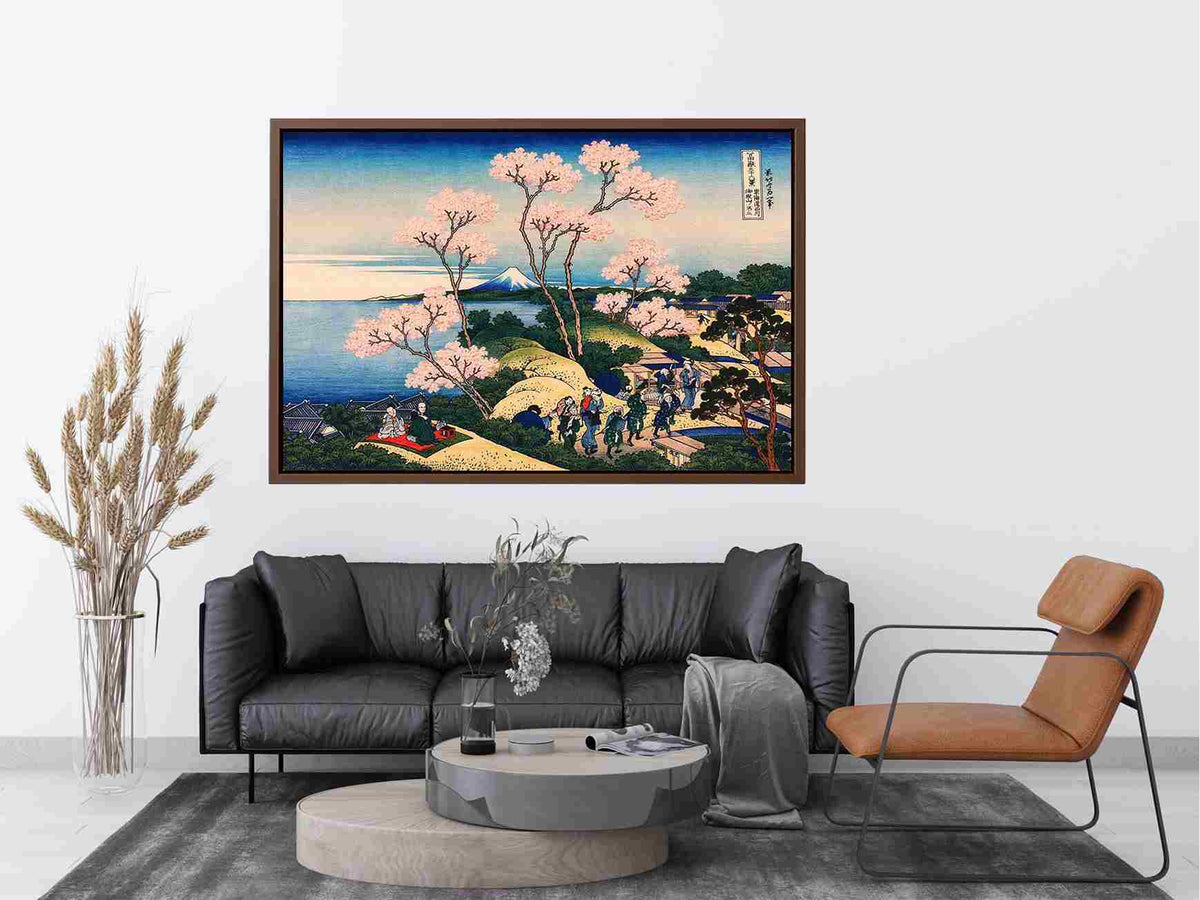
Fuji From Gotenyama By Hokusai


Japanese Stork, Furisode With A Myriad Of Flying Cranes By Hokusai

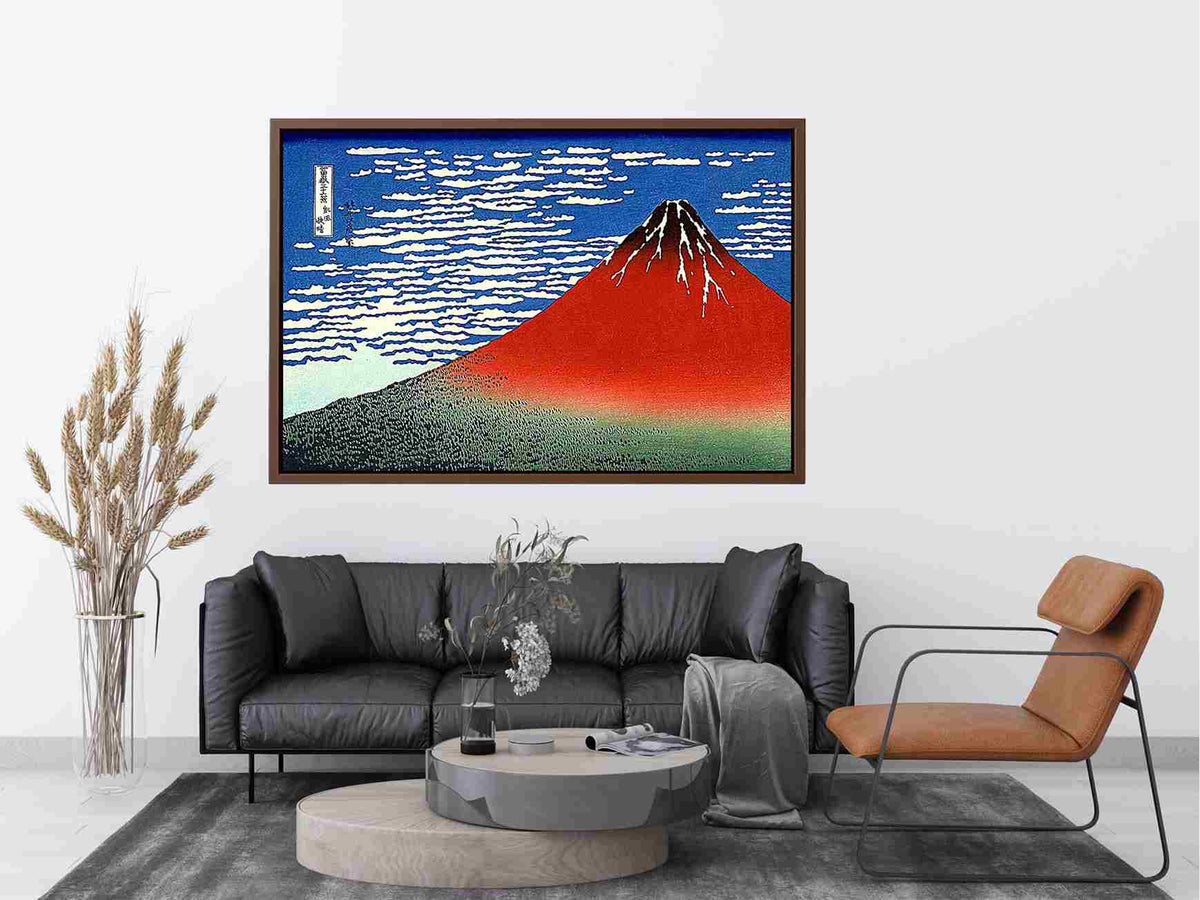
Red Fuji by Katsushika Hokusai


Cherry Blossom Trees


Cherry Tree


Echoes Of The Earth


Dancing In The Breeze


Meadow’s Whisper


Vibrant Maple


Japanese Maple

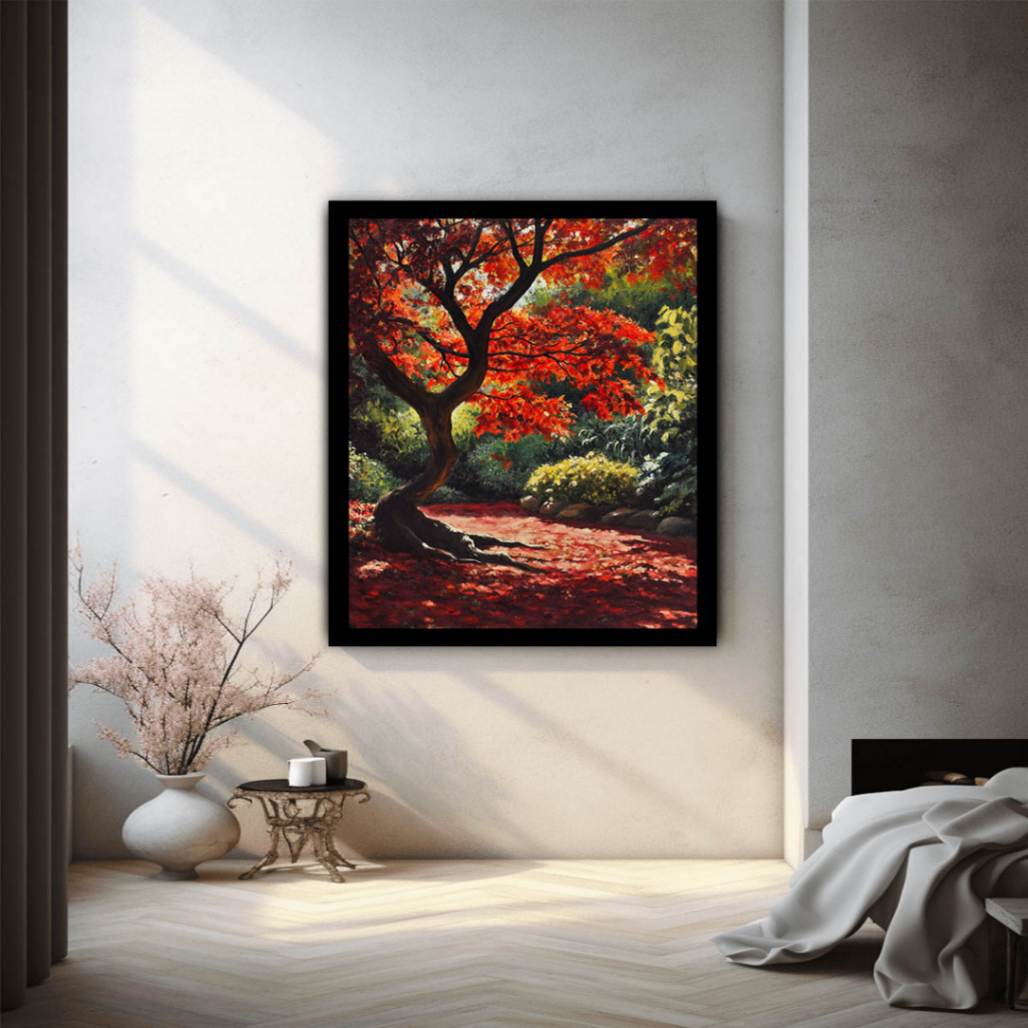
Maple Tree In Japan

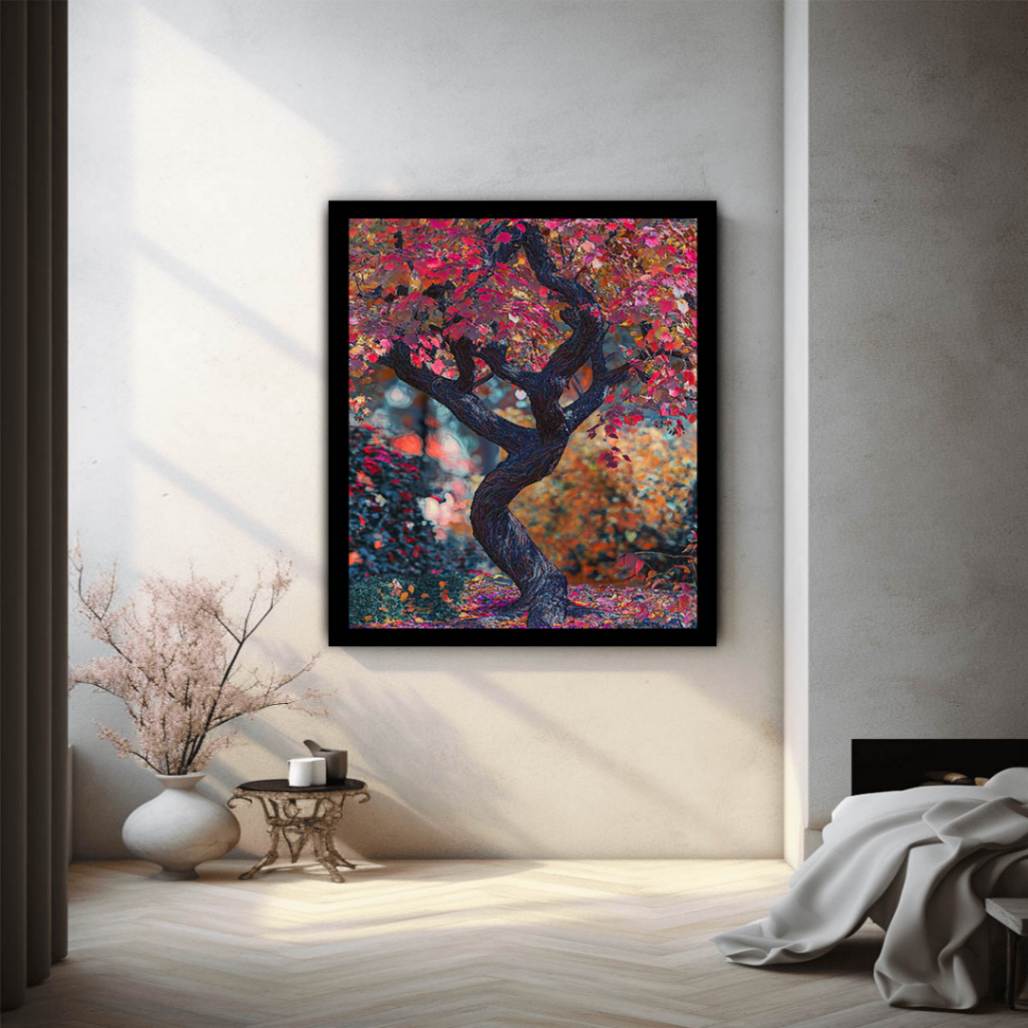
Japenese Maple Tree


Rock Orchid

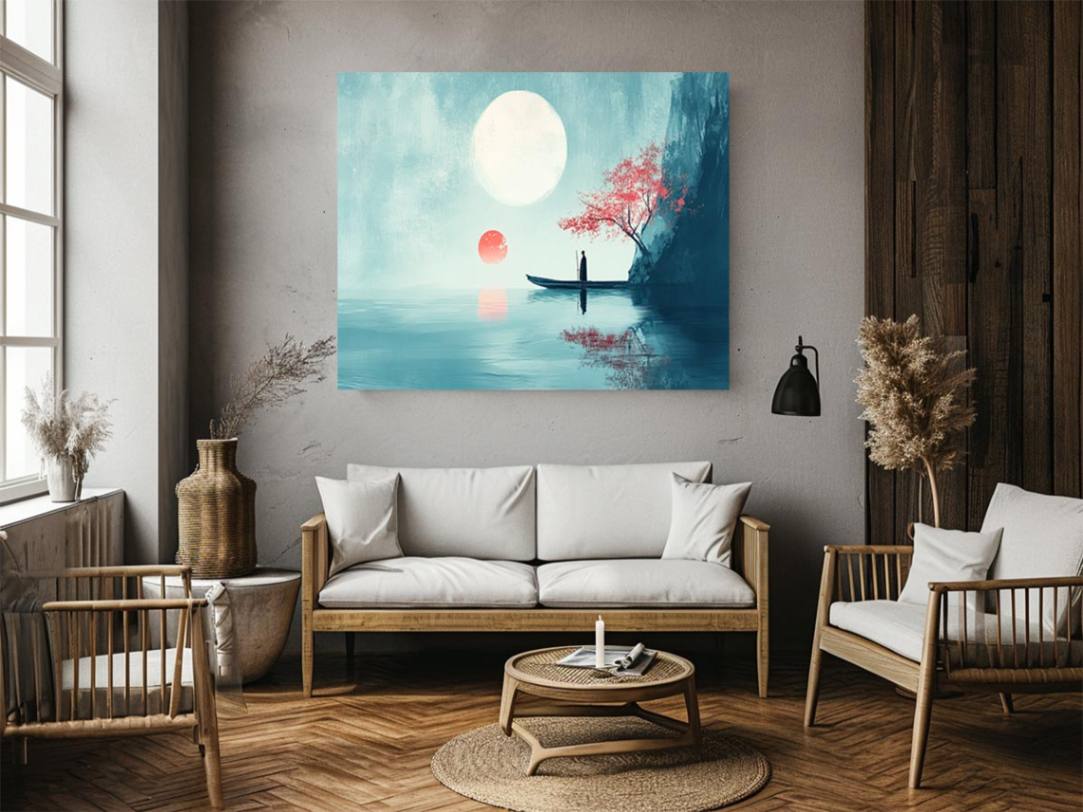
voyage


Pink Moon


Full Moon I


Fuji Mountain


Mount Fiji (Original) Painting

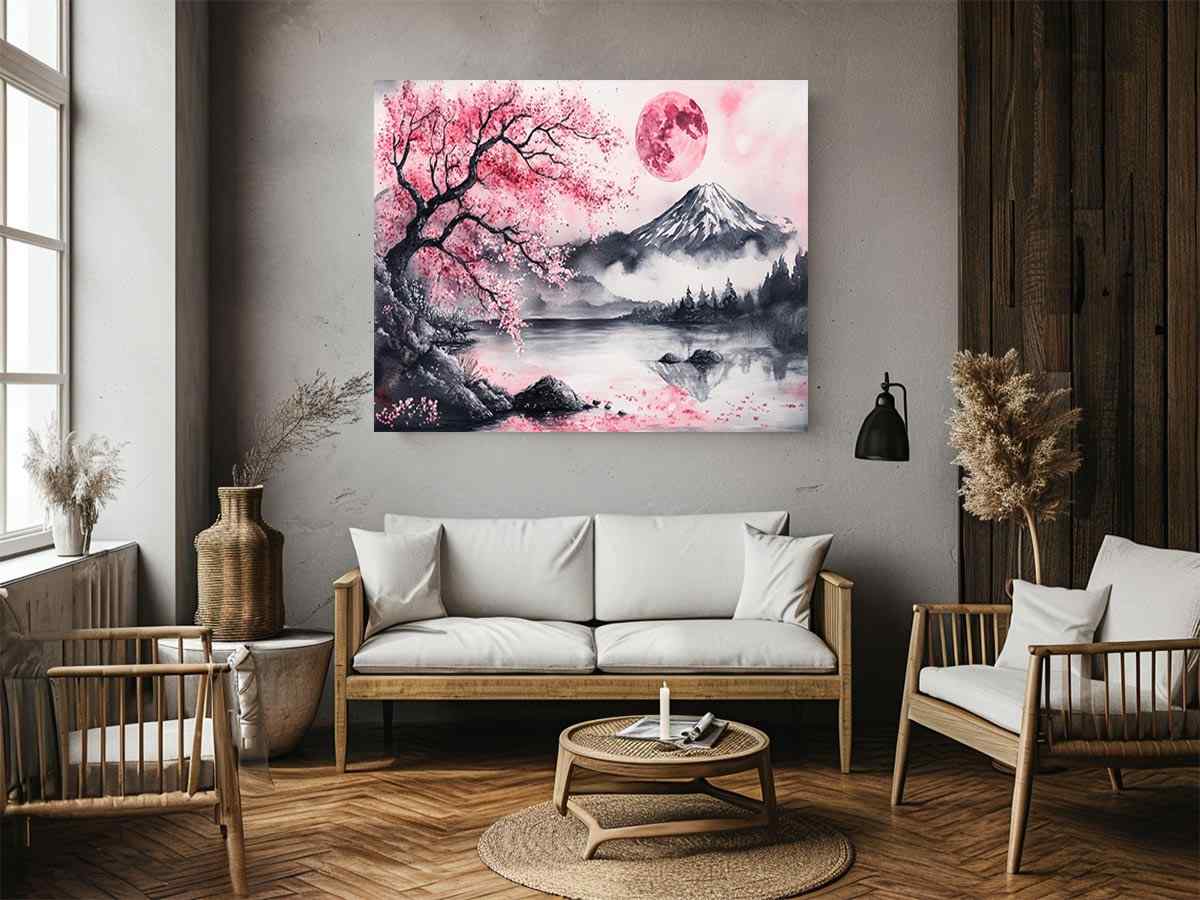
Cherry Blossom (Original) Painting


Blush Daydream

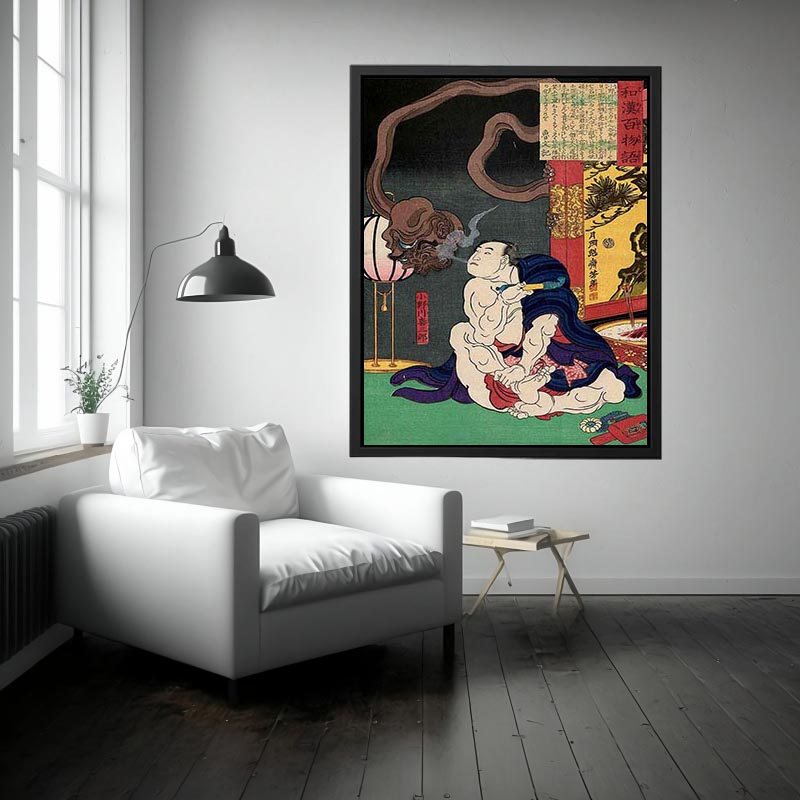
Onogawa by Yoshitoshi onogawa

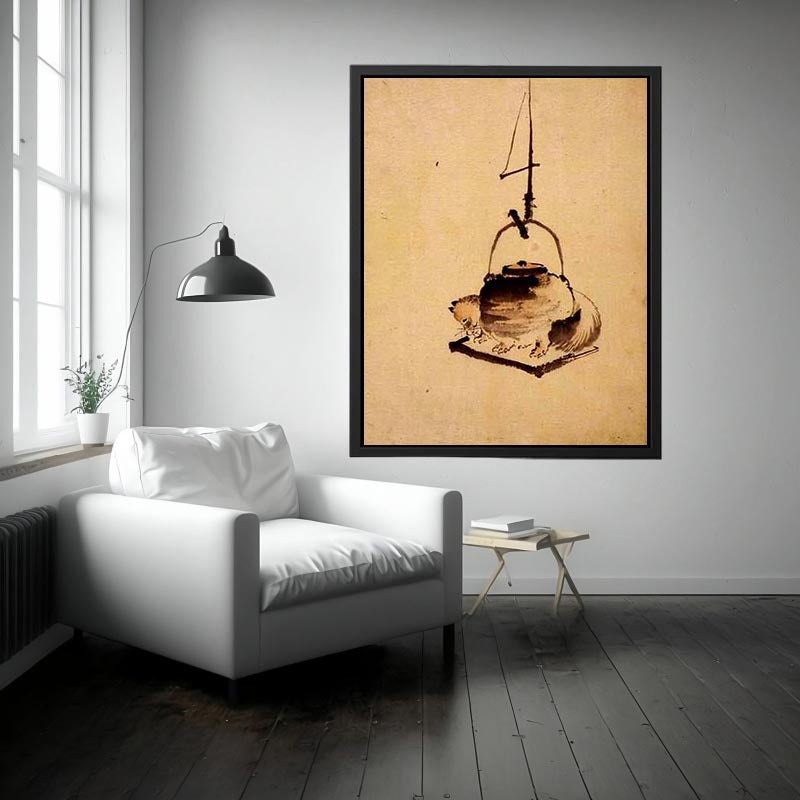
Hokusai tanuki tea kettle by Yoshitoshi onogawa


Raccoon dog form by Yoshitoshi onogawa

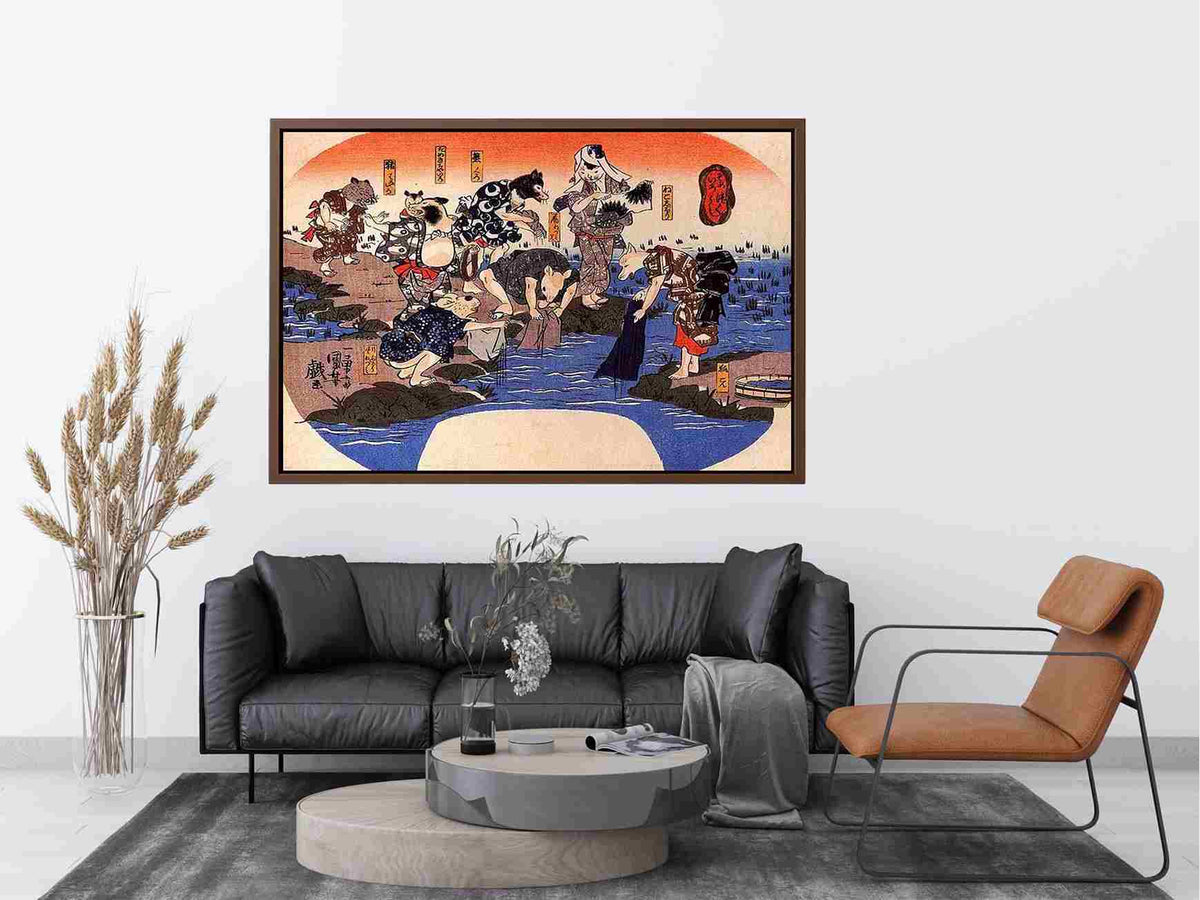
Animals dyeing fabrics by Yoshitoshi onogawa

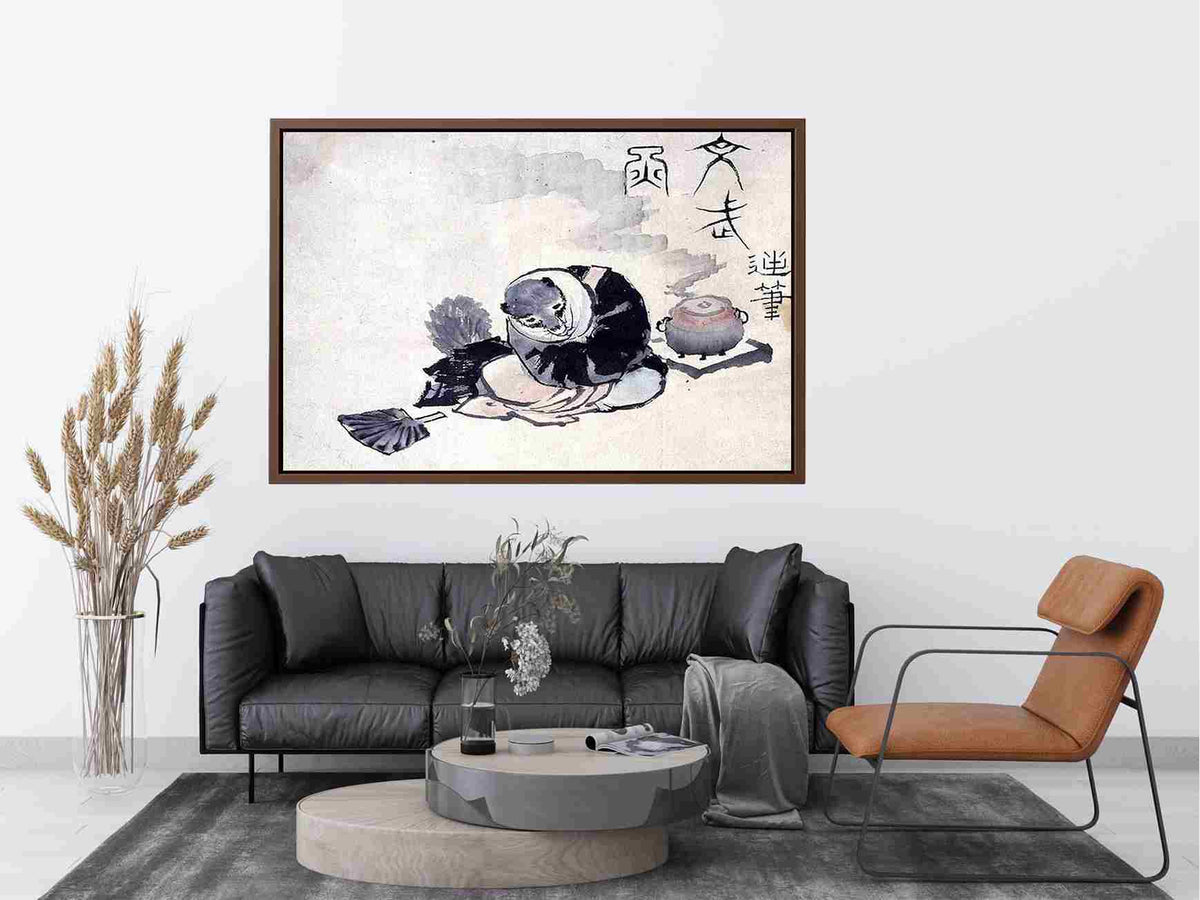
The Tea Kettle Raccoon by Yoshitoshi onogawa

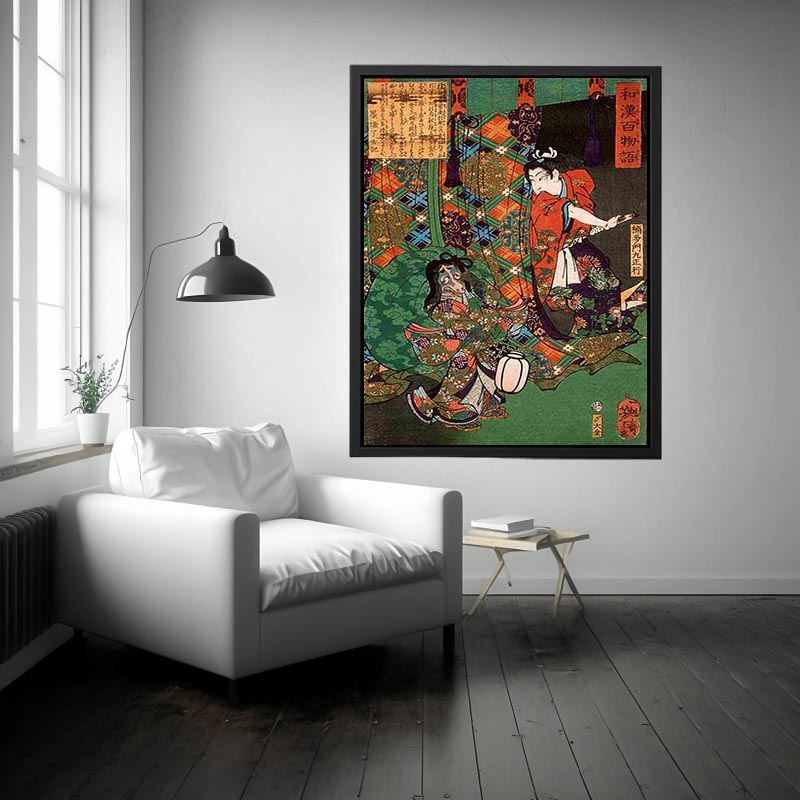
Masatsura Surprising a Fox Ghost by Yoshitoshi onogawa

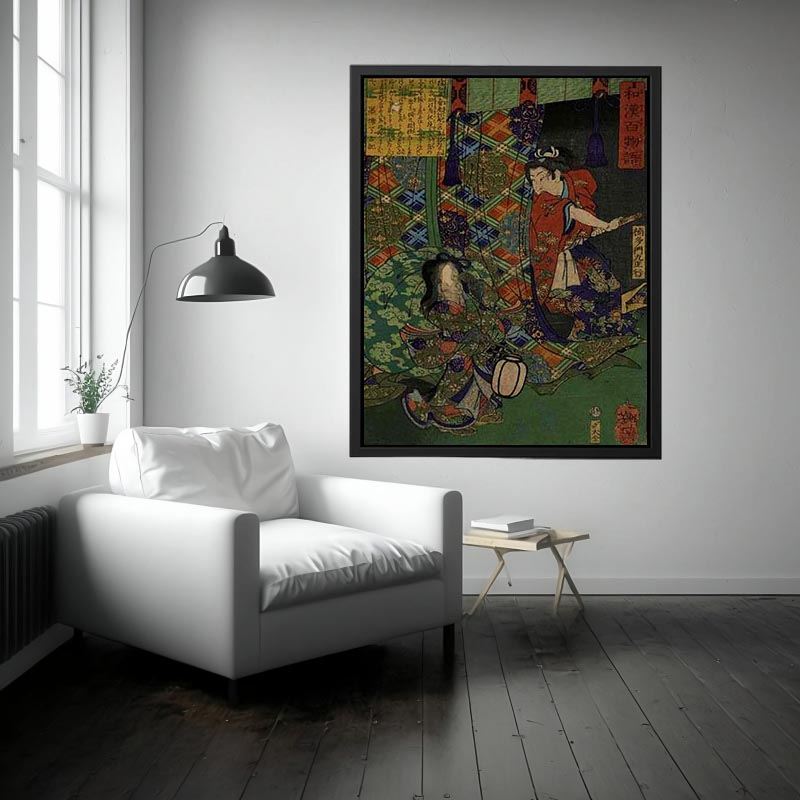
tsukioka yoshitoshi by Yoshitoshi onogawa


South Korea Art


Two Cranes


Lucky Koi Fish


Pretty & Lucky Fish

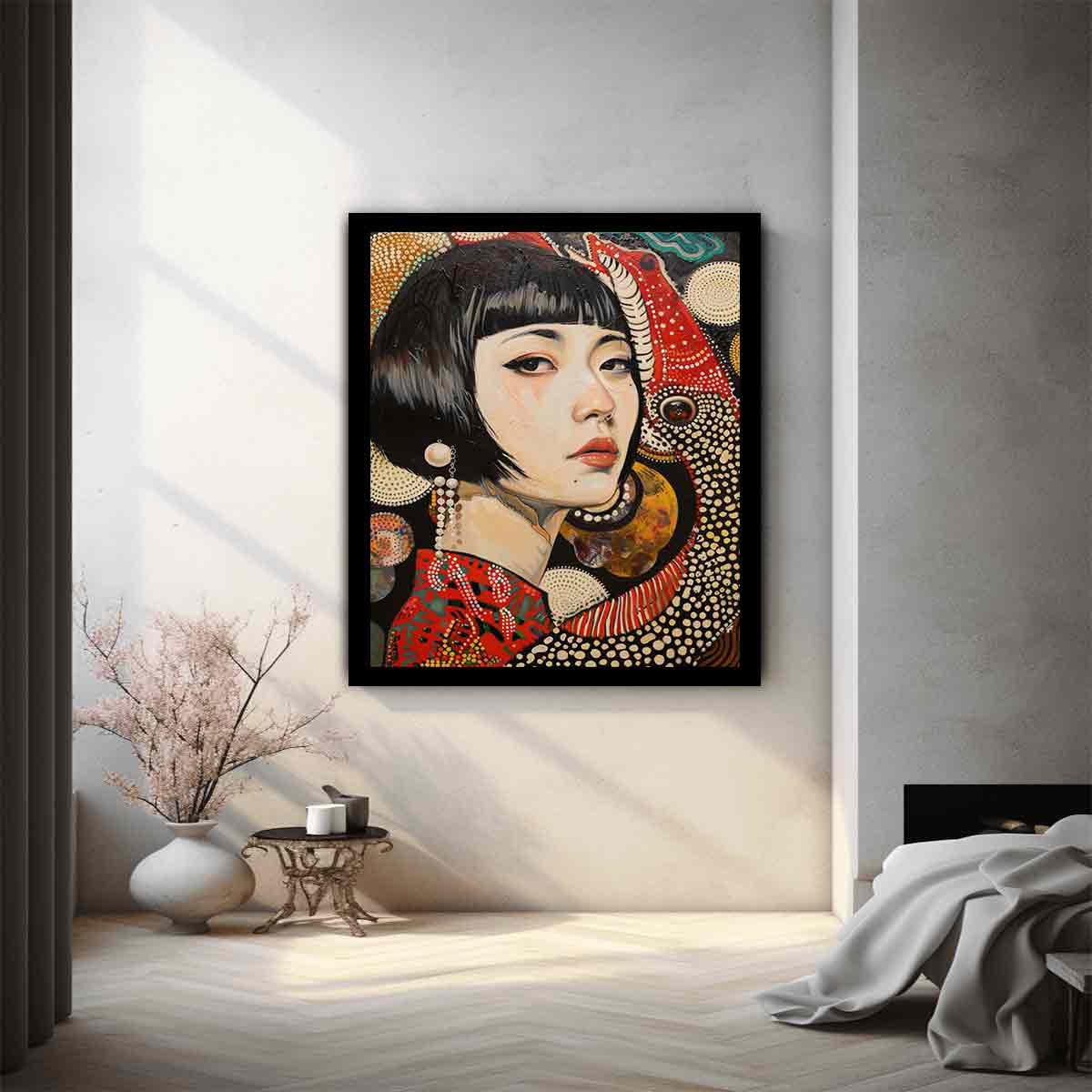
Pretty


In the Lake


In the Lake


Lucky Koi Fish


Lucky Koi


Cranes


Cranes

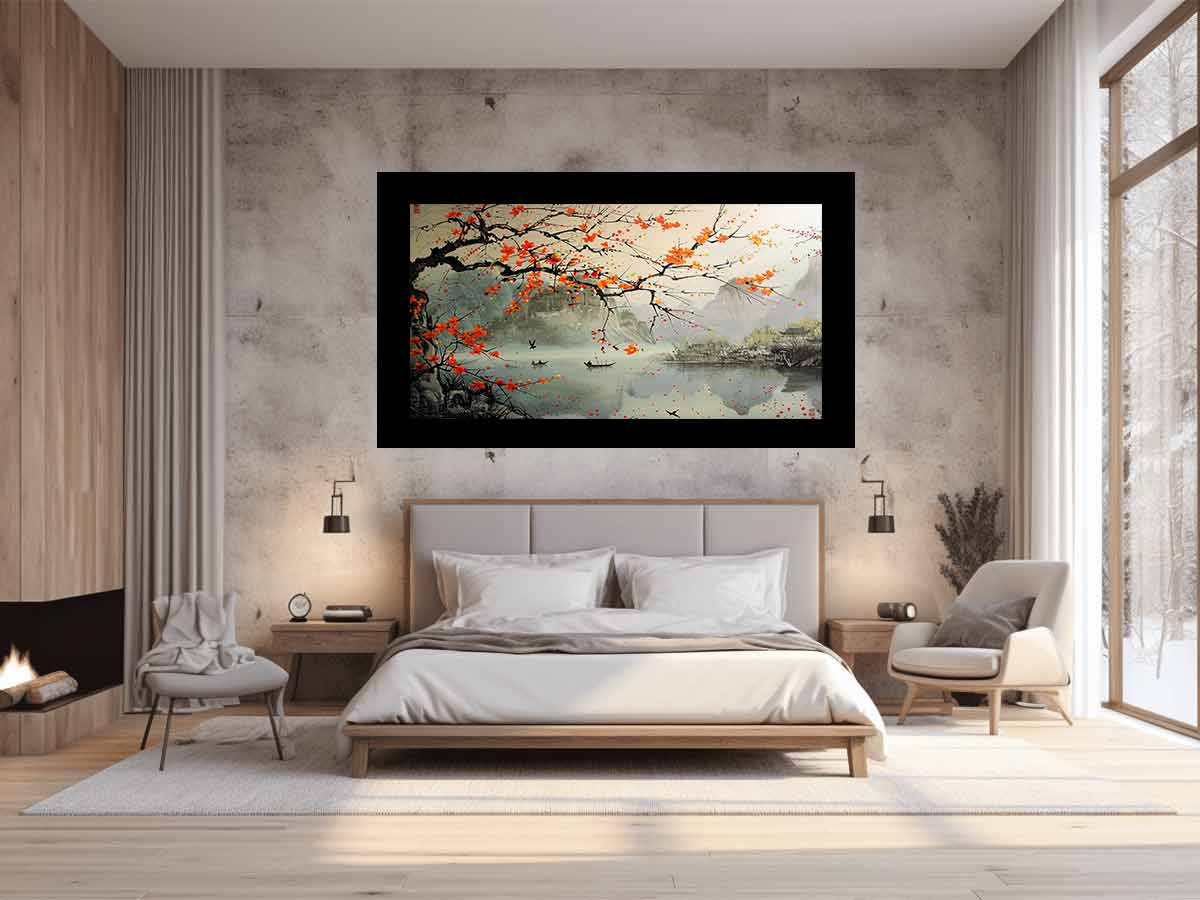
River


cherry Blossom
Japanese Art & Japanese Wall Art
Discover Japanese Art featuring landscapes, traditional scenes, nature, architecture, flowers, animals and distinctive Japanese-inspired visual compositions. This collection brings together Japanese wall art that can add calm, structure, color and cultural character to an interior. From dramatic waves and mountain landscapes to delicate flowers, traditional figures and architectural scenes, Japanese artwork offers a wide range of subjects for different decorating styles. Choose artwork according to its subject, artistic approach, color palette, composition, scale and presentation. Japanese Wall Art can complement minimalist, contemporary, traditional and eclectic interiors and can create a distinctive focal point in living rooms, bedrooms, offices, entryways and other spaces where carefully selected cultural artwork adds visual depth and personality.
What Is Japanese Art?
Japanese Art encompasses a broad range of visual art and design developed in Japan across different historical periods and artistic traditions. It includes painting, printmaking, decorative arts, calligraphy, ceramics, textiles and other forms of visual expression.
For wall décor, Japanese artwork can feature natural landscapes, flowers, animals, people, architecture, seasonal subjects and stylized compositions. Some Japanese-inspired wall art draws on traditional visual characteristics, while contemporary interpretations may combine Japanese subjects with modern artistic approaches.
Why Choose Japanese Wall Art?
- Distinctive visual identity: Japanese artwork can introduce recognizable subjects, compositions and decorative elements.
- Nature-focused subjects: Mountains, water, flowers, trees and seasonal scenery provide many options for nature-inspired interiors.
- Strong composition: Japanese-inspired artwork can emphasize balance, space, line and carefully arranged visual elements.
- Versatile color: Choose subtle neutral artwork or compositions with vivid blues, reds, greens and other accent colors.
- Cultural character: Japanese Wall Art can bring a specific cultural and artistic perspective into an interior.
- Flexible styling: Japanese artwork can work with minimalist, modern, traditional and eclectic décor.
Types of Japanese Art
Japanese Landscape Art
Japanese landscape artwork can feature mountains, forests, rivers, lakes, countryside and seasonal environments. Landscape compositions can create a sense of depth while introducing nature into an interior.
Explore Landscape Wall Art for broader scenic artwork.
Mount Fuji Art
Mount Fuji is one of the most recognizable subjects associated with Japanese visual culture. Artwork may depict the mountain alongside water, forests, clouds, villages or seasonal scenery.
Mountain-focused artwork is also available through Mountain Art.
Japanese Wave Art
Wave artwork can emphasize the movement, scale and energy of water. Stylized wave compositions can become strong focal points in contemporary interiors while retaining a connection with Japanese artistic imagery.
Japanese Floral Art
Flowers and plants can provide delicate natural subjects for Japanese Wall Art. Floral compositions can emphasize seasonal change, line, shape and restrained or vivid color.
Explore Floral Wall Art for broader flower artwork.
Japanese Nature Art
Nature-focused Japanese artwork can feature trees, forests, mountains, water, flowers, birds and other natural subjects. These works can complement interiors that use natural materials and restrained decorative elements.
Japanese Bird Art
Birds can appear in Japanese-inspired compositions alongside branches, flowers, water and seasonal landscapes. Their forms can add movement and a strong natural focal point.
Japanese Animal Art
Animals can provide another subject within Japanese-inspired artwork. Stylized or realistic animal compositions can work with both traditional and contemporary interiors.
Explore Animal Art for broader animal subjects.
Japanese Architecture Art
Japanese architecture can provide a distinctive subject through temples, traditional buildings, gardens, gates, streets and other structural environments.
Explore Architecture Wall Art for broader architectural artwork.
Japanese Figure and Cultural Scenes
Artwork depicting people, clothing, traditional settings and cultural scenes can provide a narrative dimension. When selecting culturally specific artwork, consider the historical or cultural context of the imagery.
Japanese Art and Traditional Japanese Visual Style
Traditional Japanese visual traditions encompass many different periods, regions and artistic practices. Japanese artwork can therefore vary considerably in composition, subject, technique and visual language.
Some Japanese-inspired wall art emphasizes nature and seasonal subjects, while other artwork focuses on figures, architecture, decorative patterns or dramatic scenes. This variety makes it useful to choose artwork according to the specific visual characteristics you want rather than treating all Japanese art as one uniform style.
Japanese Art and Asian Art
Asian Art is a broader category encompassing artwork connected with many cultures and regions throughout Asia. Japanese Art provides a more focused cultural and geographic direction.
Choose Japanese Art when Japanese subjects, visual traditions or cultural identity are central to your search. Choose Asian Art when you want a broader selection spanning multiple Asian traditions.
Japanese Art and Indian Art
Indian Art focuses on Indian cultural subjects and artistic traditions, while Japanese Art focuses on Japan. Both can be part of a broader Asian-inspired interior, but their visual traditions and cultural contexts are distinct.
Popular Styles of Japanese Wall Art
Traditional-Inspired Japanese Art
Traditional-inspired artwork can emphasize Japanese subjects, natural imagery, decorative composition and historical visual references. These pieces can complement interiors that incorporate natural materials and traditional decorative elements.
Minimalist Japanese Art
Minimalist Japanese-inspired artwork can emphasize simplicity, restrained color, open space and carefully selected visual elements. This approach can work particularly well with uncluttered contemporary interiors.
Explore Minimalist Art for broader minimalist compositions.
Modern Japanese-Inspired Art
Modern interpretations can combine Japanese subjects with simplified forms, contemporary color relationships and cleaner compositions.
Explore Modern Art for related modern artwork.
Contemporary Japanese Art
Contemporary interpretations can combine Japanese imagery with expressive, abstract or modern decorative approaches. These pieces can bridge cultural subject matter with current interior design.
Explore Contemporary Wall Art for related artwork.
Abstract Japanese-Inspired Art
Abstract interpretations can draw on Japanese colors, forms, nature or cultural references while using simplified shapes, lines and textures.
Explore Abstract Art for broader abstract artwork.
Colors in Japanese Wall Art
Japanese-inspired artwork can use both restrained and highly expressive color palettes. Natural greens, blues, earth tones and neutral shades can create a calm visual effect, while stronger reds, oranges and contrasting colors can create a more dramatic focal point.
- Blue: Can connect artwork with water, sky and coastal subjects.
- Green: Can emphasize forests, plants and natural environments.
- Red: Can provide a strong visual accent in architectural, floral and cultural compositions.
- Earth tones: Can complement wood, stone and natural materials.
- Black and white: Can emphasize line, contrast and simplified composition.
- Soft neutrals: Can integrate naturally with minimalist interiors.
- Multicolor palettes: Can create a more energetic decorative focal point.
Where to Display Japanese Wall Art
Living Room
Japanese Wall Art can create a distinctive focal point above a sofa, console or open wall. Landscape, wave, floral and architectural compositions can each create a different atmosphere.
Explore Living Room Wall Art for additional room-specific artwork.
Bedroom
Japanese-inspired landscapes, flowers, mountains and restrained compositions can work well in bedrooms. Consider quieter colors and balanced compositions when you want a more relaxed visual environment.
Browse Bedroom Art for additional inspiration.
Office or Study
Japanese landscapes, architecture, geometric compositions and contemporary artwork can add character to an office or study. Minimalist compositions can work particularly well with clean-lined furniture.
Explore Office Wall Art for additional options.
Entryway
A carefully selected Japanese painting can create a memorable focal point in an entryway. Consider the wall dimensions, nearby furniture and viewing distance when choosing the artwork.
Meditation or Quiet Space
Nature-focused and restrained Japanese artwork can complement quiet personal spaces. Consider landscapes, water, mountains, flowers and simplified compositions when you want a visually calm setting.
For broader contemplative artwork, explore Spiritual Art.
How to Choose Japanese Art
- Choose the subject: Decide whether you prefer landscapes, Mount Fuji, waves, flowers, animals, birds, architecture or cultural scenes.
- Consider the visual tradition: Decide whether you prefer traditional-inspired, minimalist, modern, contemporary or abstract artwork.
- Consider the mood: Choose peaceful, dramatic, energetic, delicate or contemplative imagery according to the room.
- Review the color palette: Compare the artwork's colors with your walls, furniture, rugs and textiles.
- Consider cultural context: If the artwork depicts specific cultural or historical imagery, consider its context and significance.
- Measure the wall: Record available width and height before selecting artwork.
- Consider viewing distance: Detailed artwork needs enough space for its visual elements to remain clear.
- Select the presentation: Consider canvas, framed paper or another available format according to your interior.
Choosing the Right Size for Japanese Wall Art
The right size depends on the wall, furniture, viewing distance and complexity of the artwork. A large wave, mountain landscape or architectural composition can become a dramatic focal point, while a smaller floral or minimalist piece can work as an accent.
For artwork above furniture, consider the width and visual weight of the furniture beneath it. On large open walls, a substantial artwork or coordinated arrangement can provide greater balance.
Explore the Wall Art Size Guide for practical sizing guidance.
Japanese Art Above a Sofa
A horizontal Japanese landscape, wave composition or nature scene can work effectively above a sofa. The artwork can become a visual anchor while connecting with the room's colors and natural materials.
Measure the sofa and available wall space before selecting the artwork. Consider visual intensity and surrounding negative space so the display does not feel crowded.
Explore the Wall Art Above Sofa Guide for additional placement guidance.
Japanese Art for Large Walls
Large walls can accommodate expansive Japanese landscapes, wave artwork, mountain scenes and substantial decorative compositions. Larger artwork can give detailed subjects enough scale to remain visually effective from across the room.
Consider ceiling height, furniture placement, viewing distance and the amount of negative space surrounding the artwork.
Explore Wall Art for Large Walls and Large Wall Art Ideas for additional planning guidance.
Japanese Art for Small Walls
Small walls can suit compact floral compositions, mountain scenes, architectural studies and minimalist artwork. Select a size that leaves enough space around the artwork rather than filling the entire available wall.
Explore Small Wall Art Ideas for additional guidance.
Canvas and Framed Japanese Artwork
The presentation format can influence how Japanese Wall Art works within an interior. Canvas can provide a contemporary gallery-style appearance, while framed paper artwork can create a more traditional finished presentation.
Explore Canvas Prints for canvas artwork and Framed Prints for framed presentation.
For a broader selection of printed artwork, explore Wall Art Prints.
How to Style Japanese Wall Art
Japanese-inspired artwork can work particularly well with natural materials, uncluttered surfaces, simple furniture and carefully selected decorative elements. Wood, stone, neutral textiles and plants can complement nature-focused Japanese artwork.
For minimalist interiors, allow the artwork sufficient negative space. A single mountain, wave, floral or architectural composition can become the primary focal point without requiring many additional decorative objects.
For eclectic interiors, Japanese artwork can be combined with carefully selected Asian, landscape or contemporary pieces. Use color, scale or subject to create relationships between the artworks.
Japanese Art for Minimalist Interiors
Minimalist interiors can provide a natural setting for Japanese-inspired artwork that emphasizes simplicity, open space, restrained colors and clear composition.
Consider one substantial artwork rather than overcrowding the wall with numerous competing pieces. Explore Minimalist Art for related artwork.
Japanese Art for Nature-Inspired Interiors
Landscapes, mountains, waves, forests, flowers and birds can connect Japanese Wall Art with nature-inspired interior design. Consider artwork that shares colors or subjects with existing plants, wood finishes and natural textiles.
Explore Forest Art, Mountain Art and Ocean Art for related nature-focused artwork.
Creating a Japanese-Themed Gallery Wall
A Japanese-themed gallery wall can combine landscapes, flowers, architecture, birds, waves and other complementary subjects. Use a shared color palette, visual style or presentation format to create cohesion.
Alternatively, one Japanese artwork can serve as the focal piece alongside minimalist, abstract or architectural artwork. Give detailed compositions sufficient space so their visual characteristics remain clear.
Explore the Gallery Wall Guide for additional planning guidance.
Japanese Art Buying Checklist
- Choose the Japanese subject that interests you.
- Consider traditional-inspired versus modern or contemporary approaches.
- Review the cultural or historical context where relevant.
- Choose the desired mood and visual intensity.
- Consider the artwork's dominant colors.
- Measure the wall and surrounding furniture.
- Consider viewing distance and artwork detail.
- Choose the appropriate size and orientation.
- Select canvas, framed or another available presentation.
- Decide whether the artwork will stand alone or form part of a gallery wall.
Japanese Art FAQs
What is Japanese Art?
Japanese Art encompasses a broad range of visual art and design developed in Japan across different historical periods and artistic traditions. It can include paintings, prints, decorative arts, calligraphy and artwork featuring landscapes, nature, people, architecture and cultural subjects.
What subjects are common in Japanese Paintings?
Japanese artwork can feature mountains, landscapes, waves, flowers, trees, birds, animals, architecture, people and seasonal scenes. The subjects vary according to the historical tradition and artistic approach represented.
What is Japanese landscape art?
Japanese landscape art focuses on natural environments such as mountains, forests, rivers, lakes, countryside and seasonal scenery. These compositions can emphasize nature, atmosphere, spatial relationships and carefully arranged visual elements.
Is Mount Fuji a common subject in Japanese Art?
Yes. Mount Fuji is a widely recognized subject associated with Japanese visual culture and has appeared in many artistic contexts. It may be represented alongside waves, water, landscapes, clouds, trees, villages or seasonal scenery.
What is Japanese wave art?
Japanese wave art focuses on the movement, form and energy of ocean waves. Stylized wave compositions can create a dramatic focal point and can work particularly well in contemporary interiors or spaces inspired by nature.
Where should I display Japanese Wall Art?
Japanese Wall Art can work in living rooms, bedrooms, offices, entryways and quiet personal spaces. Choose the location according to the artwork's size, subject, visual intensity, viewing distance and relationship with surrounding furniture.
Can Japanese Art work in a modern interior?
Yes. Modern Japanese-inspired artwork can use simplified forms, restrained palettes, geometric structures and contemporary compositions. Traditional-inspired artwork can also provide deliberate contrast in a modern room when its scale and presentation are appropriate.
Can Japanese Art work in a minimalist interior?
Yes. Japanese-inspired artwork that emphasizes open space, simple composition and restrained color can complement minimalist interiors. Allow sufficient negative space around the artwork so its visual structure remains prominent.
What colors work well with Japanese Wall Art?
Japanese-inspired artwork can use natural greens, blues, earth tones, neutrals, black and white as well as stronger accent colors such as red. Choose according to the artwork and the existing colors of your room.
Can Japanese Art be displayed above a sofa?
Yes. Landscape, wave, mountain and nature compositions can work effectively above sofas. Measure the sofa and wall area before choosing the artwork and consider viewing distance and surrounding negative space.
Can Japanese Art be displayed in a bedroom?
Yes. Landscapes, flowers, mountains, water and restrained compositions can complement bedrooms. Consider the artwork's visual intensity and color palette in relation to bedding, furniture and the overall room atmosphere.
Can Japanese Art be used in an office?
Yes. Japanese landscapes, architecture, geometric compositions and minimalist artwork can add visual character to an office or study. Consider the room's furniture, wall dimensions and desired level of visual detail.
How is Japanese Art different from Asian Art?
Asian Art is a broad category encompassing artwork connected with many cultures across Asia. Japanese Art is more specifically focused on Japan, Japanese subjects and Japanese artistic traditions.
Can Japanese Art be combined with other Asian artwork?
Yes. Japanese artwork can be combined with other Asian-inspired pieces when the arrangement has a deliberate visual relationship. Shared colors, subject matter, scale or presentation can help create cohesion.
Can Japanese Art be part of a gallery wall?
Yes. Japanese landscapes, flowers, architecture, birds and abstract-inspired pieces can form part of a gallery wall. Consider visual balance, spacing, color and presentation when combining several artworks.
How do I choose Japanese Art for a large wall?
Measure the wall and consider furniture, ceiling height and viewing distance. Large landscapes, wave scenes and architectural compositions can provide sufficient scale for detailed imagery to remain effective.
How do I choose Japanese Art for a small wall?
Compact floral, landscape, architectural and minimalist compositions can suit smaller walls. Leave enough negative space around the artwork and consider nearby furniture, doors and windows.
What presentation formats are available for Japanese Wall Art?
Depending on the artwork, presentation options can include canvas and framed or unframed paper prints. Choose according to the desired appearance, room style and available artwork format.
What should I consider before buying Japanese Wall Art?
Consider the subject, cultural context, artistic approach, color palette, size, wall dimensions, viewing distance, surrounding furniture and presentation format. These factors help determine whether the artwork will suit both the visual and practical requirements of your interior.
Explore Related Art Collections
Explore Asian Art for a broader selection of Asian-inspired artwork and Indian Art for artwork connected with Indian subjects and traditions.
For nature-focused Japanese subjects, explore Landscape Wall Art, Mountain Art, Ocean Art and Forest Art.
For different artistic approaches, explore Minimalist Art, Modern Art, Contemporary Wall Art and Abstract Art.
For architectural and nature subjects, explore Architecture Wall Art, Floral Wall Art and Animal Art.
Canvas, Framed and Printed Japanese Wall Art
Explore Canvas Prints for canvas presentation, Framed Prints for framed artwork and Wall Art Prints for a broader selection of printed formats.
Helpful Wall Art Guides
Before selecting your Japanese Wall Art, explore the How to Choose Wall Art Guide, Wall Art Size Guide, Wall Art Placement Guide, Interior Design With Art Guide and How to Match Art With Furniture.