
Landscape Wall Art & Nature Art Prints | Fame Art Gallery


Ice on Dnipro


The Wrath of the Seas


A. S. Pushkin at the Black Sea coast


Mountain Village Gunib in Daghestan. View from the East.


Azure Grotto, Naples


The Mekhitarist Fathers on Lazarus Island, Venice


The brig Mercury encounter after defeating two Turkish ships of the Russian squadron


Little Russian Ox Cart in Winter


Shipwreck off the Black Sea Coast

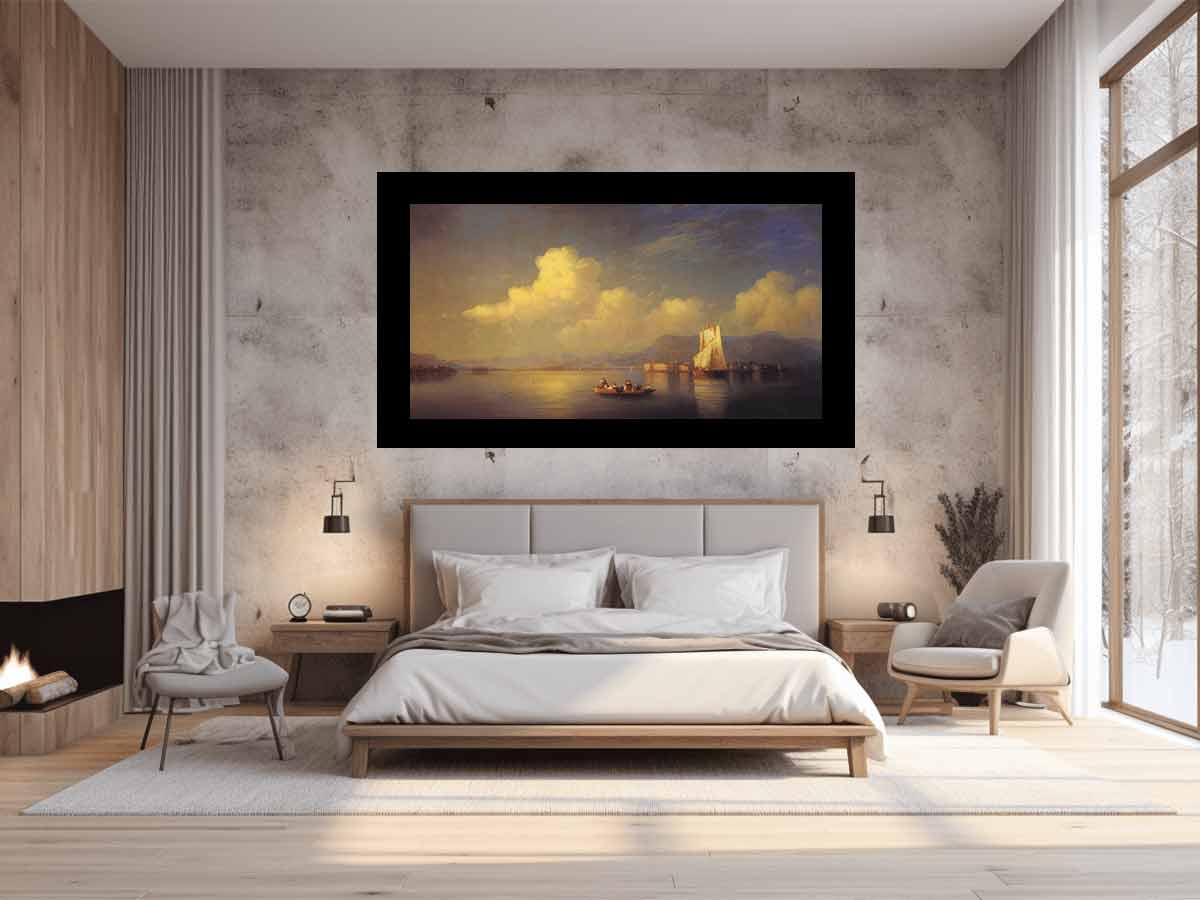
Italian Landscape (Lago Maggiore), Evening


Italian Landscape (Lago Maggiore), Evening


Ice-Breakers on the Frozen Neva in St. Petersburg


Gondolier on the Sea at Night


Frozen Bosphorus Under Snow (detail)


Exploding Ship


St.Petersburg Stock Exchange


Entrance to the Sevastopol Bay.


Dusk on the Golden Horn


Descent of Noah from Ararat

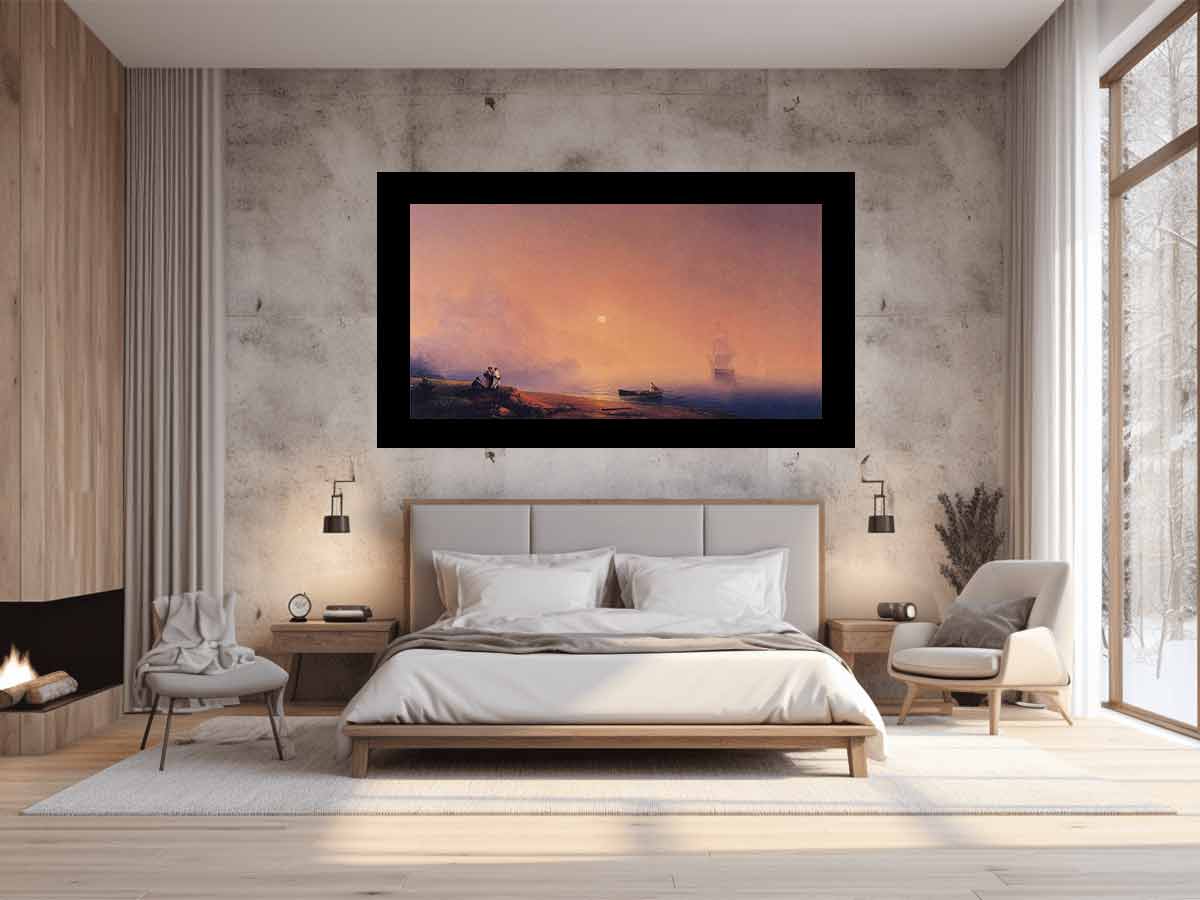
Crimean Tartars on the Sea Shore


The Rescue


Chaos. The Genesis

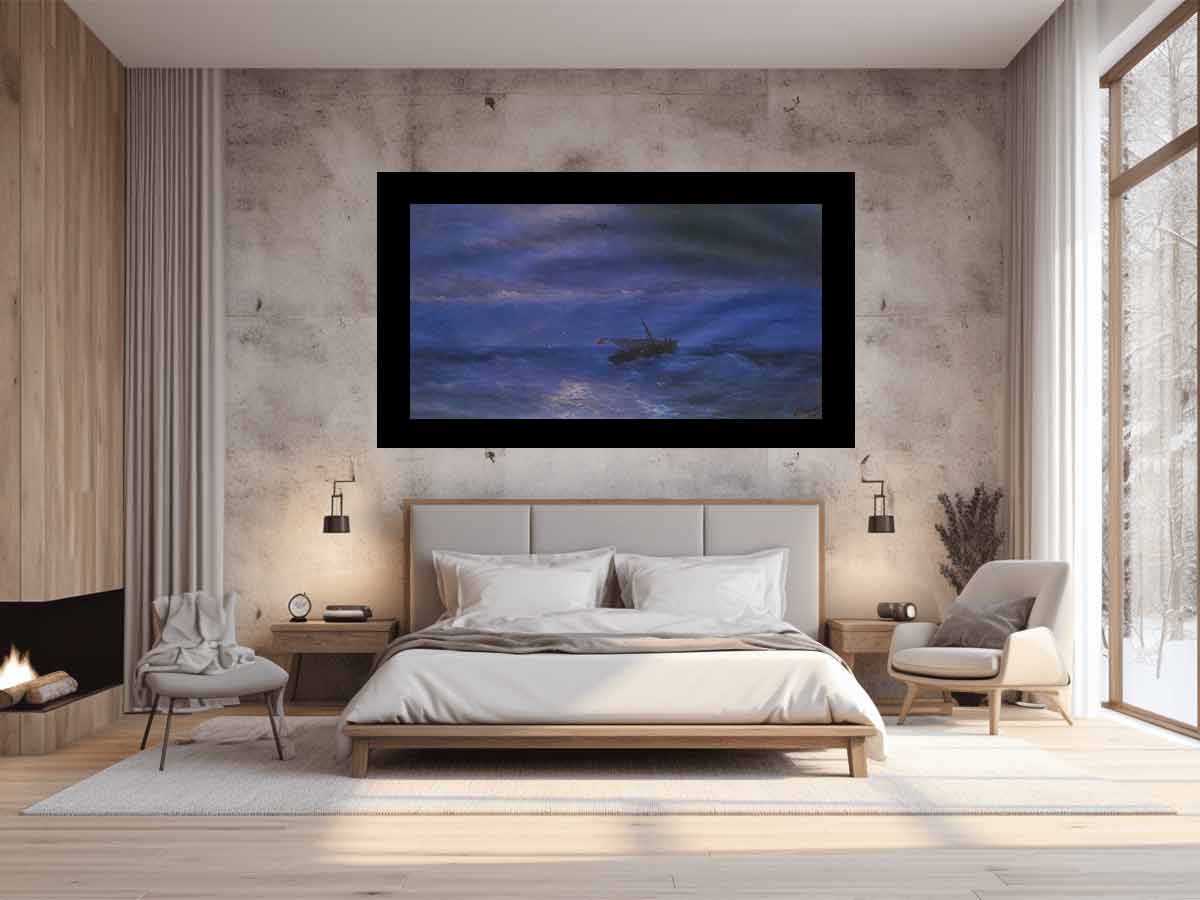
Caucasus from the sea


Byron's visit to the Mekhitarists on San Lazzaro


View Of The Ayu Dag Crimea


Nocturnal Voyage

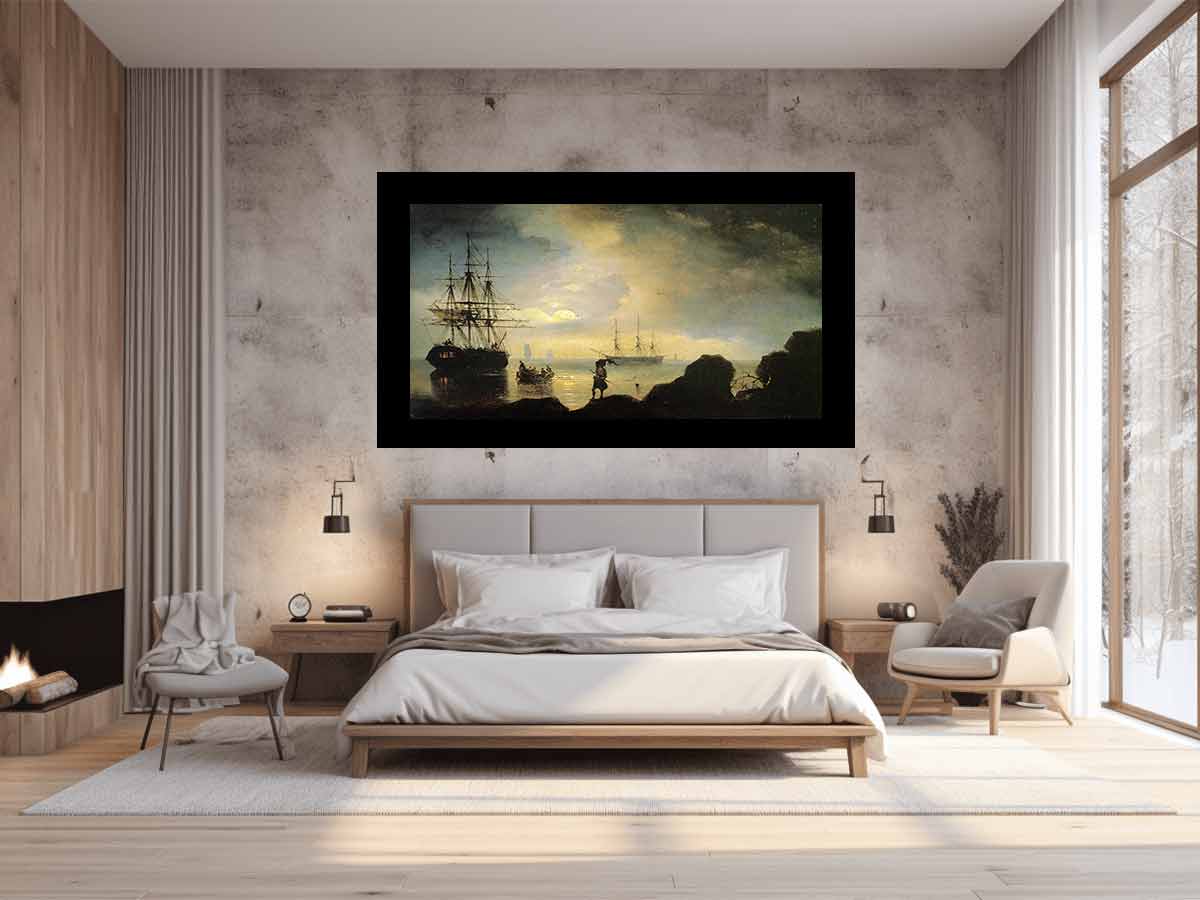
Fishermen on the shore


Peter

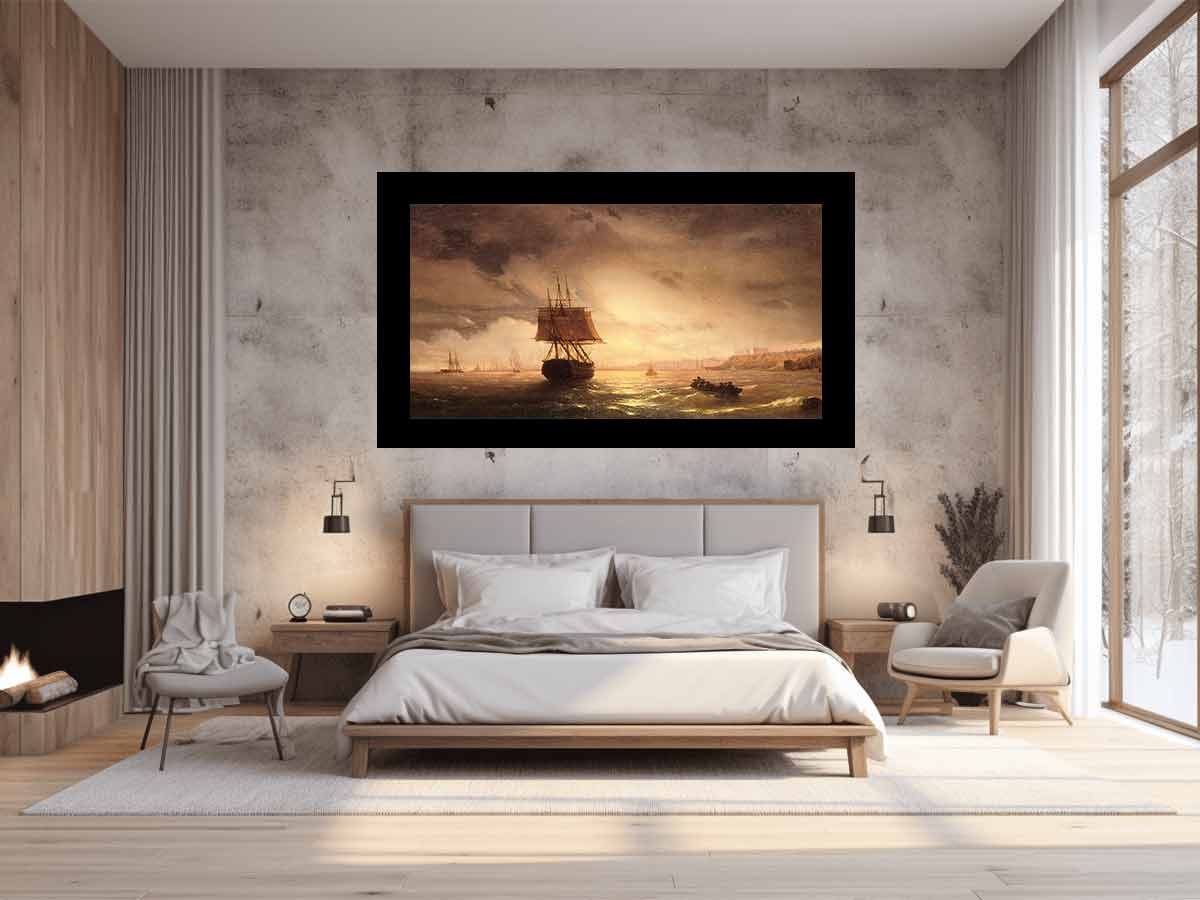
The Harbor at Odessa on the Black Sea


Alexander II Crossing the Danube


The Caucasus


Moonlit night in the Crimea.


Night in Constantinople


French Ships Departing the Black Sea


Ship in the Stormy Sea


Fishermen on the Beach


The Caucasus


The Church at Auvers-sur-Oise

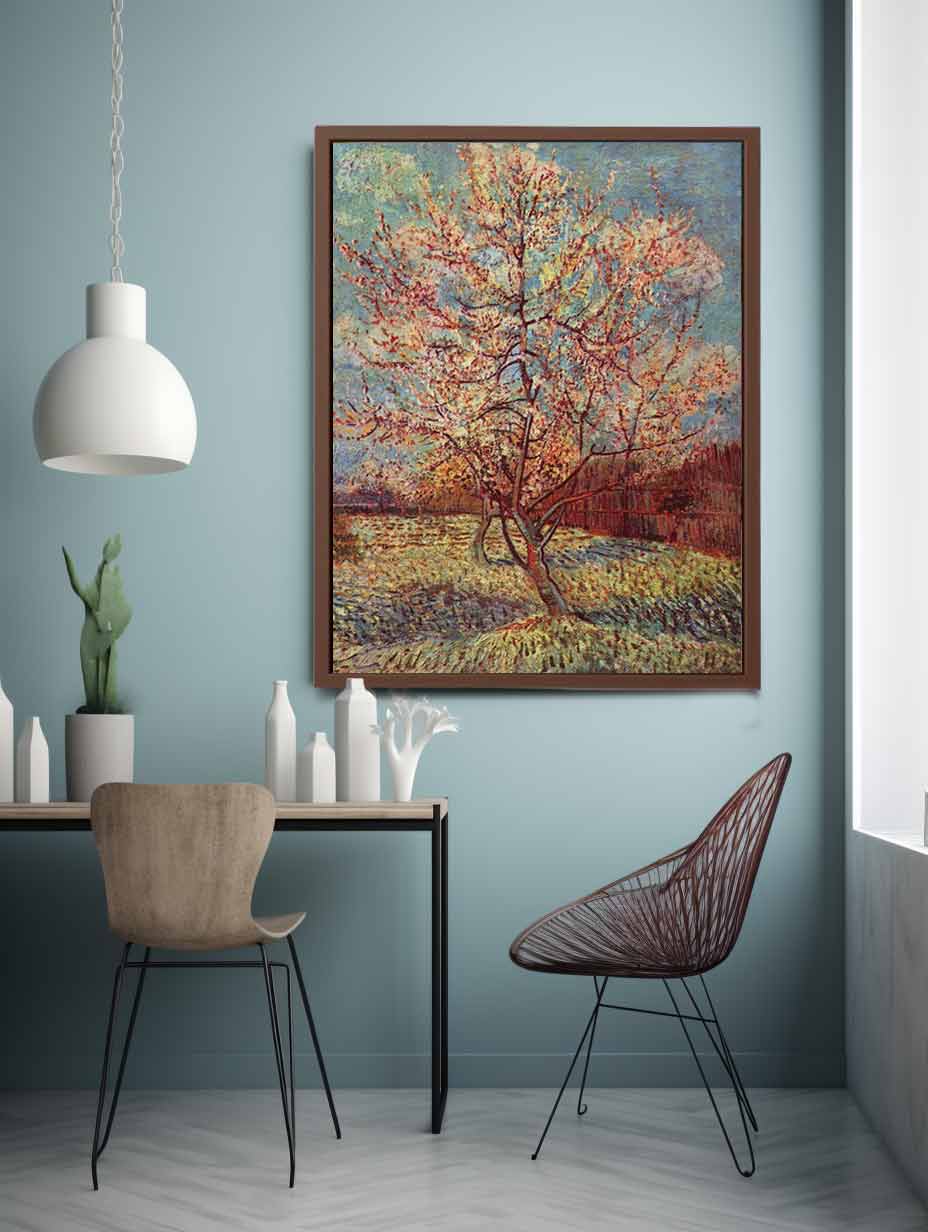
Peach Tree in Blossom / Flowering Peach Tree


Autumn Landscape
Landscape Wall Art & Scenic Nature Art
Discover Landscape Wall Art inspired by mountains, forests, beaches, oceans, lakes, rivers, countryside, valleys, fields and expansive natural scenery. Landscape artwork brings the visual depth and atmosphere of the outdoors into your home while giving a blank wall a distinctive focal point. From dramatic mountain landscapes and atmospheric forests to peaceful coastal scenes and colorful sunset views, this collection offers scenic artwork for different interior styles and spaces. Choose landscape wall art for a living room, bedroom, dining room, home office, hallway or entryway based on the subject, color palette, artwork size, viewing distance and presentation that best suits your interior.
What Is Landscape Wall Art?
Landscape Wall Art is artwork depicting or inspired by natural scenery and outdoor environments. Typical landscape subjects include mountains, forests, oceans, beaches, lakes, rivers, fields, valleys, countryside and expansive skies.
Landscape artwork can be realistic, impressionistic, atmospheric, contemporary, abstract or highly stylized. Some compositions focus on recognizable scenery, while others use color, texture, light and simplified forms to communicate the feeling of a natural environment.
For interior design, landscape wall art provides more than a subject. It can introduce depth, color, atmosphere, nature and a sense of visual distance to an otherwise empty wall.
Why Is Landscape Wall Art Popular for Home Decor?
Landscape artwork has a natural relationship with interior spaces because scenic compositions can introduce organic colors and visual depth without requiring the room to adopt a specific decorative theme.
A mountain scene can create dramatic scale. A forest can introduce layered greenery and natural texture. A beach can create an open coastal atmosphere. A lake can provide reflective depth, while a countryside scene can introduce softer earth tones.
This flexibility allows landscape artwork to work across modern, contemporary, rustic, minimalist, traditional, coastal and eclectic interiors.
What Makes Landscape Art Distinctive?
The defining characteristic of landscape art is its focus on scenery and the visual relationship between land, water, sky, atmosphere and distance.
- Depth: foreground, middle ground and background can create a sense of distance.
- Perspective: roads, rivers, coastlines and valleys can guide the eye through the composition.
- Natural color: greens, blues, earth tones and sky colors can complement interior palettes.
- Atmosphere: light, clouds, mist, weather and time of day can influence the mood.
- Scale: mountains, horizons and expansive skies can create a powerful sense of size.
- Organic forms: trees, water, rocks, vegetation and terrain contrast naturally with architectural interiors.
- Visual escape: scenic artwork can provide a visual connection to outdoor environments.
Types of Landscape Wall Art
Mountain Landscape Wall Art
Mountain landscape art brings peaks, ridges, valleys and elevated scenery into the interior. Mountain compositions can communicate scale and depth while creating a strong focal point on a large wall.
Distant mountain ranges can create an expansive appearance, while closer mountain scenes can emphasize texture, terrain and dramatic elevation.
Forest Landscape Wall Art
Forest wall art focuses on trees, woodland environments, pathways and layered vegetation. Dense forests can create an immersive appearance, while open woodland scenes can feel lighter and more spacious.
Forest artwork can complement interiors containing natural wood, plants, earthy textures and neutral furnishings.
Beach Landscape Wall Art
Beach wall art can introduce shorelines, sand, ocean water and expansive skies. These scenes can provide a lighter and more open visual character.
Beach artwork can work particularly well with coastal, contemporary and neutral interiors, especially when the artwork's colors relate to existing whites, blues, creams or natural materials.
Ocean Landscape Wall Art
Ocean artwork emphasizes the scale and movement of water through waves, horizons, clouds and changing atmospheric conditions.
Ocean scenes can create a strong feeling of openness and can work well when you want artwork that feels expansive rather than densely detailed.
Lake Landscape Wall Art
Lake landscape art can combine reflective water with mountains, forests, sky and surrounding terrain. Reflections can create visual symmetry while distant scenery provides depth.
Lake scenes can complement bedrooms, living rooms and offices where a quieter natural atmosphere is desired.
Countryside Landscape Wall Art
Countryside art can feature fields, rural roads, hills, farmland and open landscapes. These compositions can introduce a grounded, natural character through earthy colors and spacious scenery.
River Landscape Wall Art
River landscape artwork can use flowing water as a visual path through the composition. A river may lead the viewer from a foreground landscape toward distant mountains, forests, buildings or a horizon.
Sunset Landscape Wall Art
Sunset landscape art uses changing light and atmospheric color to create a warmer visual mood. Orange, red, gold, pink and purple tones can become accent colors within an interior.
Valley Landscape Wall Art
Valley landscapes can create a strong feeling of depth through layered terrain, distant mountains and receding perspectives. These compositions can work particularly well as large-format focal artwork.
Abstract Landscape Wall Art
Abstract Landscape Art takes inspiration from natural scenery while simplifying or transforming recognizable landscape elements through color, texture, shape and composition.
Choose abstract landscape artwork when you want the atmosphere or visual language of nature without requiring a literal scenic representation.
Explore Abstract Landscape Art for a more specific selection.
Landscape Art and Visual Depth
One of the strongest qualities of landscape artwork is its ability to communicate distance. A scene can contain a foreground object, a middle-distance environment and a far horizon, creating several visual layers.
Mountains can overlap across the horizon. Forests can recede into the distance. Roads and rivers can create leading lines. Beaches and oceans can use the horizon to establish openness.
This makes landscape wall art particularly useful when you want artwork that provides visual depth rather than a flat decorative pattern.
Landscape Art and Nature-Inspired Interiors
Landscape artwork can reinforce a room's connection with natural materials and organic decoration. Wood furniture, stone surfaces, plants, woven textures and neutral fabrics can all provide natural relationships with scenic artwork.
You do not need to match the artwork literally to the room. Instead, identify complementary relationships between the artwork and existing materials, colors and textures.
How to Choose the Right Landscape Wall Art
The right landscape artwork depends on the subject you prefer, the atmosphere you want and the physical characteristics of your wall.
- Choose the landscape: select mountains, forests, beaches, oceans, lakes, rivers, countryside or another scenic environment.
- Choose the mood: decide whether you want peaceful, dramatic, atmospheric, bright, rustic or expansive artwork.
- Consider color: coordinate with your existing palette or deliberately introduce an accent color.
- Consider depth: look for foreground, middle-ground and background elements when visual distance is important.
- Measure the wall: compare artwork dimensions with the wall and furniture beneath it.
- Consider viewing distance: detailed landscapes may benefit from sufficient size.
- Consider orientation: horizontal compositions can suit wide walls, while vertical scenes can emphasize height.
- Choose presentation: compare canvas and framed formats according to your interior.
For additional guidance, explore the How to Choose Wall Art Guide and Wall Art Size Guide.
Landscape Wall Art for Living Rooms
A landscape can become a strong living-room focal point above a sofa, sectional, fireplace, console or sideboard. Wide scenic compositions can visually connect a broad wall with the furniture below.
Mountain ranges, forests, coastal scenes and countryside views can all work in living spaces. Select the subject according to the atmosphere you want to create.
In a neutral living room, landscape artwork can introduce greens, blues, earth tones or warm sunset colors. In a colorful room, select artwork that relates to one or two existing accent colors.
Explore Living Room Wall Art for additional artwork.
Landscape Wall Art for Bedrooms
Landscape artwork can introduce a visual connection with nature into a bedroom. Forests, lakes, mountains and softer coastal scenes can provide atmosphere without relying on busy decorative patterns.
For artwork above a bed, compare the artwork width with the bed and available wall. A horizontal scenic composition can create a balanced relationship across a wider bed wall.
For a quieter bedroom, consider atmospheric or restrained landscapes. For a stronger focal point, choose dramatic mountains, expansive skies or vivid sunset scenery.
Explore Bedroom Art for additional bedroom artwork.
Landscape Wall Art for Dining Rooms
Landscape artwork can add color and visual depth to a dining room without requiring the entire room to follow a nature theme.
Mountain, countryside, coastal and lake scenes can work above dining furniture, sideboards and consoles. Natural wood and stone finishes can create particularly natural relationships with scenic artwork.
Explore Dining Room Wall Art for additional dining-room artwork.
Landscape Wall Art for Home Offices
A landscape can provide visual relief in a home office by introducing an outdoor environment into a work-focused space.
Mountain and forest scenes can provide depth without strong decorative pattern, while coastal and expansive landscape artwork can create a feeling of openness.
Choose a restrained landscape for a professional-looking workspace or a more dramatic composition for a creative office.
Explore Office Wall Art for additional office artwork.
Landscape Wall Art for Entryways and Hallways
Landscape artwork can make an entryway or hallway feel more inviting by introducing scenery and visual depth to a transitional area.
For narrow hallways, compare the artwork dimensions carefully with the available wall width. A vertical landscape can make effective use of taller walls, while smaller horizontal pieces can work above consoles or entryway furniture.
Landscape Wall Art for Apartments and Small Spaces
Landscape artwork can work effectively in apartments and compact rooms because scenery can introduce the perception of distance and openness.
Choose artwork according to the individual wall rather than assuming that a small room requires the smallest possible artwork. A carefully scaled scenic piece can become a strong focal point without overwhelming the space.
For additional small-space guidance, explore Wall Art for Small Spaces.
Landscape Wall Art by Color
Green Landscape Wall Art
Green landscape artwork can emphasize forests, fields, vegetation and natural environments. Green can complement neutral interiors, natural wood, plants and earthy materials.
Blue Landscape Wall Art
Blue landscapes can emphasize oceans, lakes, skies and distant mountains. Blue can work particularly well with white, gray, beige and other restrained interior colors.
Earth-Tone Landscape Wall Art
Earth-tone landscapes can introduce browns, tans, muted greens and warm natural colors. These palettes can complement wood furniture, stone surfaces and organic textures.
Sunset Landscape Wall Art
Sunset landscapes can introduce warmer colors and atmospheric light. Use selected warm tones from the artwork as accents rather than attempting to reproduce every color throughout the room.
Black and White Landscape Wall Art
Black-and-white landscapes emphasize contrast, texture, composition and atmospheric form rather than color. They can work especially well in modern, minimalist and monochromatic interiors.
Landscape Wall Art for Large Walls
Large walls provide an opportunity to display scenic artwork at a scale that allows the viewer to appreciate depth, atmosphere and landscape detail.
Large mountain ranges, panoramic coastal scenes, forests and expansive countryside compositions can work particularly well above long sofas, sectionals, fireplaces and substantial furniture.
Measure the wall and furniture before selecting artwork. Consider both the overall dimensions and the artwork's aspect ratio.
For additional planning guidance, explore Large Wall Art Ideas and Wall Art for Large Walls.
Landscape Wall Art for Small Walls
Smaller landscape artwork can work effectively in bedrooms, hallways, offices, apartments and compact living spaces.
Consider the composition as well as its dimensions. A landscape with a clear focal point can remain effective at smaller sizes, while a highly detailed panoramic scene may benefit from greater scale.
The objective is to create a balanced relationship between artwork, wall and surrounding furniture.
Explore Small Wall Art Ideas for additional inspiration.
Landscape Wall Art Above a Sofa
A scenic landscape above a sofa can create a natural focal point while visually connecting the wall to the furniture beneath it.
Wide mountain ranges, coastal views, forests and countryside scenes can work particularly well across broad sofa walls.
Consider sofa width, artwork proportions, wall height and viewing distance. Leave sufficient surrounding space so the landscape remains visually distinct.
For placement guidance, explore the Wall Art Above Sofa Guide.
Landscape Wall Art for High Ceilings
Rooms with high ceilings can support landscape artwork with strong vertical elements such as mountain peaks, tall trees and dramatic skies.
A vertical scenic composition can reinforce the height of a room while maintaining a connection with the furniture and living area below.
Explore the Wall Art for High Ceilings Guide for additional placement guidance.
Landscape Canvas Prints and Framed Wall Art
The presentation format influences how landscape artwork integrates with an interior. Canvas Prints can provide a streamlined contemporary presentation, while Framed Prints create a more defined visual boundary.
Canvas can work particularly well with expansive scenic imagery because the artwork can maintain a continuous visual field. Framing can provide additional structure and can suit rooms where defined borders are already part of the decorative style.
Choose the presentation according to the artwork, wall color, furniture and overall design direction.
For more information, explore the Canvas Prints Buying Guide.
Landscape Wall Art vs. Nature Wall Art
Landscape Wall Art focuses on scenery and outdoor environments such as mountains, forests, oceans, beaches, rivers and countryside. Nature Wall Art is broader and can also include flowers, plants, wildlife and individual natural subjects.
Choose landscape artwork when the environment or scenic view is the primary subject. Choose broader nature artwork when you want to explore botanical or wildlife themes as well.
Landscape Wall Art vs. Seascape Art
Seascape Art is a specialized type of landscape artwork focused on oceans, seas, beaches, coastlines and marine environments.
Landscape artwork is broader and can include mountains, forests, lakes, rivers, fields, countryside and coastal scenery.
Choose seascape artwork when the ocean or coastline is your primary preference. Choose landscape art when you want a broader range of natural environments.
Landscape Wall Art vs. Mountain Art
Mountain Art is a specific landscape category focused on mountains, peaks, ridges, valleys and elevated terrain. Landscape Wall Art encompasses mountain scenes as well as forests, beaches, oceans, lakes, rivers and countryside.
Choose mountain artwork when dramatic elevation and mountainous scenery are your main interests. Choose landscape artwork when you want greater subject variety.
Landscape Wall Art vs. Abstract Landscape Art
Abstract Landscape Art interprets natural scenery through simplified or transformed color, shape, texture and composition.
Traditional scenic artwork generally provides a clearer representation of a natural environment, while abstract landscape artwork emphasizes artistic interpretation.
Explore Abstract Landscape Art when you prefer a less literal approach.
Landscape Wall Art vs. Abstract Art
Abstract Art can focus primarily on color, shape, line and texture without depicting a recognizable environment. Landscape artwork is generally connected to scenery, although it can also become highly stylized.
Choose landscape artwork when nature and scenery are central to your preference. Explore Abstract Art when non-representational composition is the primary attraction.
Landscape Wall Art vs. Modern Art
Modern Art is a broad category encompassing many subjects and visual approaches. Landscape artwork is defined more specifically by its connection to natural scenery.
A landscape can also use a modern artistic treatment, so these categories can overlap rather than compete directly.
Explore Modern Art for a broader modern-art selection.
How to Style Landscape Wall Art
- Modern interiors: choose cleanly composed landscapes with controlled colors.
- Minimalist interiors: use one substantial scenic artwork as the primary focal point.
- Rustic interiors: pair mountain, forest, lake or countryside artwork with natural materials.
- Coastal interiors: choose beach, ocean and shoreline artwork with blue, white and neutral décor.
- Contemporary interiors: consider dramatic, atmospheric or stylized landscapes.
- Neutral interiors: use landscape artwork to introduce greens, blues, earth tones or warm accents.
- Eclectic interiors: combine landscapes with abstract and decorative artwork through shared colors or framing.
For broader styling advice, explore How to Match Art With Furniture and Interior Design With Art.
Create a Landscape Feature Wall
A large scenic artwork can transform a blank wall into a visual connection with nature. Mountain ranges, forests, oceans and expansive countryside scenes can provide both color and depth.
Choose a composition whose scale relates to the wall and furniture. Allow enough surrounding negative space for the landscape to remain the dominant visual feature.
If the artwork contains strong colors, keep nearby patterns relatively controlled and repeat only selected tones elsewhere in the room.
Create a Landscape Gallery Wall
A landscape gallery wall can combine different natural environments while maintaining a cohesive visual direction.
Group mountain, forest, coastal, lake and countryside artwork through shared colors, framing, presentation, scale or atmosphere.
Landscape artwork can also be combined with botanical, abstract and other nature-inspired pieces when the colors and visual styles complement one another.
For arrangement and spacing guidance, explore the Gallery Wall Guide.
Landscape Wall Art for Different Interior Styles
Modern Interiors
Modern interiors can work well with cleanly composed landscapes, simplified scenery and controlled color palettes. Strong horizons and uncluttered compositions can reinforce a modern aesthetic.
Contemporary Interiors
Contemporary rooms can support dramatic mountain scenes, colorful sunsets, coastal environments and stylized landscape artwork.
Rustic Interiors
Mountain, forest, countryside and lake artwork can complement rustic furniture, natural wood, stone surfaces and earthy textures.
Minimalist Interiors
A single landscape can provide the main visual interest in a minimalist room. Choose a composition with a clear focal point and avoid excessive surrounding decoration.
Coastal Interiors
Ocean, beach and shoreline artwork can reinforce a coastal palette through blue, white, sand and other natural tones.
Eclectic Interiors
Landscape artwork can become one layer within a collected interior. Use shared colors, framing or visual mood to connect scenic artwork with other decorative pieces.
How to Match Landscape Art With Furniture
The relationship between landscape artwork and furniture should be based on scale, color, visual weight and material relationships.
A large sectional can require substantial artwork to maintain visual balance, while a smaller console or sideboard may suit a more compact landscape.
Look for colors that naturally relate to the room. Greens can connect with plants, blues can relate to textiles and water-inspired accents, while earth tones can complement wood and natural materials.
For additional advice, explore How to Match Art With Furniture.
Landscape Wall Art as a Statement Piece
A large scenic artwork can become the defining visual element of a room. A dramatic mountain range, expansive ocean, forest environment or atmospheric sunset can establish the room's mood and create a clear focal point.
Use a statement landscape when a wall needs visual depth or when you want the artwork to influence the room's accent colors.
Give the artwork sufficient surrounding space so the scene remains visually clear and easy to appreciate.
Why Choose Landscape Wall Art from Fame Art Gallery?
Fame Art Gallery provides wall artwork across scenic, abstract, modern, contemporary and decorative categories, allowing shoppers to explore different interpretations of natural environments and landscape imagery.
Landscape artwork can be selected according to scenery, color, visual style, dimensions and presentation, making it possible to find artwork for different rooms, wall sizes and interior approaches.
The catalog also includes Abstract Landscape Art for shoppers who want a more stylized interpretation of natural scenery.
Fame Art Gallery states that its artwork is printed and framed in the USA, with premium materials and finishes, artwork support, secure checkout and free U.S. shipping.
Frequently Asked Questions About Landscape Wall Art
What is Landscape Wall Art?
Landscape Wall Art is artwork depicting or inspired by natural scenery such as mountains, forests, beaches, oceans, lakes, rivers, fields, valleys and countryside environments. It can be realistic, atmospheric, impressionistic, abstract or highly stylized.
What are the most common types of Landscape Wall Art?
Common landscape subjects include mountains, forests, beaches, oceans, lakes, rivers, countryside, fields, valleys and sunsets. Landscape artwork can also be presented as abstract interpretations of natural scenery.
Why should I choose Landscape Wall Art for my home?
Landscape artwork can introduce nature, color, atmosphere and visual depth to an interior. Scenic compositions can also create a sense of distance through horizons, mountains, forests, water and layered environments.
Is Landscape Wall Art good for a living room?
Yes. Landscapes can create strong focal points above sofas, sectionals, fireplaces, consoles and sideboards. Large scenic compositions can also provide visual depth across broad living-room walls.
Is Landscape Wall Art suitable for a bedroom?
Yes. Forests, mountains, lakes and coastal landscapes can introduce a connection to nature. Choose a quieter composition for a restrained atmosphere or a dramatic scene for a stronger statement.
Is Landscape Wall Art suitable for a home office?
Yes. Landscape artwork can add visual interest and a connection to the outdoors in a home office. Mountains, forests, lakes and expansive scenery can provide depth without relying on busy decorative patterns.
What is the difference between Landscape Art and Nature Art?
Landscape Art focuses on scenery and outdoor environments. Nature Art is broader and can also include flowers, plants, wildlife and individual natural subjects.
What is the difference between Landscape Art and Seascape Art?
Seascape Art specifically focuses on oceans, seas and coastal environments. Landscape Art is broader and can include mountains, forests, lakes, rivers, fields, countryside and coastal scenery.
What is the difference between Landscape Art and Mountain Art?
Mountain Art is specifically focused on mountains, peaks, ridges and valleys. Landscape Art includes mountain scenery but also encompasses forests, beaches, oceans, lakes, rivers and countryside.
What colors work best with Landscape Wall Art?
Green, blue, neutral, earth-tone and sunset palettes can all work effectively. Choose colors that complement your room or use the artwork to introduce an intentional accent palette.
What size Landscape Wall Art should I choose?
Choose the size according to the wall, furniture beneath it and viewing distance. Large scenic compositions can work well on broad walls, while smaller landscapes can suit bedrooms, offices, hallways and compact spaces.
Should I choose horizontal or vertical Landscape Wall Art?
Horizontal landscapes can work particularly well across wide walls and above sofas or beds. Vertical landscapes can emphasize tall walls and subjects such as mountains, trees and dramatic skies. Choose the orientation that best fits both the artwork and available wall.
Should I choose canvas or framed Landscape Wall Art?
Canvas can provide a streamlined contemporary presentation, while framed artwork creates a more defined border. Consider the artwork, wall color, furniture and overall interior style when selecting the presentation.
Can Landscape Wall Art make a room feel more spacious?
Landscape artwork can create a visual sense of depth because scenic compositions often contain foreground, middle-ground and distant elements. Horizons, valleys, roads, rivers and receding mountains can visually extend the scene.
Can Landscape Wall Art be used as a feature wall?
Yes. A large mountain, forest, coastal or countryside composition can create an effective feature wall. Give the artwork sufficient surrounding space and keep competing patterns controlled.
Can Landscape Wall Art be used in a gallery wall?
Yes. Different landscape environments can be grouped through shared colors, framing, scale or visual mood. Landscape artwork can also be combined with botanical, abstract and other nature-inspired pieces.
Can Landscape Wall Art work with rustic interiors?
Yes. Mountain, forest, countryside and lake artwork can complement rustic interiors containing natural wood, stone, earthy colors and organic textures.
Can Landscape Wall Art work with modern interiors?
Yes. Choose cleanly composed landscapes, controlled colors or stylized scenic artwork to complement modern furniture and simple architectural forms.
Can Landscape Wall Art work with coastal interiors?
Yes. Ocean, beach and shoreline artwork can complement coastal interiors through blue, white, sand and other natural colors. Choose artwork that supports the room's existing palette without making every decorative element identical.
Where should I hang Landscape Wall Art?
Popular locations include living rooms, bedrooms, dining rooms, home offices, entryways, hallways and feature walls. Choose the location according to the artwork's dimensions, subject, viewing distance and relationship with surrounding furniture.
Where can I buy Landscape Wall Art?
You can explore landscape-inspired artwork through Fame Art Gallery's online wall-art catalog, including scenic, abstract, modern and contemporary artwork suitable for different rooms, wall sizes and interior styles.