
Neutral Wall Art & Neutral Wall Decor | Fame Art Gallery


Soft Amber Muse


Golden Palm Trace


Tropical Velvet


Botanical Silhouette


Neon Jungle Bloom

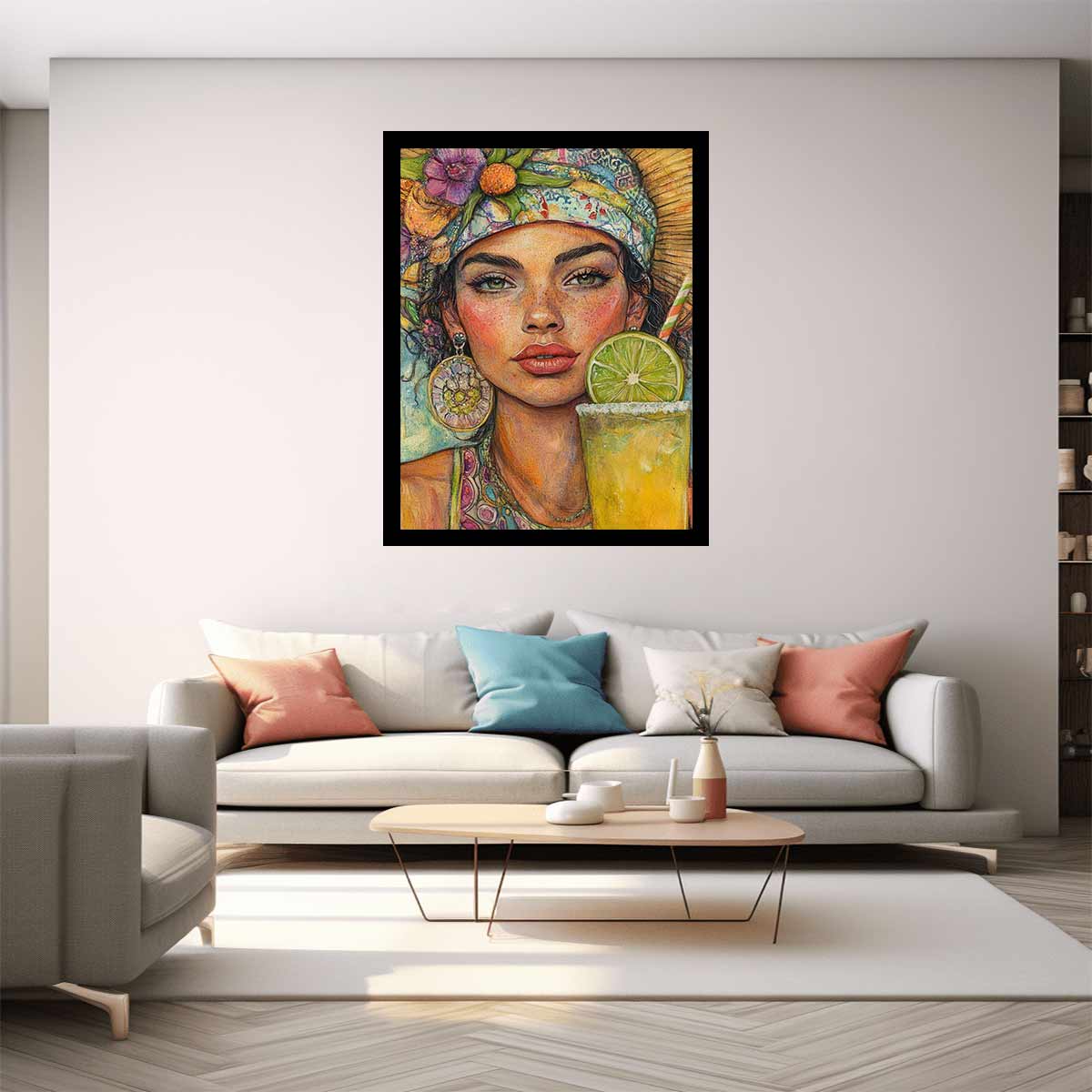
Citrus Muse

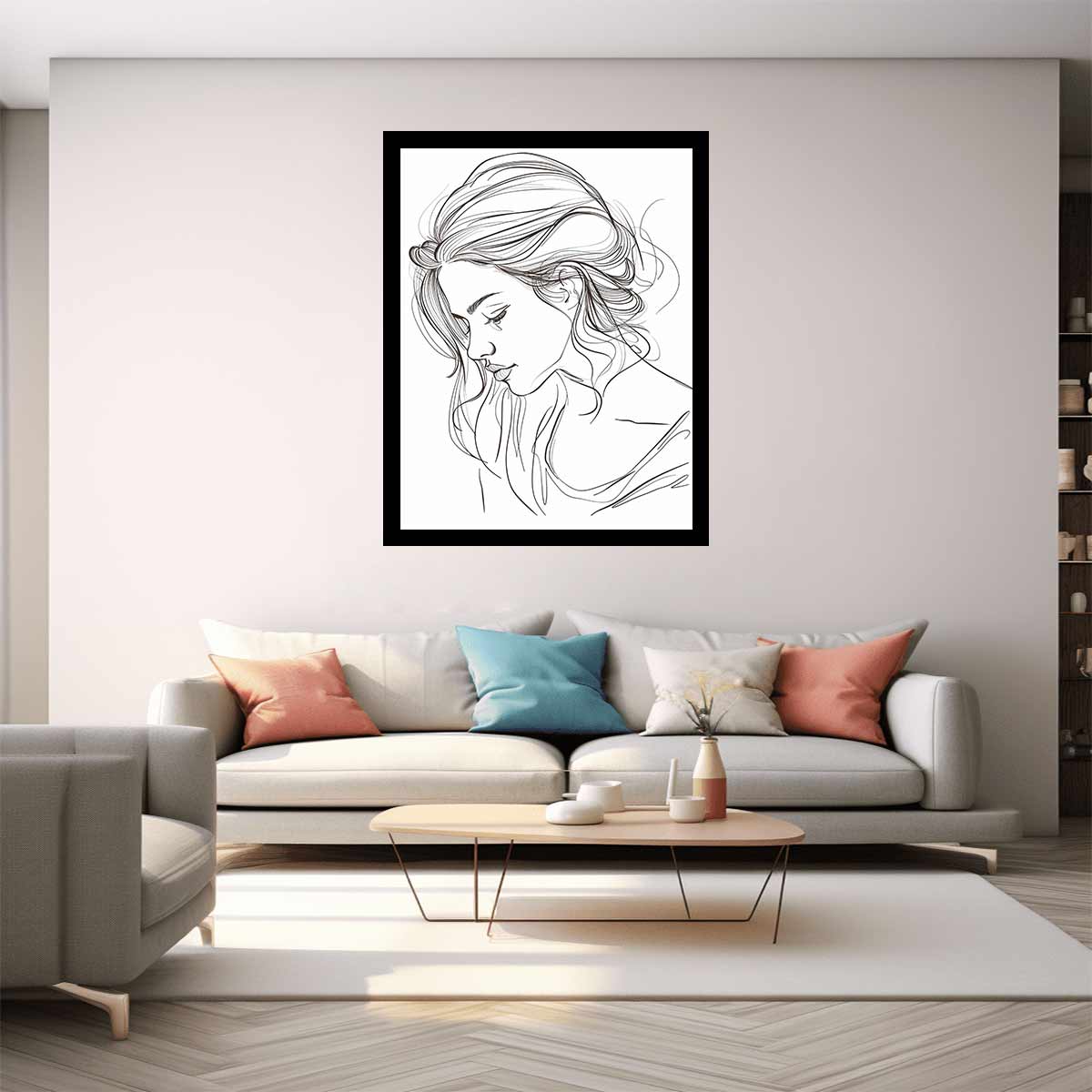
Grace Line


Soft Encounter


Living Spectrum

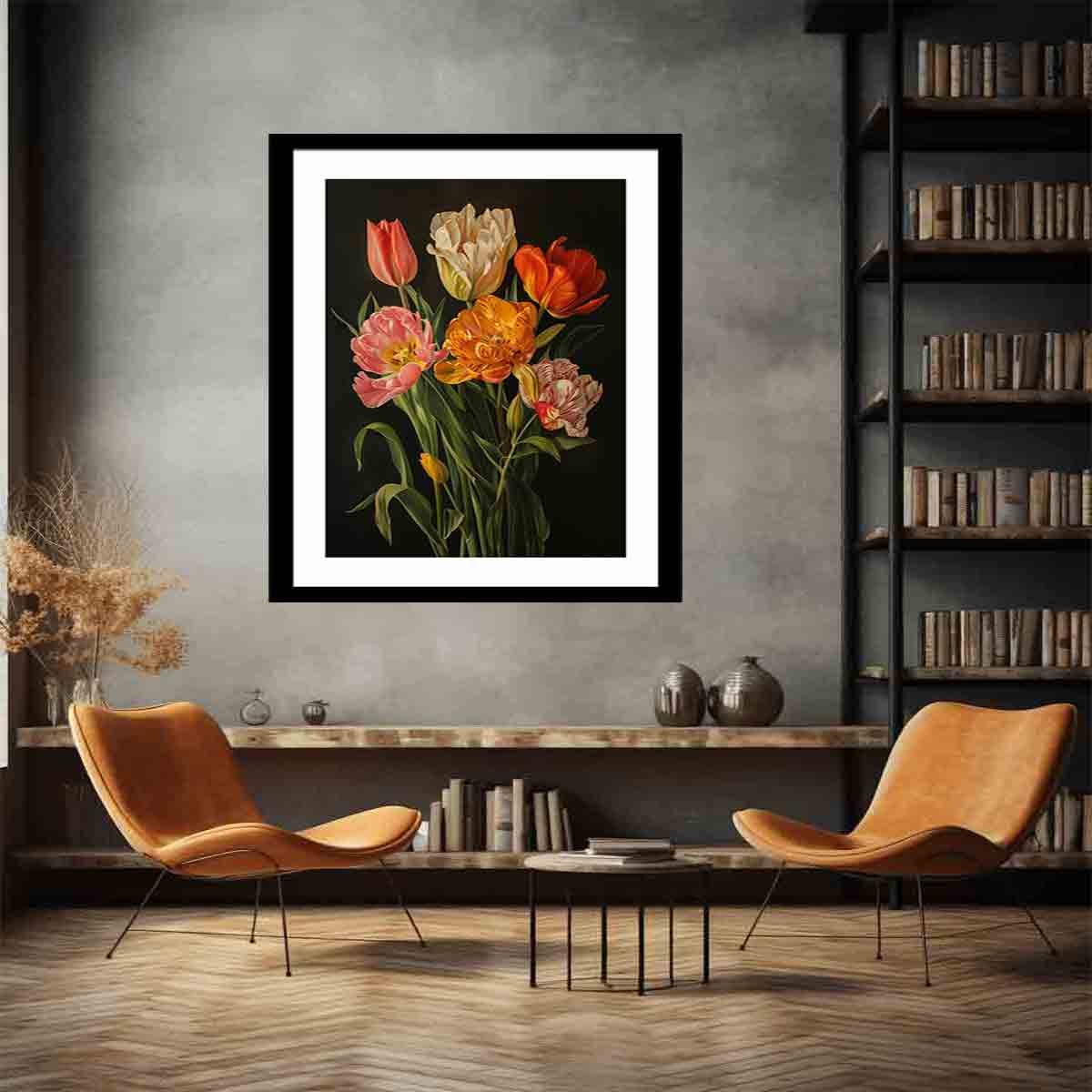
Velvet Tulips


Blooming Reverie


Azure Birch Grove


Misty Tide Forms


Quietly Suspended


Candlelit Serenity


Crimson Cellar Cat

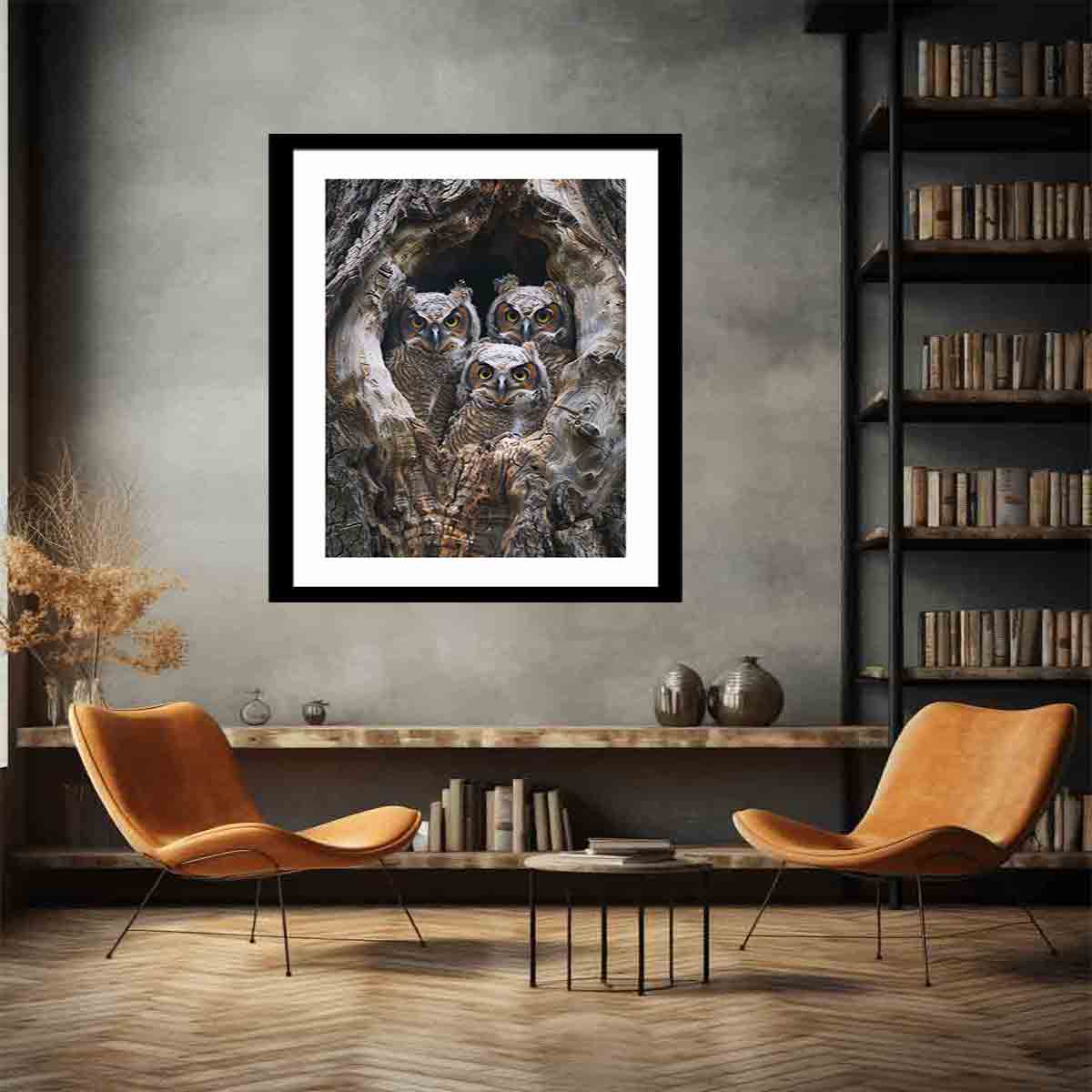
Forest Watchers


Stone Garden Passage


Golden Drift


Vintage Wine Muse

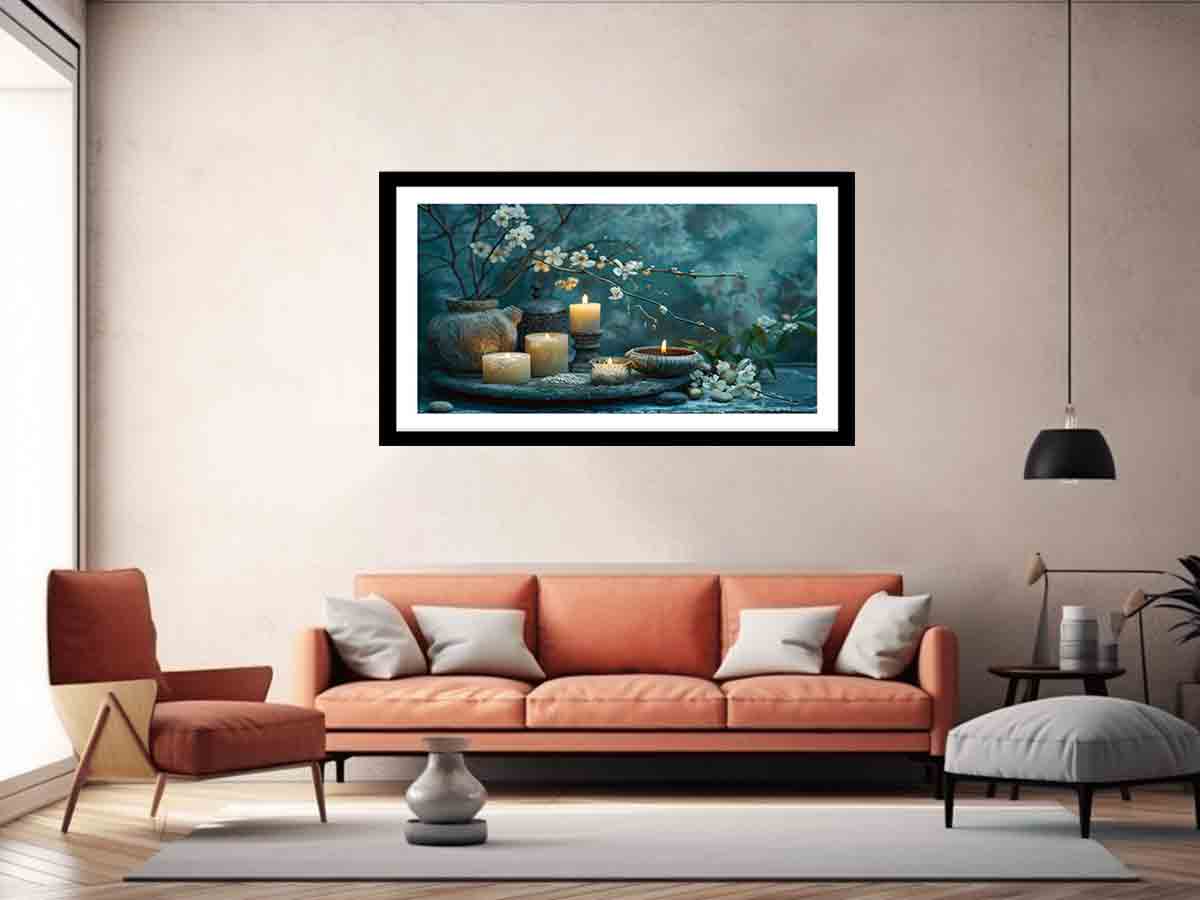
Tranquil Blossom Glow


Morning Conversations

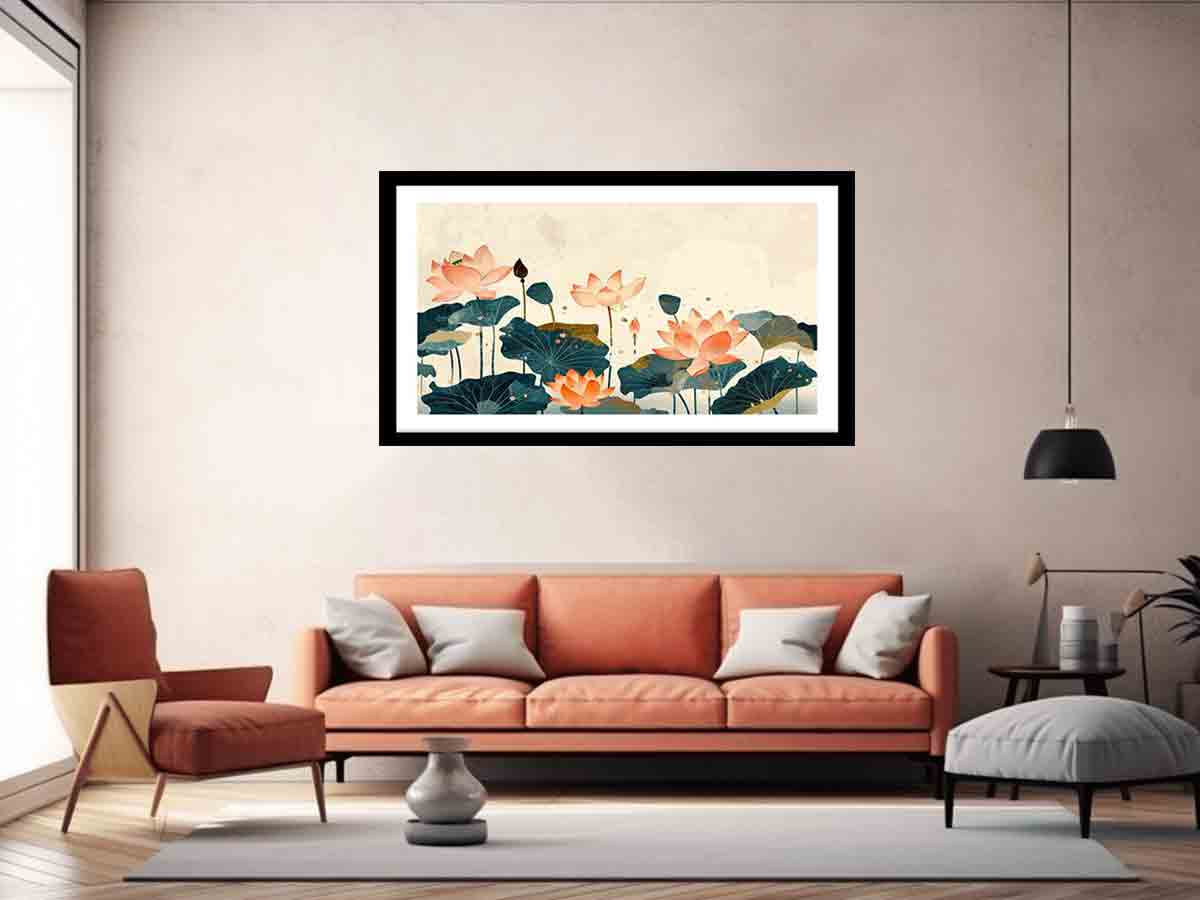
Lotus Serenity


Autumn Companions


Midnight Vintage Toast

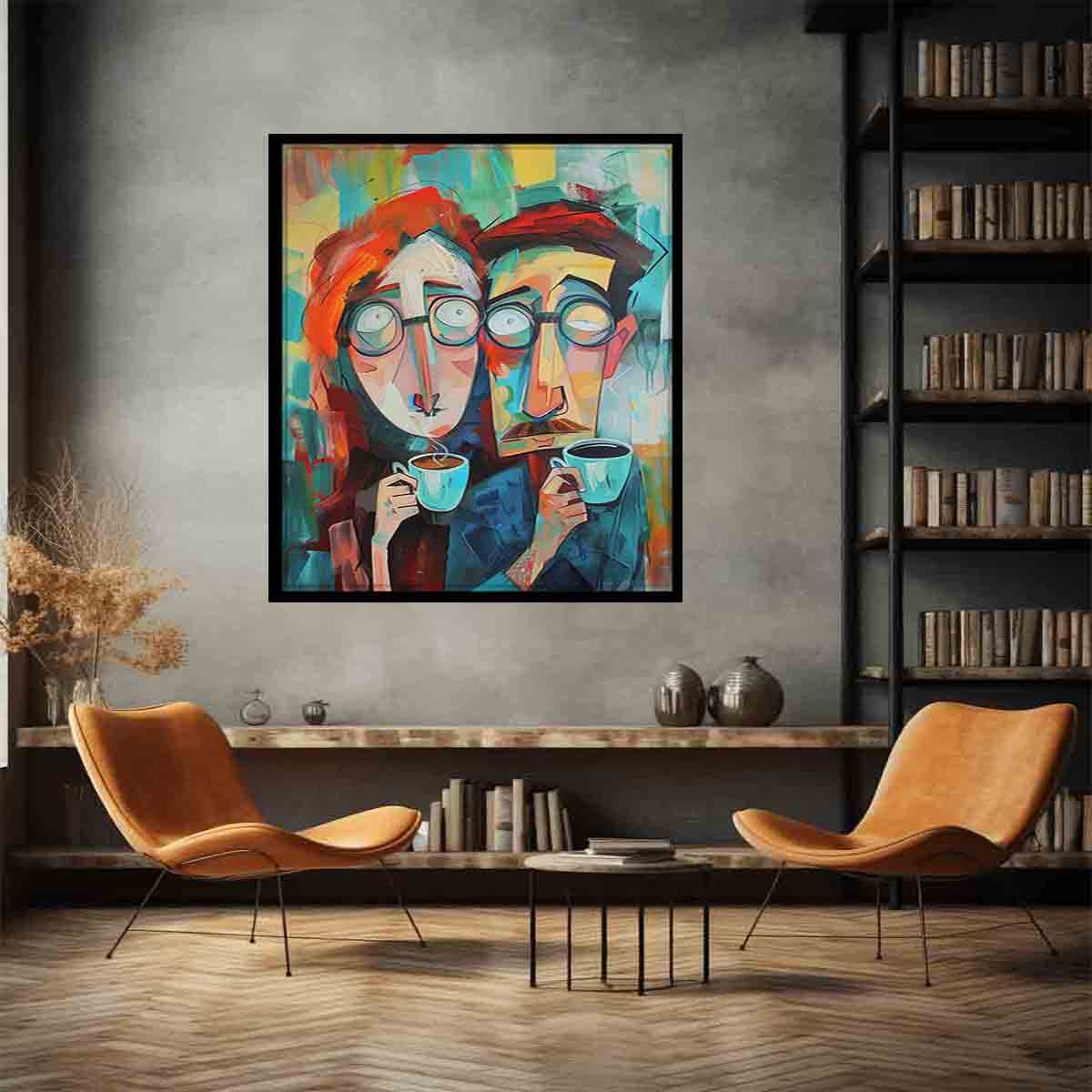
Café Conversations


Rustic Fox Trio


Curious Fox Trio

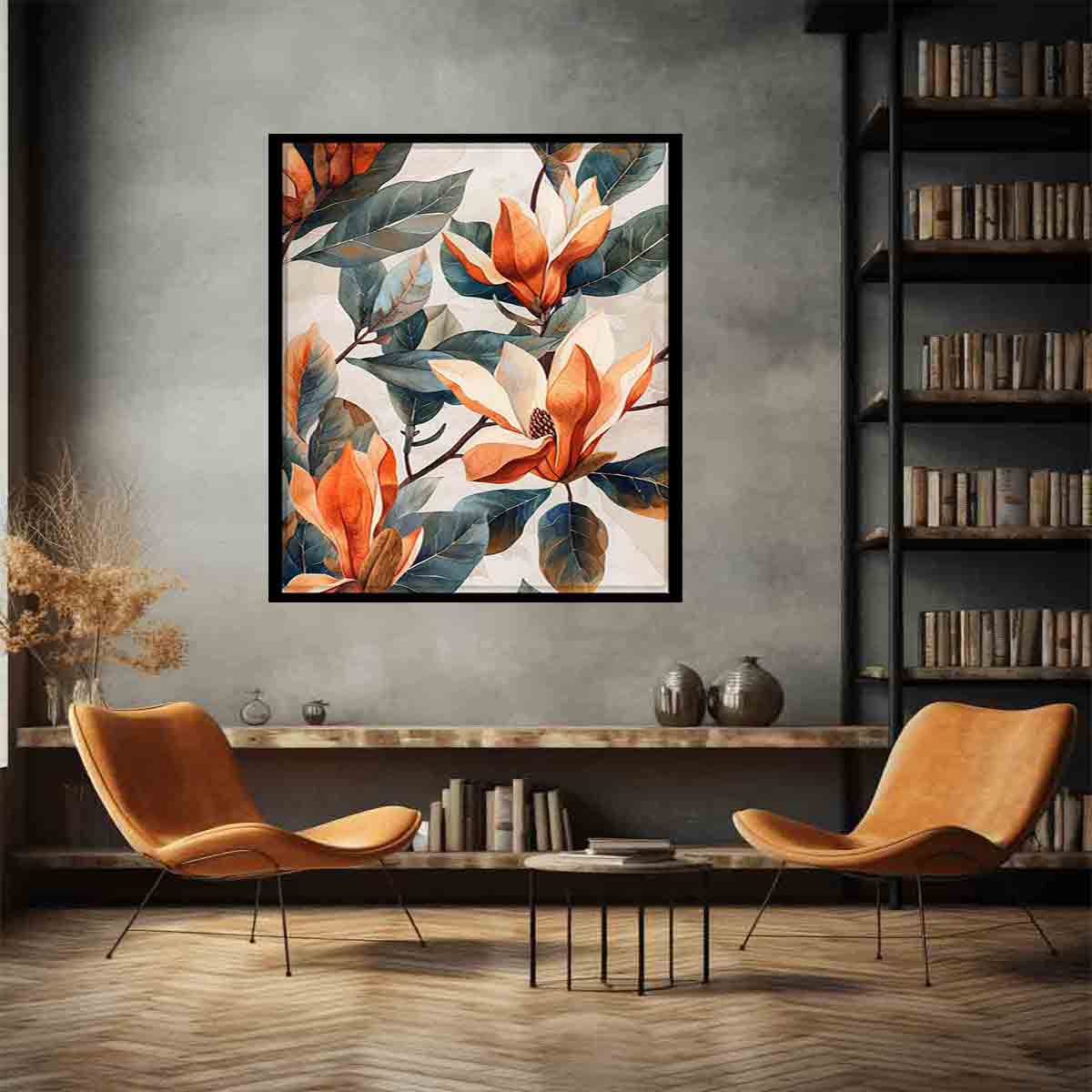
Autumn Magnolia


Fragment Theory


Prairie Relic

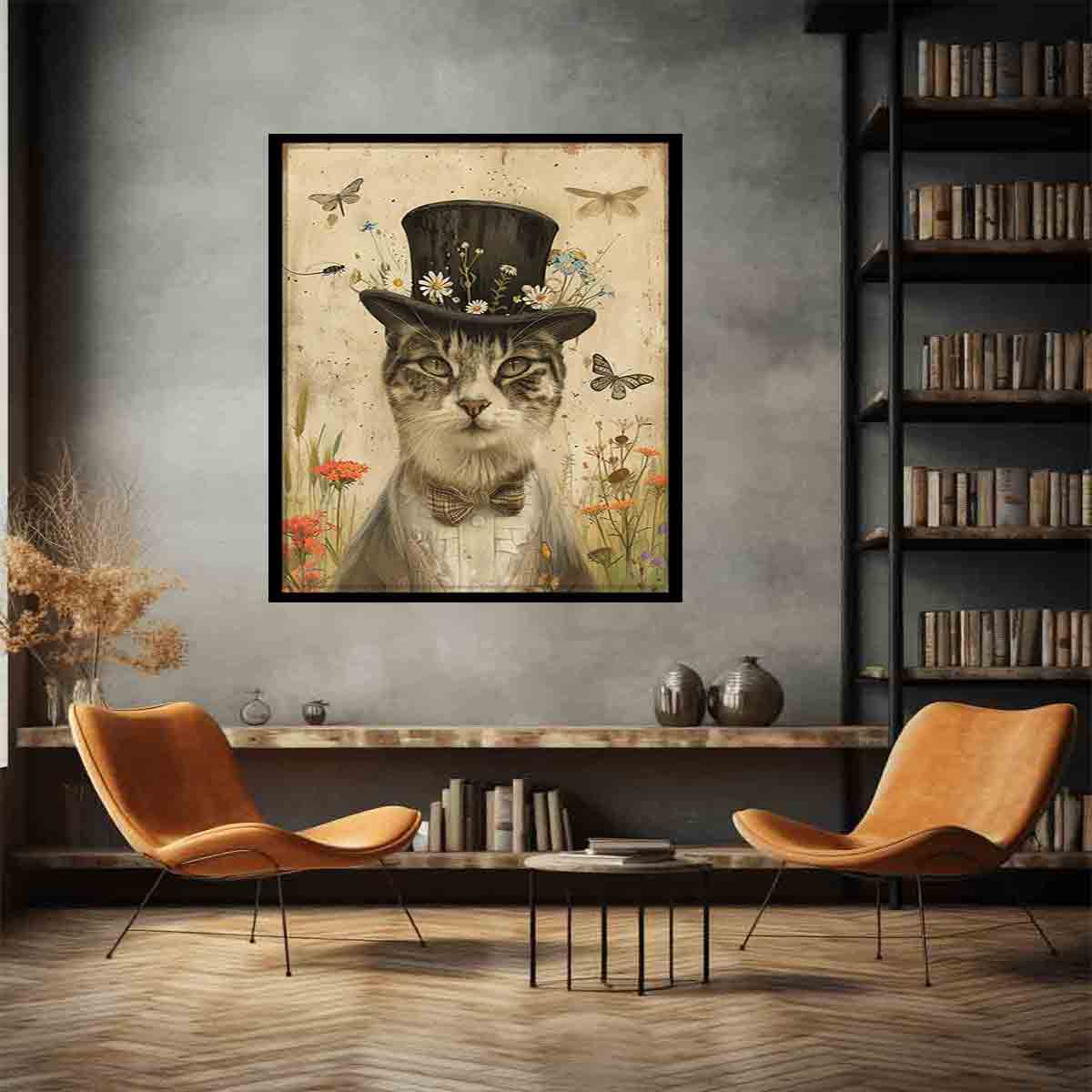
Whiskers & Wildflowers

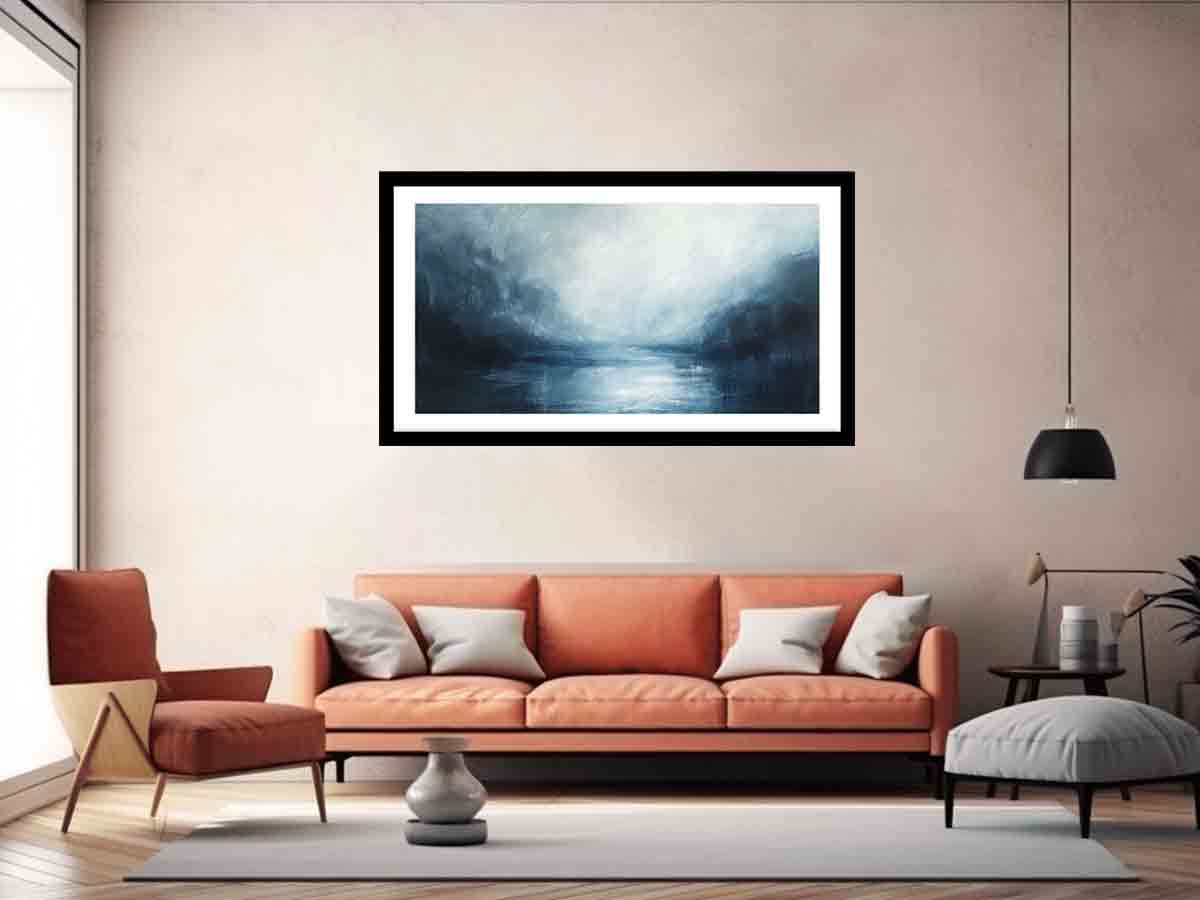
Blue Silence


Azure Octopus


Autumn Leaves


Botanical Hound


Garden Gentleman


Botanical Branch

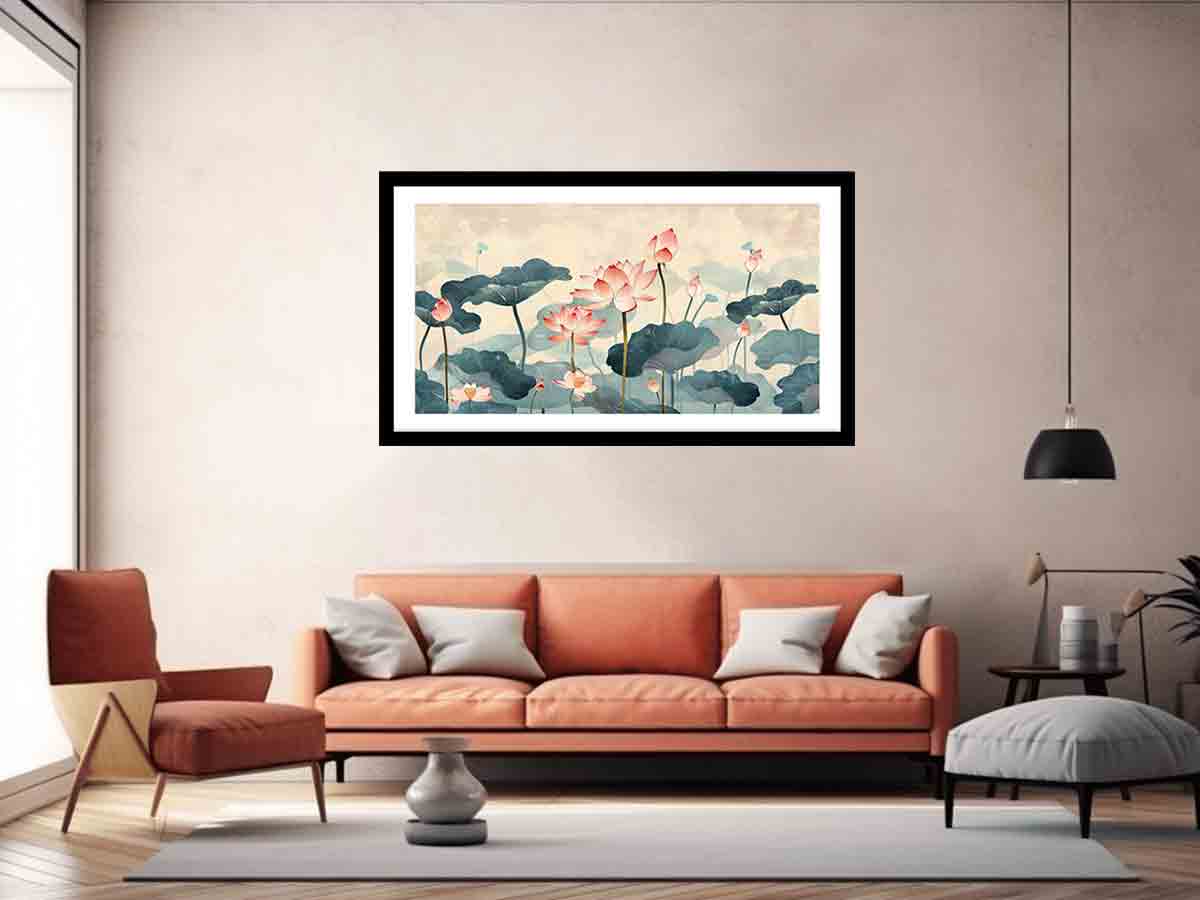
Blush Lotus Pond


Quiet Shore
Neutral Wall Art & Neutral Wall Decor
Create a calm, sophisticated interior with neutral wall art from Fame Art Gallery. Explore artwork in beige, cream, white, brown, soft earth tones and understated natural palettes, with styles ranging from abstract and minimalist compositions to landscapes, coastal scenes, botanical artwork and contemporary designs. Neutral artwork is especially versatile because it can complement existing furniture and color schemes without overpowering the room. Whether you are decorating a living room, bedroom, home office, dining area, hallway or open-concept space, choose the subject, size and presentation that give your walls the right balance of texture, warmth and visual interest.
Shop Neutral Wall Art for Modern Interiors
Neutral wall art can provide the visual connection between furniture, wall color, flooring and accessories. Instead of introducing a strong accent color, neutral artwork works with the colors already present in the room. Beige and cream can create warmth, white and soft gray can maintain an airy appearance, while brown and earthy tones can add depth and natural character.
Neutral does not have to mean plain. A neutral artwork can use texture, tonal variation, architectural shapes, landscapes, organic forms or subtle contrast to become a meaningful focal point while preserving a restrained color palette.
For a broader selection of artwork styles and formats, explore wall art prints.
What Is Neutral Wall Art?
Neutral wall art is artwork built primarily around understated colors such as beige, cream, white, ivory, taupe, tan, brown, soft gray and other muted earth tones. The palette can be warm, cool or mixed, depending on the artwork.
Neutral artwork can therefore cover many different visual styles. A minimalist beige abstract painting, a soft landscape, a coastal scene with sandy tones, a botanical composition or a contemporary tonal artwork can all create a neutral look while producing very different moods.
How to Choose Neutral Wall Art
1. Match the Undertones, Not Just the Color
Two neutral colors can look completely different depending on their undertones. Warm beige and cream generally work naturally with warm woods, tan upholstery and earthy finishes, while cooler gray-based neutrals can complement contemporary interiors with white, black, silver or cool gray elements.
Look at the undertones of your walls, flooring and major furniture before selecting artwork. The goal is visual harmony rather than an exact color match.
2. Decide How Much Contrast You Want
A neutral room can use artwork that is either subtle or strongly contrasted. Pale cream artwork against a light wall creates a soft layered appearance, while brown, charcoal or darker neutral elements can create a stronger focal point.
If your room already contains substantial visual contrast, softer neutral artwork can help balance it. If the room feels flat, choose artwork with stronger tonal variation, texture or composition.
3. Choose the Subject Carefully
The subject gives neutral artwork its personality. Landscapes can introduce nature and depth, abstract art can create a contemporary focal point, botanical designs can add organic character, and coastal artwork can reinforce a relaxed palette of sand, sky and natural tones.
4. Measure Before You Buy
Artwork should relate to the size of the wall and the furniture beneath it. Before ordering, measure the available wall and consider nearby doors, windows, lighting and furniture.
For artwork positioned above furniture, approximately 60–75% of the furniture width is a useful starting point for determining artwork scale. It is a design guideline rather than a rigid rule, so adjust it according to the specific wall and composition.
Use the wall art size guide for additional help choosing dimensions.
5. Choose the Presentation
The presentation can significantly change how neutral artwork feels in a room. Canvas can create a softer gallery-style appearance, while framed artwork gives the piece a more defined architectural edge. Rolled canvas can provide flexibility when you plan to arrange or frame the artwork separately.
Compare canvas prints and framed prints when deciding which presentation works with your interior.
Beige Wall Art
Beige wall art is one of the easiest ways to introduce warmth without creating a strong color contrast. Beige artwork can complement cream walls, natural wood, tan furniture, linen upholstery and other earthy finishes.
For a layered neutral interior, look for beige artwork with tonal variation rather than choosing a piece that is exactly the same shade as the wall. Subtle differences in color and texture help the artwork remain visible.
Cream & White Neutral Wall Art
Cream and white artwork can create a light, refined appearance, particularly in rooms with abundant natural light. Instead of relying on bold color, these pieces can create interest through composition, texture, shadows and tonal differences.
White and cream artwork can work especially well in minimalist, Scandinavian-inspired and contemporary interiors where visual simplicity is part of the overall design.
Brown & Earth Tone Wall Art
Brown, tan and earthy neutral artwork can bring warmth to modern interiors and pair naturally with wood furniture, leather, woven materials and other organic textures.
Earth-tone artwork is also useful when a predominantly white or cream room feels too cool. A composition containing brown, sand, taupe or muted natural tones can introduce depth while maintaining a neutral overall palette.
Neutral Abstract Wall Art
Neutral abstract wall art combines restrained color with shapes, lines, texture and composition. It is particularly useful when you want artwork to feel contemporary without introducing a bright accent color.
Neutral abstract artwork can work above a sofa, bed, console or desk and can be scaled from a relatively subtle accent to a large statement composition.
Explore abstract art for additional compositions that can complement a neutral interior.
Neutral Minimalist Wall Art
Minimalist interiors often benefit from artwork that maintains visual simplicity. Neutral minimalist art can use restrained palettes, open space, geometric forms, organic shapes or understated compositions to complement the architecture rather than compete with it.
When styling a minimalist room, avoid choosing artwork simply because it is neutral. Consider the composition, proportions and amount of visual detail so the artwork contributes to the room rather than disappearing into it.
Neutral Landscape Wall Art
Neutral landscape artwork can introduce scenery and depth while preserving a calm color palette. Desert landscapes, mountains, forests, sandy coastlines and atmospheric natural scenes can all work particularly well when a room needs visual interest without strong color.
Explore landscape wall art for nature-inspired options.
Neutral Coastal Wall Art
Coastal interiors do not always need bright blue artwork. Neutral coastal wall art can focus on sand, stone, soft skies, pale water, natural textures and understated shoreline scenes.
This approach works particularly well in interiors using linen, rattan, light timber, white furniture and other natural materials. Explore coastal art for additional relaxed compositions.
Neutral Botanical & Nature Wall Art
Botanical artwork can soften a neutral interior by introducing organic forms without relying on strong colors. Leaves, branches, flowers and natural textures can create a connection with nature while maintaining a restrained palette.
Explore botanical art and floral wall art for additional nature-inspired directions.
Neutral Wall Art for the Living Room
In the living room, neutral artwork can create a focal point above a sofa, sectional, console or fireplace while allowing the furniture and architecture to remain visually prominent.
Large neutral landscapes, panoramic artwork and abstract compositions are particularly useful on wide living-room walls. If your sofa or sectional is the dominant piece of furniture, choose artwork with enough scale to feel connected to it rather than selecting a small piece that appears isolated.
Explore living room wall art for additional room-specific choices.
Neutral Wall Art for the Bedroom
Neutral artwork can create a calm visual layer in bedrooms, particularly when paired with cream bedding, natural wood, soft textiles and understated furnishings.
Consider a large neutral composition above the bed, a pair of coordinated pieces on either side of the room or a smaller artwork arrangement on an adjacent wall. Keep the overall palette consistent without requiring every element to be exactly the same shade.
Browse bedroom wall art for additional bedroom-focused artwork.
Neutral Wall Art for a Home Office
Neutral art can help create a visually composed home office without introducing distracting colors. Abstract, landscape, botanical and minimalist compositions can work behind a desk, beside a workspace or on a wall visible during video calls.
Explore office wall art for additional options.
Neutral Wall Art for the Dining Room
In a dining room, neutral artwork can complement wood tables, upholstered chairs, sideboards and warm lighting. Landscapes, abstract compositions, botanical artwork and tonal still-life designs can create a refined backdrop without competing with the dining setting.
Explore dining room wall art for additional dining-space ideas.
Large Neutral Wall Art
Large neutral wall art can transform an empty wall while maintaining a restrained visual palette. One oversized piece can create a clear focal point, while a panoramic composition can emphasize the width of a room.
Large artwork is especially useful above sofas, sectionals, beds, sideboards and other substantial furniture. The artwork should be large enough to relate visually to the furniture without overwhelming the surrounding architecture.
Explore large wall art for oversized compositions.
Small Neutral Wall Art
Smaller neutral artwork can work well in bedrooms, hallways, compact rooms, narrow walls and curated gallery arrangements. Because neutral colors are visually restrained, several coordinated pieces can be combined without creating the same level of color competition that a collection of highly saturated artwork might produce.
Explore small wall art for more compact options.
Panoramic Neutral Wall Art
Panoramic neutral wall art is particularly effective on long horizontal walls above sofas, beds, sideboards and dining furniture. Landscape and coastal compositions naturally suit this format, but abstract and contemporary designs can also use panoramic proportions effectively.
Explore panoramic wall art when you need greater horizontal coverage.
How to Style Neutral Wall Decor
- Layer warm neutrals: Combine beige, cream, tan and natural wood for a warm, relaxed interior.
- Add darker contrast: Use brown, charcoal or black frames and furnishings to give pale artwork more definition.
- Use texture: Combine textured artwork with linen, wool, wood, stone or woven materials.
- Repeat one tone: Pick one neutral color from the artwork and repeat it subtly through cushions, rugs or accessories.
- Create tonal layering: Avoid making every surface the exact same shade. Small variations help the room feel more dimensional.
- Use scale deliberately: A large neutral artwork can become a strong focal point even when its colors remain understated.
Neutral Wall Art for White Walls
Neutral artwork can work beautifully on white walls, but contrast is important. If the artwork is also extremely pale, it may visually blend into the wall. Look for beige, taupe, brown, gray, darker linework or noticeable tonal variation when you want the artwork to stand out.
For a softer gallery-style effect, closely related whites and creams can be layered intentionally with differences in texture and composition.
Neutral Wall Art for Beige Walls
When your walls are beige, choose artwork that either introduces a slightly different neutral tone or provides enough contrast to define the composition. Brown, charcoal, cream, soft gray and muted landscape colors can all provide different levels of contrast.
Avoid assuming that matching beige exactly is the safest option. Artwork usually benefits from enough tonal difference to remain visually distinct from the wall.
Neutral Wall Art for Gray Interiors
Gray interiors can be styled with both warm and cool neutral artwork. Warm beige, cream and brown can soften a cooler gray room, while gray, white and charcoal artwork can reinforce a contemporary palette.
Consider the undertone of the gray before choosing the artwork so the combination feels intentional rather than accidentally mismatched.
Neutral Wall Art With Black Frames
Black frames can give neutral artwork a stronger visual boundary and work especially well in modern and contemporary interiors. They can also repeat black details already present in lighting, furniture, hardware or architectural elements.
If the room is softer and warmer, a natural or brown-toned presentation may create a gentler transition than a high-contrast black frame.
Neutral Wall Art With Natural Wood
Natural wood and neutral artwork create a naturally warm combination. Beige, cream, tan, brown and earthy artwork can reinforce the organic qualities of timber furniture and other natural materials.
This combination can work particularly well in contemporary, Scandinavian-inspired, farmhouse and relaxed coastal interiors.
How High Should Neutral Wall Art Be Hung?
Artwork placement matters just as much as the artwork itself. As a general reference, artwork is often positioned around eye level, while artwork above furniture should remain visually connected to the furniture below it.
For artwork above sofas, beds, consoles or sideboards, consider the furniture height, ceiling height, artwork dimensions and viewing distance rather than relying on one measurement for every situation.
Read the wall art placement guide for more detailed guidance.
Neutral Wall Art for Different Interior Styles
Modern Neutral Wall Art
Choose abstract compositions, clean forms, tonal artwork and contemporary designs that complement modern furniture and architectural lines.
Minimalist Neutral Wall Art
Look for restrained compositions, simple forms and limited palettes that reinforce the uncluttered character of minimalist spaces.
Farmhouse Neutral Wall Art
Earth tones, landscapes, botanical subjects and natural textures can complement farmhouse interiors without relying on overly bright colors.
Scandinavian Neutral Wall Art
Soft beige, cream, white, gray and natural tones work naturally with light woods, simple furnishings and the restrained palette associated with Scandinavian-inspired interiors.
Contemporary Neutral Wall Art
Use large-scale abstracts, tonal compositions and sophisticated neutral combinations when you want artwork that feels current while remaining versatile.
Explore modern art for additional contemporary directions.
Common Neutral Wall Art Mistakes
- Choosing artwork that is too similar in tone to the wall and therefore disappears.
- Using artwork that is too small for the furniture or wall.
- Matching every neutral shade exactly instead of creating tonal variation.
- Ignoring warm and cool undertones when combining colors.
- Using too many visually similar pieces without enough variation in subject, texture or scale.
- Choosing artwork solely because it is neutral rather than considering whether the subject suits the room.
Neutral Wall Art FAQs
What colors are considered neutral for wall art?
Common neutral colors include beige, cream, ivory, white, taupe, tan, brown and many soft gray and earth-tone shades. Neutral artwork can be warm or cool depending on its undertones and overall palette.
Is neutral wall art good for modern homes?
Yes. Neutral artwork works particularly well with modern interiors because it can complement clean architectural lines and contemporary furniture without introducing an overly dominant accent color.
What color frame looks best with neutral wall art?
Black, white, natural wood and brown frames can all work with neutral artwork. Choose the frame based on the room's existing materials, contrast level and overall interior style.
Does neutral wall art work with beige walls?
Yes. Beige walls can pair well with neutral artwork, but the artwork should usually contain enough tonal variation to remain visible. Cream, brown, taupe, gray and earthy compositions can create different levels of contrast.
Can neutral wall art work in a living room?
Yes. Neutral artwork can be used above sofas, sectionals, consoles and feature walls. Large abstracts, landscapes, coastal scenes and panoramic artwork are especially useful when you want a substantial focal point without bright colors.
Is neutral wall art suitable for a bedroom?
Yes. Neutral artwork can complement calm bedroom palettes and work above beds, on side walls or as part of a coordinated gallery arrangement. Beige, cream, soft landscapes and understated abstracts are versatile choices.
What size neutral wall art should I buy?
Start by measuring the wall and the furniture below it. For artwork above furniture, approximately 60–75% of the furniture width is a useful starting point, but the ideal size depends on the specific wall and composition.
How do I make neutral wall art stand out?
Use tonal contrast, texture, a darker frame, stronger composition or a larger scale. Neutral artwork does not need bright colors to become a focal point; differences in shade, texture and proportion can create visual impact.
Find Neutral Wall Art for Your Space
Neutral wall art can create a sophisticated foundation for an interior while leaving room for furniture, textiles, lighting and architectural details to shape the overall look. Explore beige, cream, white, brown, earth-tone, abstract, minimalist, landscape, coastal and botanical artwork, then choose the size and presentation that best suit your wall.
Shop Neutral Wall Art at Fame Art Gallery and discover artwork designed to bring balance, warmth and understated visual character to your space.