Post-Impressionism Art & Paintings | Post-Impressionist Wall Art | Fame Art Gallery


Sample


Van Gogh Sunflowers


Golden Night Companion

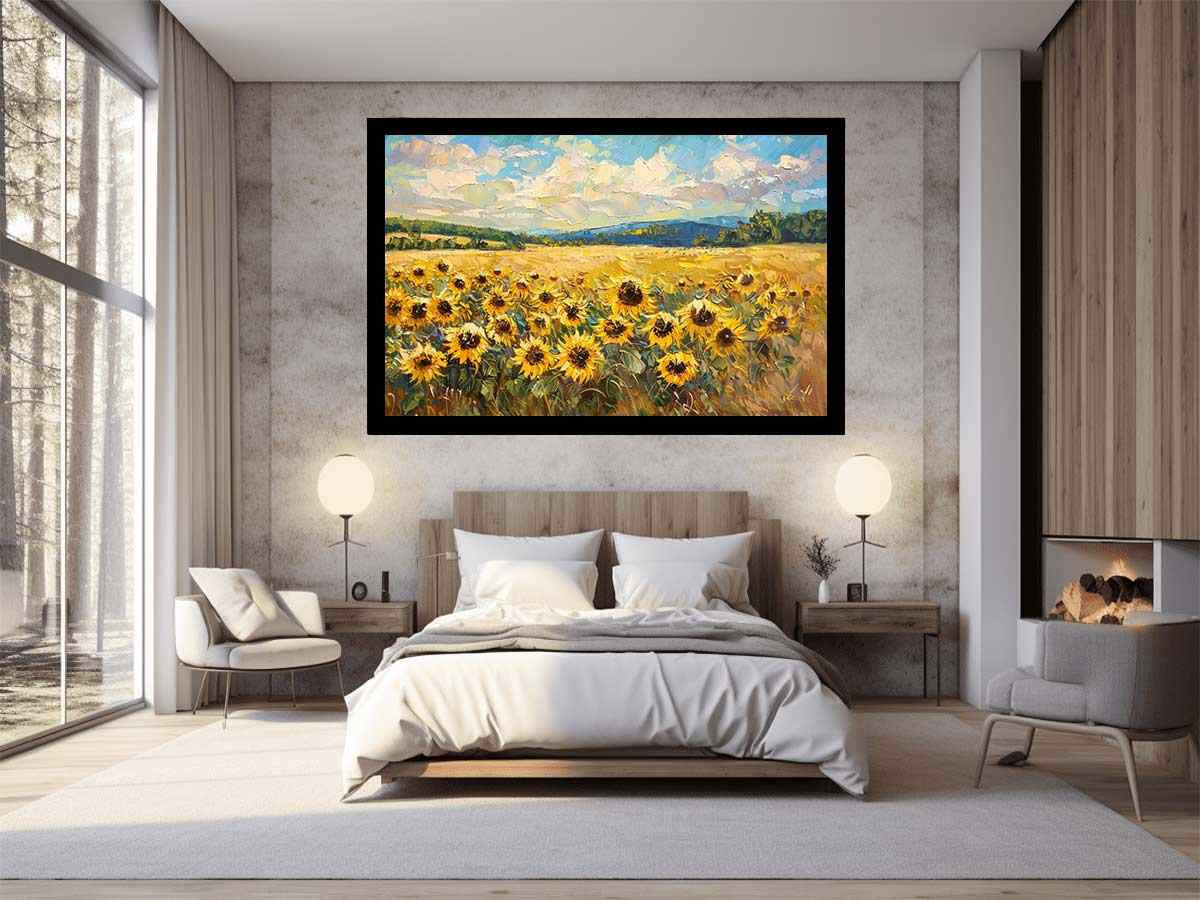
Golden Sunfield


Cafe Terrace at Night Painting By Vincent Van Gogh


Desert Moon Serenade
Golden Night Companion


Wildflowers by Van Gogh

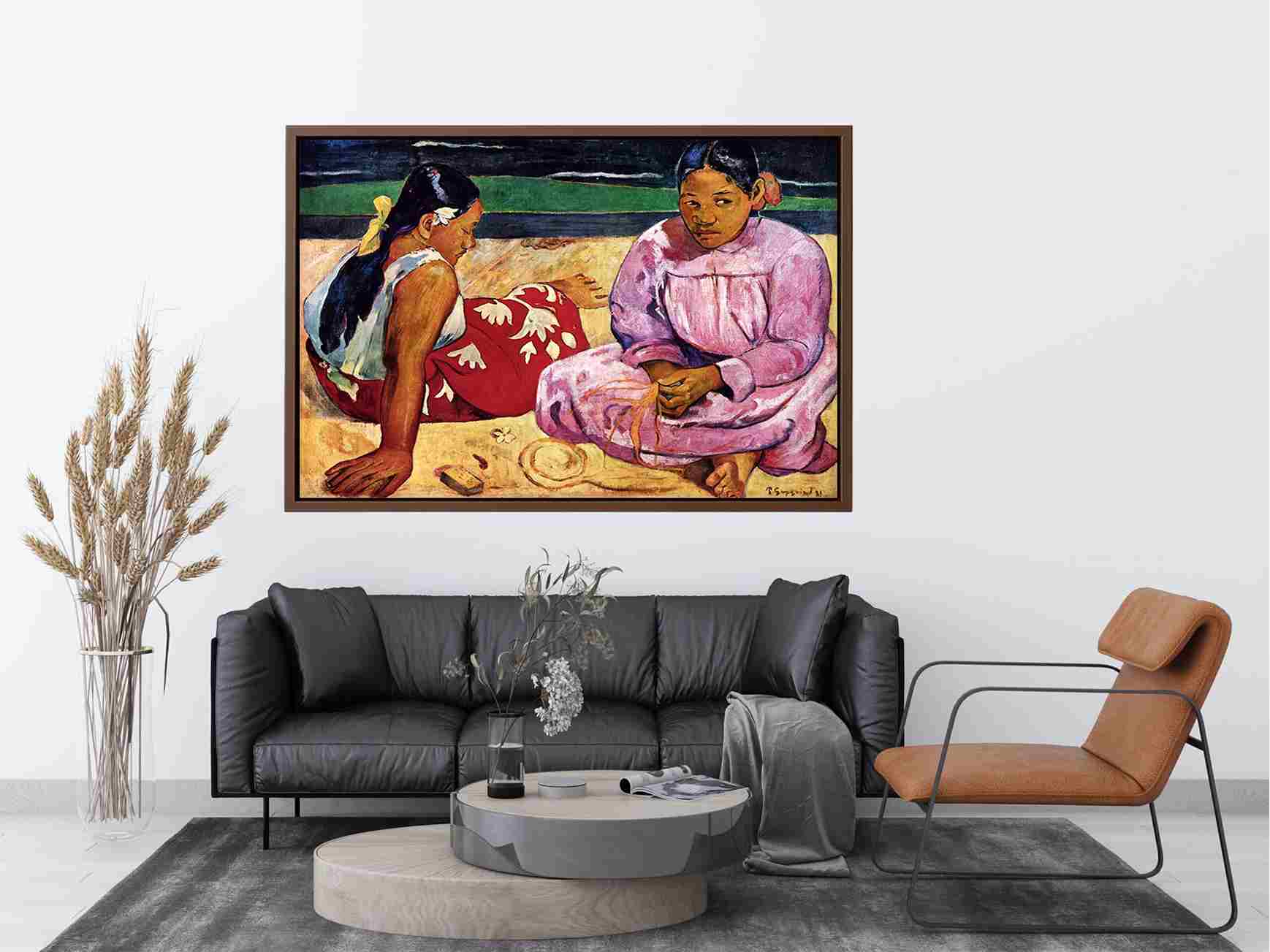
Tahitian Women On the Beach by Paul Gauguin


Hamsa Damayanthi by Raja Ravi Varma

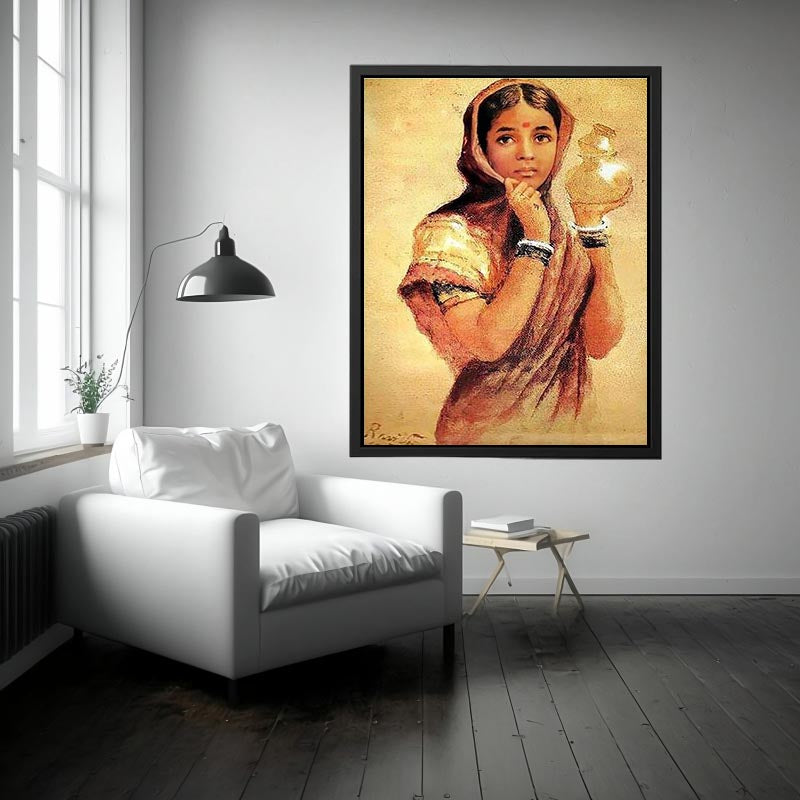
The Milkmaid by Raja Ravi Varma


Hip Hip Hurrah Artists Party at Skagen by Peder Severin Kroyer


The Church at Auvers-sur-Oise

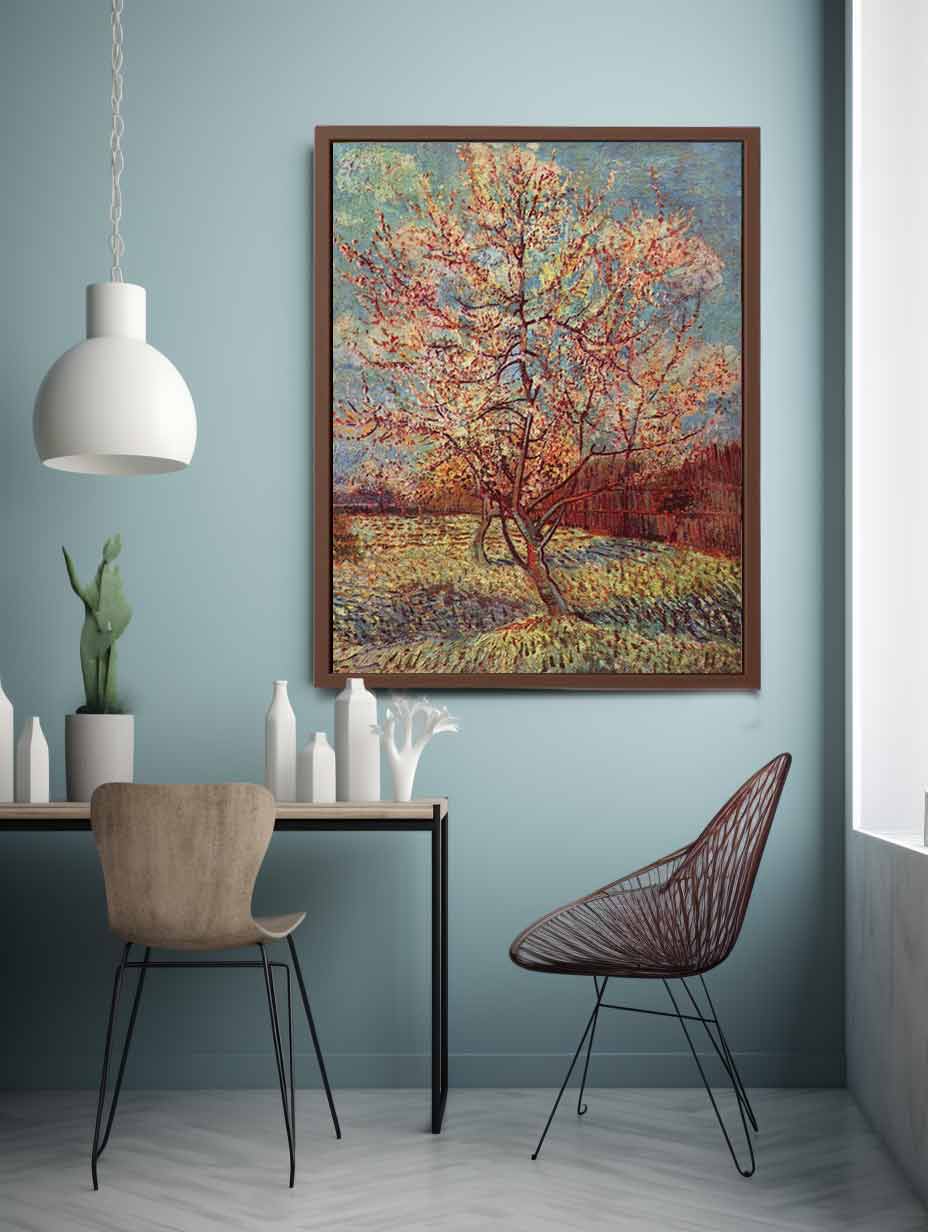
Peach Tree in Blossom / Flowering Peach Tree


Autumn Landscape


Head of a skeleton with a burning cigarette,

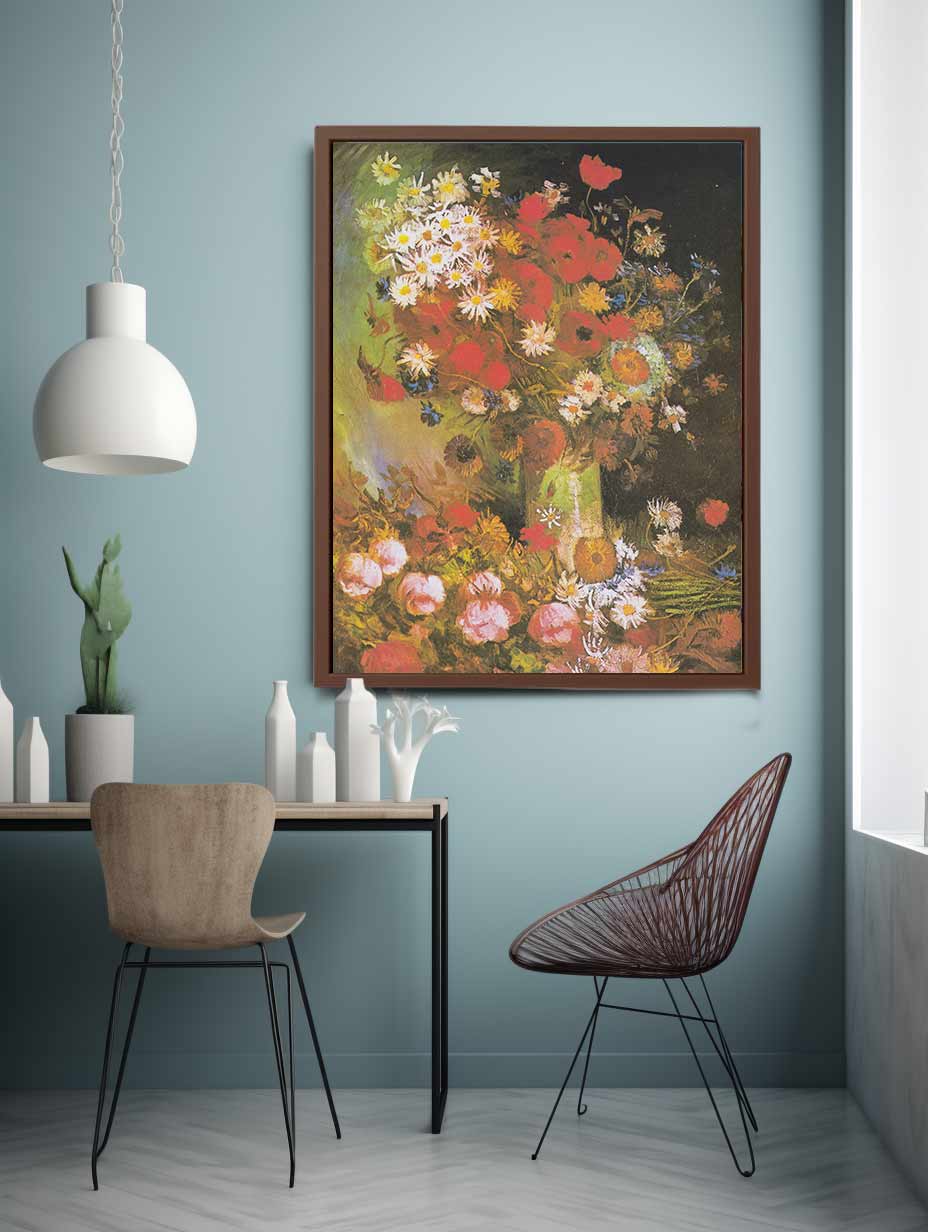
Vase with cornflowers and poppies, peonies and chrysanthemums


Vincent van Gogh - Road with Cypress and Star


Autumn landscape / Autumn Landscape with Four Trees


The Church at Auvers-sur-Oise


Peach Tree in Blossom


Poplars in autumn

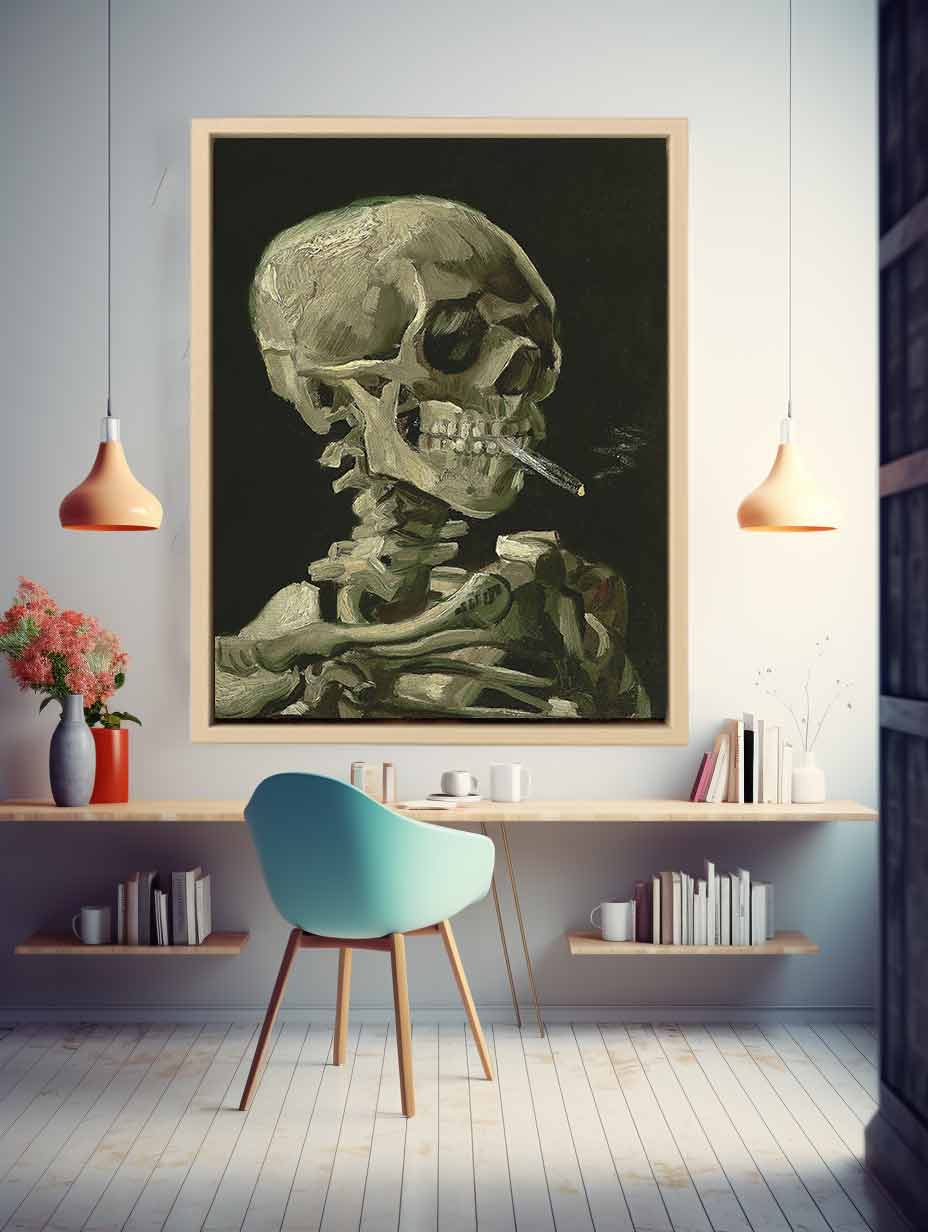
Head of a skeleton with a burning cigarette


Wheat Field with Cypresses by Vincent Van Gogh


Vase with cornflowers and poppies, peonies and chrysanthemums


The Red Vineyard / Red Vineyard at Arles (Montmajour)


Wheatfield with crows


Olive Trees / Olive Trees with yellow sky and sun

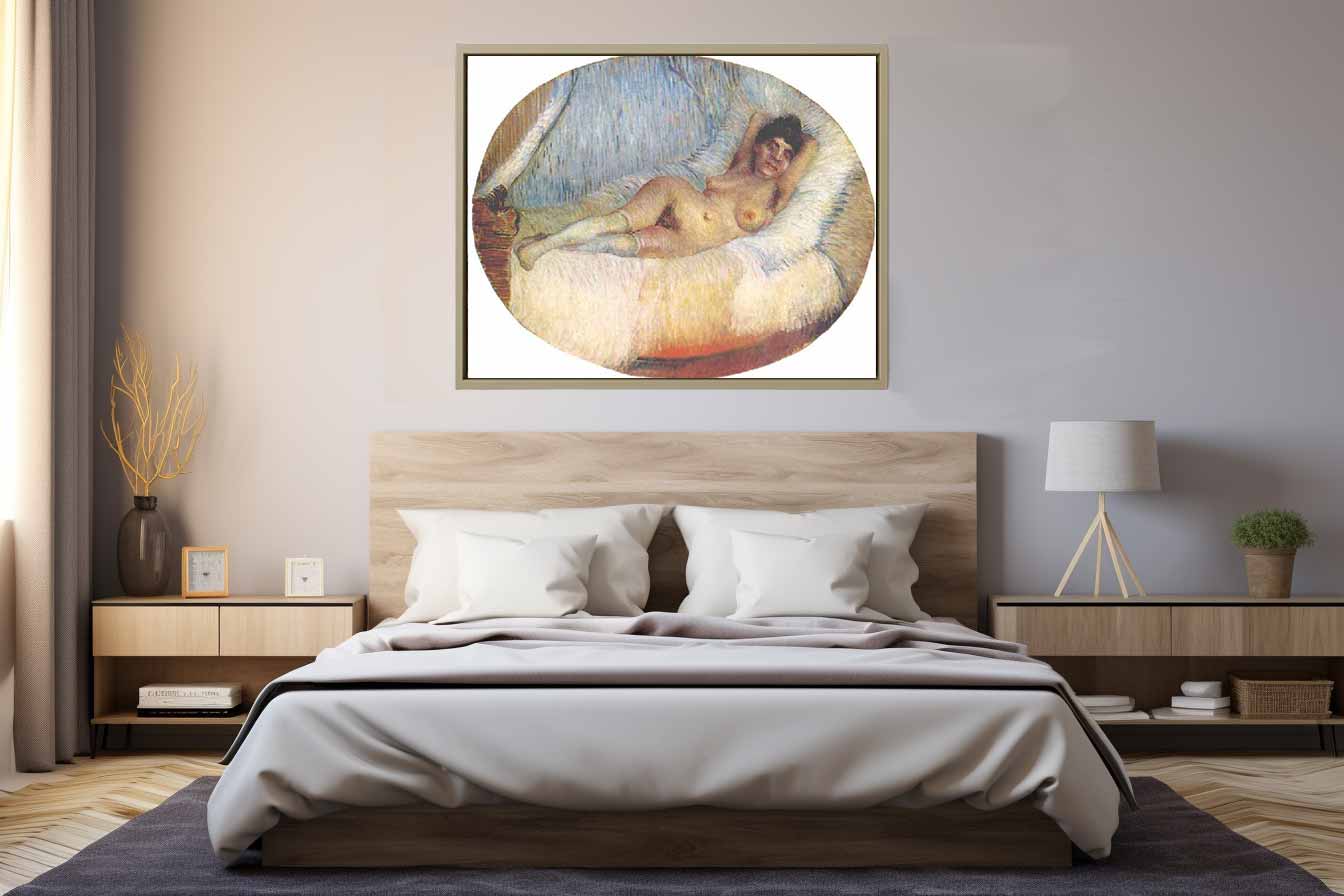
Nude Women on bed by Van Gogh

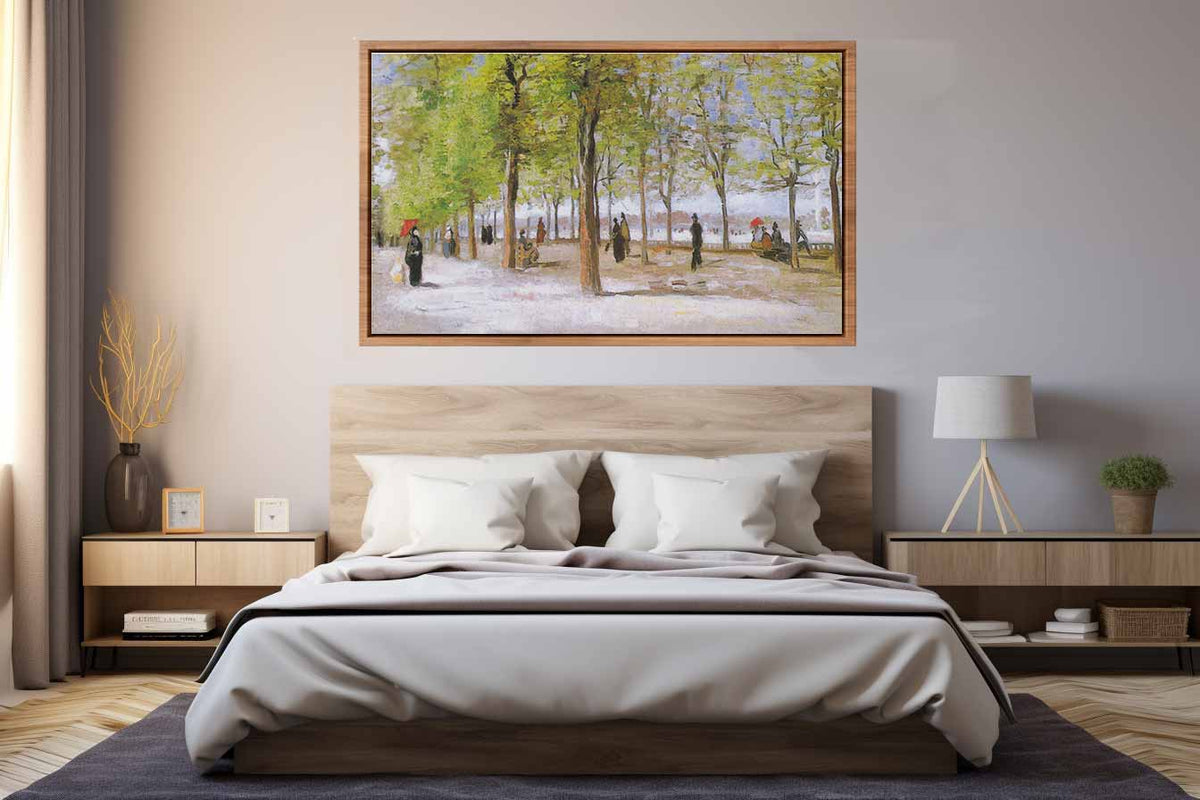
Terrace in the Luxembourg Gardens


Cows Painting


Mulberry Tree by Van Gogh

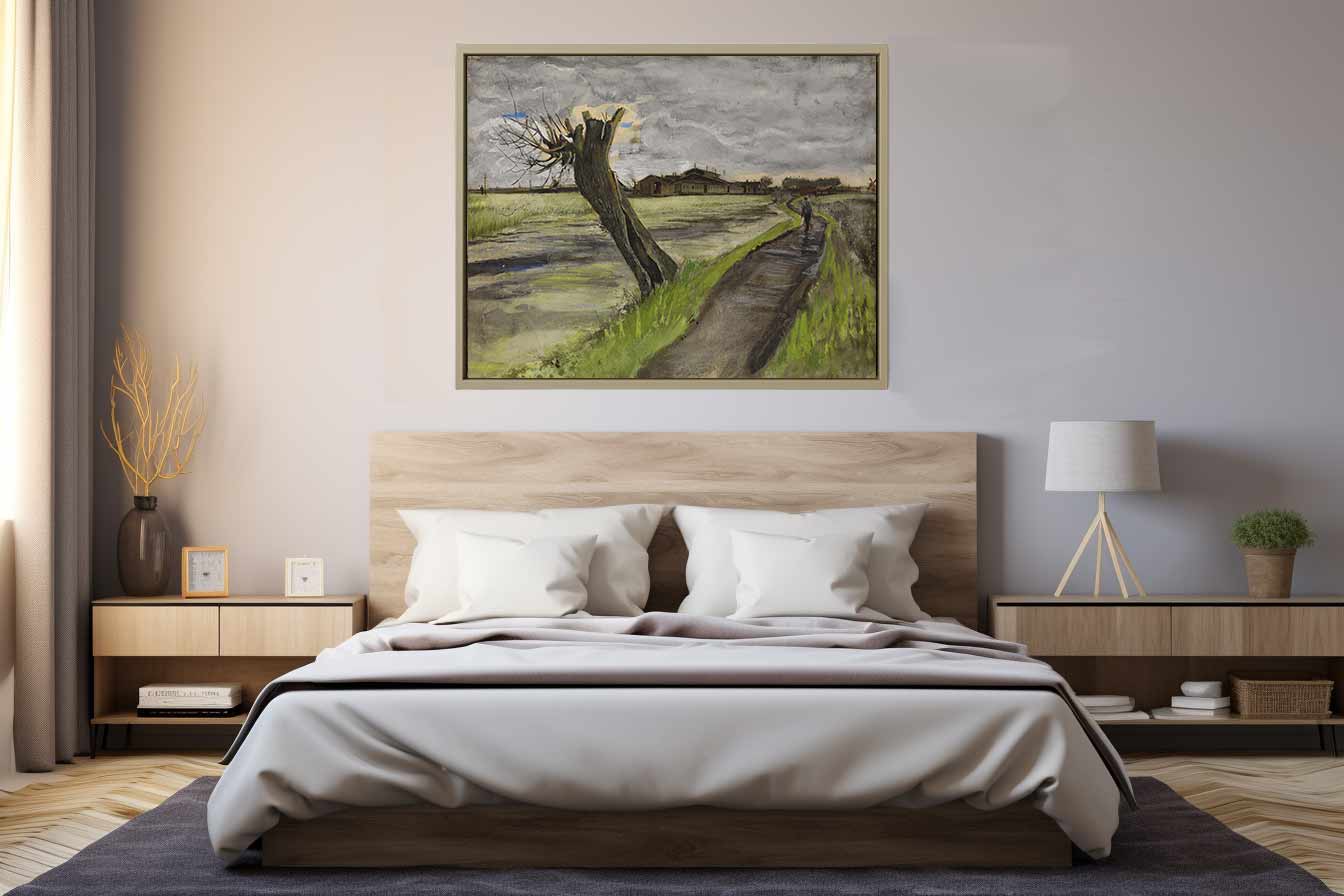
Pollard Willow By Van Gogh

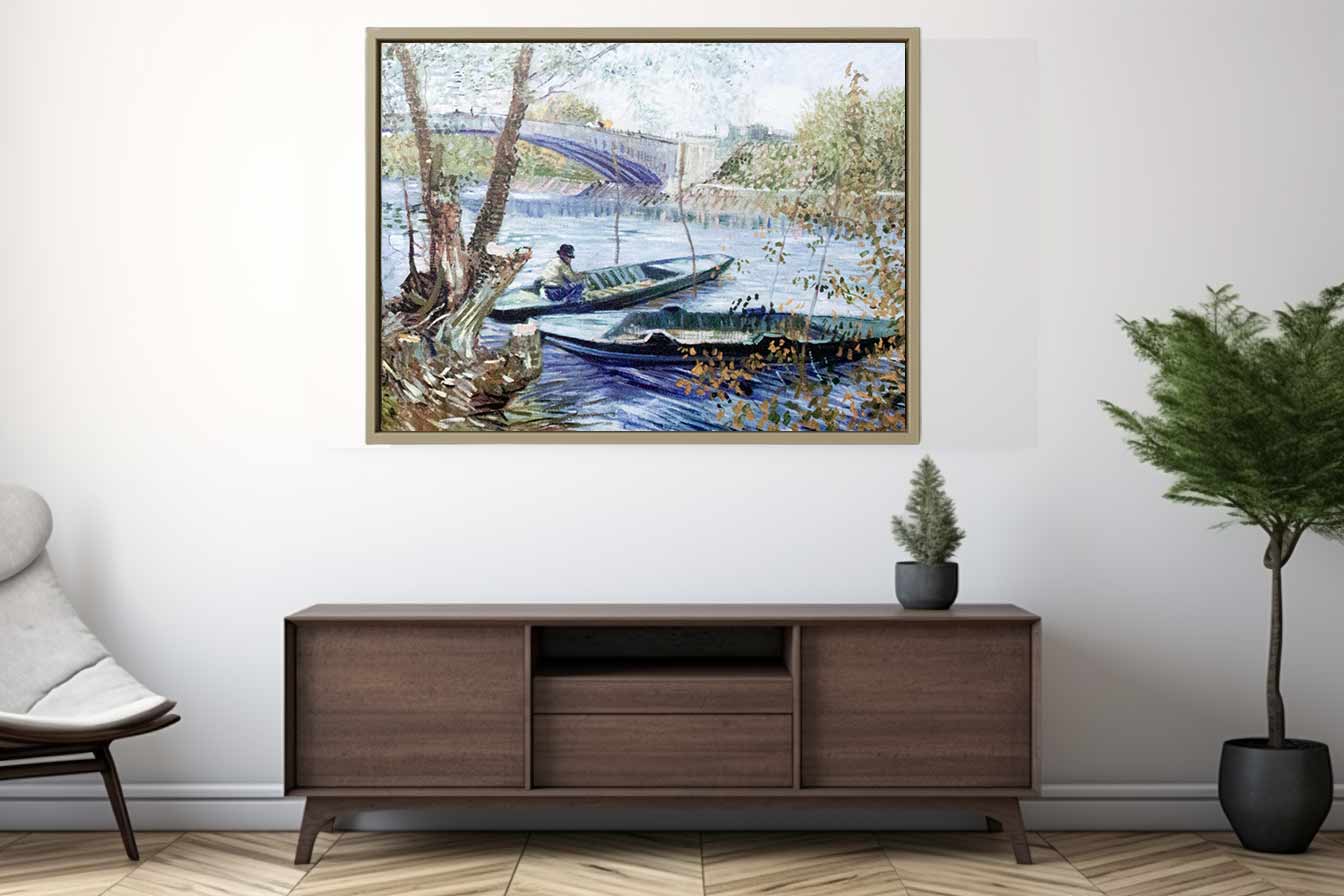
Fishing in Spring


He Fish Drying Barn


Fishing Boats at Saintes-Maries


The Yellow House By Van Gogh


Vessenots In Auvers By Van Gogh


Girl in the Woods

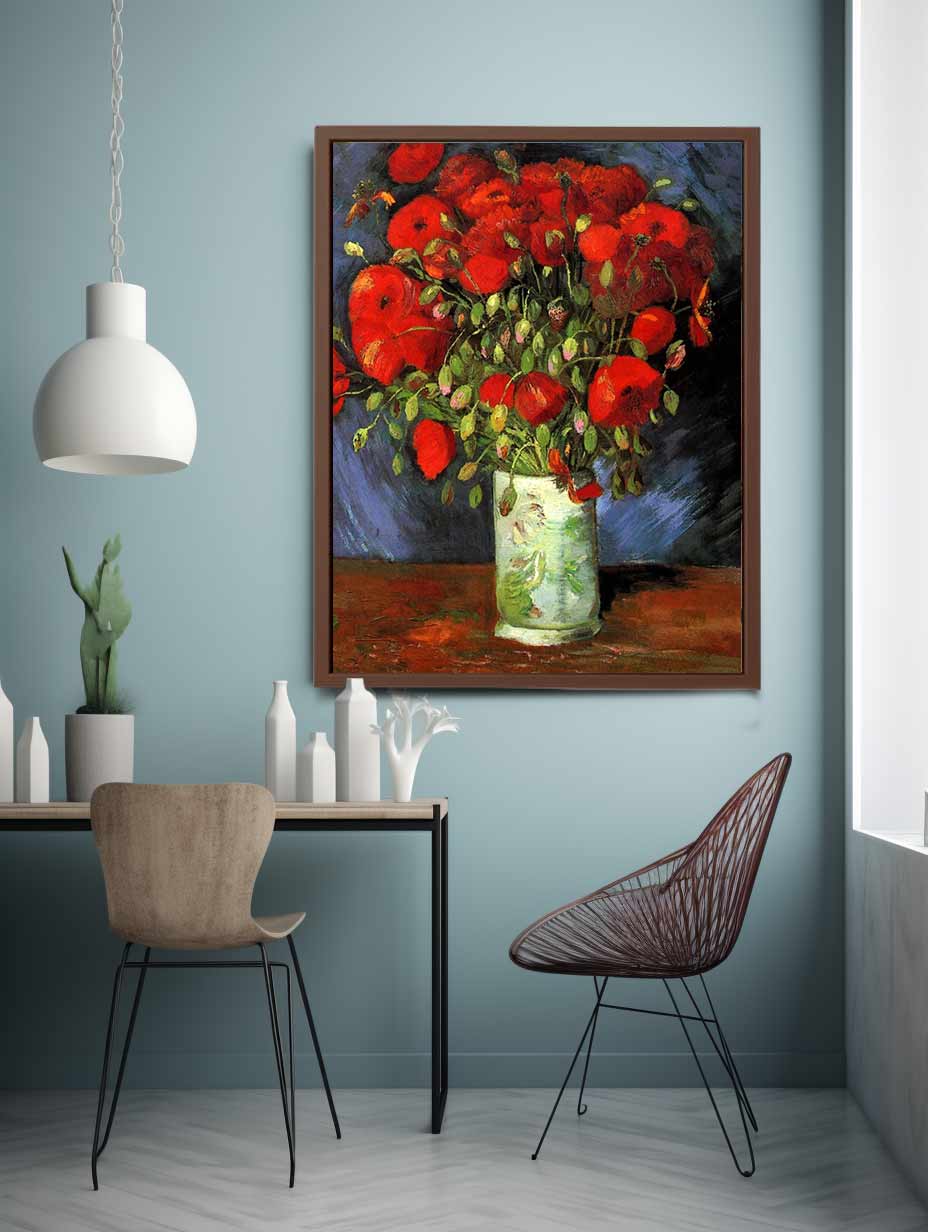
Vase with Red Poppies
Post-Impressionism Art & Paintings
Discover Post-Impressionism Art at Fame Art Gallery, featuring expressive colour, distinctive brushwork, simplified forms, emotional intensity and innovative approaches to composition. Post-Impressionism describes a diverse group of artists who developed new approaches beyond Impressionism during the late nineteenth century, placing greater emphasis on personal expression, structure, symbolism and the possibilities of colour. Explore Post-Impressionist-inspired wall art for living rooms, bedrooms, dining rooms, home offices, hallways, gallery walls and contemporary Australian interiors.
Shop Post-Impressionism Art
Post-Impressionism refers to a broad artistic development that emerged after and partly in response to Impressionism during the late nineteenth century.
Rather than forming a single unified style, Post-Impressionist artists explored different approaches to colour, line, structure, symbolism, emotion and personal expression.
Shop Post-Impressionism Art to explore the collection.
What Is Post-Impressionism?
Post-Impressionism is a term used to describe several artists and artistic approaches that developed from the foundations of Impressionism while moving in new directions.
Post-Impressionist artists often retained an interest in colour and visible brushwork but placed greater emphasis on individual artistic vision, underlying structure, symbolic meaning and expressive form.
The movement played an important role in the transition from nineteenth-century painting toward many developments in modern art.
Who Were the Famous Post-Impressionist Artists?
Several major artists are strongly associated with Post-Impressionism, including Vincent van Gogh, Paul Cézanne, Paul Gauguin, Georges Seurat and Henri de Toulouse-Lautrec.
These artists did not share one single visual style. Their work demonstrates the diversity of approaches that can be described as Post-Impressionist.
Vincent van Gogh and Post-Impressionism
Vincent van Gogh is one of the most recognisable artists associated with Post-Impressionism.
His paintings are known for expressive brushwork, intense colour, strong contours and emotionally charged interpretations of landscapes, interiors, portraits and everyday subjects.
Van Gogh's approach demonstrated how colour and brushwork could communicate more than optical observation alone.
Explore Vincent van Gogh Art.
Paul Cézanne and Post-Impressionism
Paul Cézanne explored structure, form, colour and spatial relationships in ways that influenced later developments in modern art.
His landscapes, still lifes and portraits demonstrate an interest in constructing visual form through colour and carefully considered composition.
Cézanne's approach is frequently discussed as an important bridge between Impressionism and later modernist painting.
Explore Paul Cézanne Art.
Paul Gauguin and Post-Impressionism
Paul Gauguin developed a highly individual approach to colour, simplified forms and symbolic imagery.
His work moved beyond the observational emphasis associated with Impressionism and explored decorative composition, strong colour relationships and personal interpretation.
Gauguin's approach contributed to broader developments in Symbolism and modern art.
Explore Paul Gauguin Art.
Georges Seurat and Post-Impressionism
Georges Seurat developed a systematic approach to colour and optical effects that became associated with Neo-Impressionism and Pointillism.
His paintings use carefully organised marks and colour relationships to create visual effects that differ from the spontaneous brushwork of many Impressionist painters.
Explore Georges Seurat Art.
Henri de Toulouse-Lautrec
Henri de Toulouse-Lautrec is associated with the artistic culture of late nineteenth-century Paris and is particularly known for his posters, illustrations, portraits and scenes of nightlife.
His bold outlines, simplified forms and graphic compositions contributed to the changing visual language of modern art and poster design.
Explore Henri de Toulouse-Lautrec Art.
Post-Impressionist Colour
Colour is one of the most important characteristics of Post-Impressionist art, although different artists approached it in very different ways.
Some artists used intense, non-naturalistic colour for emotional or symbolic effect, while others used colour to construct form, organise space or investigate optical relationships.
Post-Impressionist Brushwork
Visible brushwork can be an important feature of Post-Impressionist artwork.
Short strokes, thick applications of paint, directional marks and expressive lines can contribute to the physical and emotional character of a composition.
Brushwork can therefore become part of the subject's visual expression rather than simply a method of applying colour.
Post-Impressionist Landscapes
Landscape painting was an important subject for several Post-Impressionist artists.
Landscapes could be interpreted through expressive colour, simplified forms, rhythmic brushwork and carefully constructed compositions rather than purely naturalistic observation.
Explore Landscape Art.
Post-Impressionist Floral Paintings
Flowers and botanical subjects became important themes within the work of several artists associated with Post-Impressionism.
Floral subjects provided opportunities to explore colour, shape, brushwork and composition while moving beyond strict botanical realism.
Explore Floral Art.
Post-Impressionist Portraits
Post-Impressionist portraits can place greater emphasis on expressive colour, simplified forms, distinctive outlines and the individual interpretation of the sitter.
The portrait becomes an opportunity to explore personality, colour relationships and artistic expression rather than simply recording physical appearance.
Explore Portrait Art.
Post-Impressionist Still Life
Still life provided Post-Impressionist artists with an opportunity to investigate colour, form, perspective and composition.
Everyday objects could be transformed through expressive brushwork, unusual colour relationships and carefully constructed arrangements.
Post-Impressionist Sunflowers
Sunflowers are strongly associated with Vincent van Gogh and have become among the most recognisable subjects connected with Post-Impressionist art.
Van Gogh's sunflower paintings demonstrate his distinctive approach to colour, brushwork and expressive representation.
Explore Sunflower Art.
Post-Impressionism and Modern Art
Post-Impressionism played an important role in the transition toward modern art.
By giving greater importance to personal expression, structural composition, symbolic meaning and non-naturalistic colour, Post-Impressionist artists helped open new possibilities for artists working in the twentieth century.
Explore Modern Art.
Post-Impressionism vs Impressionism
Impressionism is strongly associated with the depiction of light, atmosphere, everyday life and momentary visual impressions, often using broken brushwork and lighter colour relationships.
Post-Impressionism developed from these foundations but included broader experiments with structure, expressive colour, symbolism, simplified form and personal artistic interpretation.
Explore Impressionist Art.
Post-Impressionism vs Expressionism
Expressionism developed later and placed strong emphasis on emotional and subjective interpretation, often through distortion, colour and dramatic form.
Some Post-Impressionist artists anticipated aspects of Expressionism through their use of expressive colour and brushwork, but Post-Impressionism and Expressionism are distinct historical developments.
Explore Expressionist Art.
Post-Impressionism vs Fauvism
Fauvism emerged in the early twentieth century and is associated with intense colour and simplified forms.
Post-Impressionist experiments with expressive colour helped create an artistic environment in which later colour-focused movements such as Fauvism could develop.
Explore Fauvism Art.
Post-Impressionism and Pointillism
Pointillism is closely connected with the Neo-Impressionist approach developed by Georges Seurat and Paul Signac.
Small, carefully organised marks of colour can be placed next to one another to create optical colour effects when viewed from a distance.
Explore Pointillism Art.
Post-Impressionist Abstract Art
Post-Impressionism influenced the development of abstract and modern art by demonstrating that painting could move beyond direct visual representation.
Artists could use colour, line, shape and brushwork as independent expressive elements while still maintaining connections to recognisable subjects.
Explore Abstract Art.
Post-Impressionist Paintings for Living Rooms
Post-Impressionist wall art for living rooms can introduce expressive colour, energetic brushwork and artistic character above a sofa, console or feature wall.
Landscapes, flowers, portraits and colourful still lifes can work particularly well in living spaces.
Explore Living Room Wall Art.
Post-Impressionist Paintings for Bedrooms
Post-Impressionist bedroom wall art can add colour and expressive artistic character above a bed or on an adjacent feature wall.
Consider softer landscapes and botanical artwork for a calmer atmosphere or stronger colour compositions for a more energetic interior.
Explore Bedroom Wall Art.
Post-Impressionist Paintings for Dining Rooms
Post-Impressionist dining room artwork can introduce expressive colour and painterly texture into dining and entertaining spaces.
Still lifes, floral paintings and colourful landscapes can create an engaging visual focal point.
Explore Dining Room Art.
Post-Impressionist Paintings for Home Offices
Post-Impressionist artwork for home offices can introduce colour, texture and visual inspiration into a workspace.
Landscapes, portraits, flowers and expressive compositions can complement both traditional and contemporary office furniture.
Explore Home Office Art.
Post-Impressionist Paintings for Hallways
Post-Impressionist hallway art can add colour and movement to transitional spaces.
Portrait-format artwork can work well on narrow walls, while larger landscapes and expressive compositions can suit wider areas.
Explore Hallway Wall Art.
Post-Impressionism Art for Gallery Walls
Post-Impressionist artwork can be combined with Impressionist paintings, landscapes, floral art, portraits and modern artwork within a curated gallery wall.
For visual cohesion, repeat selected colours, frame finishes or related artistic themes throughout the arrangement.
Explore Gallery Wall Art.
Large Post-Impressionist Paintings
Large Post-Impressionist artwork allows expressive brushwork, colour relationships and painterly details to become more prominent.
Large landscapes, floral compositions and colourful abstract interpretations can work effectively above sofas, beds, dining tables and feature walls.
Explore Large Wall Art.
Oversized Post-Impressionist Wall Art
Oversized Post-Impressionist artwork can transform a large empty wall into a dramatic artistic feature.
Large-scale landscapes, expressive florals and colourful compositions allow brushwork and colour to become important elements of the room's visual identity.
Explore Oversized Wall Art.
How to Choose Post-Impressionism Wall Art
- Choose your subject: Consider landscapes, flowers, portraits, still lifes or expressive compositions.
- Consider colour: Decide whether you want subtle natural tones or bold expressive colour.
- Look at brushwork: Visible texture and directional marks can significantly affect the artwork's character.
- Choose the right scale: Match the artwork dimensions to the wall and furniture.
- Consider the room: Post-Impressionist artwork can complement traditional, contemporary, eclectic and modern interiors.
- Coordinate colours: Repeat selected artwork colours through surrounding furniture and accessories where appropriate.
Read the How to Choose Wall Art Guide for additional artwork selection guidance.
How Large Should Post-Impressionist Wall Art Be?
The ideal size depends on the wall, furniture and desired visual impact.
For artwork displayed above furniture, approximately 60–75% of the furniture width is a useful starting point. Larger walls can accommodate oversized Post-Impressionist artwork or carefully planned multi-piece arrangements.
Use the Wall Art Size Guide when comparing artwork dimensions.
How to Style Post-Impressionism Paintings
- Repeat artwork colours: Use selected colours from the painting in cushions, rugs or decorative accessories.
- Balance strong brushwork: Keep surrounding patterns controlled when the artwork has an energetic composition.
- Use natural textures: Timber, linen and other tactile materials can complement landscape and botanical artwork.
- Create a focal point: Give expressive artwork enough wall space to remain visually dominant.
- Mix artistic styles carefully: Impressionist, modern and abstract works can complement Post-Impressionist pieces when colour and scale are coordinated.
- Consider lighting: Good lighting can reveal brushwork, colour variation and painterly texture.
Common Post-Impressionism Art Buying Mistakes
- Choosing artwork that is too small: Expressive brushwork and colour relationships can lose impact when significantly undersized.
- Ignoring the colour palette: Strong colours can influence the overall atmosphere of a room.
- Overcrowding the wall: Painterly artwork often benefits from sufficient surrounding space.
- Choosing only by famous artist: Consider composition, colour, scale and how the artwork works within your room.
- Ignoring furniture proportions: Artwork should relate visually to the furniture beneath it.
- Skipping measurements: Measure the wall and furniture before selecting the final artwork dimensions.
Post-Impressionism Art FAQs
What is Post-Impressionism art?
Post-Impressionism describes a diverse range of artistic approaches that developed from and beyond Impressionism during the late nineteenth century, with greater emphasis on personal expression, structure, colour and symbolic meaning.
Who are the most famous Post-Impressionist artists?
Vincent van Gogh, Paul Cézanne, Paul Gauguin, Georges Seurat and Henri de Toulouse-Lautrec are among the artists strongly associated with Post-Impressionism.
What are the characteristics of Post-Impressionism?
Common characteristics include expressive colour, visible brushwork, distinctive forms, personal interpretation, structural composition and, depending on the artist, symbolism or experimentation with optical colour.
What is the difference between Impressionism and Post-Impressionism?
Impressionism focused strongly on light, atmosphere and momentary visual impressions, while Post-Impressionist artists explored broader ideas including expressive colour, structure, symbolism and individual artistic interpretation.
Is Van Gogh a Post-Impressionist?
Yes. Vincent van Gogh is widely associated with Post-Impressionism, particularly through his expressive brushwork, intense colour and highly individual approach to painting.
Is Cézanne a Post-Impressionist?
Yes. Paul Cézanne is widely discussed as a Post-Impressionist artist whose exploration of structure, colour and form influenced later modern art.
Is Post-Impressionism suitable for modern interiors?
Yes. Post-Impressionist-inspired artwork can complement contemporary, traditional, eclectic and modern interiors when the artwork's colour, scale and composition are coordinated with the surrounding space.
Can Post-Impressionist paintings go above a sofa?
Yes. Landscapes, floral compositions, portraits and expressive paintings can create a strong focal point above a sofa when appropriately scaled.
Can Post-Impressionist artwork be used in a gallery wall?
Yes. Post-Impressionist artwork can be combined with Impressionist, floral, landscape, portrait and modern artwork when colours, frames and proportions work together.
How large should Post-Impressionist wall art be?
The appropriate size depends on the wall and furniture. For artwork above furniture, approximately 60–75% of the furniture width is a useful starting point.
Shop Post-Impressionism Art at Fame Art Gallery
Post-Impressionism Art brings together expressive colour, distinctive brushwork, innovative composition and individual artistic interpretation. From Van Gogh-inspired landscapes and floral artwork to Cézanne-inspired compositions, colourful still lifes and contemporary Post-Impressionist interpretations, Fame Art Gallery offers artwork designed to bring painterly character to Australian interiors.
Shop Post-Impressionism Art at Fame Art Gallery and discover artwork for living rooms, bedrooms, dining rooms, home offices, hallways, gallery walls and contemporary statement interiors.