
Water Art & Water Paintings | Ocean, Waves & Blue Wall Art


Roman Girl at a Fountain by Léon Bonnat


Rosé Reflections

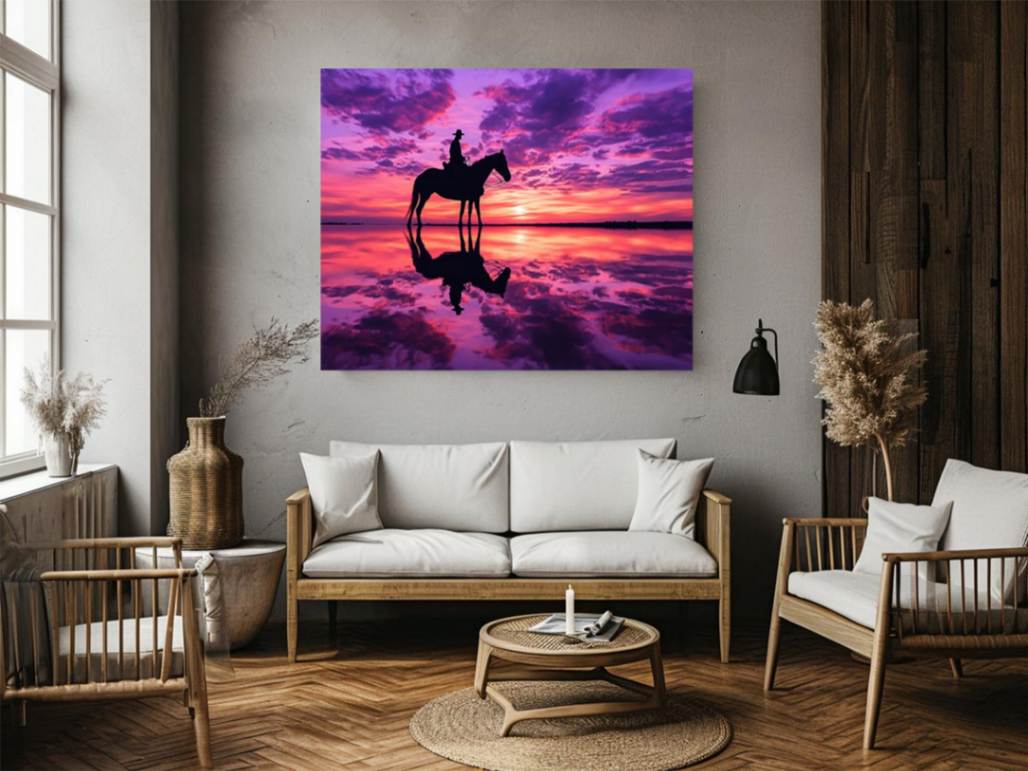
Violet Outlaw Horizon

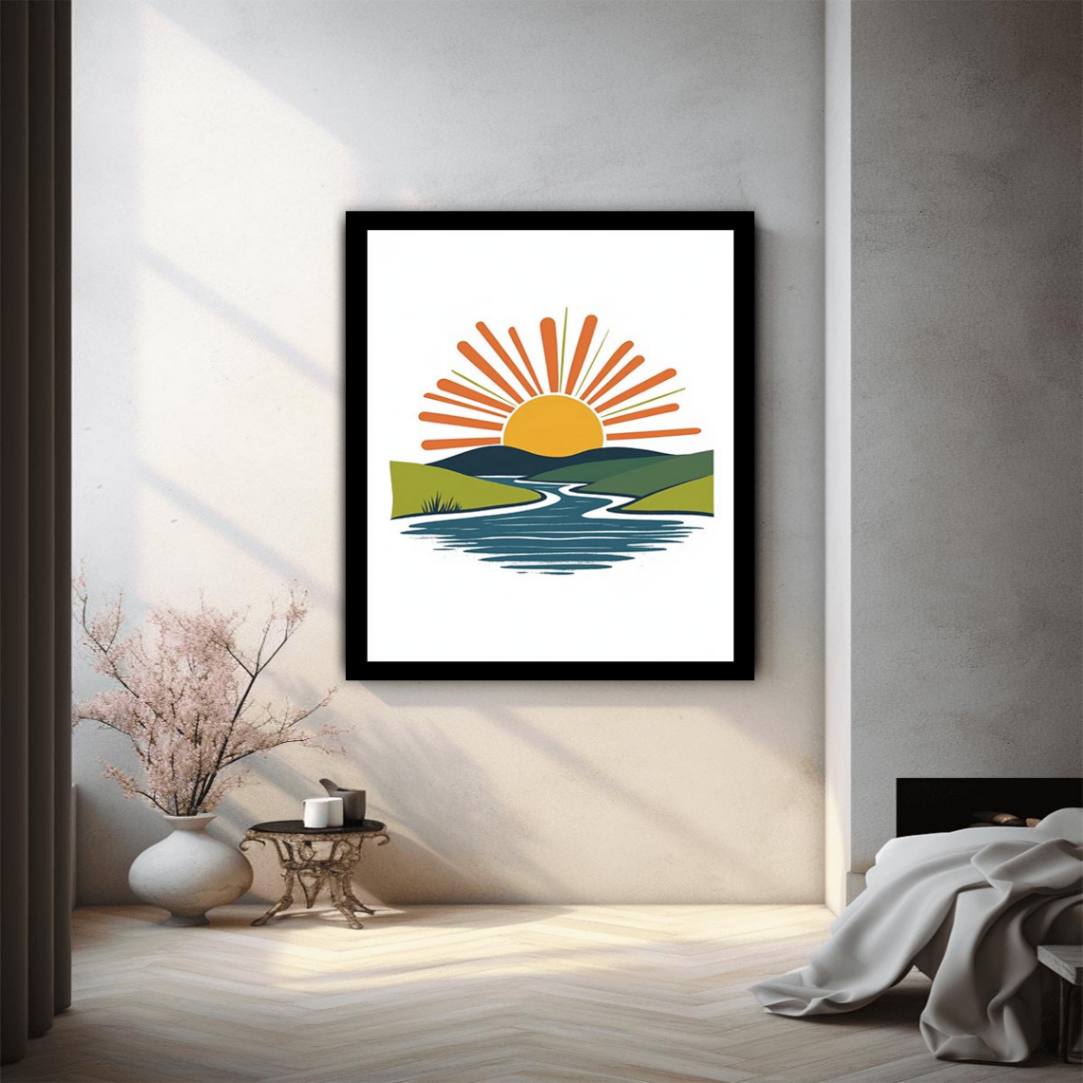
River Dawn


Whispered Tide


Lost In The Tide


Elysian Sky City


Azure Escape


Riverside Retreat


Moonlit Tide

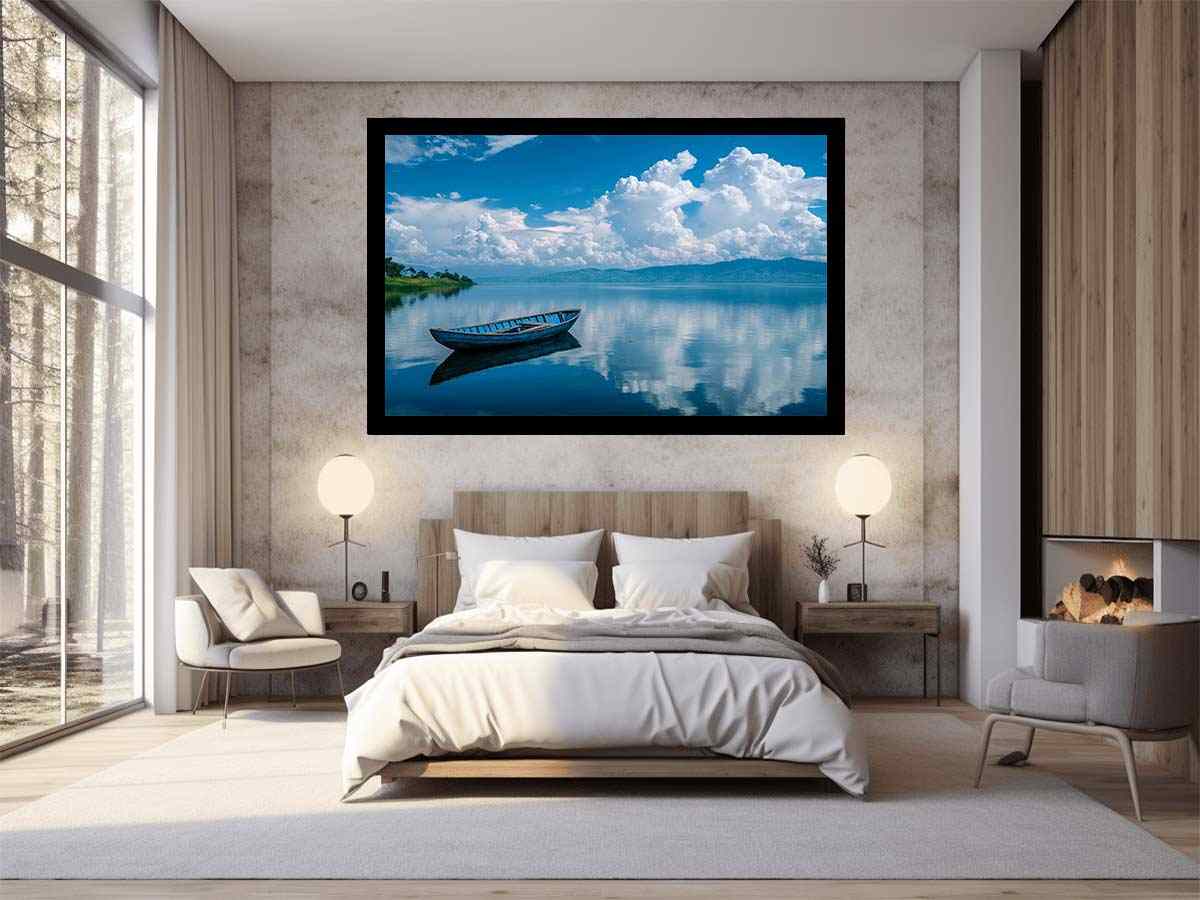
Silent Reflection

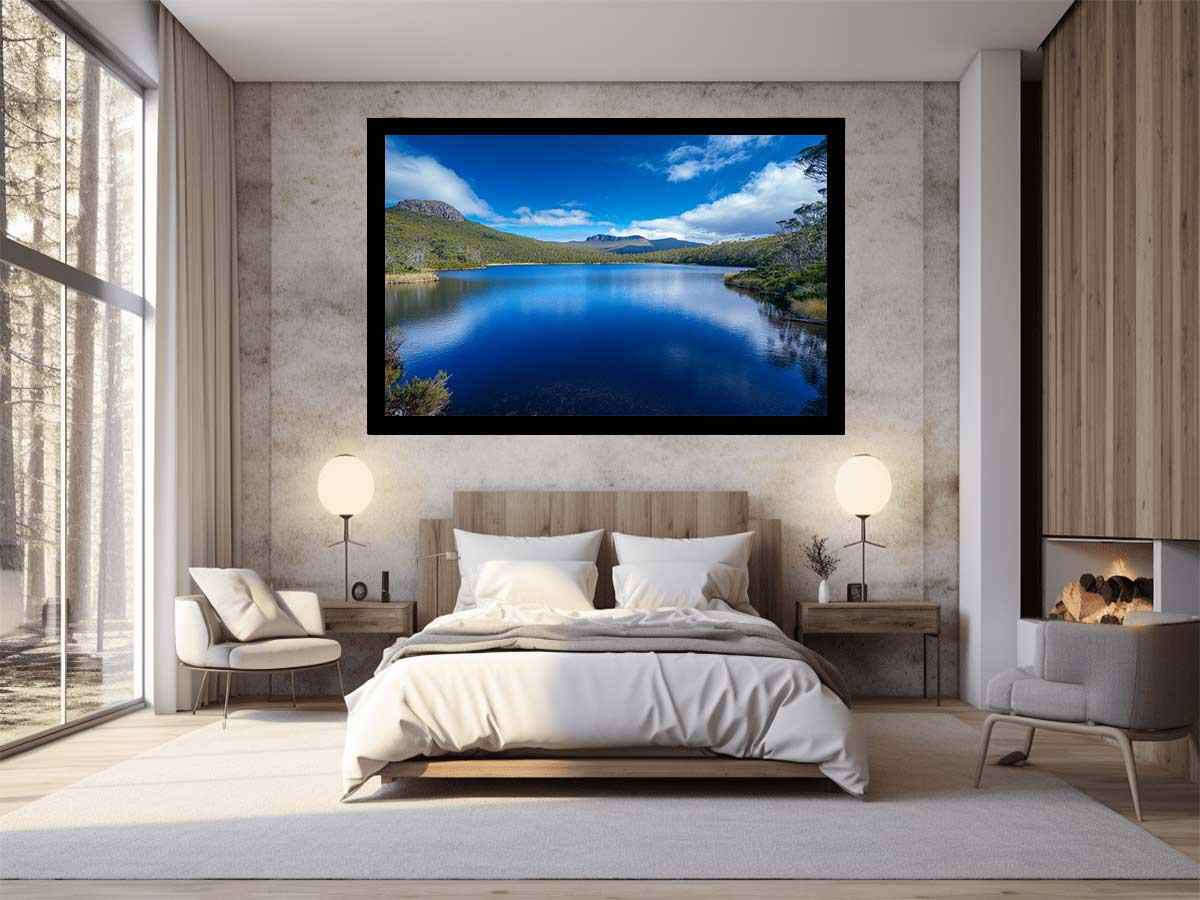
Sapphire Reflection


Golden Tide Journey


Whispering Pines

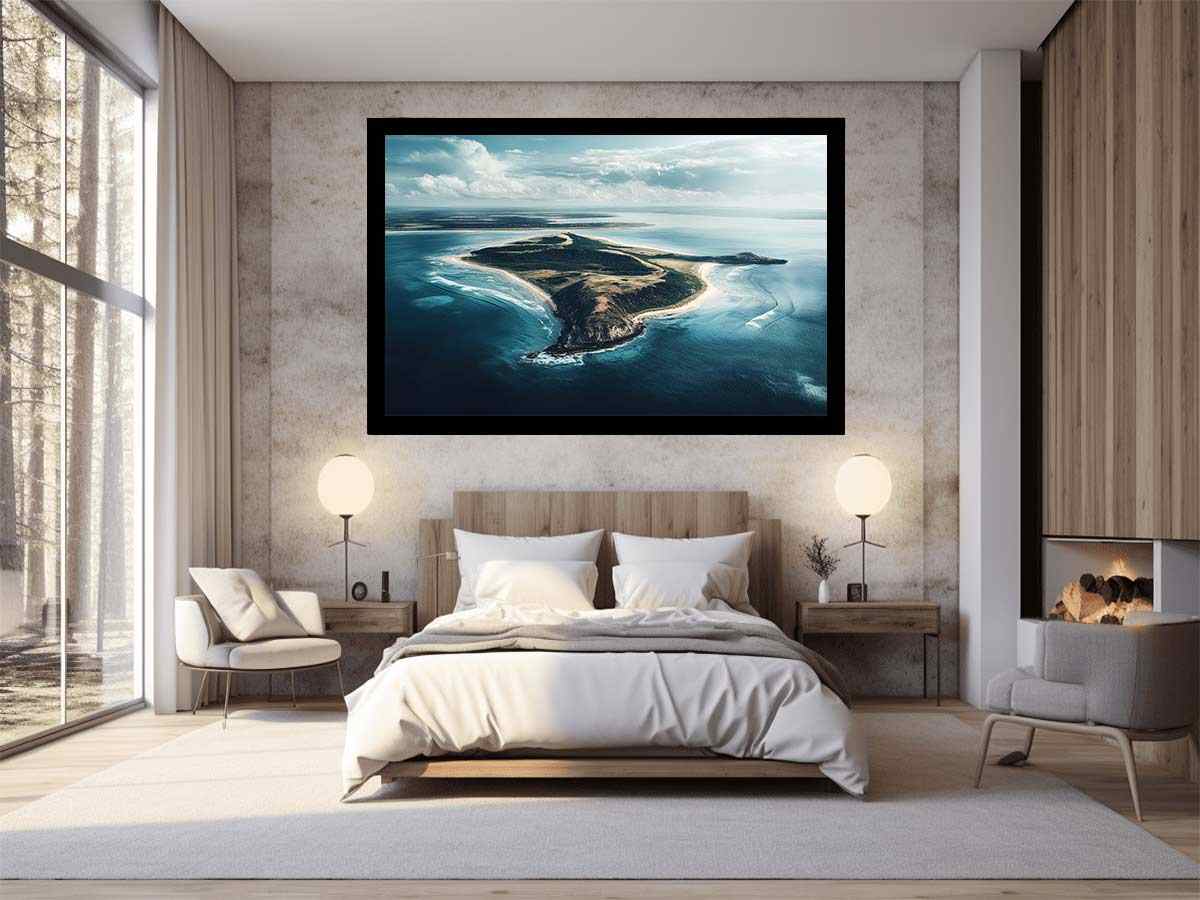
Azure Horizon Isle


Silent Lotus


Golden Riverlight


Quiet Waters


Marina Stillness


Misty Alpine Stillness


Lichen Coast


Submerged Ride


Tidal Sisters


Golden Lake

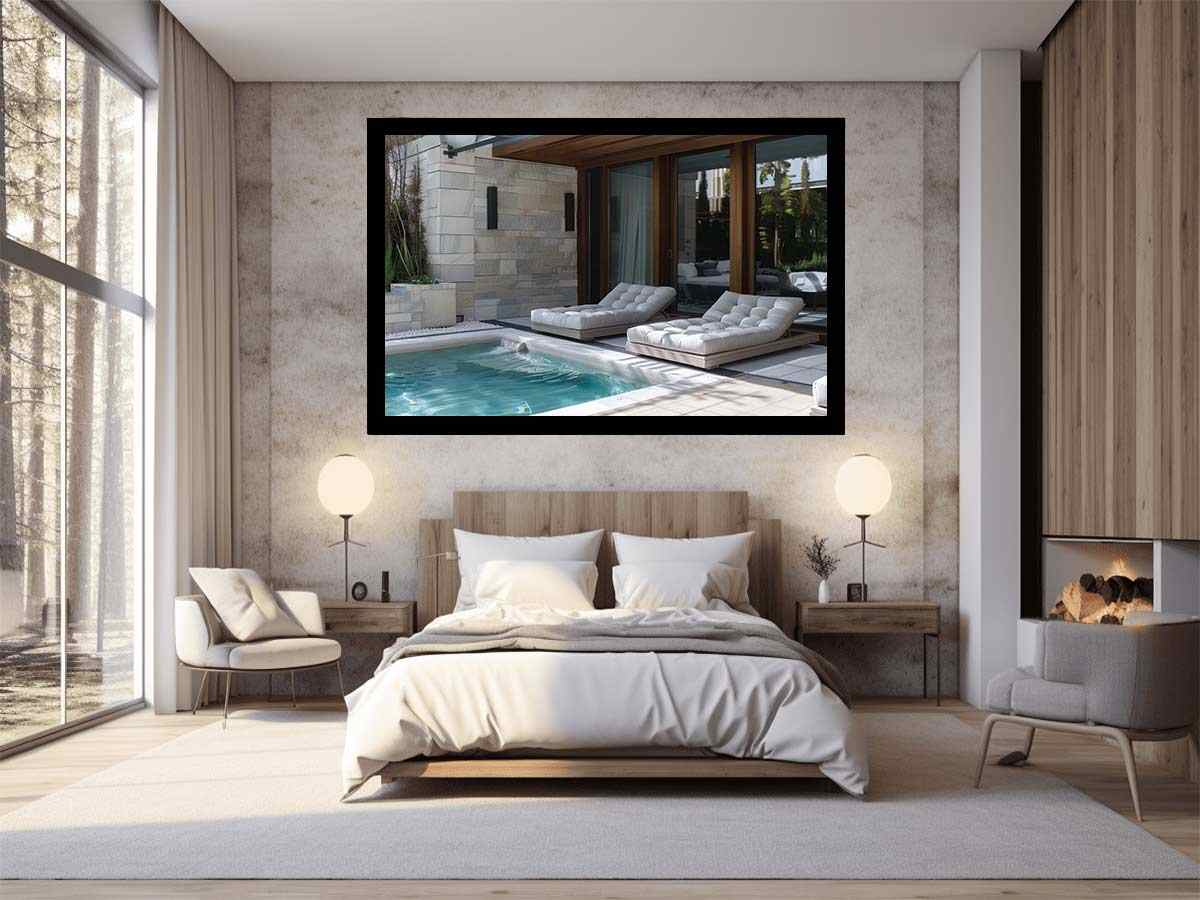
Poolside Calm


Arctic Whale Rise

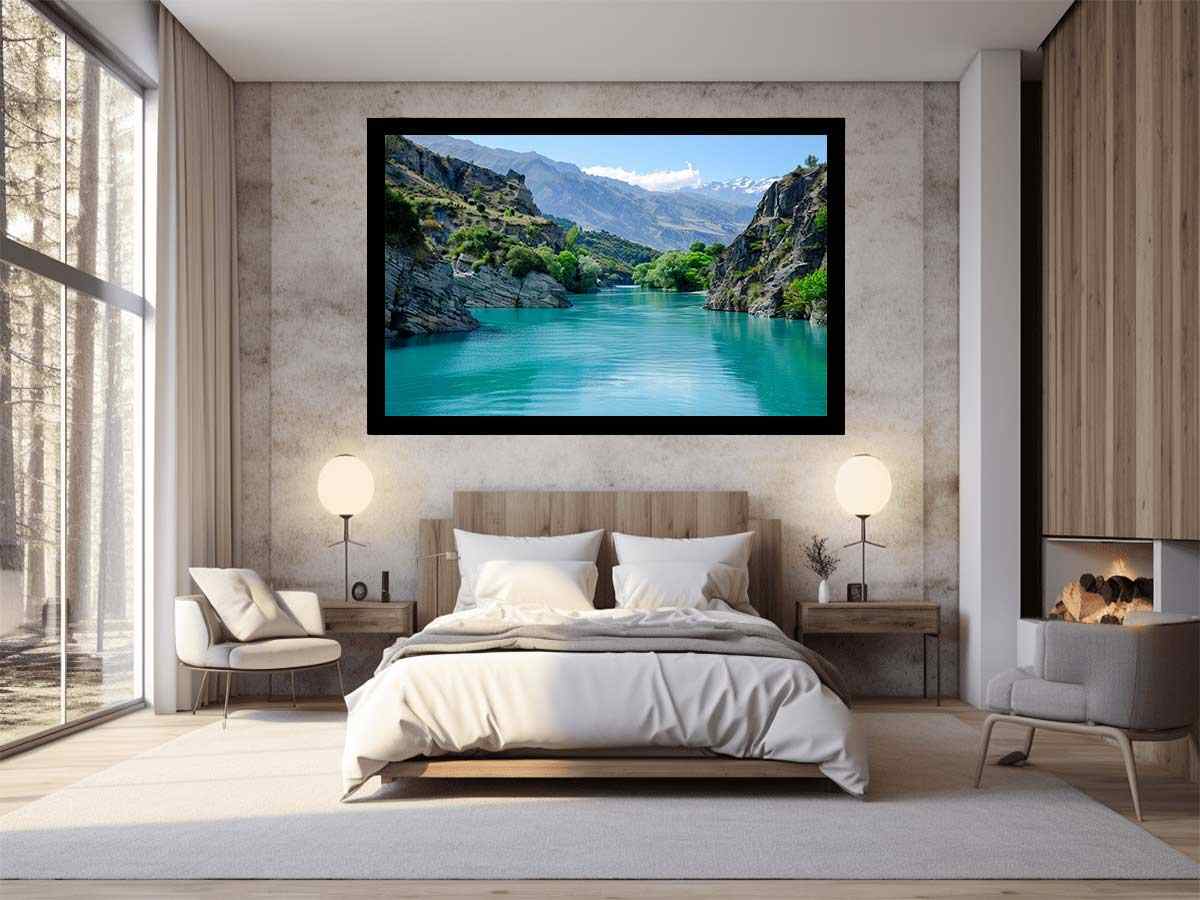
Turquoise Canyon


Sapphire Shoreline


Twilight Serenity


Stillwater Pines


Submerged Vespa


Harbour Afterglow


Tidal Lines


Koi Reflections

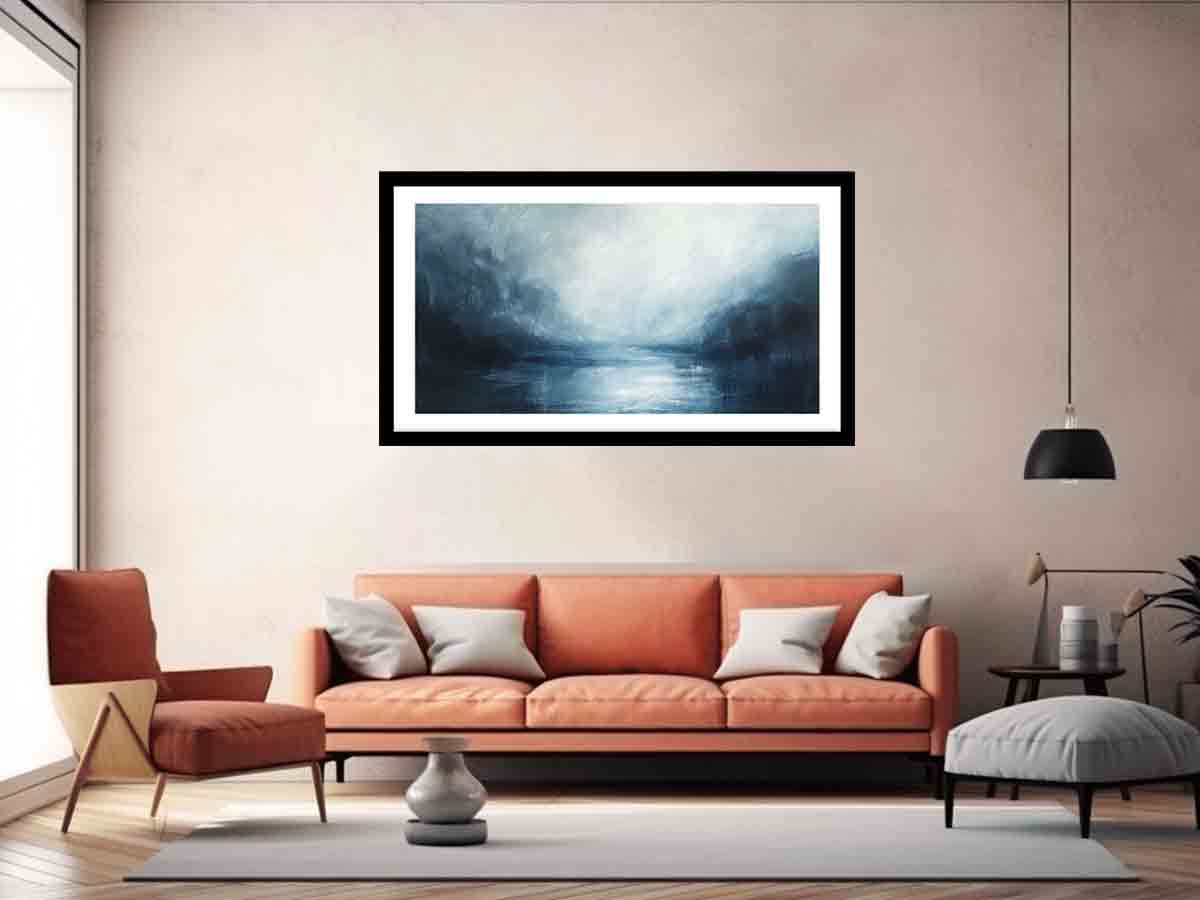
Blue Silence


Misty Cliffs


Emerald Stillness


Lotus Koi Light


Canal Glow


Koi Reverie
Water Art & Water Paintings
Water art brings movement, reflection, light, color, and atmosphere to the wall. At Fame Art Gallery, the Water Art collection sits within a broader selection of nature, ocean, coastal, landscape, and contemporary artwork, giving shoppers multiple ways to bring the visual character of water into their interiors. From tranquil surfaces and reflective landscapes to waves, waterfalls, and expressive aquatic compositions, water paintings can create a peaceful backdrop or a dramatic focal point in living rooms, bedrooms, offices, bathrooms, entryways, and contemporary spaces.
Shop Water Art for Nature-Inspired Interiors
Water is an unusually versatile subject because its appearance changes with movement, light, weather, depth, and surrounding landscape. A calm surface can create a quiet visual atmosphere, while breaking waves or fast-flowing water can introduce energy and movement.
That makes water paintings different from a narrowly defined ocean or coastal collection. Water can be the central subject of an ocean scene, lake, river, waterfall, reflection, landscape, or abstract composition. Choose according to the visual experience you want the artwork to create rather than simply choosing by color.
What Makes Water Art So Versatile?
- Movement and flow: Waves, waterfalls, rivers, ripples, and currents introduce visual direction to a wall.
- Light and reflection: Water creates opportunities for reflections, highlights, shadows, and atmospheric effects.
- Natural color: Blue, turquoise, teal, green, white, gray, and earthy tones can complement a wide range of interiors.
- Different moods: Still water can feel quiet and contemplative, while dramatic water scenes can create energy and visual impact.
- Broad decorating appeal: Water artwork can complement coastal, contemporary, modern, minimalist, natural, and relaxed interiors.
Types of Water Art to Explore
Ocean & Wave Paintings
Ocean and wave artwork focuses on scale, movement, texture, horizon lines, and the changing character of the sea. These pieces can create a strong focal point, particularly on larger walls.
Calm Water & Reflection Art
Still water, lakes, ponds, and reflective surfaces can create a quieter visual experience. These compositions can suit bedrooms, studies, meditation spaces, and interiors where a softer atmosphere is preferred.
Waterfall Paintings
Waterfalls introduce strong vertical movement into artwork. Flowing water combined with rocks, vegetation, mist, or surrounding landscape can create considerable depth and visual energy.
River & Lake Art
River and lake paintings can combine water with mountains, trees, skies, architecture, or open landscapes. These works allow water to function as both the primary subject and part of a larger natural setting.
Abstract Water Art
Abstract water-inspired artwork can focus on color, movement, texture, reflection, and fluid forms without depicting a literal landscape. This approach can work particularly well in contemporary and modern interiors.
How to Choose the Right Water Painting
1. Decide on the Mood
Start with the atmosphere you want to create. Calm water, gentle reflections, and soft horizons can support a peaceful interior, while surf, waterfalls, storms, and dramatic movement can introduce stronger visual energy.
2. Match the Room's Color Palette
Water artwork often introduces blue, turquoise, teal, green, white, gray, and natural tones. Compare the artwork with your existing walls, furniture, flooring, textiles, and lighting. A saturated blue composition can become an intentional accent in a neutral room, while softer aquatic tones can integrate more subtly.
3. Consider the Composition
Think about what you want the viewer to notice first. A horizon creates a sense of openness, a waterfall creates vertical movement, and close-up waves can emphasize texture and energy. Select the composition according to the wall and the role you want the artwork to play.
4. Choose the Right Scale
Measure the available wall and consider nearby furniture before selecting artwork. Large water scenes can create an immersive feature wall, while smaller compositions can work well in bedrooms, offices, hallways, bathrooms, and curated arrangements.
5. Select the Presentation
The presentation should complement both the artwork and the interior. Explore canvas prints, framed prints, and wall art prints when deciding how your water artwork should be displayed.
Where to Display Water Art
Living Room
A large water painting can become a focal point above a sofa, console, sideboard, or feature wall. Dramatic ocean imagery can add movement, while calmer water scenes can support a more relaxed living-room palette.
Bedroom
For bedrooms, consider tranquil water, soft reflections, calm horizons, or atmospheric landscapes. A balanced composition and restrained palette can introduce nature without making the wall feel visually overwhelming.
Bathroom
Water-themed artwork has a natural visual connection with bathrooms. Choose artwork according to the available wall space and the presentation offered with the individual piece, while considering the room's humidity and placement requirements.
Office or Study
A water landscape can provide a visual counterpoint to a work-focused environment. A lake, river, ocean horizon, or abstract water composition can introduce natural imagery without requiring an elaborate decorative scheme.
Entryway & Hallway
Smaller water artwork can bring color and movement to transitional spaces. Consider viewing distance and wall width when selecting compositions with fine details or complex scenery.
Water Art Beyond Coastal Décor
Water paintings naturally complement coastal interiors, but their decorating potential extends well beyond seaside themes. A dramatic wave can work as a contemporary statement, a reflective lake can complement a traditional room, and an abstract water composition can become an accent in a modern interior.
This flexibility makes Water Art a broader subject collection than coastal or ocean artwork alone. Choose the visual language that matches your room: natural and atmospheric, dramatic and energetic, minimal and serene, or expressive and contemporary.
Water Paintings as a Feature Wall
A large water painting can establish the visual direction of an entire room. Horizontal ocean scenes can emphasize width and openness, while vertically oriented waterfalls can draw the eye upward and work particularly well on taller walls.
Detailed artwork benefits from surrounding negative space. Avoid placing competing patterns immediately beside a complex water composition, particularly when the artwork contains waves, reflections, landscape details, or strong movement.
If you are combining multiple pieces, create a relationship through color, subject, artistic style, scale, or presentation. A coordinated selection generally feels more intentional than simply grouping unrelated water imagery together.
Water Art for Coastal, Modern & Nature-Inspired Spaces
For a coastal direction, explore coastal art and ocean art. These related collections can help narrow your search when the desired subject is specifically the sea, shoreline, or coastal environment.
For a broader nature-inspired interior, water artwork can be combined with landscape, botanical, tree, or wildlife subjects. Keep one or two visual elements consistent, such as natural colors, scale, or artistic mood, so the overall arrangement remains cohesive.
How to Plan a Water Art Display
- Measure the wall: Determine the available width and height before choosing the artwork.
- Consider nearby furniture: Relate the artwork's size to the sofa, bed, console, desk, or other major furnishing.
- Choose the visual mood: Decide whether you want calm, atmospheric, dramatic, natural, or contemporary water imagery.
- Coordinate colors: Repeat selected colors from the artwork through subtle furniture, textiles, or accessories.
- Allow breathing room: Give detailed water artwork enough surrounding space to remain visually clear.
Before choosing a larger piece, review the wall art size guide to consider proportions. For positioning, use the wall art placement guide.
Explore Related Water & Nature Wall Art
Explore ocean art for sea-focused artwork or coastal art for broader seaside-inspired compositions. You can also browse canvas prints and wall art prints when comparing presentation and artwork options.
Water Art FAQs
What is water art?
Water art is artwork in which water is a central subject or important visual element. It can include oceans, waves, rivers, lakes, waterfalls, reflections, aquatic landscapes, and abstract interpretations focused on water, movement, light, texture, and color.
What types of water paintings can I find?
Water paintings can include ocean and wave scenes, calm lakes, rivers, waterfalls, reflections, coastal landscapes, aquatic environments, and abstract water-inspired compositions. The visual mood can range from peaceful and atmospheric to dramatic and energetic.
Where should I display water wall art?
Water artwork can work well in living rooms, bedrooms, bathrooms, offices, studies, entryways, hallways, and coastal-inspired interiors. Consider the artwork's scale, presentation, viewing distance, lighting, and the atmosphere you want the room to create.
What colors work well with water paintings?
Blue, turquoise, teal, green, white, gray, and natural earth tones can work naturally with water-inspired artwork. The best choice depends on the individual painting and how its palette relates to your walls, furniture, textiles, flooring, and lighting.
Are water paintings suitable for coastal décor?
Yes. Ocean, wave, shoreline, and calm-water artwork can complement coastal interiors naturally. Water paintings can also work in modern, contemporary, minimalist, traditional, and nature-inspired spaces when the artwork's colors and composition suit the room.
How do I choose the right size water painting?
Measure the wall and consider the furniture positioned beneath or beside it. Large ocean, landscape, or waterfall artwork can create a strong focal point on expansive walls, while smaller pieces can suit compact spaces, bedrooms, offices, hallways, and curated arrangements.
Can water art work in a modern interior?
Yes. Abstract water compositions, minimalist horizons, dramatic wave imagery, and contemporary aquatic landscapes can work effectively in modern interiors. Use the artwork's color, scale, and visual complexity to complement the clean lines of the surrounding space.
Bring the Movement of Water to Your Walls
Explore Water Art at Fame Art Gallery to bring waves, reflections, flowing landscapes, ocean atmosphere, natural color, and the visual movement of water into your interior. Choose artwork according to its subject, mood, composition, palette, scale, and presentation to create a wall that feels serene, dynamic, immersive, or distinctly contemporary.