
Waterlily Paintings & Water Lily Wall Art | Fame Art Gallery

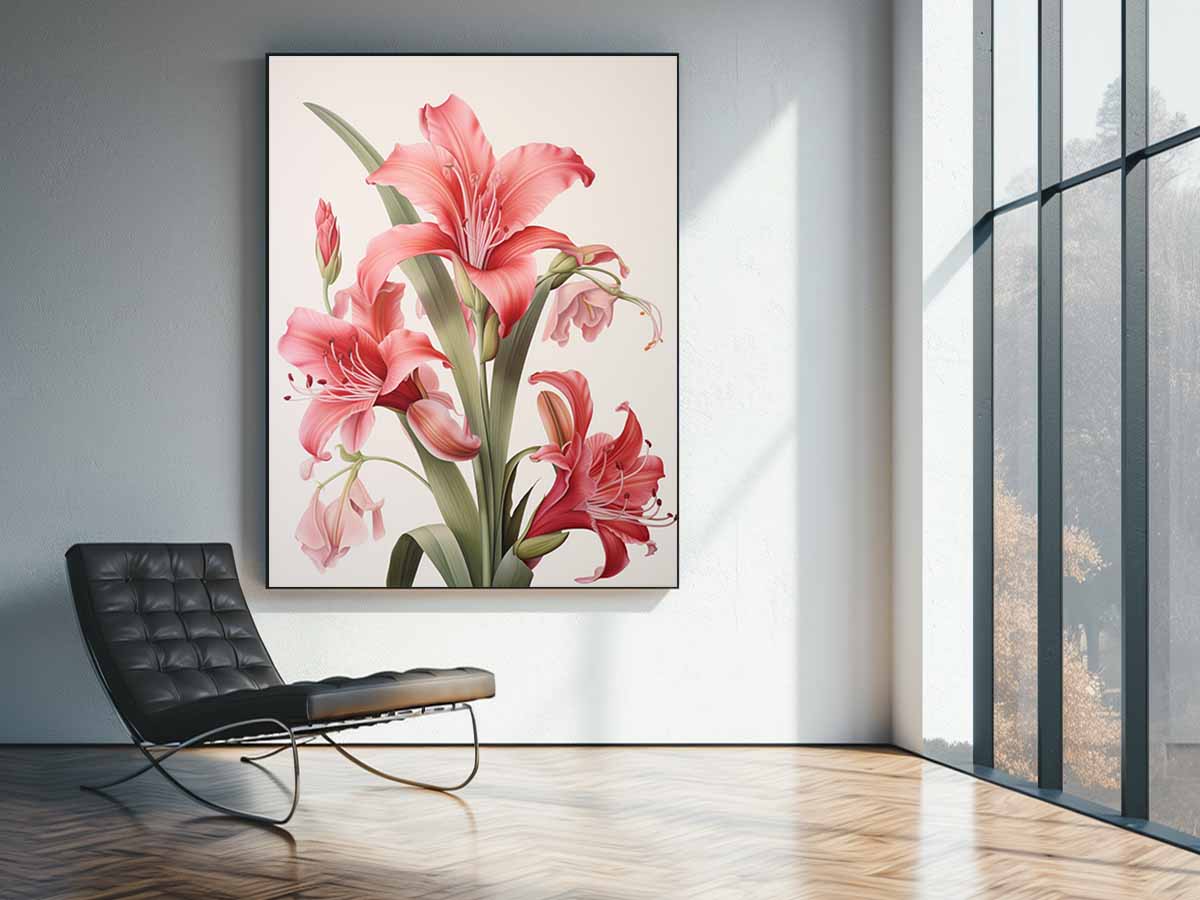
Coral Lily Bloom
Amber Lily Grace


Blue Lily Drift


Radiant Lily Sketch

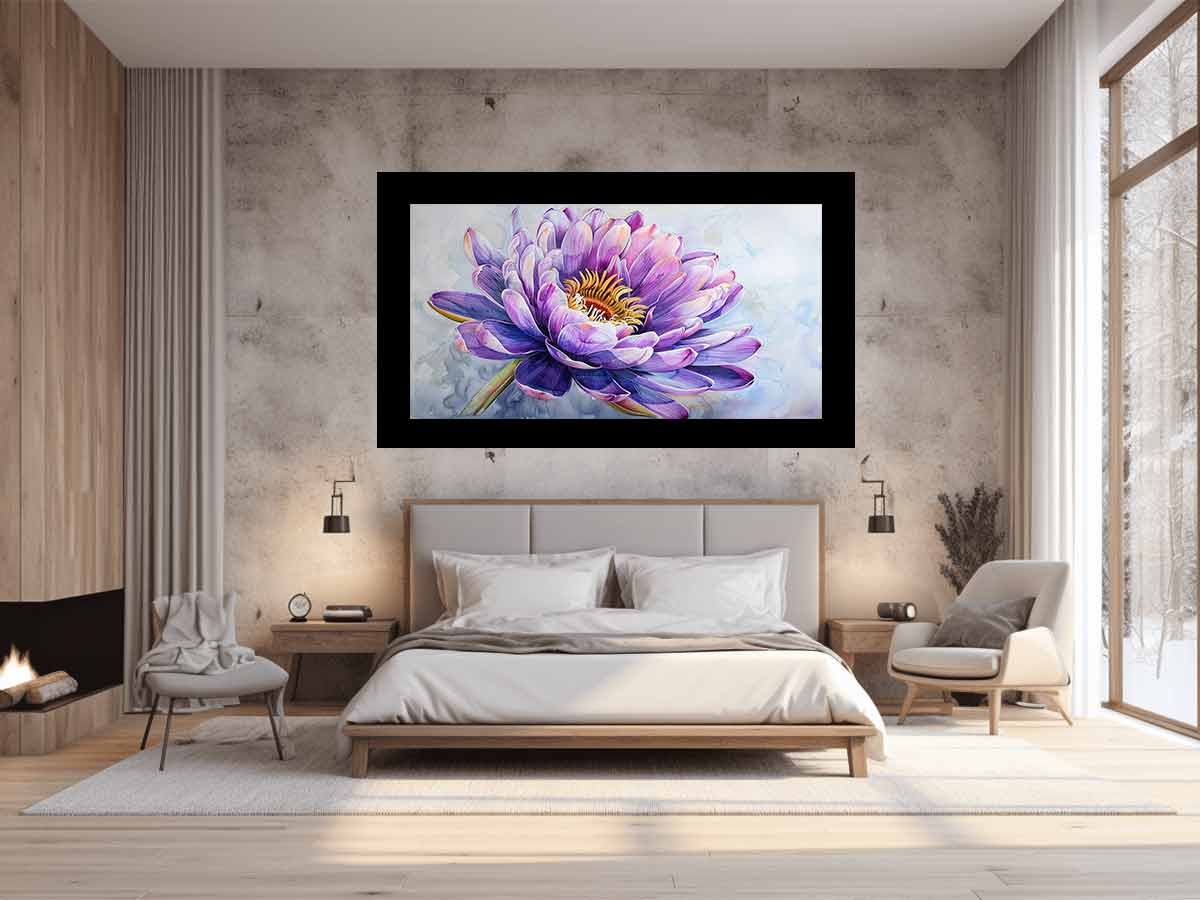
Violet Water Lily


Lily Bird Garden


Lily Dreams


Lily Birds Tropical Wall


Water Lily Reflections


Series The Flowers, "Lily"


Lily Birds Tropical Wall Art

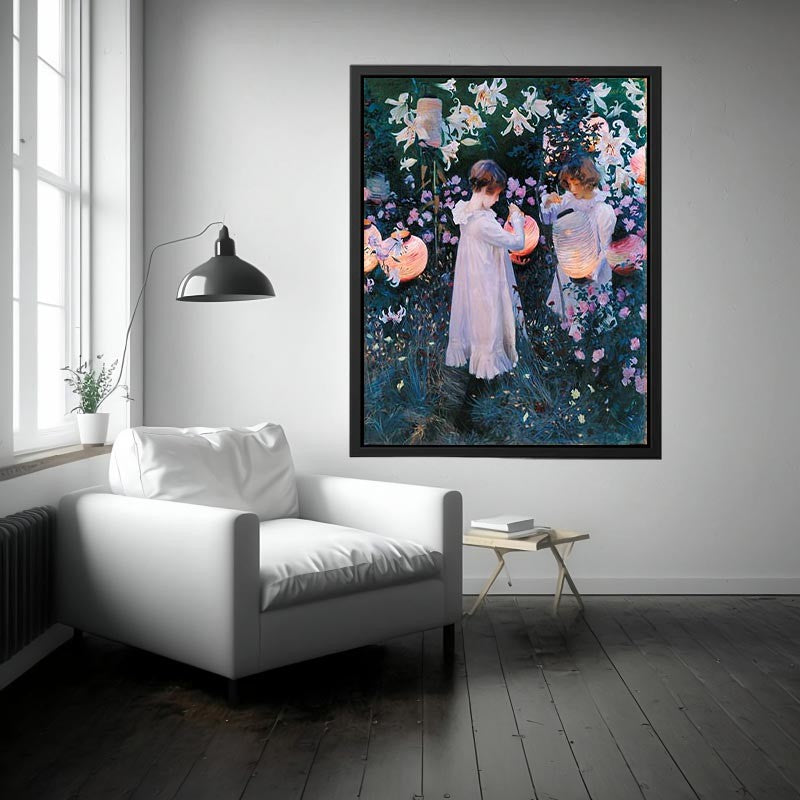
Carnation, Lily, Lily, Rose by John Singer Sargent


Bridge Over Rose Water Lily Pond by Claude Monet


The Water Lily Pond Aka Japanese Bridge by Claude Monet
Waterlily Paintings & Water Lily Wall Art
Waterlily paintings combine the beauty of flowers with the reflective atmosphere of ponds and still water, creating artwork with a distinctive botanical and aquatic character. At Fame Art Gallery, water lily wall art is ideal for shoppers looking for serene floral imagery, nature-inspired décor, and elegant artwork with visual depth. From individual blooms and floating lily pads to atmospheric pond scenes and expressive interpretations, waterlily artwork can become a refined focal point in living rooms, bedrooms, dining areas, offices, bathrooms, entryways, and contemporary interiors.
Shop Waterlily Paintings for Elegant Nature-Inspired Décor
Water lilies offer artists two compelling subjects within one composition: delicate flowers and reflective water. Petals, lily pads, ripples, reflections, vegetation, light, and color can all contribute to the visual character of a waterlily painting.
This makes water lily artwork more specific than general floral art and broader than conventional flower portraits. A close-up bloom emphasizes botanical beauty, while a wider pond composition creates a stronger sense of landscape and atmosphere. Choose the visual approach that best matches your room and the role you want the artwork to play.
What Makes Waterlily Art Distinctive?
- Floral and aquatic imagery: Water lilies combine flowers, floating leaves, and water within one naturally distinctive subject.
- Reflective atmosphere: Ponds and water surfaces introduce light, reflection, depth, and movement.
- Botanical detail: Petals, leaves, stems, and surrounding vegetation provide visual texture.
- Natural color: Waterlily artwork can introduce greens, pinks, whites, purples, blues, and soft aquatic tones.
- Serene visual character: Calm water and floating blooms can create a peaceful focal point without relying on a busy subject.
Waterlily Paintings vs. General Floral Art
Waterlily paintings have a specific visual identity because the flower exists within an aquatic environment. Unlike a conventional floral still life, water lily artwork can incorporate reflections, ripples, lily pads, pond surfaces, and surrounding vegetation.
This distinction can help when choosing artwork for a room. If you want the softness of botanical imagery together with the atmosphere of water, a waterlily painting provides both elements in one composition.
How to Choose the Right Waterlily Painting
1. Decide on the Visual Mood
Think about the atmosphere you want to create. Soft blooms, calm reflections, and muted water tones can support a peaceful interior, while saturated flowers, stronger contrasts, and expressive brushwork can create a more energetic focal point.
2. Consider the Composition
A close-up water lily emphasizes petals, leaves, and botanical structure. A wider pond scene introduces more landscape, reflections, vegetation, and atmospheric depth. Choose according to the wall and how much visual information you want the artwork to contain.
3. Coordinate the Color Palette
Waterlily paintings can feature green, pink, white, purple, blue, turquoise, gray, and natural tones. Compare the artwork with your wall color, furniture, textiles, flooring, and lighting. You can either integrate the palette with the room or use the artwork as an intentional accent.
4. Choose the Appropriate Size
Measure your available wall before selecting artwork. Larger pond compositions can create an immersive feature wall, while smaller botanical pieces can suit bedrooms, offices, bathrooms, hallways, and curated arrangements.
5. Select the Presentation
The presentation contributes to the finished appearance of the artwork. Explore canvas prints, framed prints, and wall art prints when deciding how your waterlily artwork should complement the room.
Where to Display Waterlily Paintings
Living Room
A larger waterlily painting can become an elegant focal point above a sofa, console, or sideboard. Coordinate selected colors from the artwork with cushions, rugs, curtains, plants, or other subtle decorative elements.
Bedroom
Water lilies are particularly well suited to bedrooms where a calm botanical atmosphere is desired. Soft greens, pinks, whites, and reflective water tones can complement a restrained and relaxing palette.
Bathroom
The combination of flowers and water creates a natural visual relationship with bathroom interiors. Consider the available wall area, artwork presentation, lighting, and environmental conditions when choosing where to display the piece.
Dining Room
A waterlily painting can introduce botanical elegance to a dining area. Choose artwork whose scale relates comfortably to the dining table, lighting, wall dimensions, and surrounding furniture.
Office or Study
Botanical artwork can provide a natural visual break within an office or study. Waterlily imagery introduces organic forms and color while maintaining a sophisticated decorative presence.
Entryway & Hallway
A smaller water lily artwork can add color and character to a transitional space. In a narrow hallway or entryway, consider the artwork's orientation, viewing distance, lighting, and available wall width.
Waterlily Art for Modern & Classic Interiors
Waterlily artwork can adapt to many decorating styles. Detailed botanical compositions can complement traditional and classic interiors, while simplified, atmospheric, or expressive interpretations can work beautifully with modern and contemporary furniture.
For a modern room, allow the artwork to provide the organic detail while keeping surrounding décor relatively restrained. For a more traditional or nature-inspired interior, coordinate the artwork with natural wood, plants, soft textiles, and complementary botanical accents.
Create a Serene Waterlily Feature Wall
Begin with one waterlily painting that establishes the wall's color and visual mood. If you add complementary artwork, create a connection through botanical subjects, water imagery, natural colors, artistic treatment, or presentation.
Detailed pond and floral compositions benefit from sufficient surrounding space. Avoid placing too many competing patterns beside the artwork, particularly when the painting already contains leaves, blooms, reflections, ripples, and fine details.
Before selecting a large-format artwork, review the wall art size guide to consider proportions. For positioning, explore the wall art placement guide.
Waterlily Paintings & Botanical Wall Art
Waterlily artwork can be used as a bridge between floral and nature-inspired decorating. If you want a broader botanical collection, explore botanical art. For a wider selection of flower-focused artwork, explore floral wall art.
For shoppers interested specifically in water as an artistic subject, ocean art can provide a different interpretation of aquatic imagery, while coastal art explores broader seaside environments.
How to Style Water Lily Wall Art
- Choose the focal artwork: Start with the waterlily composition that best establishes the desired mood.
- Measure your wall: Consider the artwork's relationship with the sofa, bed, console, dining table, or other nearby furniture.
- Repeat selected colors: Echo one or two tones from the artwork through subtle textiles or accessories.
- Use complementary natural elements: Wood, plants, stone, and natural textures can reinforce the botanical character.
- Leave visual breathing room: Allow detailed waterlily artwork enough surrounding space to remain the clear focal point.
Waterlily Paintings FAQs
What are waterlily paintings?
Waterlily paintings are artworks featuring water lilies, often shown with floating leaves, ponds, reflections, water surfaces, and surrounding vegetation. They can range from detailed botanical studies to atmospheric landscapes and expressive interpretations.
What is the difference between waterlily art and floral art?
Waterlily art focuses specifically on water lilies and often incorporates their aquatic environment. General floral art can depict many types of flowers and arrangements, while waterlily paintings commonly combine botanical detail with water, reflections, lily pads, and pond imagery.
What colors work well with water lily wall art?
Waterlily artwork can feature greens, pinks, whites, purples, blues, turquoise, and natural water tones. Choose colors that complement the room while allowing the flowers, leaves, and aquatic elements to remain visually distinct.
Where should I hang waterlily paintings?
Waterlily artwork can work well in living rooms, bedrooms, bathrooms, dining areas, offices, studies, entryways, and nature-inspired interiors. Consider the artwork's scale, lighting, presentation, and relationship with nearby furniture when choosing its location.
Are waterlily paintings suitable for bedrooms?
Yes. Water lilies can create a calm botanical atmosphere, particularly when the artwork uses softer colors, gentle reflections, or balanced compositions. Choose a size and presentation that complement the bed, wall dimensions, and overall bedroom palette.
What décor styles work with waterlily art?
Waterlily paintings can complement botanical, modern, contemporary, traditional, classic, romantic, eclectic, and nature-inspired interiors. The specific match depends on the artwork's color palette, level of detail, composition, and presentation.
How do I choose the right size waterlily painting?
Measure the available wall and consider nearby furniture before selecting a size. Large pond or botanical compositions can create a strong focal point, while smaller pieces can work well in bedrooms, offices, hallways, bathrooms, or curated wall arrangements.
Can waterlily paintings work in a modern interior?
Yes. Contemporary waterlily artwork can work particularly well with clean-lined furniture and neutral walls. Even a detailed botanical composition can create an intentional contrast when displayed with modern furnishings and restrained surrounding décor.
Bring the Beauty of Water Lilies to Your Walls
Explore waterlily paintings at Fame Art Gallery to bring delicate blooms, floating leaves, reflective water, botanical beauty, and tranquil natural atmosphere into your interior. Choose your artwork according to its composition, mood, color palette, scale, and presentation to create a wall that feels elegant, peaceful, and connected to nature.