
Waves Paintings & Ocean Wave Wall Art | Fame Art Gallery

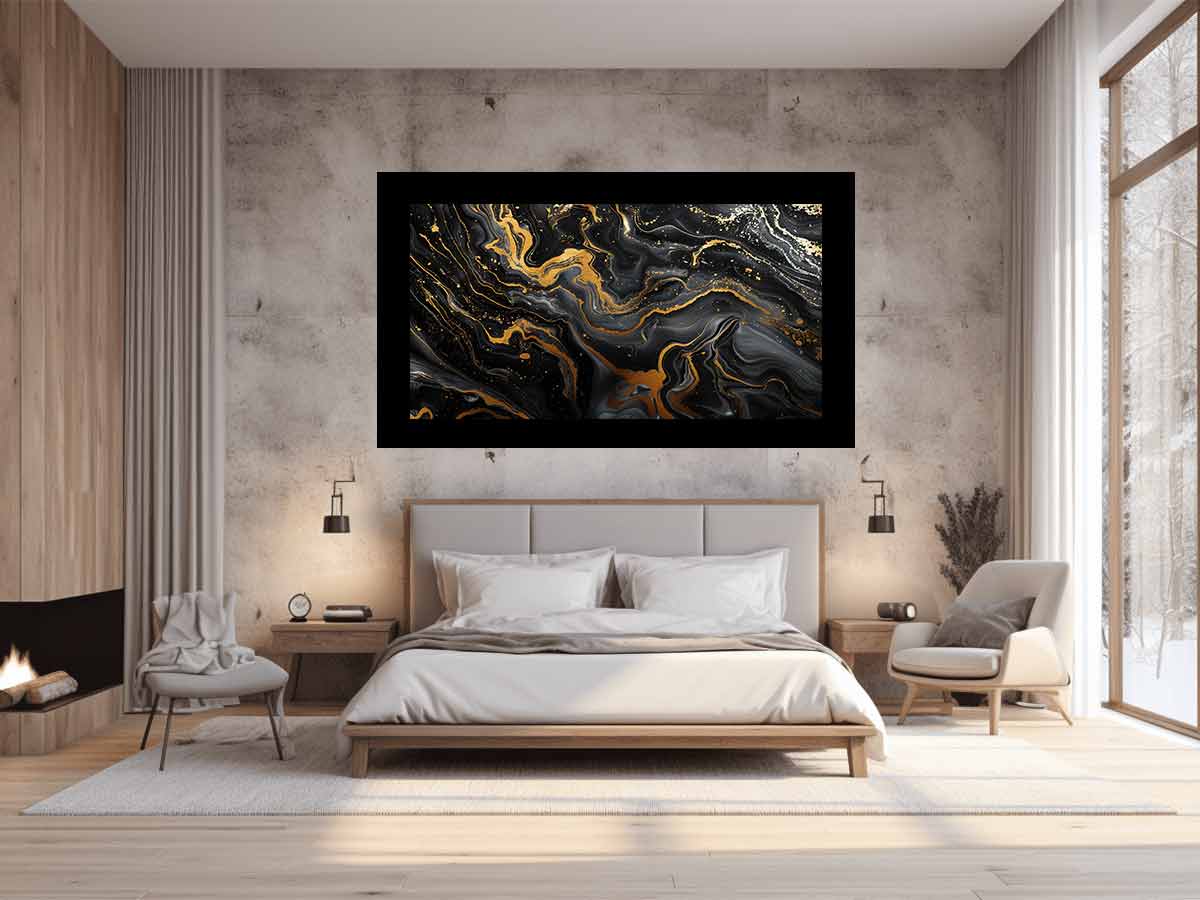
Black Gold Marble Art


Beach Cafe

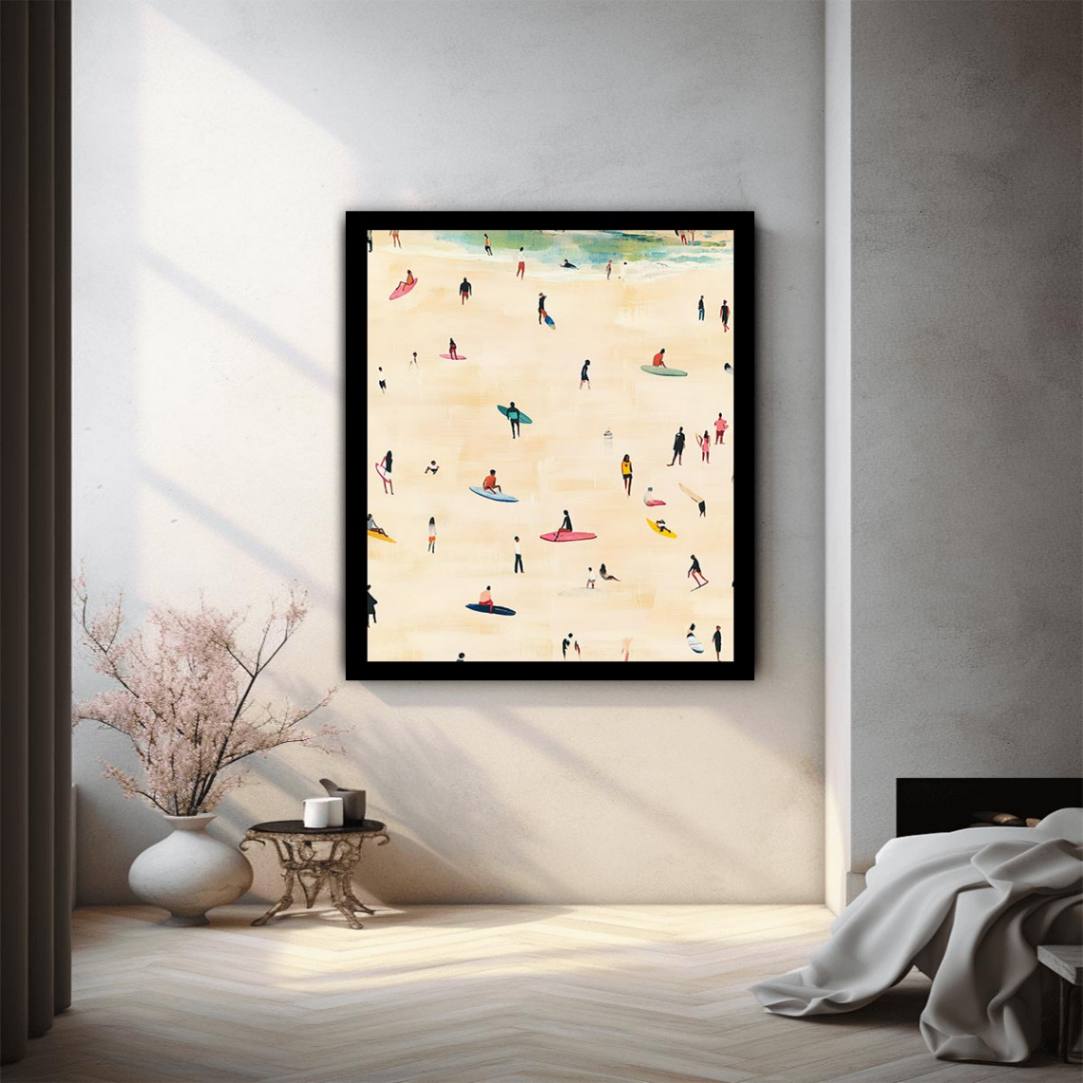
Surf Day Pattern


Seaside Poppy Window


Blush Tide


Pastel Horizon

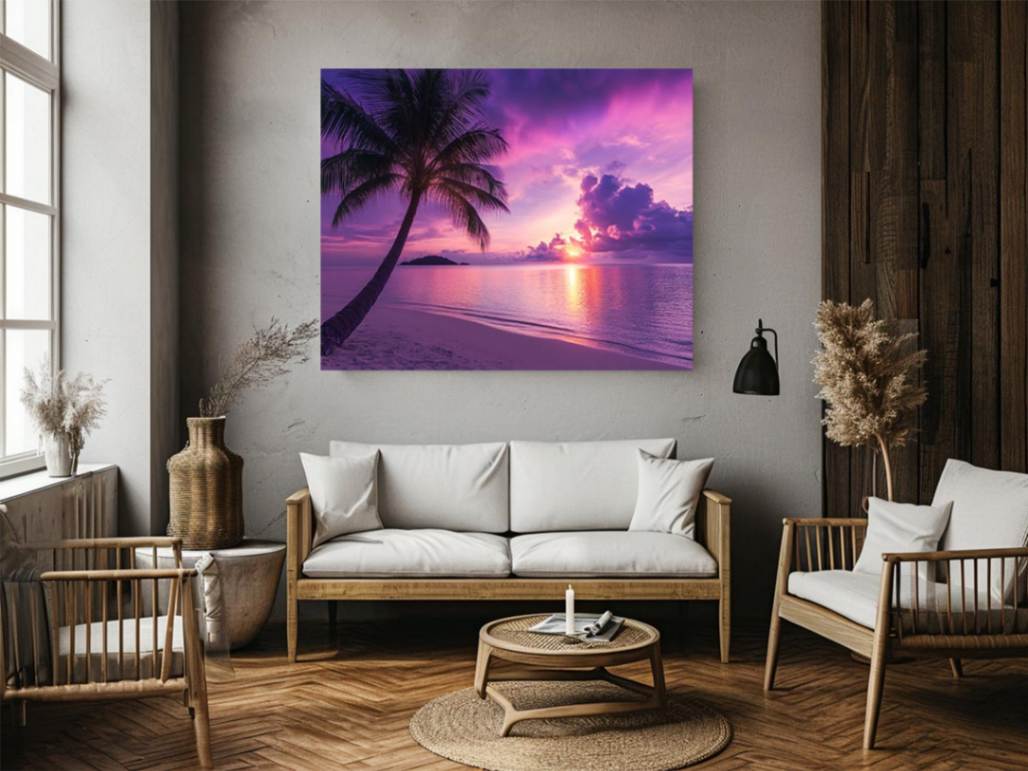
Violet Shore


Sunset Pour

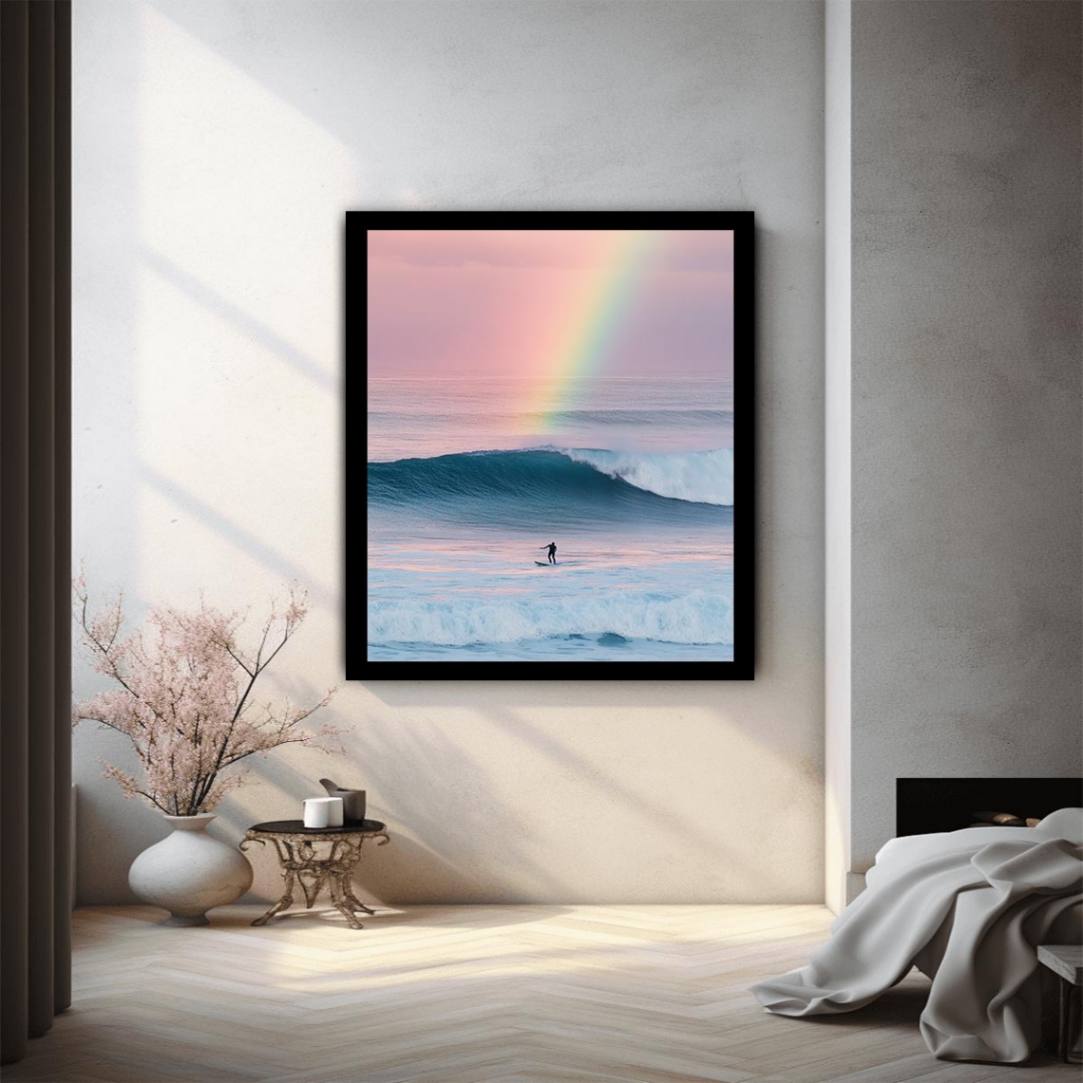
Rainbow Surf Silence


Rainbow Tide


Message Across Waves


Searching Shores


Whispered Tide


Lost In The Tide

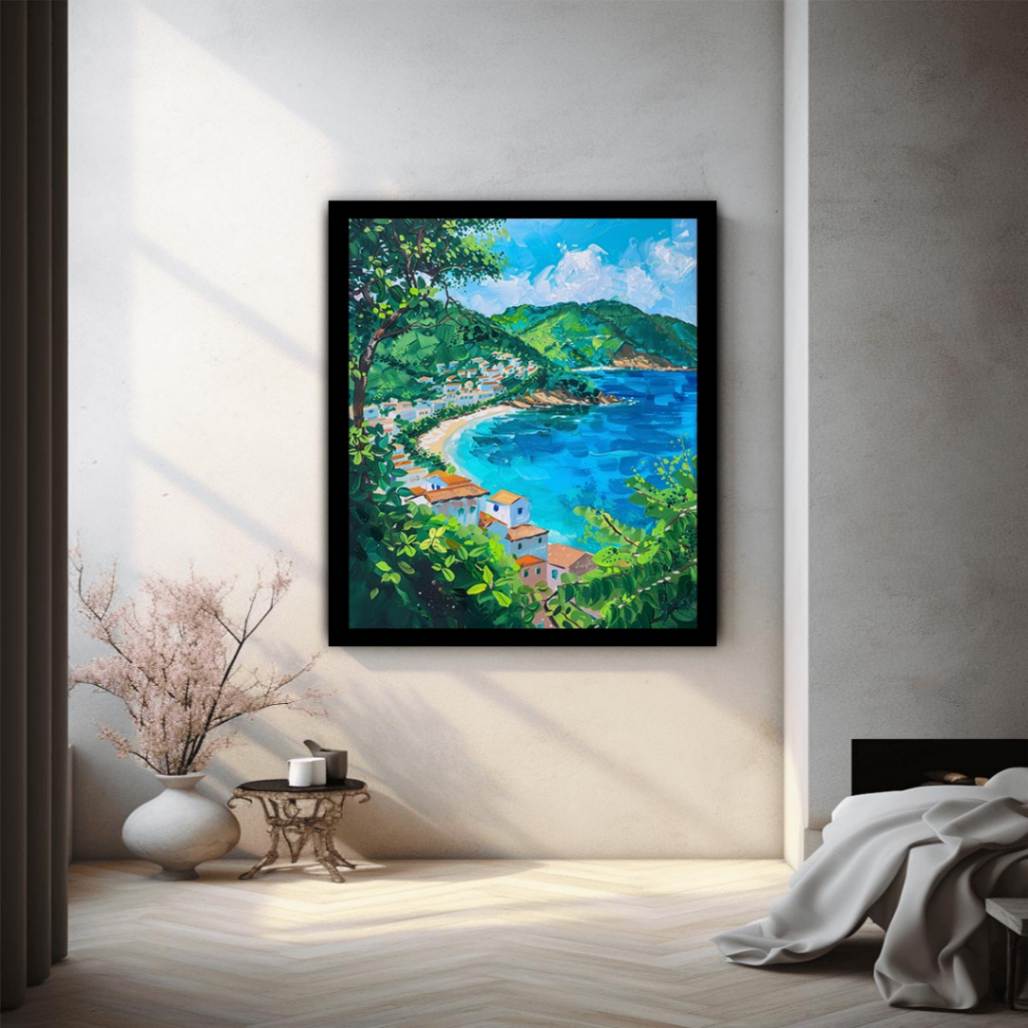
Azure Village Bay

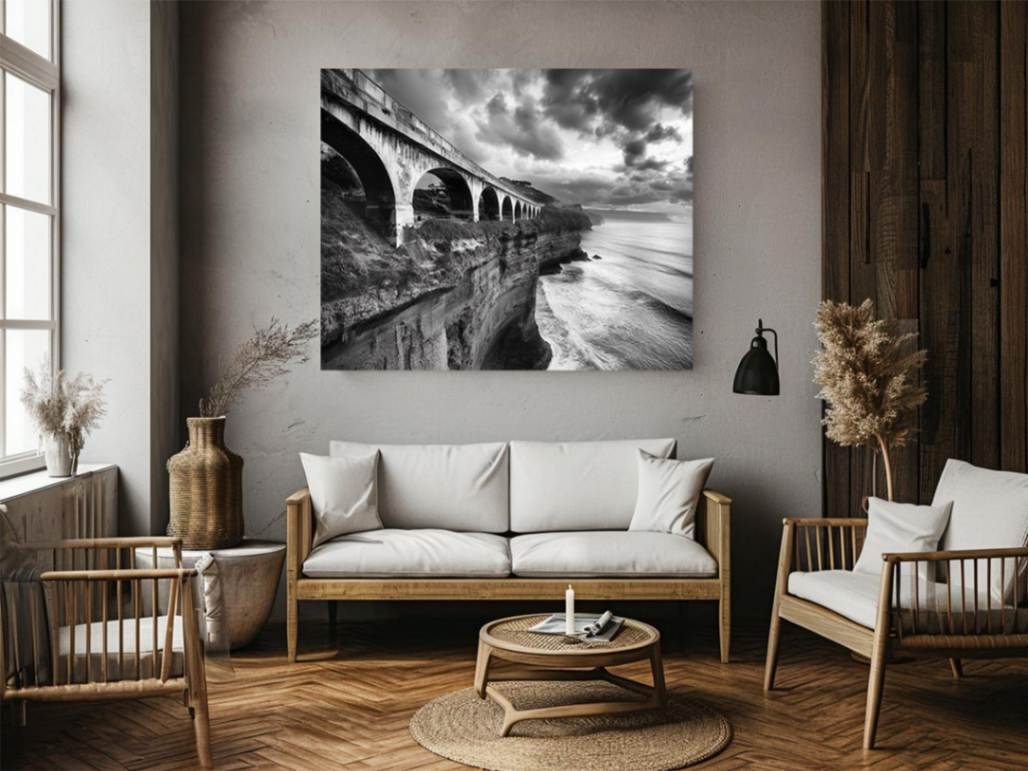
Storm Bridge Coast


Azure Coastline


Azure Escape


Coral Heart


Tropical Spectrum


Coastal Twilight


Moonlit Tide


Coastal Freedom


Ocean Mindscape

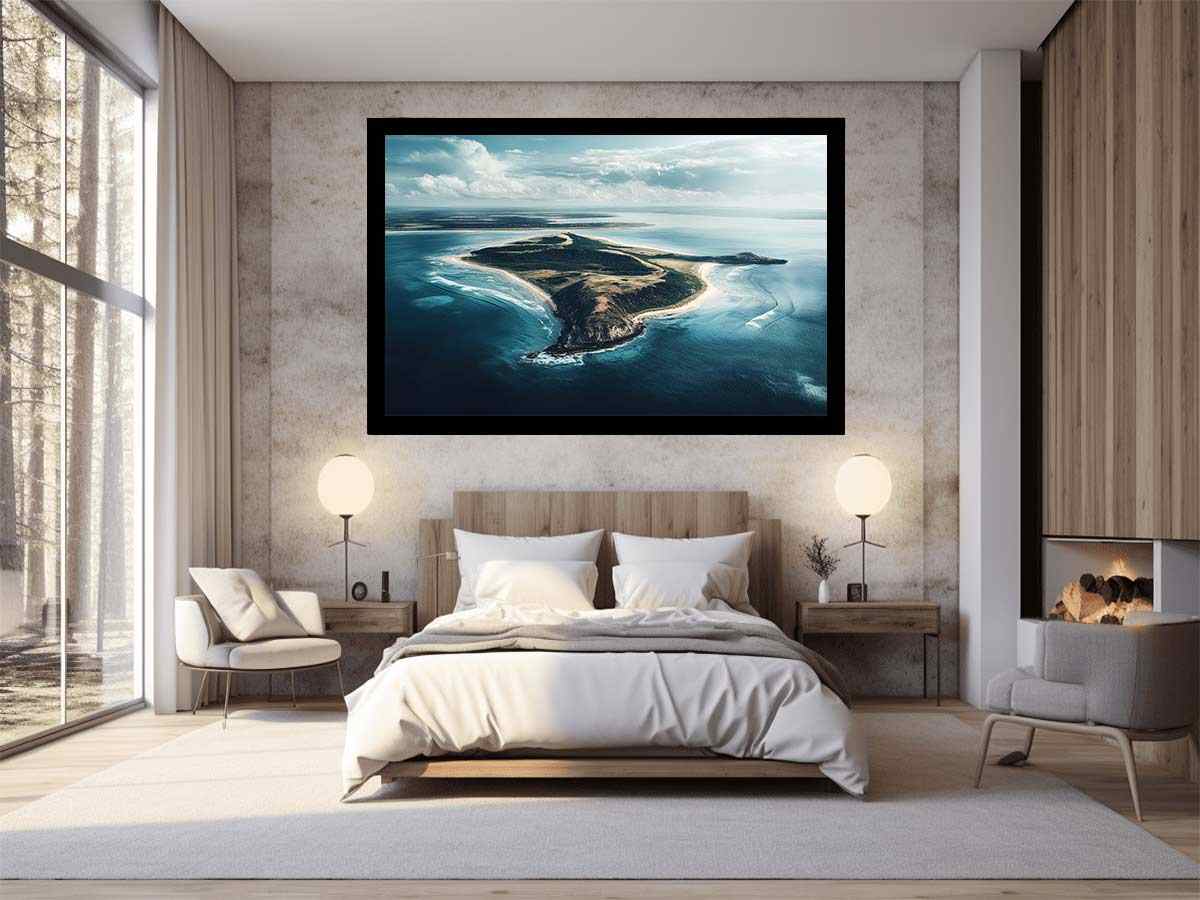
Azure Horizon Isle


Azure Escape


Monochrome Sea Oracle


Sunlit Coastal Expanse


Cliffside Amalfi Light


Amalfi Sun Drift


Azure Shoreline Calm


Lichen Coast


Submerged Ride


Tidal Sisters


Arctic Whale Rise


Aqua Mermaid Reverie


Coastal City Glow


Sapphire Shoreline

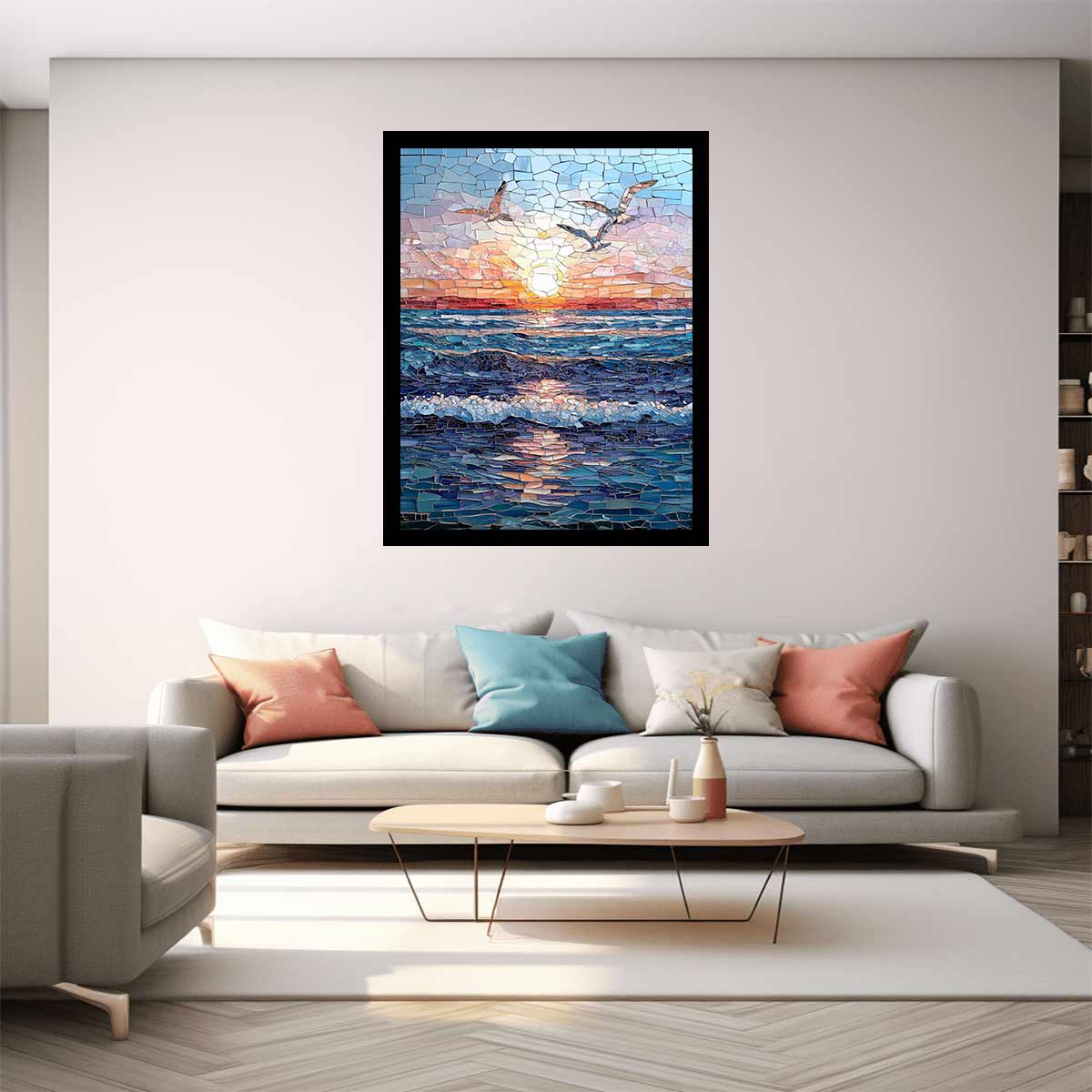
Seabird Sunset Mosaic


Tropical Mosaic Shore
Waves Paintings & Ocean Wave Wall Art
Waves paintings capture the movement, energy, texture, and beauty of the sea in artwork designed to become a distinctive focal point. At Fame Art Gallery, explore ocean wave wall art ranging from turquoise surf and dramatic crashing waves to abstract interpretations of water, light, and movement. Whether you are furnishing a living room, bedroom, office, hallway, beach house, or contemporary interior, wave artwork offers a versatile way to introduce coastal atmosphere without limiting your décor to traditional beach scenes.
Shop Waves Paintings for Your Home
Ocean waves create naturally dynamic compositions. Curving surf, white foam, deep blue water, turquoise tones, open horizons, reflections, and atmospheric skies can add movement and visual depth to a wall.
Wave artwork can also create very different moods depending on the composition. A calm rolling wave can contribute to a peaceful interior, while crashing surf can create a dramatic statement. Abstract wave paintings offer another direction, using flowing forms, layered colors, expressive textures, and movement rather than depicting the ocean literally.
What Makes Waves Paintings Unique?
- Movement: Curving waves naturally guide the eye through the composition.
- Ocean atmosphere: Water, surf, sky, and horizons can create an expansive visual effect.
- Strong color potential: Wave artwork can introduce blues, turquoise, aqua, white, gray, black, gold, and other accent colors.
- Natural subject matter: Ocean imagery brings an organic element into residential and commercial interiors.
- Multiple artistic styles: Waves can be presented realistically, photographically, expressively, or abstractly.
- Flexible interior appeal: Wave art can complement coastal, modern, contemporary, minimalist, and relaxed interiors.
Types of Waves Paintings
Ocean Wave Paintings
Ocean wave paintings place the movement of the sea at the center of the artwork. Breaking surf, rolling water, foam, and changing light can create a dramatic or peaceful focal point depending on the scene.
Abstract Wave Paintings
Abstract wave art interprets water through flowing shapes, expressive brushwork, color relationships, and visual movement. This approach can work particularly well when you want ocean-inspired artwork without a traditional seascape.
Blue & Turquoise Wave Art
Blue and turquoise wave paintings introduce cool aquatic tones that can complement white, cream, beige, gray, natural wood, and other neutral interiors. These colors can also reinforce an existing coastal palette.
Black & White Wave Paintings
Black-and-white wave artwork offers a more restrained interpretation of the ocean. Strong contrast can suit contemporary, monochromatic, minimalist, and sophisticated interiors.
Coastal Wave Paintings
Coastal wave artwork can combine waves with beaches, shorelines, skies, horizons, and other seaside elements. Choose this approach when you want the artwork to communicate a broader coastal environment rather than focusing exclusively on the wave itself.
Featured Waves Artwork
Fame Art Gallery's current wave-related artwork includes several distinct visual approaches. Azure Crest Symphony combines turquoise blues, luminous whites, and golden sunset accents with expressive ocean-wave movement. Celestial Tide Reverie presents richly textured blue waves beneath a pastel sky for a contemporary interpretation of the sea. Turquoise Tide focuses on rolling surf, foamy water, and a cool aqua, teal, and white palette.
For a monochromatic direction, Black & white Waves provides a high-contrast interpretation of wave imagery. Golden Tide Harmony uses sweeping navy-blue waves, soft white movement, and luminous gold accents in an abstract composition suited to contemporary interiors.
How to Choose the Right Waves Painting
1. Decide How Dramatic You Want the Artwork to Feel
Start with the atmosphere you want to create. Dramatic breaking waves can command attention and become a powerful feature, while calmer water and softer horizons can create a more understated atmosphere.
2. Choose Realistic or Abstract Wave Art
If you want the artwork to clearly communicate an ocean scene, look for recognizable surf, water, horizon, and sky. If you prefer contemporary décor, an abstract wave composition can provide the movement of water through color, texture, and shape.
3. Match the Room's Color Palette
Compare the dominant colors in the artwork with your walls, sofa, bed, furniture, rugs, curtains, and accessories. Blue and turquoise can reinforce cool coastal palettes, while black-and-white artwork can create contrast. Gold accents can introduce warmth into a blue-dominant room.
4. Consider the Wall Orientation
Many wave compositions have natural horizontal movement, making them particularly effective across broad walls. Measure the available space and consider the width of the furniture below the artwork before selecting the final size.
5. Select the Presentation
Depending on the individual artwork, Fame Art Gallery offers presentation choices including canvas prints, framed paper prints, unframed paper prints, acrylic prints, and metal prints. Explore canvas prints and framed prints when deciding how your wave artwork should look in the finished room.
Waves Paintings for Living Rooms
A wave painting can become a strong living-room focal point above a sofa, console, sideboard, or other substantial piece of furniture. A wide composition can visually relate to the width of a sofa, while a vertical wave artwork can work with taller walls or narrower spaces.
For modern interiors, consider abstract waves, monochromatic compositions, or blue-and-gold artwork. For coastal rooms, turquoise water, white foam, lighter skies, and open horizons can reinforce a relaxed seaside atmosphere.
Waves Wall Art for Bedrooms
Wave paintings can introduce an ocean-inspired atmosphere into a bedroom without requiring a large collection of decorative accessories. Softer water movement, restrained colors, and open compositions can create a visually balanced feature above a bed or on an adjacent wall.
Measure the wall above the bed before choosing artwork and consider the relationship between the painting, headboard, nightstands, lighting, and surrounding décor.
Waves Paintings for Offices & Modern Interiors
Wave artwork can add movement and natural subject matter to offices, studies, reception areas, and contemporary spaces. Abstract compositions can be particularly useful where you want an ocean-inspired visual without creating a traditional beach-themed interior.
For professional spaces, consider how the artwork's colors, scale, and presentation relate to the surrounding furniture and architectural lines.
Waves Paintings vs. Ocean Wall Art
Waves paintings have a specific focus: the movement, shape, texture, and energy of waves. Ocean wall art is a broader category that can include waves, beaches, horizons, tides, coastal scenes, and other ocean-related subjects.
Choose wave artwork when the movement of water should be the primary visual feature. Explore broader ocean wall art when you want a wider range of marine and seascape subjects.
Waves Paintings vs. Coastal Wall Art
Wave artwork focuses more directly on water movement, while coastal wall art can encompass beaches, shorelines, dunes, coastal cliffs, boardwalks, sunsets, and ocean views. The distinction matters when choosing artwork around a specific decorating concept.
If your goal is to make the ocean itself the focal point, wave paintings provide a more concentrated visual subject. If you want to create an entire seaside atmosphere, a broader coastal collection gives you more subject variety.
How to Style Ocean Wave Wall Art
- Measure first: Determine the available wall width and the relationship to nearby furniture.
- Choose the visual direction: Decide between realistic surf, calm water, coastal scenery, or abstract wave movement.
- Repeat one or two artwork colors: Echo blue, turquoise, white, gray, black, or gold through subtle décor.
- Use natural textures: Wood, linen, stone, woven materials, and restrained accessories can complement ocean imagery.
- Control competing patterns: Give detailed wave artwork enough surrounding space to remain the primary focal point.
- Select the presentation: Choose a finish that supports the style of the room and the character of the artwork.
For proportion guidance, explore the wall art size guide. For positioning and hanging considerations, use the wall art placement guide.
Why Wave Artwork Works Across Different Interior Styles
Wave paintings can adapt to different interiors because the ocean provides both recognizable imagery and abstract visual language. A realistic seascape can complement a coastal home, while expressive or abstract wave art can become a contemporary design element.
In neutral interiors, blue and turquoise artwork can introduce controlled color. In colorful rooms, a more restrained wave composition can provide balance. In minimalist spaces, black-and-white or simplified wave artwork can add movement without introducing excessive visual complexity.
Create a Wave-Inspired Feature Wall
Start with one artwork that establishes the room's dominant visual direction. If you build around it with additional décor, repeat selected colors or natural materials rather than introducing several unrelated themes.
Large wave compositions can benefit from visual breathing room. Avoid placing highly patterned furniture or accessories directly around a detailed ocean scene if you want the movement of the waves to remain the focal point.
For larger walls, consider whether one oversized composition, a panoramic piece, or a coordinated multi-piece arrangement will best suit the available space and surrounding furniture.
Waves Paintings FAQs
What are waves paintings?
Waves paintings are artworks centered on ocean waves, surf, water movement, and related marine imagery. They can range from realistic depictions of breaking waves to abstract compositions that interpret water through color, texture, shape, and expressive movement.
Are waves paintings good for living rooms?
Yes. Wave artwork can create a strong living-room focal point, particularly when its size and orientation relate to the sofa or other major furniture. Horizontal compositions can work especially well across broad walls.
What colors work well with wave wall art?
Blue, turquoise, aqua, white, gray, black, neutral, and gold can all work effectively depending on the artwork. Choose colors that complement your existing interior or deliberately use the painting as a contrasting accent.
Are waves paintings suitable for modern interiors?
Yes. Abstract wave artwork, monochromatic wave compositions, and refined blue-and-gold designs can complement modern and contemporary interiors. The artwork's level of abstraction, color palette, scale, and presentation all influence the final look.
What size waves painting should I choose?
Choose the size according to the available wall space, nearby furniture, viewing distance, and artwork orientation. Measure the wall before purchasing, particularly when selecting a large statement piece above a sofa, bed, dining table, or console.
Can waves paintings be used in a coastal home?
Yes. Ocean waves naturally complement coastal interiors. Pair wave artwork with light neutrals, natural textures, wood, linen, and understated seaside décor for a cohesive coastal look.
What is the difference between wave art and ocean art?
Wave art specifically emphasizes the form and movement of waves. Ocean art is a broader category that can include waves, beaches, horizons, tides, marine environments, and other ocean-related subjects.
What is the difference between wave art and coastal art?
Wave art makes the movement of water the central subject, while coastal art can include a much wider range of seaside imagery such as beaches, dunes, cliffs, sunsets, shorelines, and coastal architecture.
Bring the Movement of the Ocean to Your Walls
Explore waves paintings at Fame Art Gallery to bring ocean movement, expressive color, coastal atmosphere, and contemporary visual energy into your space. Whether you prefer dramatic surf, tranquil turquoise water, monochromatic waves, or abstract ocean movement, choose artwork based on the mood, color palette, composition, scale, and presentation that best complements your interior.