
Zen Art & Zen Wall Art | Japanese & Spiritual Artwork


Spiritual Buddha


Serenity Stack


Lotus Light Buddha

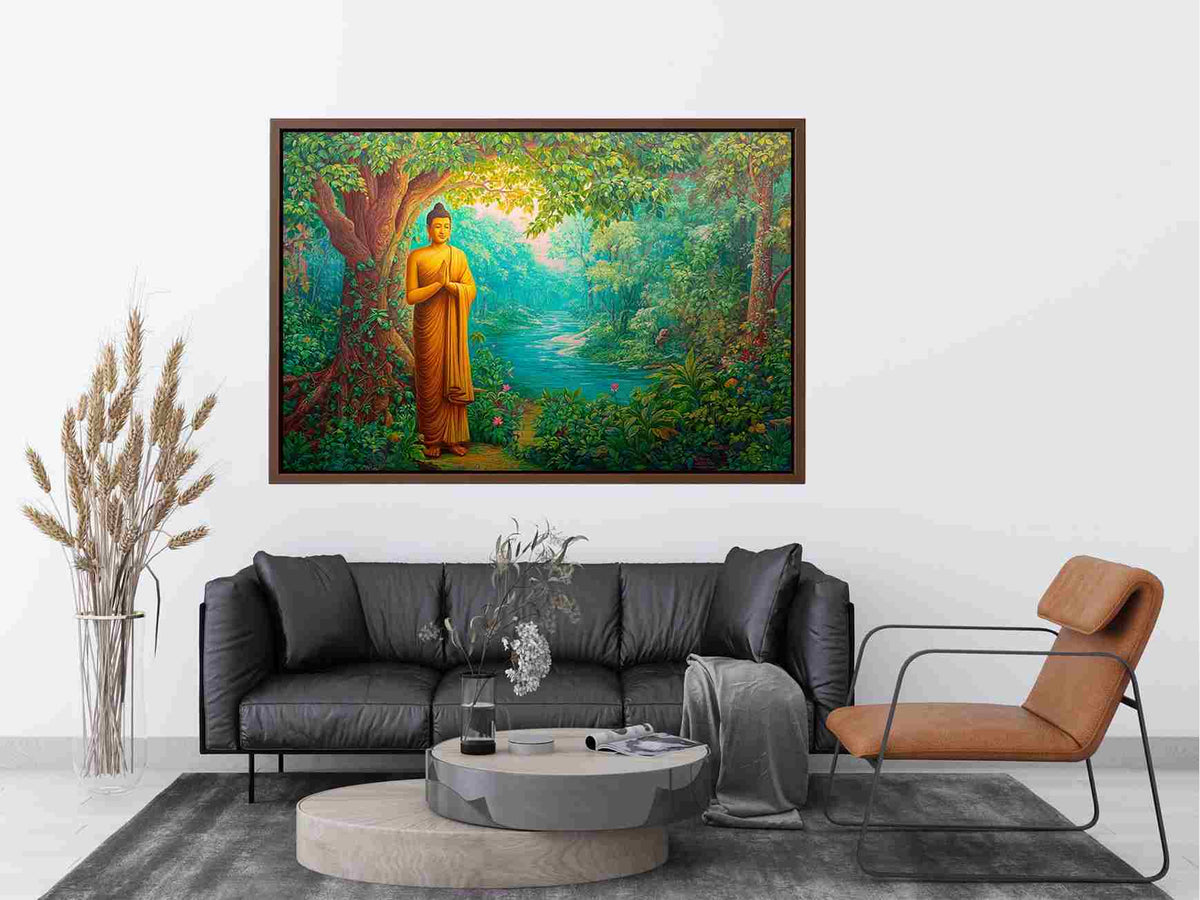
Forest Blessing

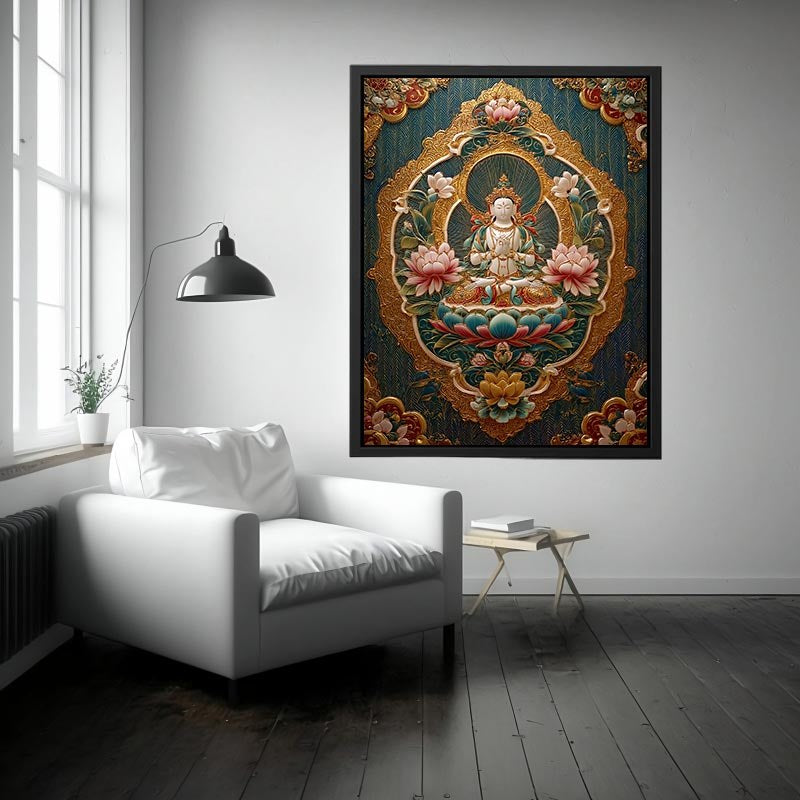
Lotus Temple Radiance


Crimson Reflection


Lotus Stillness


Golden Lotus Buddha


Sacred Drift
Golden Silence


Lotus Silence


Blush Lotus Harmony


Temple of Golden Serenity


Radiance of Stillness


“Cosmic Stillness Within”


“Whispering Falls”


Awakening Silence


Awakened Light


Divine Light Awakening


Golden Energy Spiritual Awakening


Cosmic Meditation Energy Flow Wall Art


Minimalist Ganga Painting

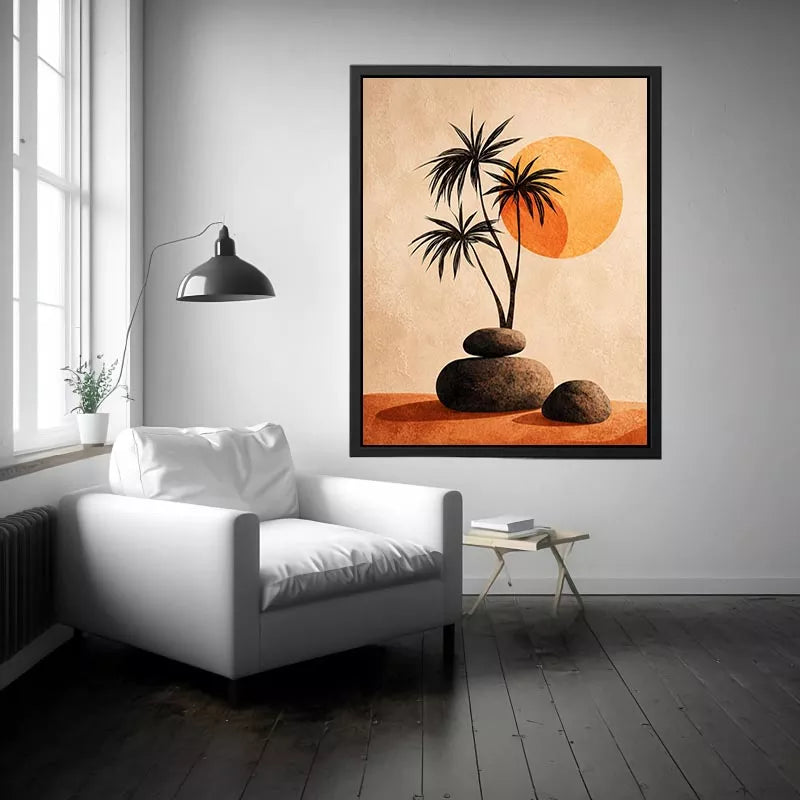
Zen Tropics


Sacred Forest Stillness


Temple Light

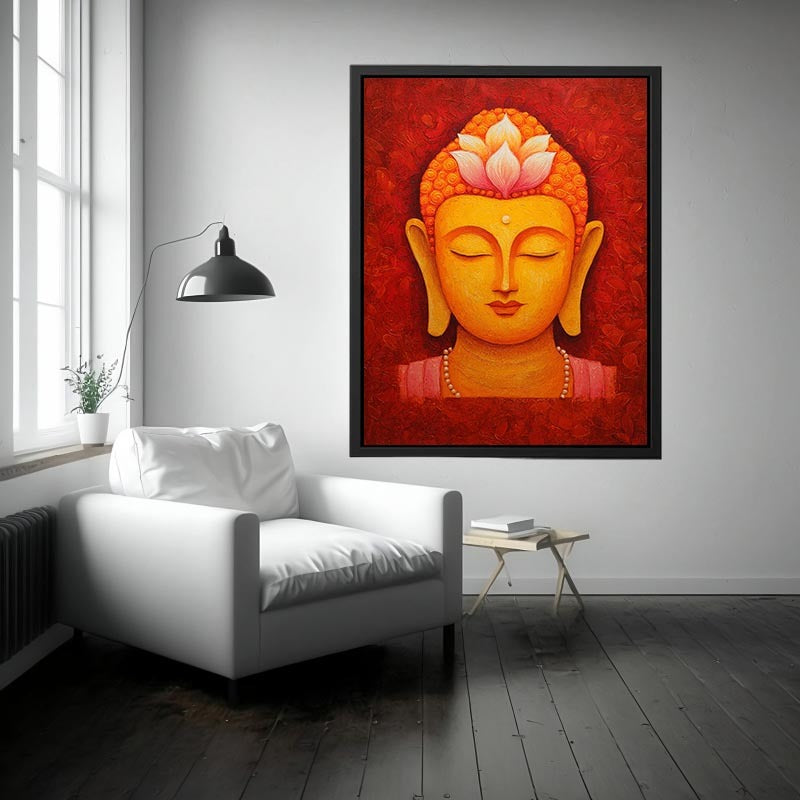
Golden Inner Bloom

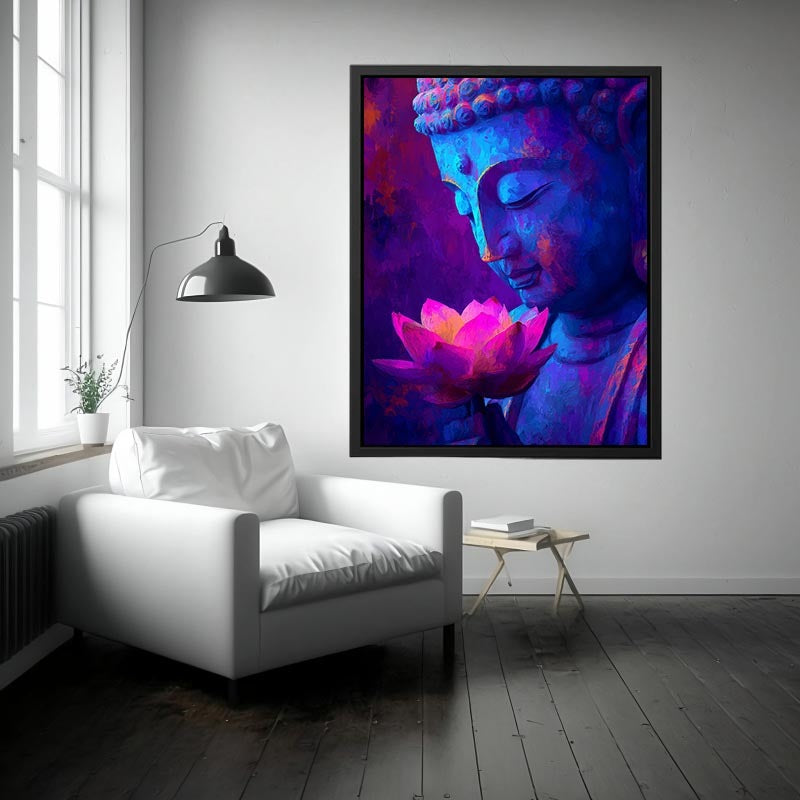
Lotus Serenity

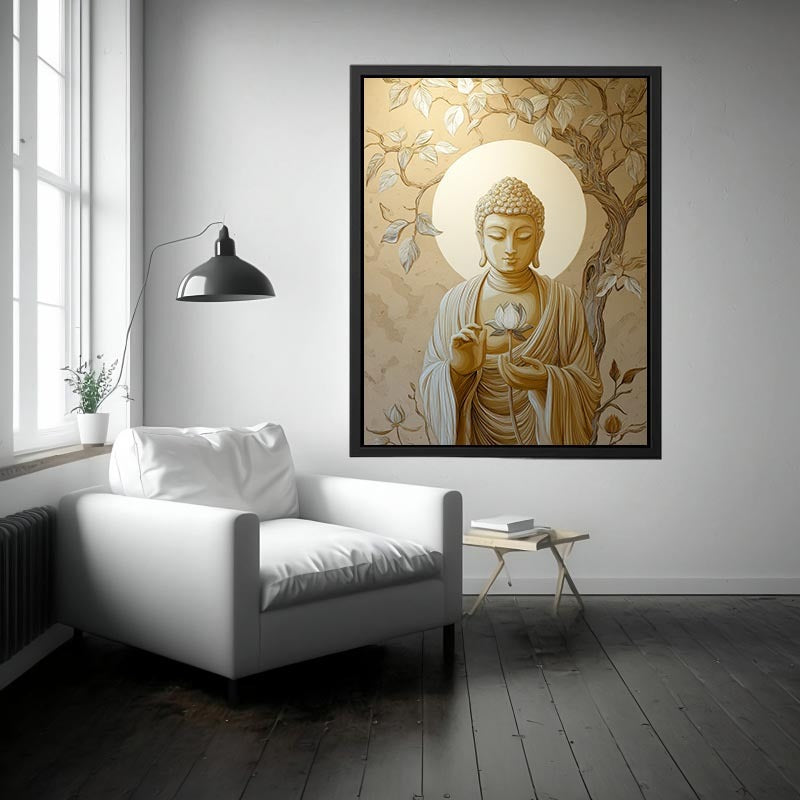
Ivory Lotus

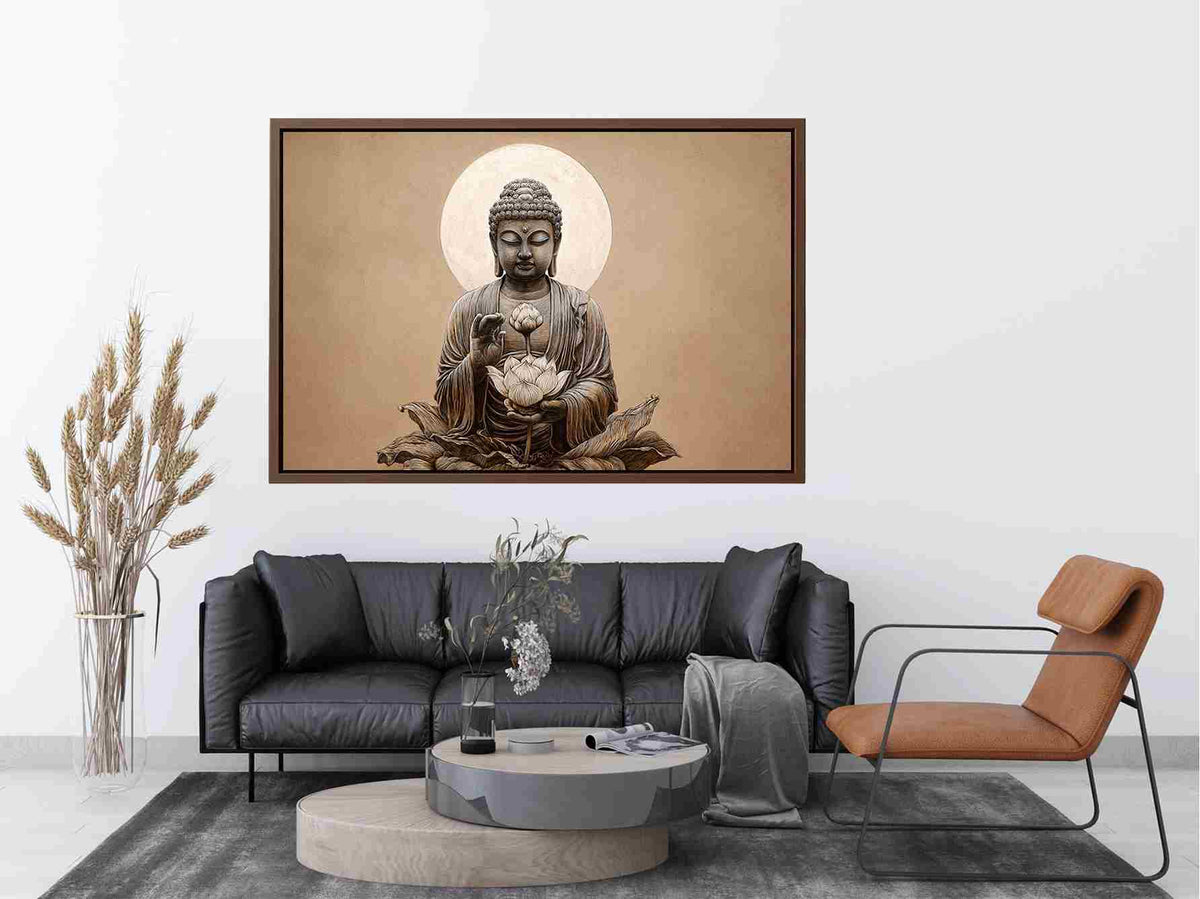
Moon Lotus

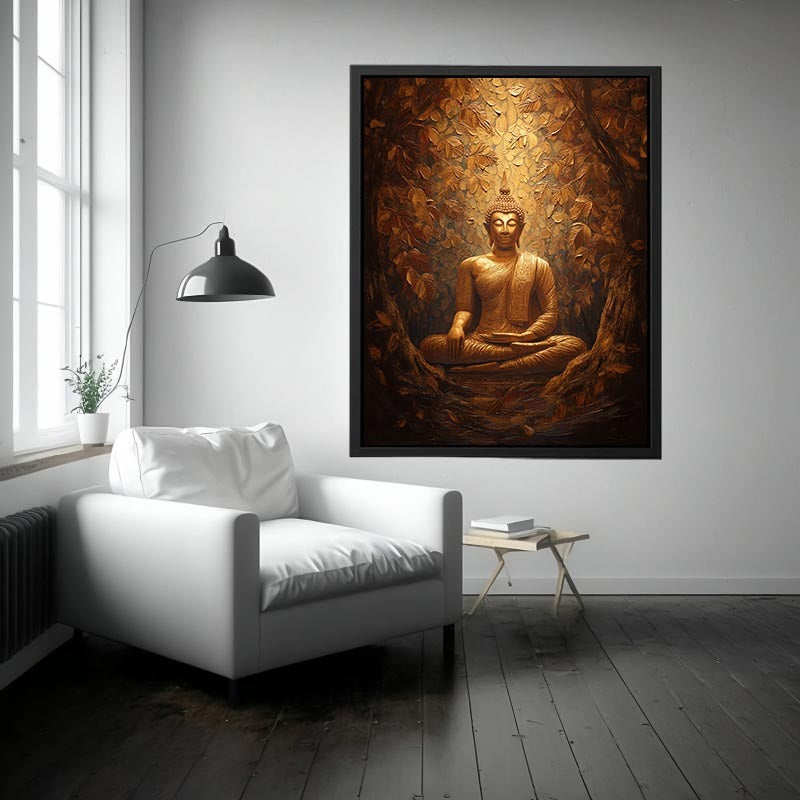
Bronze Sanctuary

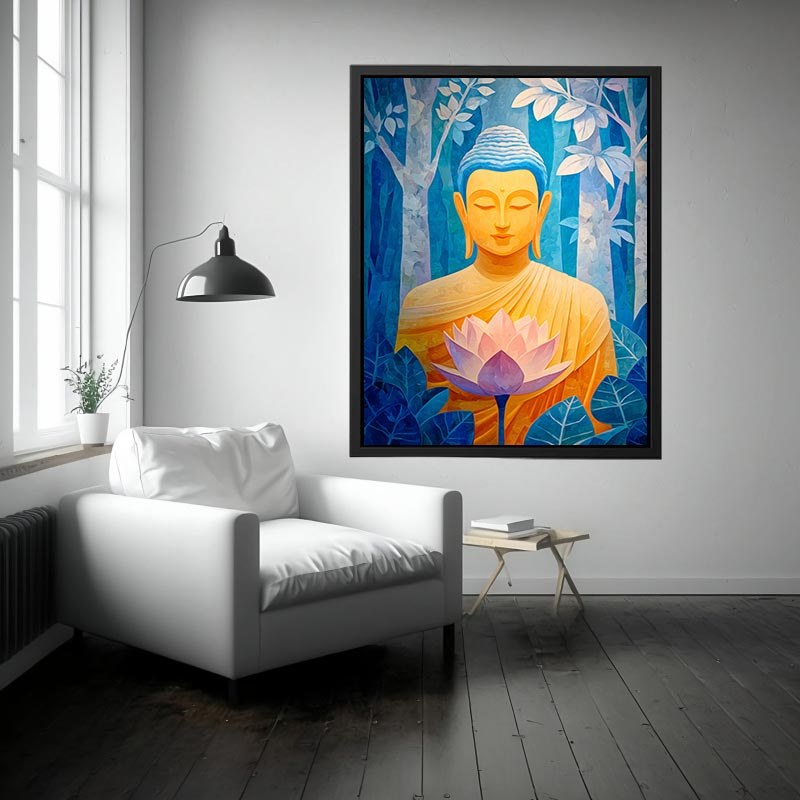
Blue Lotus Calm

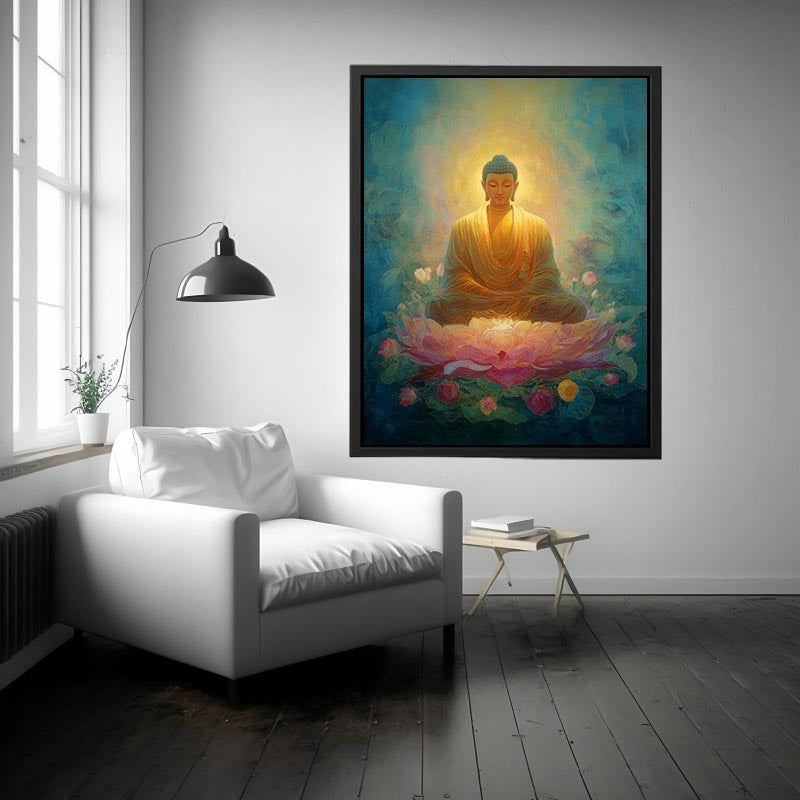
Radiant Lotus

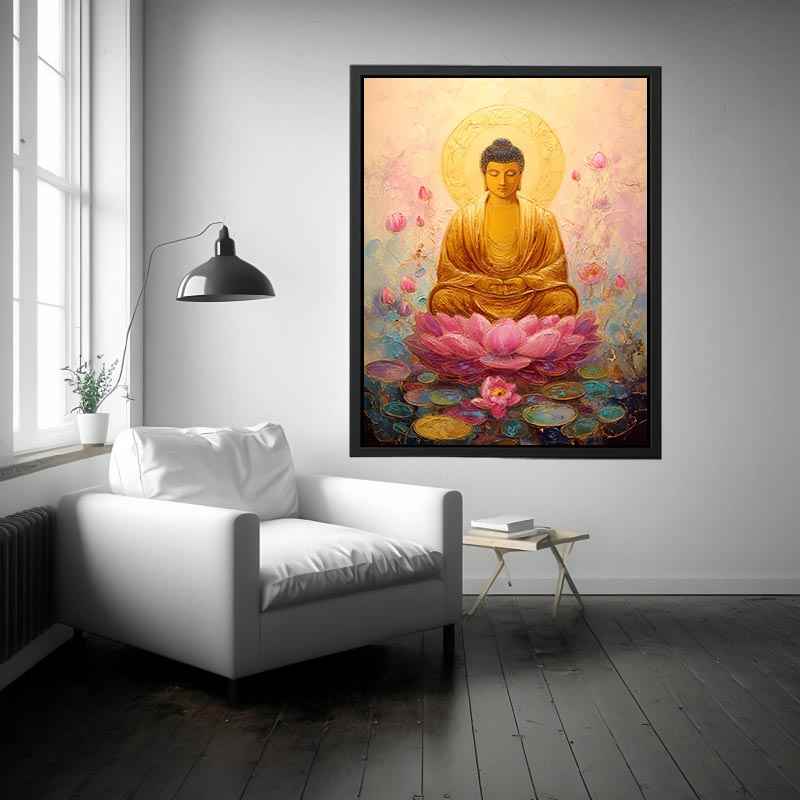
Lotus Reverie

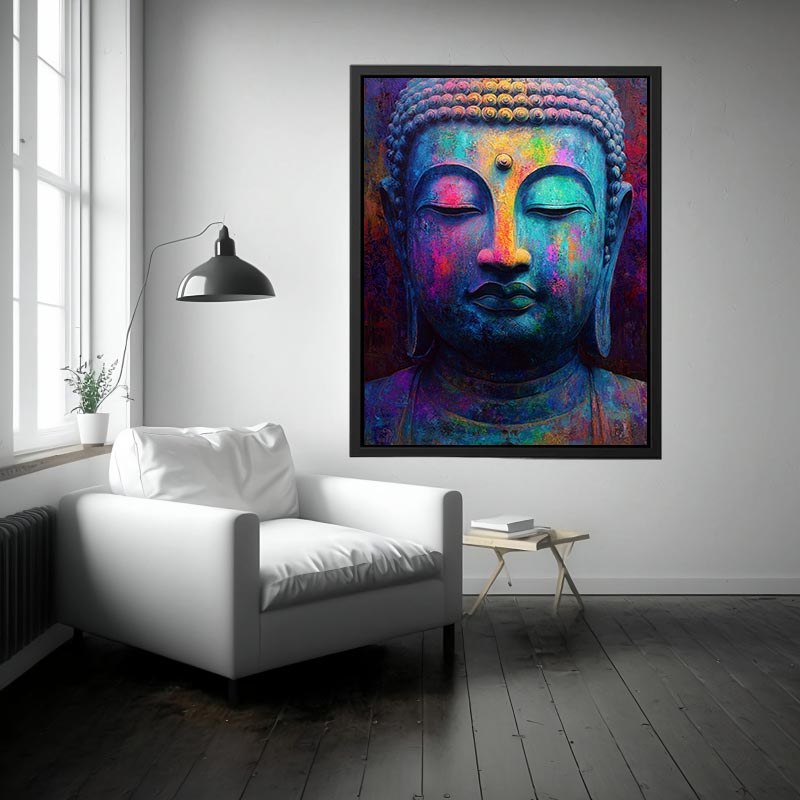
Neon Serenity

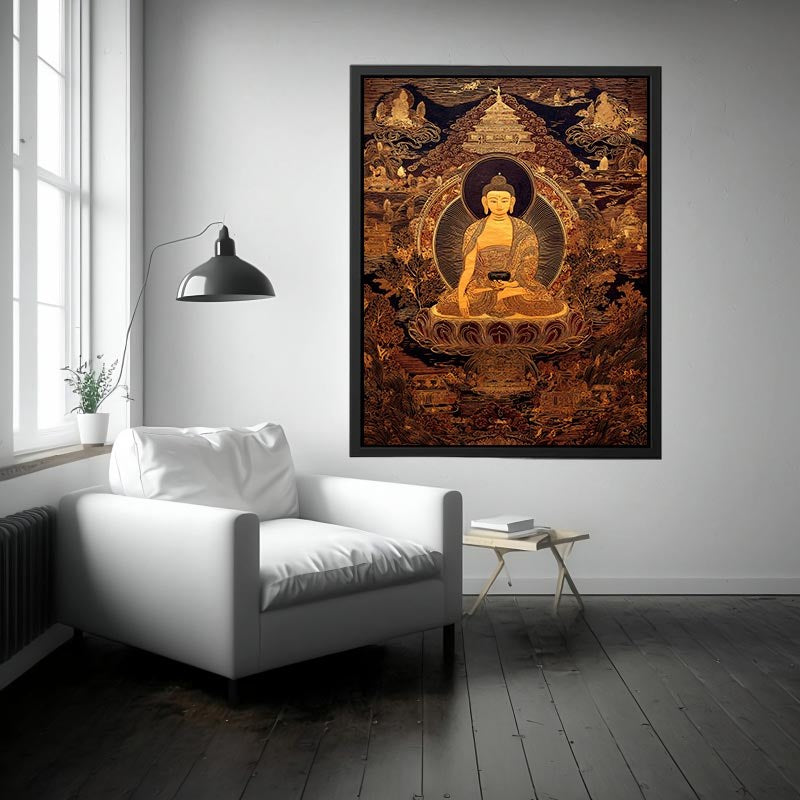
Amber Buddha

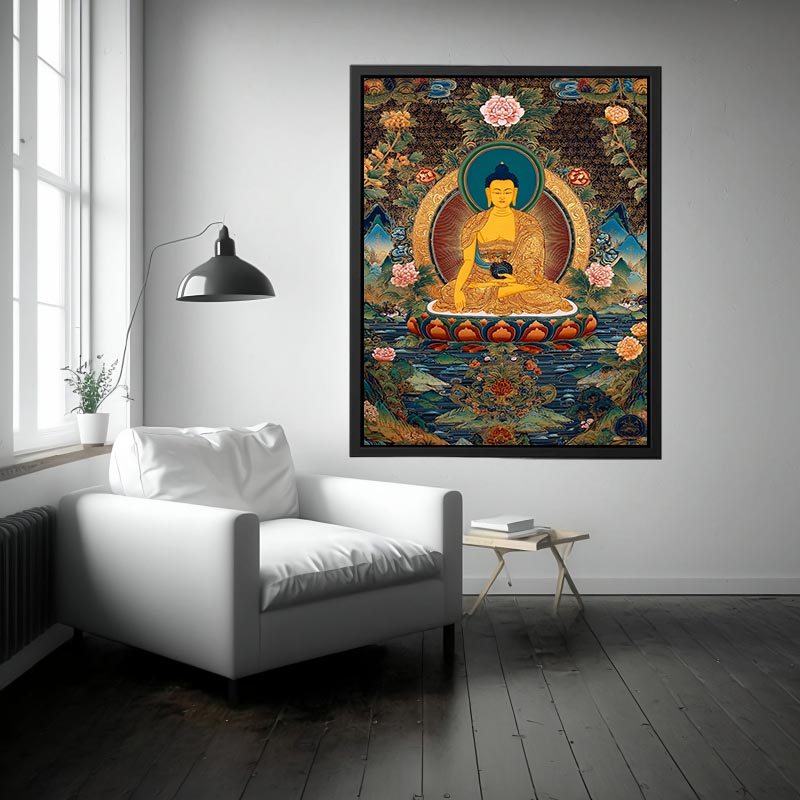
Golden Enlightenment


Whispering Wings On Stone


Boho Stones

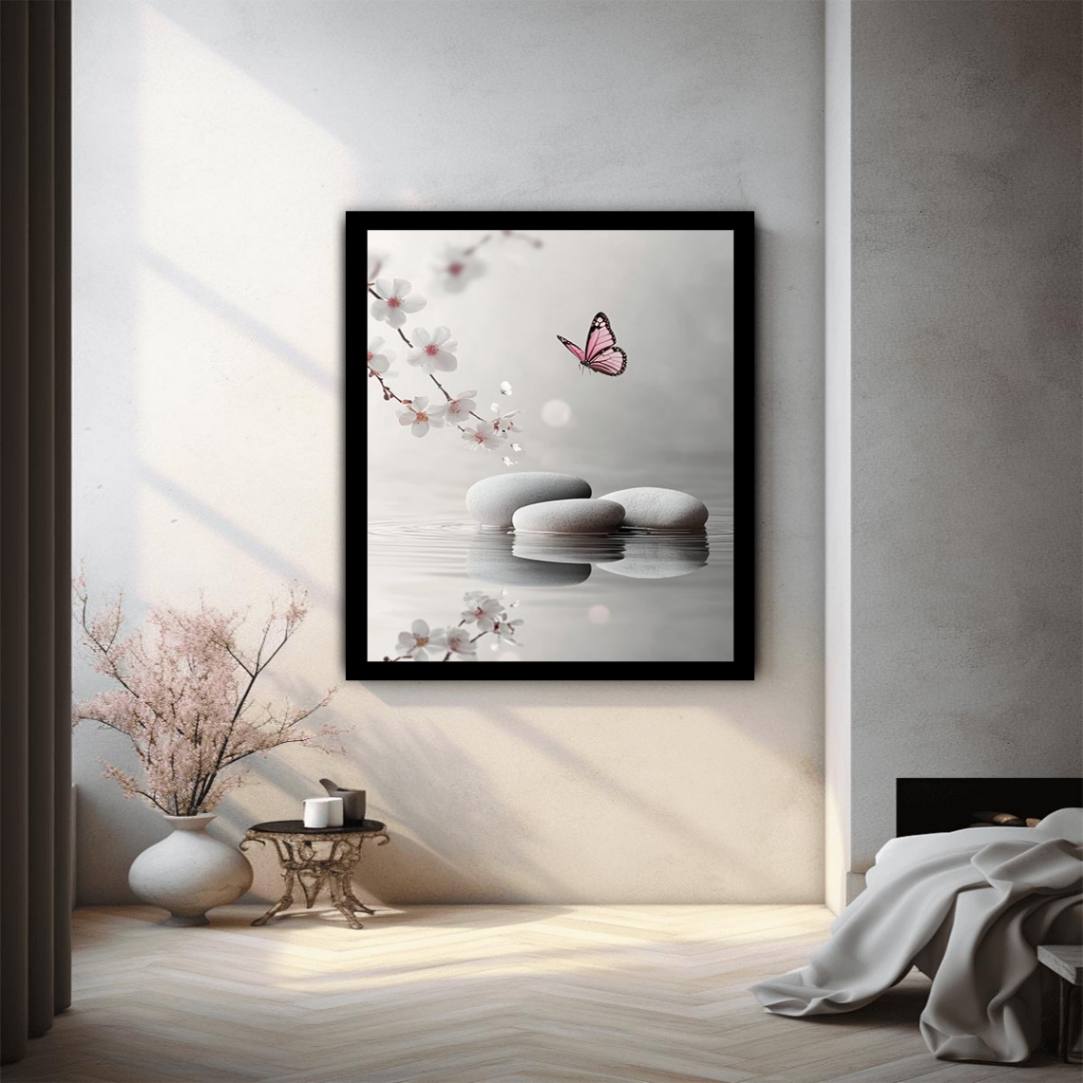
White Pebbles


Chakra Meditation
Zen Art & Zen Wall Art
Zen Art at Fame Art Gallery brings together tranquil, contemplative and spiritually inspired artwork featuring lotus imagery, Buddha-inspired subjects, temples, meditation themes, atmospheric landscapes and visual interpretations of stillness. Current artwork associated with this collection includes Lotus Stillness, Golden Lotus Buddha, Sacred Drift, Golden Silence, Lotus Silence, Temple of Golden Serenity, and Radiance of Stillness. Choose Zen wall art according to its subject, visual mood, color palette, composition, scale and presentation to create a calm focal point in a living room, bedroom, meditation space, office or other interior.
Shop Zen Art for Your Walls
Zen art is best approached as a visual and decorative direction centered on calm, simplicity, contemplation and balance, rather than as one fixed medium or single style. Within this collection, the visual language can come from lotus flowers, meditative figures, Buddha-inspired imagery, temples, water, atmospheric scenery or more abstract expressions of stillness.
This distinction is useful when choosing artwork. A Buddha-centered piece creates a more explicit spiritual focal point, while lotus or nature artwork can introduce a quieter Zen-inspired atmosphere without making a religious figure the dominant subject.
For a broader spiritual selection, explore Spiritual Art. For a more specific Buddha-focused selection, explore Buddha Paintings.
What Makes Zen Wall Art Distinctive?
- Calm visual language: Zen-inspired artwork can emphasize stillness, open space, restrained detail and balanced compositions.
- Nature and contemplation: Lotus flowers, water, atmospheric scenery and natural subjects can reinforce a peaceful interior.
- Spiritual imagery: Buddha-inspired figures and temple scenes can create a more explicit contemplative or spiritual focal point.
- Neutral-friendly palettes: Many Zen-inspired compositions can work naturally with beige, cream, gray, brown, green, muted blue and restrained gold interiors.
- Minimalist compatibility: Simpler compositions can complement clean-lined furniture and uncluttered rooms.
- Flexible placement: Zen artwork can suit living rooms, bedrooms, meditation spaces, offices, studies, entryways and quiet personal spaces.
Types of Zen Art
Lotus Zen Art
Lotus imagery provides one of the clearest visual directions within the collection. Lotus Stillness and Lotus Silence use the lotus as a central decorative subject, while Golden Lotus Buddha combines lotus imagery with a Buddha-inspired figure.
Lotus artwork can be a useful choice when you want a Zen-inspired atmosphere without making Buddhist imagery the sole focus of the wall.
Buddha-Inspired Zen Art
Buddha-inspired artwork creates a more recognizable spiritual direction. Golden Lotus Buddha combines the Buddha figure with lotus imagery, while other Buddha artwork at Fame Art Gallery includes meditative compositions such as Buddha's Silence, Buddha's Essence, and Whispers of Buddha.
If Buddha is the specific subject you want rather than the broader Zen aesthetic, shop the dedicated Buddha Paintings collection.
Temple & Sacred-Space Zen Art
Temple of Golden Serenity introduces architectural imagery into the Zen category. Temple artwork can create a stronger sense of place than a standalone figure or botanical subject, making the architecture itself part of the atmosphere.
Temple compositions can work especially well with interiors featuring natural wood, stone, neutral colors and clean architectural lines.
Stillness & Contemplative Art
Titles such as Sacred Drift, Golden Silence, and Radiance of Stillness represent the quieter, atmosphere-led side of the collection.
This direction can be appropriate when you want the feeling associated with Zen décor without relying heavily on recognizable religious symbols.
Nature-Inspired Zen Art
Nature can provide a less explicitly spiritual route into Zen-inspired decorating. Water, atmospheric landscapes, organic forms and restrained compositions can introduce visual calm while remaining compatible with contemporary interior design.
This makes nature-led Zen art useful for shoppers who want a peaceful environment rather than a strongly themed spiritual display.
Featured Zen Artwork
Lotus Stillness
Lotus Stillness is currently offered as a canvas print with rolled canvas, stretched canvas, and black, white or brown floating-frame options. Listed sizes include 24" x 36", 30" x 45", 32" x 48", and 40" x 60".
Golden Lotus Buddha
Golden Lotus Buddha combines two strong visual themes within Zen-inspired décor: the lotus and the meditative Buddha figure. The current listing offers canvas presentation with rolled, stretched and selected floating-frame options in multiple sizes.
Sacred Drift
Sacred Drift provides a more atmospheric direction within the collection. Its current listing includes canvas presentation with rolled, stretched and black, white or brown floating-frame options, along with multiple size choices.
Golden Silence
Golden Silence emphasizes a quieter, more decorative interpretation of Zen-inspired artwork. Its current product presentation includes canvas and several floating-frame options, with multiple sizes available.
Temple of Golden Serenity
Temple of Golden Serenity brings architecture and sacred-space imagery into the collection. The current listing provides canvas presentation with rolled, stretched and floating-frame choices and multiple dimensions.
How to Choose Zen Wall Art
1. Decide What Kind of Calm You Want
Start by identifying the visual subject that best represents the atmosphere you want: lotus flowers, Buddha-inspired imagery, temples, meditation, water, tranquil nature or abstract stillness.
2. Choose Between Spiritual and Decorative
If spiritual symbolism is important to you, Buddha or temple artwork can provide a more explicit focal point. If your primary goal is a calm interior aesthetic, lotus, water, nature and atmospheric artwork can communicate the desired mood more subtly.
3. Consider Your Existing Color Palette
Zen-inspired interiors can work naturally with neutral and earthy colors such as cream, beige, taupe, brown, gray, muted green and soft blue. Gold can introduce warmth and emphasis when it appears within the artwork or interior finishes.
4. Look at Negative Space
A contemplative composition can benefit from visual breathing room. Consider both the empty space within the artwork and the wall space around it. Avoid placing a detailed Zen painting in an area already crowded with competing decorative elements.
5. Select the Presentation
Many current Zen-related artworks are offered as canvas prints with options including rolled canvas, stretched canvas and floating frames. Selected related Buddha artwork also offers framed paper, acrylic and metal-print formats. Exact options vary by individual product, so check the product listing before purchasing.
Compare Canvas Prints and Framed Prints when deciding how you want the finished artwork presented.
Zen Art for Living Rooms
Zen wall art can create a quieter focal point above a sofa, console, sideboard or fireplace. Lotus artwork can introduce a natural decorative element, while Buddha or temple compositions can establish a more recognizable spiritual character.
For contemporary living rooms, combine Zen artwork with clean-lined furniture, natural wood, neutral textiles, plants and restrained accessories. Allow the artwork enough surrounding space to remain the principal visual element.
For additional room-specific inspiration, explore living room wall art ideas.
Zen Wall Art for Bedrooms
Bedrooms can be particularly suitable for artwork with a quiet visual rhythm. Lotus, water, nature and atmospheric compositions can work above the bed, on a feature wall, or beside a dresser or reading area.
When placing artwork above a bed, compare its width and scale with the bed and headboard rather than selecting the artwork based only on the available wall area.
For more bedroom-focused choices, explore Bedroom Wall Art.
Zen Art for Meditation & Wellness Spaces
Zen artwork can suit meditation corners, yoga spaces, quiet reading areas, wellness rooms and other personal spaces designed around stillness. In these settings, artwork can function as an atmospheric element rather than a conventional decorative statement.
Lotus imagery, calm water, temples and restrained compositions can work especially well when the rest of the room already emphasizes simplicity and uncluttered surroundings.
Zen Art for Offices & Studies
A calm artwork can introduce a visually quieter element into a home office, study, library or creative workspace. Nature-led or abstract Zen artwork can provide visual relief from screens and work materials without requiring a heavily themed interior.
For a professional environment, consider whether a subtle lotus or atmospheric composition integrates more naturally than an overtly spiritual focal point.
Zen Art for Entryways & Hallways
Zen artwork can establish a calm decorative direction from the entrance of a home. Vertical compositions can suit narrower walls, while wider artwork can work across larger hallway sections.
Keep nearby décor relatively restrained so the artwork's simplicity remains part of the overall visual experience.
Zen Art vs. Spiritual Art
Zen Art is a more focused visual direction centered on stillness, contemplation, simplicity, lotus imagery, Buddhist-inspired subjects, temples, tranquil nature and atmospheric compositions.
Spiritual Art is broader and can encompass many spiritual traditions, religious subjects, symbols, meditation themes and inspirational artwork. Explore Spiritual Art when spirituality in general is your primary shopping intent rather than the more specific Zen-inspired aesthetic.
Zen Art vs. Buddha Paintings
Buddha Paintings has a specific Buddha-subject intent. Zen Art is broader and can include lotus flowers, temples, nature, water and contemplative compositions without a Buddha figure.
If the Buddha is the artwork you specifically want, explore Buddha Paintings. If your priority is a broader calm and contemplative interior aesthetic, Zen Art provides the wider subject direction.
Zen Art vs. Asian Art
Asian Art is a much broader cultural category covering artwork connected with many regions, cultures and visual traditions across Asia. It can include landscapes, architecture, Indian subjects, Japanese-inspired imagery, Buddhist artwork, figures, animals, flowers and contemporary interpretations.
Zen Art is more narrowly organized around a contemplative visual direction. Explore Asian Art when the broader cultural or geographic identity of the artwork is the primary reason for your purchase.
Zen Art vs. Mandala Art
Mandala artwork can complement a Zen-inspired room because balanced circular compositions and repeated geometric structures can contribute to an ordered visual environment. However, Mandala Art has its own specific geometric and symbolic focus.
Choose Zen Art when the overall atmosphere of calm and contemplation is the priority. Explore Mandala Art when the mandala itself is the desired subject.
Zen Art & Interior Color
- Neutral Zen: Cream, beige, taupe, white and gray create a restrained foundation.
- Green Zen: Muted greens can reinforce a connection with plants and natural materials.
- Blue Zen: Soft blue and water-inspired tones can create a cooler visual atmosphere.
- Gold Zen: Gold accents can introduce warmth and visual emphasis without requiring bright colors throughout the room.
- Earth-tone Zen: Brown, tan, stone and natural wood can create a grounded environment around nature-focused artwork.
How to Style Zen Wall Art
- Keep surrounding décor simple: Allow the artwork's composition to remain visually important.
- Use natural materials: Wood, stone, linen, woven textures and plants can complement Zen-inspired artwork.
- Repeat subtle colors: Pull one or two tones from the painting into cushions, textiles or accessories.
- Protect negative space: Avoid overcrowding the wall around a contemplative composition.
- Coordinate the frame: Choose black, white, brown, natural, gold or another available finish according to the individual artwork and room.
- Consider lighting: Position artwork where the lighting allows the composition and colors to remain comfortable to view.
Choosing the Right Size Zen Painting
Choose the size according to the wall, nearby furniture, viewing distance and composition of the artwork. Current Zen-related products include commonly listed sizes such as 24" x 36", 30" x 45", 32" x 48" and 40" x 60", while related spiritual artwork can extend to substantially larger dimensions. Exact sizes vary by product.
For artwork above furniture, consider the relationship between artwork width and the furniture beneath it rather than choosing a size based only on the empty wall. The artwork should feel proportionate to the room and have enough surrounding space to remain visually clear.
Use the Wall Art Size Guide and Wall Art Placement Guide for more detailed planning.
Zen Art FAQs
What is Zen Art?
Zen Art is a visual category centered on calm, simplicity, contemplation, balance and tranquil imagery. It can include lotus flowers, Buddha-inspired figures, temples, water, nature, meditation themes and atmospheric interpretations of stillness.
What types of Zen artwork are available?
The collection includes lotus artwork, Buddha-inspired compositions, temple imagery, contemplative artwork and atmospheric interpretations of stillness. Individual products vary in subject, presentation, size and available finishes.
Is Zen Art the same as Buddha Art?
No. Buddha Art is specifically centered on Buddha imagery, while Zen Art is broader and can include lotus flowers, temples, nature, water and other contemplative compositions without a Buddha figure.
Is Zen Art the same as Asian Art?
No. Asian Art is a broad cultural category covering many regions and artistic traditions. Zen Art has a narrower visual focus on calm, contemplation, simplicity and related spiritual or nature-inspired imagery.
Where should I hang Zen wall art?
Zen artwork can work in living rooms, bedrooms, meditation spaces, wellness areas, offices, studies, entryways and hallways. Choose the location according to the artwork's size, subject, lighting and relationship with surrounding furniture.
What colors work well with Zen wall art?
Neutral, beige, cream, gray, green, muted blue, brown, natural wood and restrained gold accents can complement Zen artwork. The best palette depends on the individual artwork and the colors already present in the room.
What size Zen painting should I choose?
Choose according to your wall dimensions, furniture, viewing distance and the artwork's composition. Larger pieces can create a calm statement wall, while smaller formats can suit meditation areas, offices, hallways and compact rooms.
Are Zen paintings available as canvas prints?
Yes. Many current Zen-related artworks are offered as canvas prints with options such as rolled canvas, stretched canvas and floating frames. Selected related spiritual and Buddha artworks also offer additional presentation formats. Exact options vary by individual product.
Explore Zen Art for Your Interior
Explore Zen Art at Fame Art Gallery for lotus artwork, Buddha-inspired compositions, temples, contemplative imagery and tranquil visual directions. Choose according to the subject, atmosphere, color palette, composition, scale and presentation that best fits your space.
Whether you are furnishing a calm bedroom, creating a meditation area, adding a quieter focal point to a living room, or introducing a contemplative visual element to an office, Zen wall art provides a focused way to build an interior around simplicity, balance, nature and stillness.